
JLPT N1: Trắc nghiệm nghĩa từ - Unsolved

Học nghĩa tiếng Việt của 3032 từ JLPT N1 qua các câu hỏi có bốn lựa chọn.
-
lãng mạn
-
rất dài
-
hùng vĩ
- 表記は「微か」も用いられる。
- 連用形「かすかに」は副詞的用法で用いられる。
-
không chừng
-
xin hãy xem
-
bất cứ điều gì
-
sự xem xét thảo luận
-
bảo vệ
-
sự cắt giảm
-
vùng dọc đường sắt
-
sự tăng cường
-
việc hoàn thành khóa học
-
quan điểm
-
quý tộc
-
chính văn
-
từ Hán Nhật
-
tài sản văn hóa
-
nội tạng
-
nguyên cả
-
lúc nào không hay
-
rõ nét
-
hoàn cảnh sống
-
việc để sau
-
điểm mù
-
Liên Hợp Quốc
-
Thượng viện Nhật Bản
-
hoàng cung
-
tầm phào
-
xứng đáng
-
đê tiện
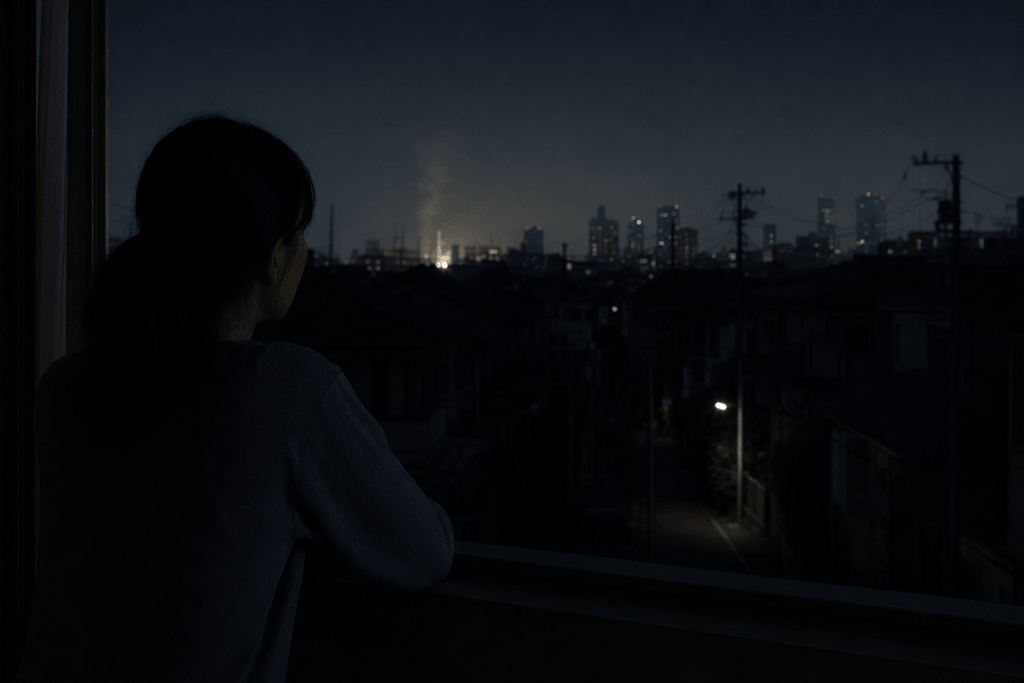
かすか
yếu ớt
かすか
yếu ớt
Explanation
yếu ớt
かすか
mờ nhạt / lờ mờ / yếu ớt
Word Forms
The basic and commonly used forms of this adjectival noun.
Basic forms
| Form | Word form | Usage |
|---|---|---|
| Imperfective form (mizenkei) |
Alternative:
微かだろ
|
Used in forms such as darou. |
| Continuative form (renyokei) |
Alternative:
微かで
かすかに
微かに
かすかだっ
微かだっ
|
Used with de or ni. |
| Conclusive form (shushikei) |
Alternative:
微かだ
|
Ends a sentence with da. |
| Attributive form (rentaikei) |
Alternative:
微かな
|
Modifies a noun with na. |
| Conditional form (kateikei) |
Alternative:
微かなら
|
Expresses a condition with nara. |
| Imperative form (meireikei) |
Alternative:
微かであれ
|
Used in formal expressions such as de are. |
Common forms
| Form | Word form | Usage |
|---|---|---|
| Te-form equivalent |
Alternative:
微かで
|
Connects clauses using de. |
| Ta-form |
Alternative:
微かだった
|
Expresses the past with datta. |
| Nai-form |
Alternative:
微かではない
かすかじゃない
微かじゃない
|
Expresses negation with dewa nai or ja nai. |
| Desu-form |
Alternative:
微かです
|
Used for polite speech. |
Notes
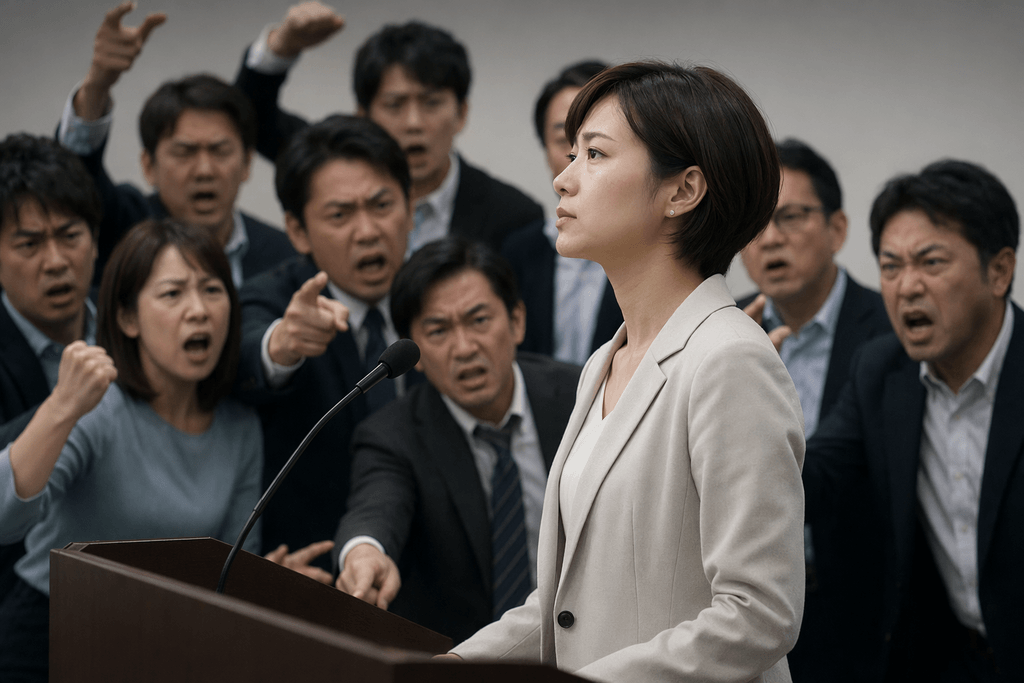
にもかかわらず
mặc dù
にもかかわらず
mặc dù
Explanation
mặc dù
にもかかわらず
mặc dù / bất chấp / dẫu cho
( romanization )
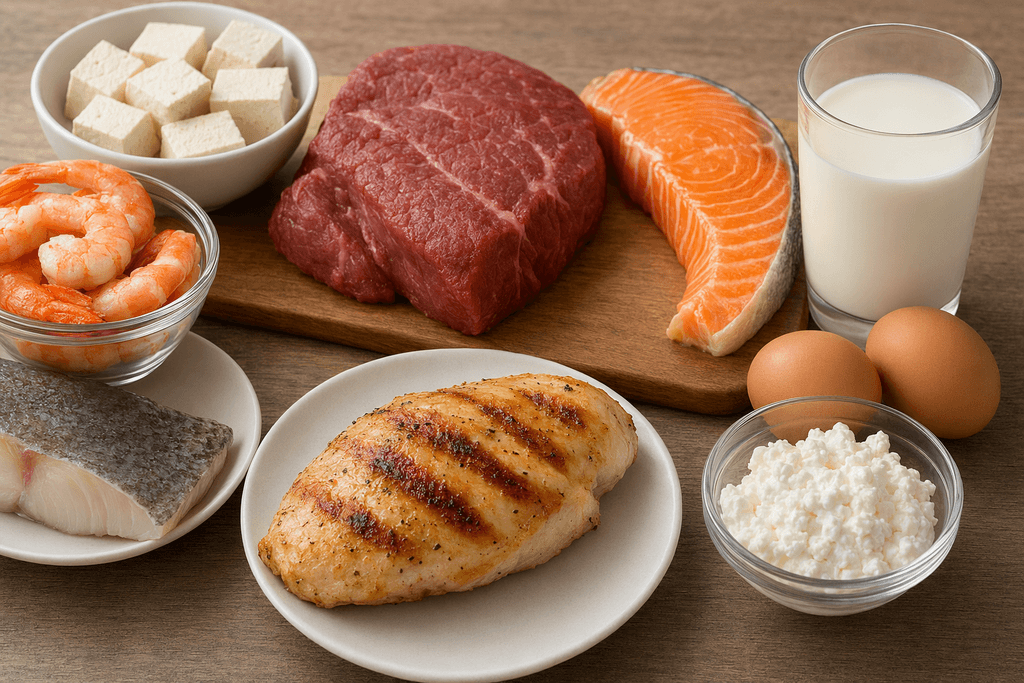
蛋白質
chất đạm
蛋白質
chất đạm
Explanation
蛋白質
chất đạm
蛋白質
protein / chất đạm
Để duy trì sức mạnh cơ bắp, thay vì hạn chế carbohydrate một cách cực đoan, việc quản lý tổng lượng calo đồng thời nạp đủ protein một cách hợp lý là điều hợp lý hơn.
( Base form )
( romanization )
( hiragana )
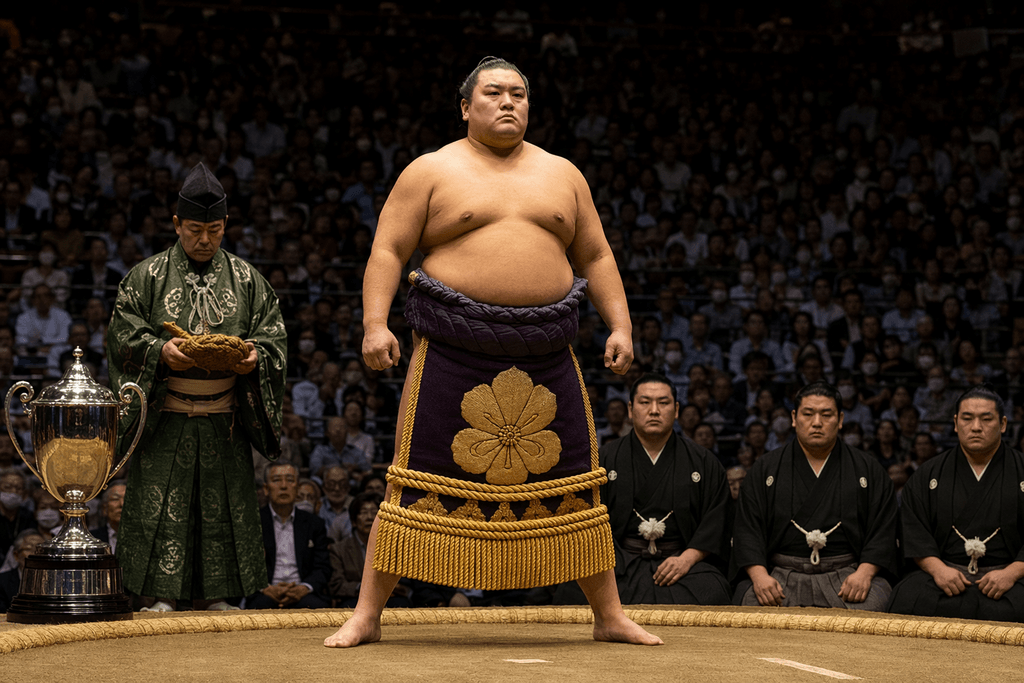
横綱
võ sĩ sumo hạng cao nhất
横綱
võ sĩ sumo hạng cao nhất
Explanation
横綱
võ sĩ sumo hạng cao nhất
横綱
cấp bậc cao nhất trong đấu vật sumo / võ sĩ sumo hạng cao nhất / người giữ danh hiệu yokozuna
( Base form )
( romanization )
( hiragana )
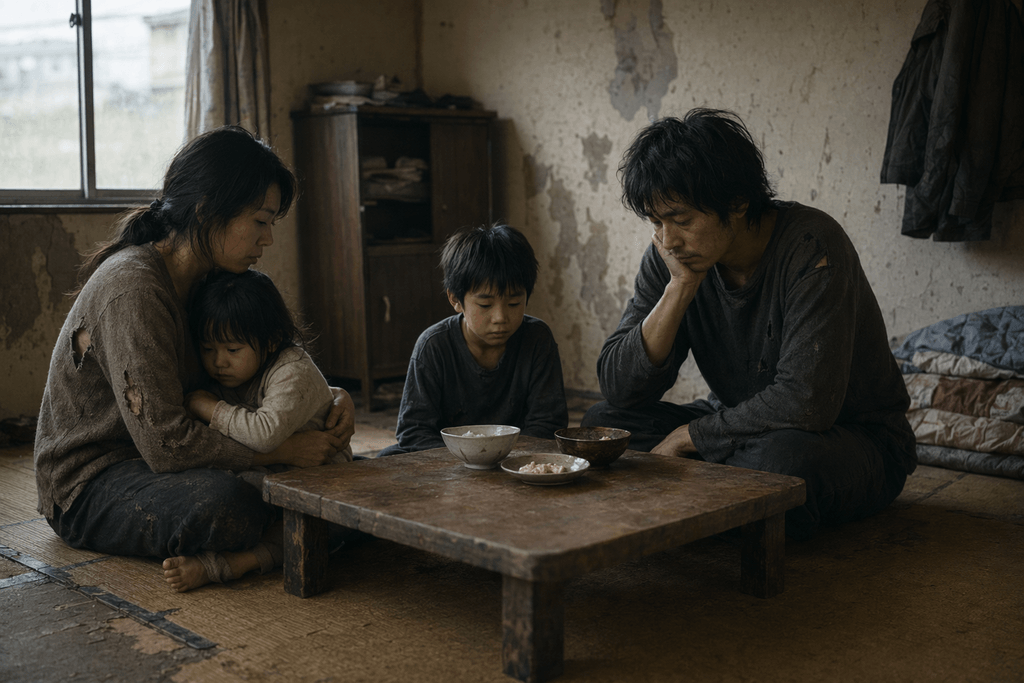
貧乏
sự nghèo túng
貧乏
sự nghèo túng
Explanation
貧乏
sự nghèo túng
貧乏
sự nghèo khó / cảnh túng thiếu / bần cùng
Những luận điệu thu hẹp nghèo đói thành trách nhiệm tự thân của mỗi cá nhân có nguy cơ khiến các bất bình đẳng mang tính cấu trúc trở nên vô hình và đẩy xa bàn tay hỗ trợ.
( Base form )
( romanization )
( hiragana )
( table-tags )
( inflection-template )
( imperfective stem )
( imperfective stem )
( imperfective )
( continuative stem )
( continuative stem )
( continuative )
( stem terminative )
( stem terminative )
( terminative )
( attributive stem )
( attributive stem )
( attributive )
( hypothetical stem )
( hypothetical stem )
( hypothetical )
( Imperative literary stem )
( colloquial Imperative stem )
( Imperative literary stem )
( colloquial Imperative stem )
( Imperative literary )
( colloquial Imperative )
( Passive voice )
( Passive voice )
( Passive voice )
( causative )
( causative )
( causative )
( causative )
( causative )
( causative )
( potential )
( potential )
( potential )
( volitional )
( volitional )
( volitional )
( negative )
( negative )
( negative )
( continuative negative )
( continuative negative )
( continuative negative )
( formal )
( formal )
( formal )
( perfective )
( perfective )
( perfective )
( conjunctive )
( conjunctive )
( conjunctive )
( Conditional hypothetical )
( Conditional hypothetical )
( Conditional hypothetical )
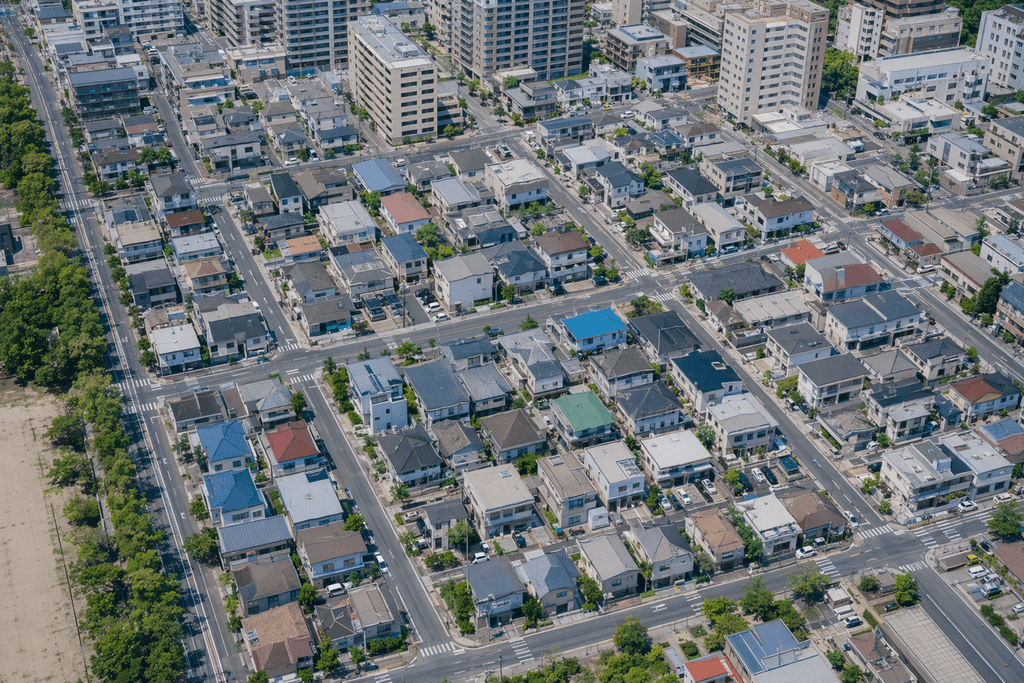
丁目
khu phố
丁目
khu phố
Explanation
丁目
khu phố
丁目
khu phố đánh số (đơn vị nhỏ trong thành phố) / tiểu khu trong địa chỉ, cỡ một khối nhà
( Base form )
( romanization )
( romanization )
( hiragana historical )
( hiragana )
煌々と
sáng rực
煌々と
sáng rực
Explanation
煌々と
sáng rực
煌々と
sáng rực / chói lóa / rực rỡ
Bất chấp giờ muộn, cửa sổ của tòa nhà quốc hội vẫn được chiếu sáng rực rỡ, cho thấy các cuộc đàm phán căng thẳng về cuộc bỏ phiếu vào sáng hôm sau vẫn đang tiếp tục.

廃止
sự bãi bỏ
廃止
sự bãi bỏ
Explanation
廃止
sự bãi bỏ
廃止
sự bãi bỏ (luật, chế độ) / sự hủy bỏ, đình chỉ (quy định, dịch vụ) / sự giải thể, loại bỏ (cơ cấu, tổ chức)

( Base form )
( romanization )
( kyūjitai )
( hiragana )
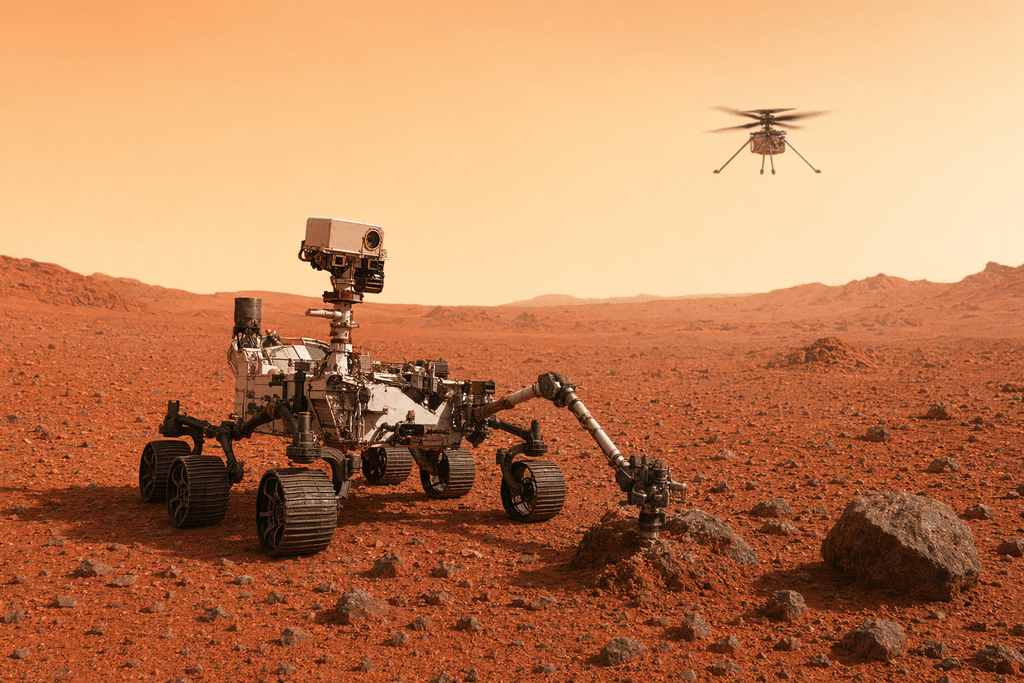
火星
sao Hỏa
火星
sao Hỏa
Explanation
火星
sao Hỏa
火星
Sao Hỏa / Hỏa Tinh
Khi những thành quả của thám hiểm Sao Hỏa ngày càng được tích lũy, các cuộc tranh luận xoay quanh dấu vết sự sống cũng ngày càng trở nên tinh vi hơn.
( Base form )
( romanization )
( romanization )
( hiragana historical )
( hiragana )
荒っぽい
thô bạo
荒っぽい
thô bạo
Explanation
荒っぽい
thô bạo
荒っぽい
thô lỗ, cộc cằn / thô bạo, hung hăng / thô sơ, thiếu tinh tế

Word Forms
The basic and commonly used forms of this adjective.
Basic forms
| Form | Word form | Usage |
|---|---|---|
| Imperfective form (mizenkei) | Used in forms such as karou; mainly literary. | |
| Continuative form (renyokei) |
Alternative:
荒っぽかっ
|
Used in forms such as kute and kunai. |
| Conclusive form (shushikei) | Ends a sentence. | |
| Attributive form (rentaikei) | Modifies a noun. | |
| Conditional form (kateikei) | Expresses a condition with kereba. | |
| Imperative form (meireikei) | Rarely used in modern Japanese. |
Common forms
Loading...

JLPT N1 多言語単語帳・3032語 / JLPT N1 Multilingual Vocabulary: 3032 Words

Jonathan Waller 氏の JLPT Resources の語彙リスト・レベル分類を出典とし、CC BY の条件に従って DiQt が学習者向けに意味を作り直した3032語の単語帳です。JLPT公式の語彙リストではありません。
This collection of 3032 words is based on the vocabulary list and level classifications in Jonathan Waller’s JLPT Resources under CC BY, with meanings rewritten by DiQt for learners. It is not an official JLPT vocabulary list.
Key Operations
Select the first quiz:
Ctrl + Enter
View Explanation:Ctrl + G
Close a feedback:Esc
When selecting a quiz
Answer:Enter
Select a choice:↓ or ↑
Reading out the question:Ctrl + K
View Hint: Ctrl + M
I don't know: Ctrl + Y



