
JLPT N1: Trắc nghiệm nghĩa từ - Unsolved

Học nghĩa tiếng Việt của 3032 từ JLPT N1 qua các câu hỏi có bốn lựa chọn.
-
sai sót
-
nhiệm vụ / vấn đề
-
bối cảnh
-
mơ hồ
-
quốc tế
-
cứng rắn
-
tình cờ gặp
-
mắc sai lầm
-
trông nổi bật
-
gửi đến cho mình
-
cảm thấy hổ thẹn
-
bị tổn thương
-
thông tin
-
vùng ngoại ô
-
nữ phục vụ
-
đến nơi / quần áo
-
ngành khai khoáng
-
xe thể thao
-
phần lớn / có lẽ
-
tài chính công
-
đầm lầy
-
thái độ nghiêm túc
-
sự diễu hành
-
giọng điệu / sắc độ
-
lệ thường
-
đình công
-
bục
-
hoàn toàn không
-
khó khăn lắm mới
-
chậm rãi kỹ lưỡng
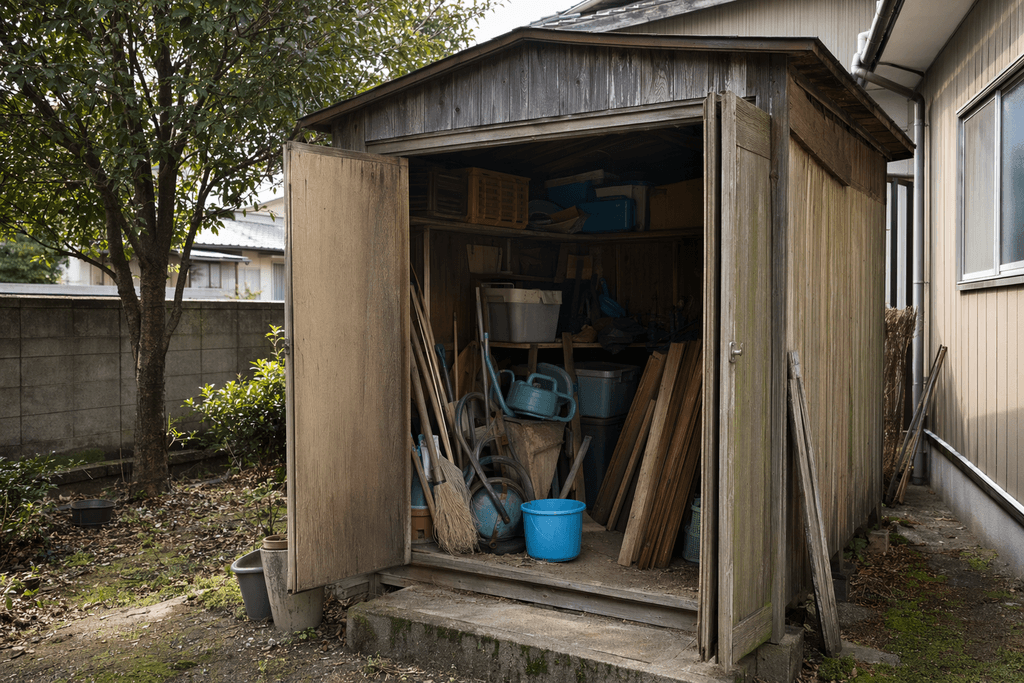
物置き
phòng chứa đồ
物置き
phòng chứa đồ
Explanation
物置き
phòng chứa đồ
物置き
nhà kho / phòng chứa đồ / chỗ cất đồ
Khi nhật ký mà ông tôi đã giữ trong chiến tranh được tìm thấy trong nhà kho đã bị bỏ hoang trong nhiều năm, ký ức của gia đình bất ngờ được đưa ra ánh sáng.
( Base form )
( romanization )
盛大
long trọng
盛大
long trọng
Explanation
盛大
long trọng
盛大
hoành tráng / long trọng / tráng lệ

Word Forms
The basic and commonly used forms of this adjectival noun.
Basic forms
| Form | Word form | Usage |
|---|---|---|
| Imperfective form (mizenkei) | Used in forms such as darou. | |
| Continuative form (renyokei) |
Alternative:
盛大に
|
Used with de or ni. |
| Conclusive form (shushikei) | Ends a sentence with da. | |
| Attributive form (rentaikei) | Modifies a noun with na. | |
| Conditional form (kateikei) | Expresses a condition with nara. | |
| Imperative form (meireikei) | Used in formal expressions such as de are. |
Common forms
仕掛ける
giăng bẫy / khởi xướng
仕掛ける
giăng bẫy / khởi xướng
Explanation
仕掛ける
giăng bẫy / khởi xướng
仕掛ける
bắt đầu, khởi xướng / gài đặt/bố trí (bẫy, thuốc nổ) / khiêu chiến, gây sự; phát động (chiến tranh)

Word Forms
The basic and commonly used forms of this verb.
Basic forms
| Form | Word form | Usage |
|---|---|---|
| Imperfective form (mizenkei) | Connects to endings such as nai, reru, and seru. | |
| Continuative form (renyokei) | Connects to endings such as masu, tai, and ta. | |
| Conclusive form (shushikei) | Ends a sentence and serves as the dictionary form. | |
| Attributive form (rentaikei) | Modifies a noun. | |
| Conditional form (kateikei) | Combines with ba to express a condition. | |
| Imperative form (meireikei) |
Alternative:
仕掛けよ
|
Expresses a command or instruction. |
Common forms
固める
làm cứng / củng cố
固める
làm cứng / củng cố
Explanation
固める
làm cứng / củng cố
固める
làm cứng, làm đông kết / củng cố, tăng cường, gia cố / ổn định cuộc sống, yên bề gia thất

Word Forms
The basic and commonly used forms of this verb.
Basic forms
| Form | Word form | Usage |
|---|---|---|
| Imperfective form (mizenkei) | Connects to endings such as nai, reru, and seru. | |
| Continuative form (renyokei) | Connects to endings such as masu, tai, and ta. | |
| Conclusive form (shushikei) | Ends a sentence and serves as the dictionary form. | |
| Attributive form (rentaikei) | Modifies a noun. | |
| Conditional form (kateikei) | Combines with ba to express a condition. | |
| Imperative form (meireikei) |
Alternative:
固めよ
|
Expresses a command or instruction. |
Common forms
平常
trạng thái bình thường
平常
trạng thái bình thường
Explanation
平常
trạng thái bình thường
平常
bình thường, thông thường / như thường lệ / không khẩn cấp

( Base form )
( romanization )
( romanization )
( adnominal )
( adverbial )
( hiragana historical )
( hiragana )
( table-tags )
( inflection-template )
( imperfective stem )
( imperfective stem )
( imperfective )
( continuative stem )
( continuative stem )
( continuative )
( stem terminative )
( stem terminative )
( terminative )
( attributive stem )
( attributive stem )
( attributive )
( hypothetical stem )
( hypothetical stem )
( hypothetical )
( Imperative stem )
( Imperative stem )
( Imperative )
( informal negative )
( informal negative )
( informal negative )
( informal negative )
( informal negative )
( informal negative )
( informal Past )
( informal Past )
( informal Past )
( informal negative Past )
( informal negative Past )
( informal negative Past )
( informal negative Past )
( informal negative Past )
( informal negative Past )
( formal )
( formal )
( formal )
( formal negative )
( formal negative )
( formal negative )
( formal negative )
( formal negative )
( formal negative )
( formal Past )
( formal Past )
( formal Past )
( formal negative Past )
( formal negative Past )
( formal negative Past )
( formal negative Past )
( formal negative Past )
( formal negative Past )
( conjunctive )
( conjunctive )
( conjunctive )
( Conditional )
( Conditional )
( Conditional )
( Conditional Past )
( Conditional Past )
( Conditional Past )
( volitional )
( volitional )
( volitional )
( adverbial )
( adverbial )
( adverbial )
( noun-from-adj )
( noun-from-adj )
( noun-from-adj )
航海
chuyến hải hành
航海
chuyến hải hành
Explanation
航海
chuyến hải hành
航海
sự hành hải (đi lại trên biển bằng tàu thuyền) / chuyến đi biển / hải trình

( Base form )
( romanization )
( hiragana )
世帯
hộ gia đình
世帯
hộ gia đình
Explanation
世帯
hộ gia đình
世帯
hộ gia đình / gia đình (đơn vị sinh hoạt/kinh tế) / số hộ (trong thống kê)

( Base form )
( romanization )
( hiragana historical )
( hiragana )
当て字
chữ Hán mượn âm
当て字
chữ Hán mượn âm
Explanation
当て字
chữ Hán mượn âm
当て字
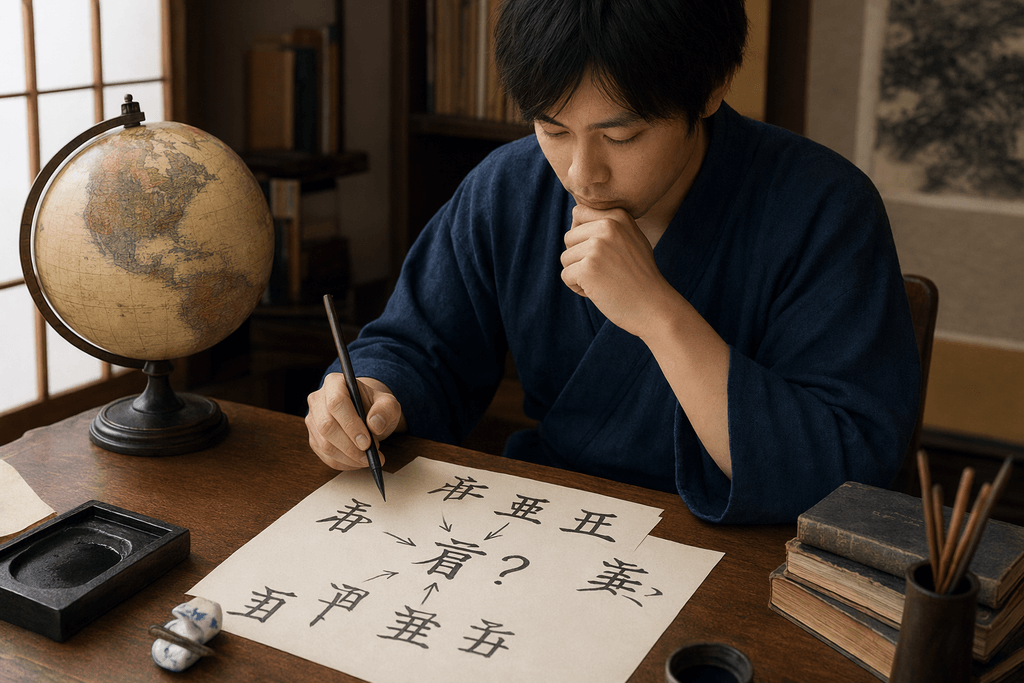
Cách dùng chữ Hán (kanji) mượn âm hoặc mượn nghĩa để viết từ tiếng Nhật hay ngoại lai. / Chữ Hán được dùng theo kiểu mượn âm/ý để biểu thị một từ.
Đọc kỹ các tiểu thuyết được dịch từ thời Minh Trị cho thấy các ký tự kanji được chọn cho âm thanh hoặc ý nghĩa liên quan của chúng đã giúp người đọc hiểu các từ nước ngoài khi chúng được áp dụng, đồng thời mời gọi những hiểu lầm.
( Base form )
( kyūjitai )
( hiragana )
麻酔
gây mê
麻酔
gây mê
Explanation
麻酔
gây mê
麻酔
gây mê / gây tê / sự mất cảm giác (y khoa)

( Base form )
( romanization )
( kyūjitai )
( hiragana )
びっしょり
ướt đẫm
びっしょり
ướt đẫm
Explanation
ướt đẫm
びっしょり
ướt sũng / ướt đẫm / ướt nhẹp

( romanization )
Loading...

JLPT N1 多言語単語帳・3032語 / JLPT N1 Multilingual Vocabulary: 3032 Words

Jonathan Waller 氏の JLPT Resources の語彙リスト・レベル分類を出典とし、CC BY の条件に従って DiQt が学習者向けに意味を作り直した3032語の単語帳です。JLPT公式の語彙リストではありません。
This collection of 3032 words is based on the vocabulary list and level classifications in Jonathan Waller’s JLPT Resources under CC BY, with meanings rewritten by DiQt for learners. It is not an official JLPT vocabulary list.
Key Operations
Select the first quiz:
Ctrl + Enter
View Explanation:Ctrl + G
Close a feedback:Esc
When selecting a quiz
Answer:Enter
Select a choice:↓ or ↑
Reading out the question:Ctrl + K
View Hint: Ctrl + M
I don't know: Ctrl + Y



