
JLPT N1 ဝေါဟာရအဓိပ္ပာယ် လေ့ကျင့်ခန်း - Unsolved

JLPT N1 စကားလုံး 3032 လုံး၏ မြန်မာအဓိပ္ပာယ်ကို အဖြေရွေးချယ်စရာ လေးခုပါသော မေးခွန်းများဖြင့် လေ့လာပါ။
-
အပြီးသတ်သတ်မှတ်မှု
-
မရေရာမှု
-
တွန်းကန်အား / တိုးတက်အောင်အားပေးမှု
-
မသိလိုက်မီ
-
စိတ်ပျက်လက်ပျက် / သိသိသာသာကျဆင်းလျက်
-
ဖြစ်နိုင်ဖွယ်ရှိ
-
ဖွဲ့စည်းပုံ / အလုပ်လုပ်ပုံ
-
လက်ဝယ်ရှိမှု
-
နားလည်သဘောပေါက်မှု
-
ထိုးနှက်ချက် / ဘောလုံးရိုက်ခြင်း
-
ရန်ပုံငွေ
-
အင်ဂျင်နီယာပညာ
-
ရင်နာစေသော
-
ထပ်တလဲလဲဖြစ်သော / အရသာအီလွန်းသော
-
အနေခက်ရှက်သော
-
အဝတ်အနား / တောင်ခြေ
-
ကျွမ်းကျင်သွက်လက်မှု
-
မြင့်မြတ်တင့်တယ်မှု
-
ဆက်စပ်နေသည်
-
တားမြစ်သည် / ချုပ်တည်းသည်
-
နယ်သည် / အစီအစဉ်ကိုအသေးစိတ်စဉ်းစားသည်
- 表記は「籠る」のほか「篭る」も用いられる。
- 五段活用ラ行。未然形は「籠ら」を基本とし、意志形につながる「籠ろ」も異形として示した。
-
နှစ်လိုဖွယ်သော
-
မသမာသော / အရောင်စူးရှသော
-
ခမ်းနားတောက်ပသော
-
သာလွန်သည်
-
စာမေးပွဲအောင်သည်
-
တာဝန်ကိုထမ်းဆောင်နိုင်သည်
-
ထင်ရှားလှပသည်
-
ခေါ်ဆိုသည် / အမည်ခံသည်
-
မျက်နှာမူသည်
- 「浚う」「渫う」は五段活用。未然形は否定接続の「さらわ」と、意志形に現れる「さらお」がある。
ほっぺた
ပါး
ほっぺた
ပါး
Explanation
ပါး
ほっぺた
ပါး (မျက်နှာရဲ့ အစိတ်အပိုင်း) / ပါးဒေသ

( romanization )
何も
ဘာမျှမရှိ
何も
ဘာမျှမရှိ
Explanation
何も
ဘာမျှမရှိ
何も
ဘာမှ (အနုတ်ဝါကျတွင်) / တစ်ခုခုမှ မ / လုံးဝ မ
သူသည် အစည်းအဝေးတွင် ထိုမျှလောက် ပြင်းထန်စွာ ပြစ်တင်ရှုတ်ချခံရသော်လည်း အကြောင်းပြချက်တစ်စုံတစ်ရာကိုပင် မရှင်းလင်းမပြောဆိုခဲ့သည်မှာ၊ တိတ်ဆိတ်နေခြင်းသာလျှင် တစ်ခုတည်းသော ကန့်ကွက်ဆန္ဒပြမှုဖြစ်သည်ဟု ယူဆထားခဲ့သောကြောင့်သာ ဖြစ်သည်။

( Base form )
( romanization )
中継
လက်ဆင့်ကမ်းခြင်း / တိုက်ရိုက်ထုတ်လွှင့်မှု
中継
လက်ဆင့်ကမ်းခြင်း / တိုက်ရိုက်ထုတ်လွှင့်မှု
Explanation
中継
လက်ဆင့်ကမ်းခြင်း / တိုက်ရိုက်ထုတ်လွှင့်မှု
中継
ချိတ်ဆက်၍ တိုက်ရိုက်ထုတ်လွှင့်ခြင်း / လမ်းကြားတွင် ဆက်ခံယူပြီး ဆက်လုပ်ခြင်း / ကြားခံနေရာဖြင့် ဆက်လက်ပို့ဆောင်ခြင်း
တင်းမာသည့် အခြေအနေ ဆက်လက်ဖြစ်ပေါ်နေစဉ်၊ အခင်းဖြစ်ပွားရာနေရာမှ တိုက်ရိုက်ထုတ်လွှင့်မှုမှတစ်ဆင့်သာ ရရှိနိုင်သော သတင်းအချက်အလက်များက ဆုံးဖြတ်ချက်ချမှတ်မှု၏ အရည်အသွေးကို အဆုံးအဖြတ်ပေးခဲ့သည်။

( Base form )
( romanization )
( kyūjitai )
( hiragana )
応募
လျှောက်ထားမှု
応募
လျှောက်ထားမှု
Explanation
応募
လျှောက်ထားမှု
応募
ခေါ်ယူမှု သို့မဟုတ် ကြော်ငြာအပေါ် တုံ့ပြန်သော လျှောက်ထားမှု / ပြိုင်ပွဲ၊ ကံစမ်းမဲ၊ ကမ်ပိန်းများသို့ ဝင်ရန် လျှောက်ထားမှု / ခေါ်ယူချက်အပေါ် ပြန်လည်ဖြေကြားဝင်ရောက်မှု

( Base form )
( romanization )
( kyūjitai )
( hiragana )
見苦しい
ကြည့်မကောင်းသော
見苦しい
ကြည့်မကောင်းသော
Explanation
見苦しい
ကြည့်မကောင်းသော
見苦しい
အရုပ်ဆိုး / မြင်မလှ / ကြည့်ရခက်

Word Forms
The basic and commonly used forms of this adjective.
Basic forms
| Form | Word form | Usage |
|---|---|---|
| Imperfective form (mizenkei) | Used in forms such as karou; mainly literary. | |
| Continuative form (renyokei) |
Alternative:
見苦しかっ
|
Used in forms such as kute and kunai. |
| Conclusive form (shushikei) | Ends a sentence. | |
| Attributive form (rentaikei) | Modifies a noun. | |
| Conditional form (kateikei) | Expresses a condition with kereba. | |
| Imperative form (meireikei) | Rarely used in modern Japanese. |
Common forms
予感
ကြိုတင်စိတ်ခံစားချက်
予感
ကြိုတင်စိတ်ခံစားချက်
Explanation
予感
ကြိုတင်စိတ်ခံစားချက်
予感
ကြိုတင်ခံစားချက် / ကြိုတင်သိမြင်မှု / မကောင်းမယ်လို့ စိုးရိမ်ခံစားခြင်း
သူ့ရဲ့ထူးဆန်းစွာ တည်ငြိမ်တဲ့လေသံကနေ ညှိနှိုင်းဆွေးနွေးမှုတွေ ပြိုလဲတော့မယ်ဆိုတဲ့ နိမိတ်မကောင်းတဲ့အတွေးအခေါ်ကို ကျွန်တော်မဖျောက်ဖျက်နိုင်ခဲ့ဘူး။

( Base form )
( romanization )
( hiragana )
籠る
အိမ်တွင်းပုန်းနေသည် / လေမဝင်ဘဲအိုက်သည်
籠る
အိမ်တွင်းပုန်းနေသည် / လေမဝင်ဘဲအိုက်သည်
Explanation
籠る
အိမ်တွင်းပုန်းနေသည် / လေမဝင်ဘဲအိုက်သည်
籠る
(နေရာတစ်ခုအတွင်း) ကိုယ်တိုင်ပိတ်လှောင်/အထီးကျန်နေသည် / (အပူ၊လေ၊အသံ စသည်) အတွင်းမှာပိတ်မိ၍ စုပေါင်းနေသည် / (လေထု) မအေးမပူ ပိတ်ကျပ်၍ အလေအလွင့်မရှိဘဲ နေရသည်
လောက၏ ဆူညံပွက်လောရိုက်မှုများကို ရှောင်ရှား၍ စာကြည့်ခန်းထဲတွင် ခိုအောင်းနေစဉ်၊ သူ၏ အတွေးအခေါ်များသည် ပို၍ပို၍ ကိုယ့်အတွင်းကို ပြန်လည်ဆင်ခြင်သုံးသပ်သည့် သဘောဖြစ်လာခဲ့သည်။

Word Forms
The basic and commonly used forms of this verb.
Basic forms
| Form | Word form | Usage |
|---|---|---|
| Imperfective form (mizenkei) |
Alternative:
篭ら
こもら
籠ろ
篭ろ
こもろ
|
Connects to endings such as nai, reru, and seru. |
| Continuative form (renyokei) |
Alternative:
篭り
こもり
|
Connects to endings such as masu, tai, and ta. |
| Conclusive form (shushikei) |
Alternative:
篭る
こもる
|
Ends a sentence and serves as the dictionary form. |
| Attributive form (rentaikei) |
Alternative:
篭る
こもる
|
Modifies a noun. |
| Conditional form (kateikei) |
Alternative:
篭れ
こもれ
|
Combines with ba to express a condition. |
| Imperative form (meireikei) |
Alternative:
篭れ
こもれ
|
Expresses a command or instruction. |
Common forms
| Form | Word form | Usage |
|---|---|---|
| Te-form |
Alternative:
篭って
こもって
|
Connects clauses with te. |
| Ta-form |
Alternative:
篭った
こもった
|
Expresses the past with ta. |
| Nai-form |
Alternative:
篭らない
こもらない
|
Expresses negation with nai. |
| Masu-form |
Alternative:
篭ります
こもります
|
Used for polite speech. |
| Ba-form |
Alternative:
篭れば
こもれば
|
Expresses a condition with ba. |
| Volitional form |
Alternative:
篭ろう
こもろう
|
Expresses intention or invitation. |
Notes
めざましい
အံ့မခန်းသော
めざましい
အံ့မခန်းသော
Explanation
အံ့မခန်းသော
めざましい
အံ့သြဖွယ်ကောင်းသော / ထင်ရှားလက်ခတ်သော / အလွန်ကောင်းမွန်သော
တိုတောင်းတဲ့ကာလအတွင်း သူအောင်မြင်စွာ လုပ်ဆောင်နိုင်ခဲ့တဲ့ ရလဒ်တွေက ထင်ရှားလောက်အောင် အံ့ဩဖွယ် ဖြစ်ပေမယ့်၊ အဲဒီနောက်ကွယ်မှာ လူမသိသူမသိ အားထုတ်မှုနဲ့ စမ်းသပ်ပြီး အမှားပြင်တဲ့ ကြိုးစားမှုတွေကို တဖြည်းဖြည်း စုဆောင်းထားတာ ရှိနေတယ်။

Word Forms
The basic and commonly used forms of this adjective.
Basic forms
| Form | Word form | Usage |
|---|---|---|
| Imperfective form (mizenkei) | Used in forms such as karou; mainly literary. | |
| Continuative form (renyokei) |
Alternative:
めざましかっ
|
Used in forms such as kute and kunai. |
| Conclusive form (shushikei) | Ends a sentence. | |
| Attributive form (rentaikei) | Modifies a noun. | |
| Conditional form (kateikei) | Expresses a condition with kereba. | |
| Imperative form (meireikei) | Rarely used in modern Japanese. |
Common forms
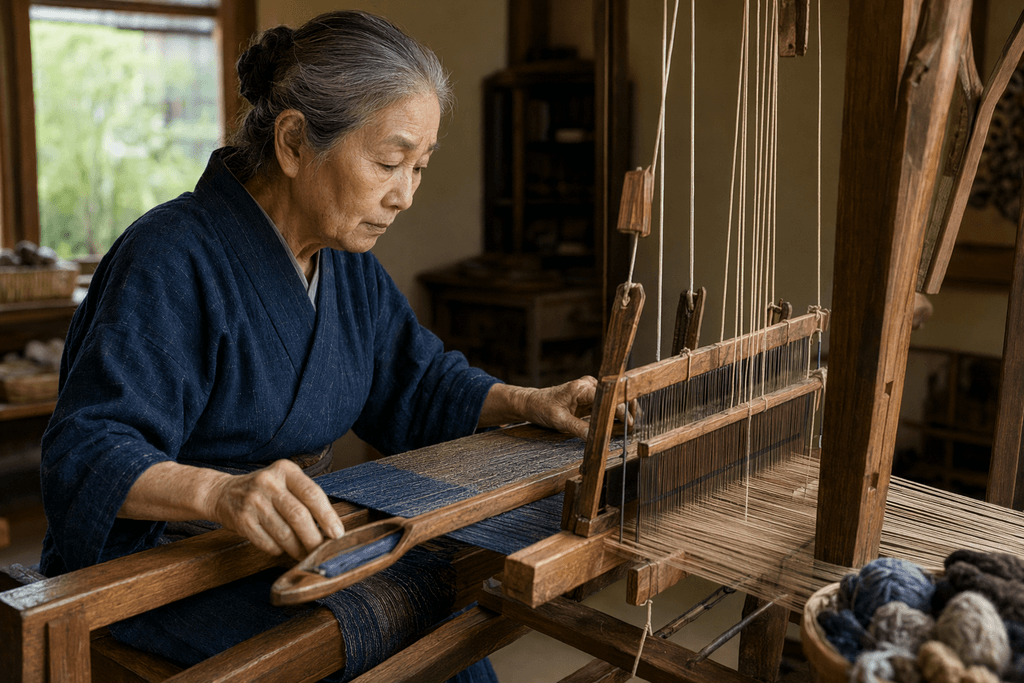
織る
ရက်လုပ်သည်
織る
ရက်လုပ်သည်
Explanation
織る
ရက်လုပ်သည်
織る
အထည်ယက်သည် / ချည်များကို ယက်၍ အထည်လုပ်သည်
Word Forms
The basic and commonly used forms of this verb.
Basic forms
| Form | Word form | Usage |
|---|---|---|
| Imperfective form (mizenkei) |
Alternative:
織ろ
|
Connects to endings such as nai, reru, and seru. |
| Continuative form (renyokei) | Connects to endings such as masu, tai, and ta. | |
| Conclusive form (shushikei) | Ends a sentence and serves as the dictionary form. | |
| Attributive form (rentaikei) | Modifies a noun. | |
| Conditional form (kateikei) | Combines with ba to express a condition. | |
| Imperative form (meireikei) | Expresses a command or instruction. |
Common forms
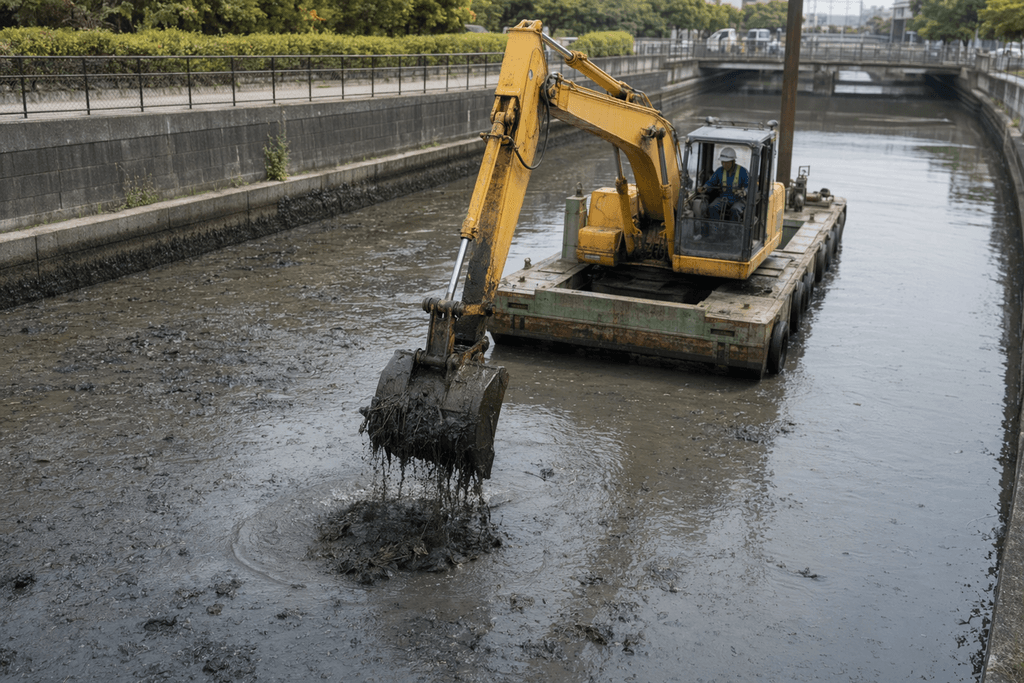
さらう
သယ်ဆောင်သွားသည် / ပြန်ပေးဆွဲသည်
さらう
သယ်ဆောင်သွားသည် / ပြန်ပေးဆွဲသည်
Explanation
သယ်ဆောင်သွားသည် / ပြန်ပေးဆွဲသည်
さらう
ဖယ်ထုတ်၍ သန့်စင်သည် / အပြီးအပိုင် ဖယ်ရှားပစ်သည် / လုံးဝ သန့်ရှင်းစင်ကြယ်လုပ်သည်
ဟောင်းနွမ်းပျက်စီးနေသော တူးမြောင်းတွင် မြေမှုန်နှင့် သဲနုန်းများ စုပုံလာပြီး ရေစီးဆင်းမှု မကောင်းတော့သဖြင့် ဒေသန္တရအုပ်ချုပ်ရေးအဖွဲ့က အထူးကျွမ်းကျင်သော လုပ်ငန်းကုမ္ပဏီကို အပ်နှံ၍ တူးမြောင်းအောက်ခြေကို ပုံမှန် ဆယ်ယူရှင်းလင်းရန် ဆုံးဖြတ်ခဲ့သည်။
Word Forms
The basic and commonly used forms of this verb.
Basic forms
| Form | Word form | Usage |
|---|---|---|
| Imperfective form (mizenkei) |
Alternative:
さらお
|
Connects to endings such as nai, reru, and seru. |
| Continuative form (renyokei) | Connects to endings such as masu, tai, and ta. | |
| Conclusive form (shushikei) | Ends a sentence and serves as the dictionary form. | |
| Attributive form (rentaikei) | Modifies a noun. | |
| Conditional form (kateikei) | Combines with ba to express a condition. | |
| Imperative form (meireikei) | Expresses a command or instruction. |
Common forms
| Form | Word form | Usage |
|---|---|---|
| Te-form | Connects clauses with te. | |
| Ta-form | Expresses the past with ta. | |
| Nai-form | Expresses negation with nai. | |
| Masu-form | Used for polite speech. | |
| Ba-form | Expresses a condition with ba. | |
| Volitional form | Expresses intention or invitation. |
Notes
Loading...

JLPT N1 多言語単語帳・3032語 / JLPT N1 Multilingual Vocabulary: 3032 Words

Jonathan Waller 氏の JLPT Resources の語彙リスト・レベル分類を出典とし、CC BY の条件に従って DiQt が学習者向けに意味を作り直した3032語の単語帳です。JLPT公式の語彙リストではありません。
This collection of 3032 words is based on the vocabulary list and level classifications in Jonathan Waller’s JLPT Resources under CC BY, with meanings rewritten by DiQt for learners. It is not an official JLPT vocabulary list.
Key Operations
Select the first quiz:
Ctrl + Enter
View Explanation:Ctrl + G
Close a feedback:Esc
When selecting a quiz
Answer:Enter
Select a choice:↓ or ↑
Reading out the question:Ctrl + K
View Hint: Ctrl + M
I don't know: Ctrl + Y



