
JLPT N1 ဝေါဟာရအဓိပ္ပာယ် လေ့ကျင့်ခန်း - Unsolved

JLPT N1 စကားလုံး 3032 လုံး၏ မြန်မာအဓိပ္ပာယ်ကို အဖြေရွေးချယ်စရာ လေးခုပါသော မေးခွန်းများဖြင့် လေ့လာပါ။
-
ပထမဆုံးရထား
-
ဟန်ဆောင်မှု
-
ဥပဒေပြဋ္ဌာန်းမှု
-
ပေါင်းစပ်သည် / ကိုက်ညီအောင်လုပ်သည်
-
တရားဝင်တောင်းဆိုသည်
-
လျင်မြန်စွာပြေးသည်
- 「準じる」ともいう。
- ザ行変格活用として扱った。未然形「準ぜ」、命令形「準ぜよ」、意志形「準ぜん」は文語的・硬い表現。
-
လက်ထပ်ခါစအခြေအနေ
-
လေစီးကြောင်း
-
ပင်မအဆောက်အအုံ
-
ဝေးသောအရပ်
-
လက်နှိပ်စက်စာရေး
-
အဖွဲ့တည်ထောင်မှု
-
မပူမအေးသော / စိတ်မပါသော
-
ပြားသော / နားလည်လွယ်သော
-
တောင့်တင်းသန်မာသော
- 口語的・やや古風なイ形容詞。
-
စတင်ရောင်းသည် / နာမည်တက်အောင်လုပ်သည်
-
မနာလိုဖြစ်သည်
-
ညည်းညူသည် / မာန်ဖီသည်
-
မြောက်မြားစွာသော
-
အိမ်ကြီးအိမ်ကောင်း
-
အသက်ခြောက်ဆယ်ပြည့်မွေးနေ့
-
နားထောင်နားလည်မှု
-
ရင်တွင်းခံစားချက်
-
ကာဗွန်
- 入力見出し「すれ違い」は動詞「すれ違う」の連用形として扱った。
-
သရုပ်ဖော်မှု
-
ပုလဲ
-
ကံကြမ္မာ
-
ကန့်ကွက်ချက်
-
အကူကြိယာ
-
ဇာတ်ညွှန်း
フロント
ဧည့်ကြိုကောင်တာ / အရှေ့ဘက်
フロント
ဧည့်ကြိုကောင်တာ / အရှေ့ဘက်
Explanation
ဧည့်ကြိုကောင်တာ / အရှေ့ဘက်
フロント
လက်ခံကောင်တာ / ရှေ့ဘက်
ဧည့်သည်များထံမှ တိုင်ကြားချက်များ ဆက်လက်ဝင်လာသောကြောင့် မန်နေဂျာသည် ဧည့်ကြို၏တုံ့ပြန်မှုလုပ်ထုံးလုပ်နည်းများကို အခြေခံအားဖြင့် ပြန်လည်သုံးသပ်ရုံမှလွဲ၍ ရွေးချယ်စရာမရှိခဲ့ချေ။

( romanization )
準ずる
အညီလိုက်နာသည်
準ずる
အညီလိုက်နာသည်
Explanation
準ずる
အညီလိုက်နာသည်
準ずる
ကိုက်ညီသည် / အချိုးအစားအညီ ဖြစ်သည် / စံသတ်မှတ်ချက်အညီ လိုက်သည်

Word Forms
The basic and commonly used forms of this verb.
Basic forms
| Form | Word form | Usage |
|---|---|---|
| Imperfective form (mizenkei) |
Alternative:
準ぜ
|
Connects to endings such as nai, reru, and seru. |
| Continuative form (renyokei) | Connects to endings such as masu, tai, and ta. | |
| Conclusive form (shushikei) | Ends a sentence and serves as the dictionary form. | |
| Attributive form (rentaikei) | Modifies a noun. | |
| Conditional form (kateikei) | Combines with ba to express a condition. | |
| Imperative form (meireikei) |
Alternative:
準じよ
準ぜよ
|
Expresses a command or instruction. |
Common forms
| Form | Word form | Usage |
|---|---|---|
| Te-form | Connects clauses with te. | |
| Ta-form | Expresses the past with ta. | |
| Nai-form |
Alternative:
準ぜない
|
Expresses negation with nai. |
| Masu-form | Used for polite speech. | |
| Ba-form | Expresses a condition with ba. | |
| Volitional form |
Alternative:
準ぜん
|
Expresses intention or invitation. |
Notes
方式
နည်းစနစ်
方式
နည်းစနစ်
Explanation
方式
နည်းစနစ်
方式
နည်းလမ်း / စနစ် / ပုံစံ

( Base form )
( romanization )
( hiragana )
類
အမျိုးအစား
類
အမျိုးအစား
Explanation
類
အမျိုးအစား
類
အမျိုးအစား၊ အမျိုးအလား၊ အတန်းအစား / တူညီသမျှ သို့မဟုတ် ဆင်တူသမျှ အရာ / ဇီဝဗေဒတွင် အတန်း; ယုတ္တိဗေဒတွင် မျိုး (genus)
လူသားတွေက မသိမမြင်သေးတဲ့အရာတစ်ခုကို ကြုံတွေ့လာတဲ့အခါ အတိတ်က အတွေ့အကြုံတွေနဲ့ နှိုင်းယှဉ်ပြီး အဲဒါကို တစ်မျိုးမဟုတ် တစ်မျိုး အမျိုးအစားခွဲကာ သဘောပေါက်ပြီးသားလို့ ထင်မြင်ဖို့ လွယ်တတ်တယ်။

( romanization )
( hiragana )
おっかない
ကြောက်စရာကောင်းသော
おっかない
ကြောက်စရာကောင်းသော
Explanation
ကြောက်စရာကောင်းသော
おっかない
ကြောက်စရာကောင်းသော / ကြောက်မက်ဖွယ် / အလွန်ကြောက်စရာ
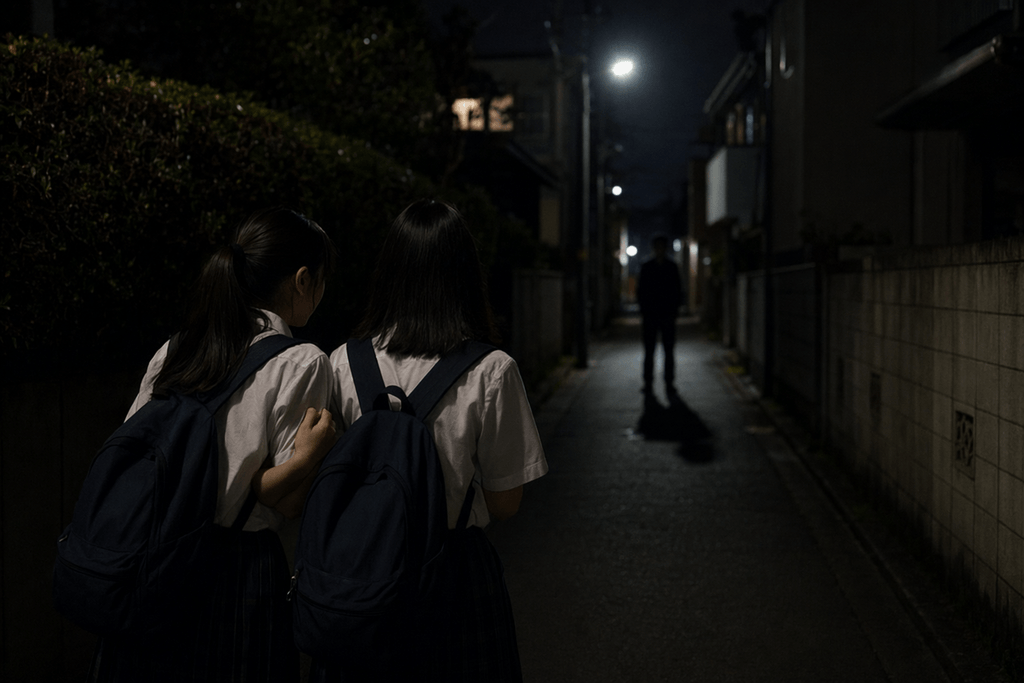
ထိုအိမ်ကြီးသည် နေ့အချိန်၌ပင် မှောင်မိုက်နေပြီး အိမ်နီးချင်းအကြီးအကဲများက ၎င်းသည် ကြာမြင့်စွာကတည်းက ကြောက်မက်ဖွယ်ရာနေရာဖြစ်ခဲ့သည်ဟု တညီတညွတ်တည်း ပြောကြသောကြောင့် အထဲသို့ဝင်ရန် တွန့်ဆုတ်မနေနိုင်ပေ။
Word Forms
The basic and commonly used forms of this adjective.
Basic forms
| Form | Word form | Usage |
|---|---|---|
| Imperfective form (mizenkei) | Used in forms such as karou; mainly literary. | |
| Continuative form (renyokei) |
Alternative:
おっかなかっ
|
Used in forms such as kute and kunai. |
| Conclusive form (shushikei) | Ends a sentence. | |
| Attributive form (rentaikei) | Modifies a noun. | |
| Conditional form (kateikei) | Expresses a condition with kereba. | |
| Imperative form (meireikei) | Rarely used in modern Japanese. |
Common forms
| Form | Word form | Usage |
|---|---|---|
| Te-form | Connects clauses with kute. | |
| Ta-form | Expresses the past with katta. | |
| Nai-form | Expresses negation with kunai. | |
| Ba-form | Expresses a condition with kereba. |
Notes
赤らむ
မျက်နှာနီမြန်းသည်
赤らむ
မျက်နှာနီမြန်းသည်
Explanation
赤らむ
မျက်နှာနီမြန်းသည်
赤らむ
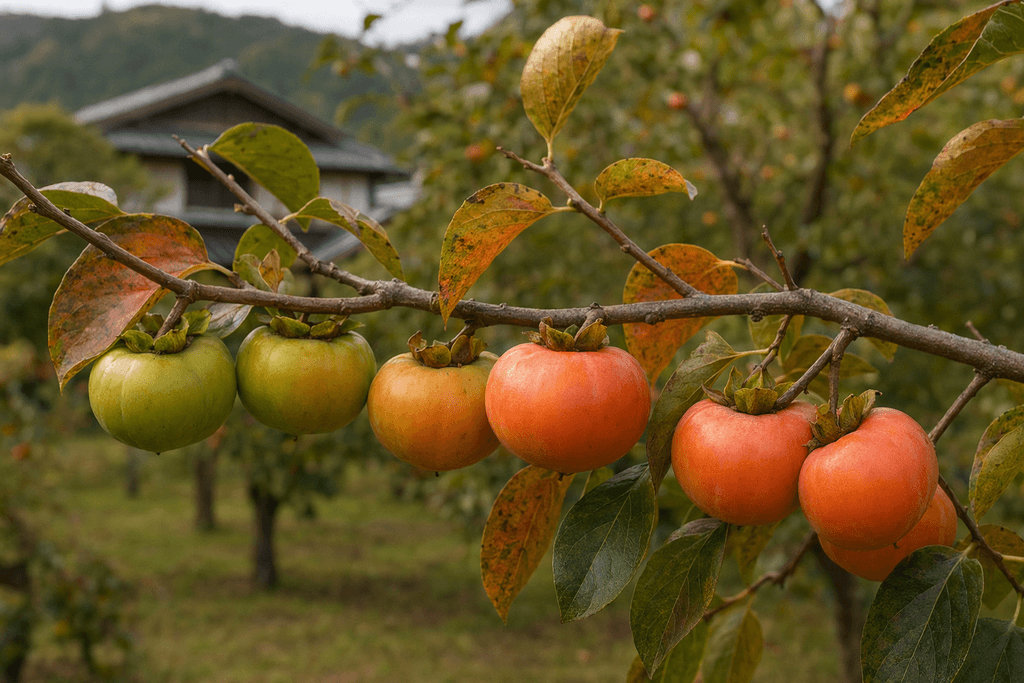
အနီရောင်သို့ ပြောင်းလာသည် / ရှက်၍ မျက်နှာနီလာသည်
Word Forms
The basic and commonly used forms of this verb.
Basic forms
| Form | Word form | Usage |
|---|---|---|
| Imperfective form (mizenkei) |
Alternative:
赤らも
|
Connects to endings such as nai, reru, and seru. |
| Continuative form (renyokei) | Connects to endings such as masu, tai, and ta. | |
| Conclusive form (shushikei) | Ends a sentence and serves as the dictionary form. | |
| Attributive form (rentaikei) | Modifies a noun. | |
| Conditional form (kateikei) | Combines with ba to express a condition. | |
| Imperative form (meireikei) | Expresses a command or instruction. |
Common forms
見晴らし
ကျယ်ပြန့်သောရှုခင်း
見晴らし
ကျယ်ပြန့်သောရှုခင်း
Explanation
見晴らし
ကျယ်ပြန့်သောရှုခင်း
見晴らし
မြင်ကွင်း / ရှုခင်း
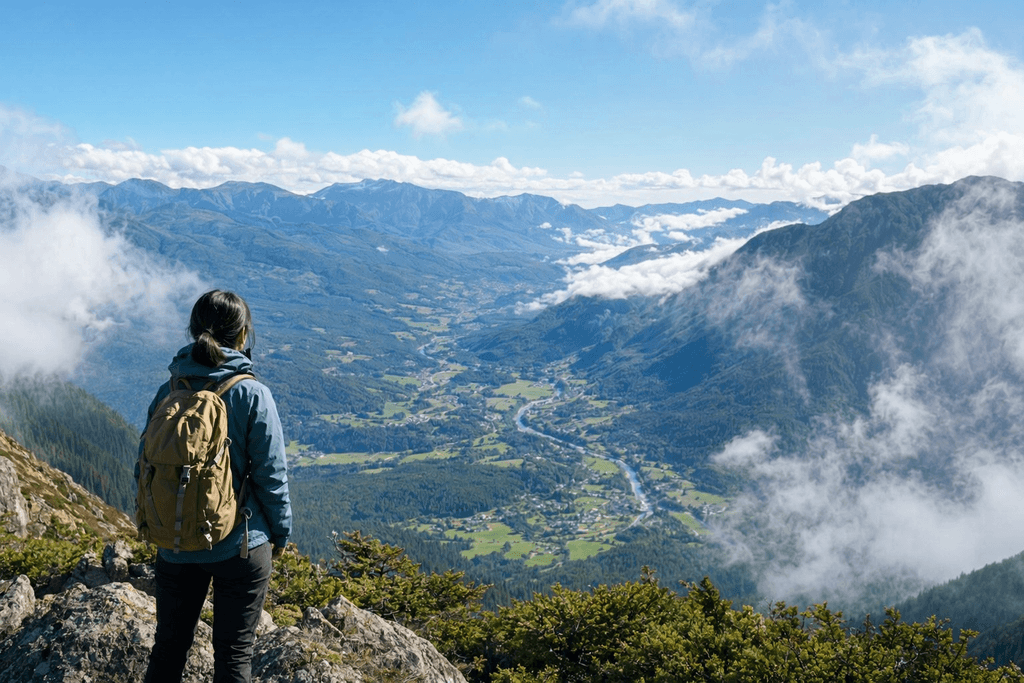
တောင်ထိပ်က တဲလေးကို ရောက်သွားတာနဲ့တပြိုင်နက် မိုးနှင်းက ချက်ချင်းပျောက်ကင်းသွားပြီး အောက်ဘက်မှာ ကျယ်ပြန့်လှတဲ့ ချိုင့်ဝှမ်းမြင်ကွင်းကို ကြည့်ရင်း အသက်ရှုတောင် မေ့သွားခဲ့တယ်။
( Base form )
( romanization )
すれ違い
တစ်ဦးနှင့်တစ်ဦးဖြတ်သွားမှု / အမြင်မကိုက်ညီမှု
すれ違い
တစ်ဦးနှင့်တစ်ဦးဖြတ်သွားမှု / အမြင်မကိုက်ညီမှု
Explanation
すれ違い
တစ်ဦးနှင့်တစ်ဦးဖြတ်သွားမှု / အမြင်မကိုက်ညီမှု
すれ違い
(လမ်းမှာ) အချင်းချင်းဖြတ်သန်းသွားခြင်း / တွေ့ဆုံဖို့လွဲချော်သွားခြင်း (missed connection) / နားလည်မှုလွဲခြင်း၊ အမြင်မတူခြင်း (miscommunication)
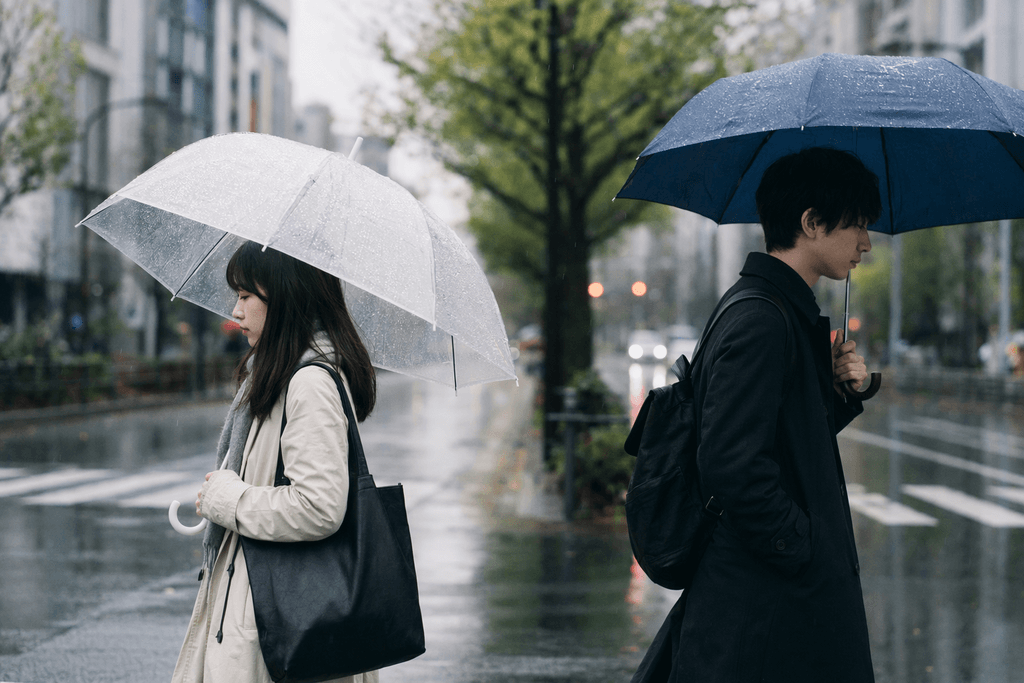
အလုပ်များနေခြင်းကို အကြောင်းပြချက်အဖြစ် အသုံးပြုကာ သူတို့၏ရိုးသားသောခံစားချက်များကို ရွှေ့ဆိုင်းထားခြင်းဖြင့် သူတို့နှစ်ဦးစပ်ကြား ဆက်သွယ်မှုမရှိတော့ချေ။
Word Forms
The basic and commonly used forms of this verb.
Basic forms
| Form | Word form | Usage |
|---|---|---|
| Imperfective form (mizenkei) |
Alternative:
擦れ違わ
|
Connects to endings such as nai, reru, and seru. |
| Continuative form (renyokei) |
Alternative:
擦れ違い
|
Connects to endings such as masu, tai, and ta. |
| Conclusive form (shushikei) |
Alternative:
擦れ違う
|
Ends a sentence and serves as the dictionary form. |
| Attributive form (rentaikei) |
Alternative:
擦れ違う
|
Modifies a noun. |
| Conditional form (kateikei) |
Alternative:
擦れ違え
|
Combines with ba to express a condition. |
| Imperative form (meireikei) |
Alternative:
擦れ違え
すれ違えよ
|
Expresses a command or instruction. |
Common forms
| Form | Word form | Usage |
|---|---|---|
| Te-form |
Alternative:
擦れ違って
|
Connects clauses with te. |
| Ta-form |
Alternative:
擦れ違った
|
Expresses the past with ta. |
| Nai-form |
Alternative:
擦れ違わない
|
Expresses negation with nai. |
| Masu-form |
Alternative:
擦れ違います
|
Used for polite speech. |
| Ba-form |
Alternative:
擦れ違えば
|
Expresses a condition with ba. |
| Volitional form |
Alternative:
擦れ違おう
|
Expresses intention or invitation. |
Notes
気象
မိုးလေဝသဖြစ်စဉ်
気象
မိုးလေဝသဖြစ်စဉ်
Explanation
気象
မိုးလေဝသဖြစ်စဉ်
気象
မိုးလေဝသ / လေထုဆိုင်ရာ ဖြစ်စဉ်များ
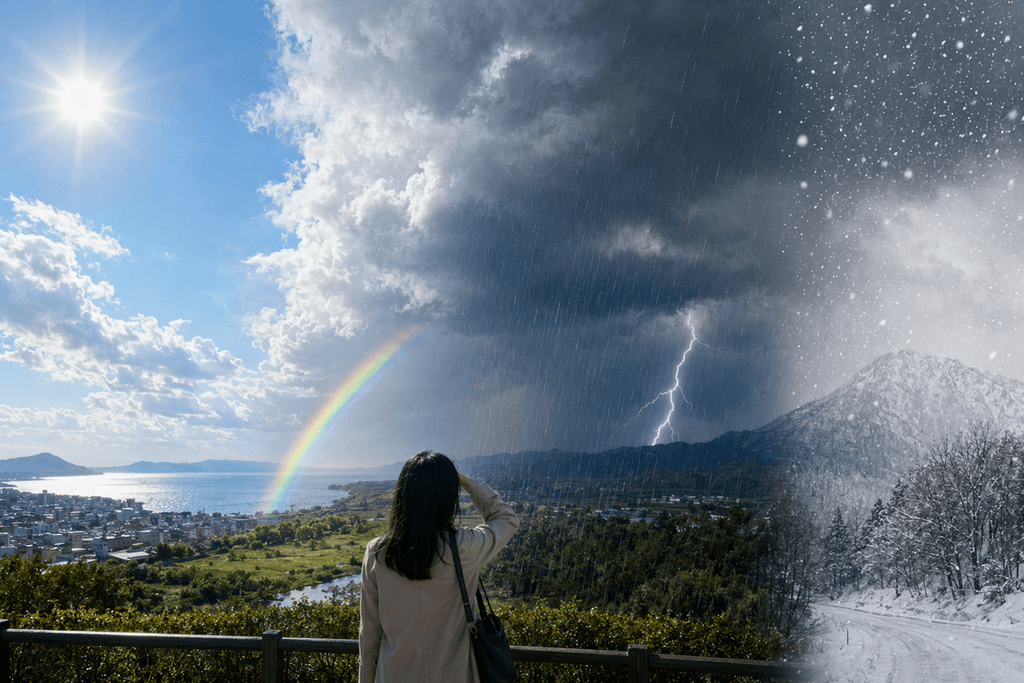
ရာသီဥတုအပြောင်းအလဲများနှင့်စပ်လျဉ်း၍ မသေချာမရေရာမှုကို ထည့်မတွက်ဘဲ ရေးဆွဲထားသော ဘေးအန္တရာယ်ကာကွယ်ရေးအစီအစဉ်သည် မိုးသည်းထန်စွာရွာသွန်းမည်ဆိုလျှင် ၎င်း၏အားနည်းချက်ကို မလွဲမသွေ ဖော်ထုတ်ပေးမည်။
( Base form )
( romanization )
( romanization )
( hiragana historical )
( hiragana )
皺
အရေးအကြောင်း / ခေါက်ရာ
皺
အရေးအကြောင်း / ခေါက်ရာ
Explanation
皺
အရေးအကြောင်း / ခေါက်ရာ
皺
အရေပြားပေါ်ရှိ အချိုင်း / စက္ကူ၊ အဝတ် အပေါ်ရှိ အတွတ်အခေါက် / ရေမျက်နှာပြင်ပေါ် လှိုင်းငယ်များ

( romanization )
( hiragana )
Loading...

JLPT N1 多言語単語帳・3032語 / JLPT N1 Multilingual Vocabulary: 3032 Words

Jonathan Waller 氏の JLPT Resources の語彙リスト・レベル分類を出典とし、CC BY の条件に従って DiQt が学習者向けに意味を作り直した3032語の単語帳です。JLPT公式の語彙リストではありません。
This collection of 3032 words is based on the vocabulary list and level classifications in Jonathan Waller’s JLPT Resources under CC BY, with meanings rewritten by DiQt for learners. It is not an official JLPT vocabulary list.
Key Operations
Select the first quiz:
Ctrl + Enter
View Explanation:Ctrl + G
Close a feedback:Esc
When selecting a quiz
Answer:Enter
Select a choice:↓ or ↑
Reading out the question:Ctrl + K
View Hint: Ctrl + M
I don't know: Ctrl + Y



