
JLPT N1 ဝေါဟာရအဓိပ္ပာယ် လေ့ကျင့်ခန်း - Unsolved

JLPT N1 စကားလုံး 3032 လုံး၏ မြန်မာအဓိပ္ပာယ်ကို အဖြေရွေးချယ်စရာ လေးခုပါသော မေးခွန်းများဖြင့် လေ့လာပါ။
-
တစ်ကြောင်း / တစ်စိုက်မတ်မတ်ဖြစ်မှု
-
ထုတ်လုပ်သူ
-
အိမ်သာ
-
နူးညံ့သော
-
မူလ / ကုန်ကြမ်းဖြစ်သော
-
အသစ်
-
မှားယွင်းသည်
-
စိုစွတ်သည် / ချမ်းသာလာသည်
-
ကမ်းလှမ်းသည် / တောင်းဆိုသည်
- 「演ずる」というサ変系の別形もあるが、本見出し「演じる」は一段活用として扱う。
-
စွန့်ပစ်ရှင်းလင်းမှု / ကိုင်တွယ်ဖြေရှင်းမှု
-
ဒေါ်
-
ရေစက်
-
အသက်ရှင်ခြင်းနှင့်သေခြင်း
-
အစည်းအဝေးဆုံးဖြတ်ချက်
-
ပိတ်သိမ်းမှု
-
မှားယွင်းသည်
-
နုတ်သည်
-
ပစ္စည်းကိရိယာပါရှိသည် / ဂုဏ်သတ္တိပါရှိသည်
-
ပိုင်ဆိုင်ရာနယ်မြေ
-
တွယ်တာမှု / စွဲလမ်းမှု
-
ဒီဇိုင်း
-
မလှုပ်ရှားသော
-
အပြစ်ကင်းစင်သော
-
အဆင့်အတန်းရှိသော
- 提示された読み「ささやか」は、語義「meticulous / attentive / detailed」に対応する一般的な読み「こまやか」と異なる可能性があります。
-
ထိန်းညှိမှု
-
ဓာတုမျှင်
-
ရှုမြင်ကွင်း / အလားအလာ
-
ပြိုကျမှု / ရေဒီယိုသတ္တိကြွယိုယွင်းမှု
-
အိမ်ကြီး
-
ရပ်ရွာအေးချမ်းမှု
返答
ပြန်ကြားချက်
返答
ပြန်ကြားချက်
Explanation
返答
ပြန်ကြားချက်
返答
အဖြေ / ပြန်ဖြေခြင်း / တုံ့ပြန်ချက်

( Base form )
( romanization )
( romanization )
( hiragana historical )
( hiragana )
各
အသီးသီး
各
အသီးသီး
Explanation
各
အသီးသီး
各
တစ်ခုချင်းစီ / တစ်ယောက်ချင်းစီ / အသီးသီး
ဌာနအသီးသီးက တင်သွင်းထားသော အစီရင်ခံစာများကို သေချာစိစစ်ပြီးနောက်၊ အချက်အလက်အမျိုးမျိုးရှိ မပြည့်စုံချက်များသည် ဆက်တိုက်ဖြစ်ပေါ်ကာ ကြီးမားသည့် မတော်တဆမှုတစ်ခုအဖြစ် ဖွံ့ဖြိုးသွားနိုင်ကြောင်း တွေ့ရှိခဲ့သည်။

( romanization )
( hiragana )
演じる
သရုပ်ဆောင်သည်
演じる
သရုပ်ဆောင်သည်
Explanation
演じる
သရုပ်ဆောင်သည်
演じる
ဇာတ်ကောင်အဖြစ် သရုပ်ဆောင်သည် / ဖျော်ဖြေ ပြသည်
သူက အပေါ်ယံမှာတော့ နာခံတတ်တဲ့ လက်အောက်ငယ်တစ်ယောက်လို သရုပ်ဆောင်နေပေမယ့် အတွင်းမှာတော့ အာဏာကို လက်ထဲကိုင်နိုင်မယ့် အခွင့်အရေးကို တိတ်တိတ်ဆိတ်ဆိတ် ချောင်းစောင့်နေတယ်။

Word Forms
The basic and commonly used forms of this verb.
Basic forms
| Form | Word form | Usage |
|---|---|---|
| Imperfective form (mizenkei) | Connects to endings such as nai, reru, and seru. | |
| Continuative form (renyokei) | Connects to endings such as masu, tai, and ta. | |
| Conclusive form (shushikei) | Ends a sentence and serves as the dictionary form. | |
| Attributive form (rentaikei) | Modifies a noun. | |
| Conditional form (kateikei) | Combines with ba to express a condition. | |
| Imperative form (meireikei) |
Alternative:
演じよ
|
Expresses a command or instruction. |
Common forms
| Form | Word form | Usage |
|---|---|---|
| Te-form | Connects clauses with te. | |
| Ta-form | Expresses the past with ta. | |
| Nai-form | Expresses negation with nai. | |
| Masu-form | Used for polite speech. | |
| Ba-form | Expresses a condition with ba. | |
| Volitional form | Expresses intention or invitation. |
Notes
地主
မြေပိုင်ရှင်
地主
မြေပိုင်ရှင်
Explanation
地主
မြေပိုင်ရှင်
地主
မြေရှင် / မြေယာပိုင်ရှင် / မြေကွက်ပိုင်ရှင်
ပြန်လည် ဖွံ့ဖြိုး ရေး အစီအစဉ် ၏ ကောင်းကျိုး များ နှင့် ဆိုးကျိုး များ အပေါ် နေထိုင် သူ များ နှင့် အကြိမ်ကြိမ် တိုင်ပင် ဆွေးနွေး ပြီးနောက် ၊ မြေပိုင်ရှင် က မြေကွက် ၏ အစိတ်အပိုင်း ကို အများပြည်သူ အဆောက်အအုံ များ အတွက် နေရာ တစ် ခု အဖြစ် ထောက်ပံ့ ပေး ရန် ရည်ရွယ် ချက် တစ် ခု ကို ဖော်ပြ ခဲ့ သည် ။

( Base form )
( romanization )
( hiragana )
微笑
အပြုံး
微笑
အပြုံး
Explanation
微笑
အပြုံး
微笑
အပြုံး / ပြုံးခြင်း / နူးညံ့သော အပြုံး

( Base form )
( romanization )
( hiragana )
導く
လမ်းညွှန်သည်
導く
လမ်းညွှန်သည်
Explanation
導く
လမ်းညွှန်သည်
導く
လမ်းညွှန်သည် / ဦးဆောင်သည် / ညွှန်ကြားသည်

Word Forms
The basic and commonly used forms of this verb.
Basic forms
| Form | Word form | Usage |
|---|---|---|
| Imperfective form (mizenkei) |
Alternative:
導こ
|
Connects to endings such as nai, reru, and seru. |
| Continuative form (renyokei) | Connects to endings such as masu, tai, and ta. | |
| Conclusive form (shushikei) | Ends a sentence and serves as the dictionary form. | |
| Attributive form (rentaikei) | Modifies a noun. | |
| Conditional form (kateikei) | Combines with ba to express a condition. | |
| Imperative form (meireikei) | Expresses a command or instruction. |
Common forms
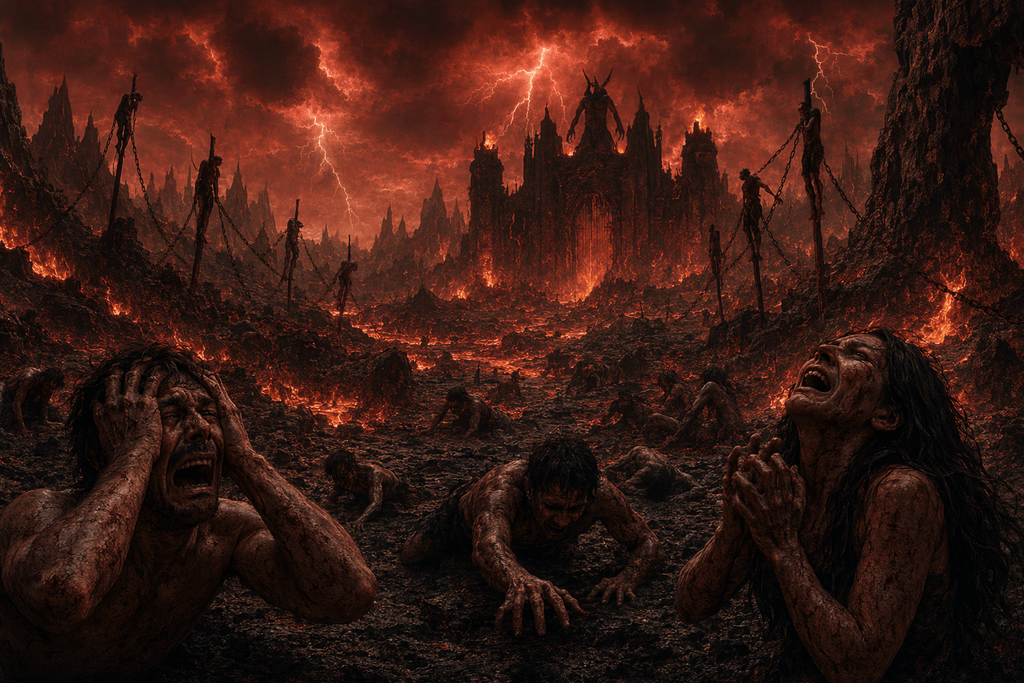
地獄
ငရဲ
地獄
ငရဲ
Explanation
地獄
ငရဲ
地獄
ငရဲ / အလွန်ဒုက္ခနှင့်ဝေဒနာဖြစ်စေသည့်နေရာ/အခြေအနေ
( Base form )
( romanization )
( romanization )
( hiragana historical )
( hiragana )
細やか
ဂရုစိုက်သော / နူးညံ့သိမ်မွေ့သော
細やか
ဂရုစိုက်သော / နူးညံ့သိမ်မွေ့သော
Explanation
細やか
ဂရုစိုက်သော / နူးညံ့သိမ်မွေ့သော
細やか
အသေးစိတ်သေချာသော / ဂရုစိုက်စဉ်းစားတတ်သော / နူးညံ့အသေးသိပ်သော

Word Forms
The basic and commonly used forms of this adjectival noun.
Basic forms
| Form | Word form | Usage |
|---|---|---|
| Imperfective form (mizenkei) | Used in forms such as darou. | |
| Continuative form (renyokei) |
Alternative:
細やかに
|
Used with de or ni. |
| Conclusive form (shushikei) | Ends a sentence with da. | |
| Attributive form (rentaikei) | Modifies a noun with na. | |
| Conditional form (kateikei) | Expresses a condition with nara. | |
| Imperative form (meireikei) | Used in formal expressions such as de are. |
Common forms
| Form | Word form | Usage |
|---|---|---|
| Te-form equivalent | Connects clauses using de. | |
| Ta-form | Expresses the past with datta. | |
| Nai-form |
Alternative:
細やかじゃない
|
Expresses negation with dewa nai or ja nai. |
| Desu-form | Used for polite speech. |
Notes
転換
အသွင်ပြောင်းမှု
転換
အသွင်ပြောင်းမှု
Explanation
転換
အသွင်ပြောင်းမှု
転換
ပြောင်းလဲခြင်း / လမ်းလွှဲခြင်း / ဘက်ပြောင်းခြင်း
အစိုးရသည် စီးပွားရေးကျဆင်းမှုကို တားဆီးရန်အတွက် ယခင်က ကျင့်သုံးခဲ့သည့် ခြိုးခြံချွေတာရေး မူဝါဒလမ်းကြောင်းမှ တက်ကြွသော ဘဏ္ဍာရေးမူဝါဒသို့ ပြောင်းလဲရန် မဖြစ်မနေ ဖြစ်ခဲ့သည်။

( Base form )
( romanization )
( romanization )
( kyūjitai )
( hiragana historical )
( hiragana )
落ち葉
ကြွေကျသောသစ်ရွက်
落ち葉
ကြွေကျသောသစ်ရွက်
Explanation
落ち葉
ကြွေကျသောသစ်ရွက်
落ち葉
ကျသွားသော ရွက်များ / မြေပြင်ပေါ် ကျနေသော ရွက်များ
ခြံထဲမှာ ကျရောက်ထားတဲ့ ရွက်ခြောက်တွေကို မရှင်းဘဲ ပစ်ထားလိုက်တော့ စိုစွတ်မှုကြောင့် ပုပ်ပွားစတင်ပြီး အနံ့ဆိုးတွေ ပျံ့နှံ့လာကာ အနီးအနားအိမ်နီးချင်းတွေထံကနေတောင် မကျေနပ်ချက်တိုင်ကြားမှုထိ ထွက်လာခဲ့တယ်။

( romanization )
( romanization )
( hiragana historical )
Loading...

JLPT N1 多言語単語帳・3032語 / JLPT N1 Multilingual Vocabulary: 3032 Words

Jonathan Waller 氏の JLPT Resources の語彙リスト・レベル分類を出典とし、CC BY の条件に従って DiQt が学習者向けに意味を作り直した3032語の単語帳です。JLPT公式の語彙リストではありません。
This collection of 3032 words is based on the vocabulary list and level classifications in Jonathan Waller’s JLPT Resources under CC BY, with meanings rewritten by DiQt for learners. It is not an official JLPT vocabulary list.
Key Operations
Select the first quiz:
Ctrl + Enter
View Explanation:Ctrl + G
Close a feedback:Esc
When selecting a quiz
Answer:Enter
Select a choice:↓ or ↑
Reading out the question:Ctrl + K
View Hint: Ctrl + M
I don't know: Ctrl + Y



