
JLPT N1 ဝေါဟာရအဓိပ္ပာယ် လေ့ကျင့်ခန်း - Unsolved

JLPT N1 စကားလုံး 3032 လုံး၏ မြန်မာအဓိပ္ပာယ်ကို အဖြေရွေးချယ်စရာ လေးခုပါသော မေးခွန်းများဖြင့် လေ့လာပါ။
-
မွေးဖွားခြင်း
-
စီးပွားရေးစည်ကားမှု
-
စိတ်လှုပ်ရှားမှု / လှုံ့ဆော်တက်ကြွမှု
-
ပင်ကိုသိစိတ်
-
တာဝန်ကျရာသို့သွားရောက်မှု
-
ခြားနားကွာဟမှု
-
အပ်နှံမှု
-
စိတ်အားထက်သန်မှု
-
နုတ်ထွက်မှု
-
အနိုင်ယူသည်
-
ပုံပျက်သည်
-
စိုထိုင်းလာသည်
-
တောင်းဆိုချက် / အားကိုးမှု
-
နားလည်သဘောပေါက်မှု
-
ဖြစ်နိုင်စရာနေရာ
-
အားထုတ်ကြိုးပမ်းသည်
-
အပြန်အလှန်ပြုသည်
-
ထိန်းသိမ်းသည် / မပျက်အောင်ထားသည်
-
ကြီးမားသော
-
ကျွမ်းကျင်သော / ကျန်းမာသော
-
စိတ်ကူးယဉ်ဆန်သော
-
ကြိုတင်စိတ်ခံစားချက်
-
ဖောင်းကားခြင်း
-
အပူထိန်းသိမ်းခြင်း
-
ငြိမ်းချမ်းသည် / လျော့ပါးသည်
-
အားလျော့လာသည်
-
ပစ္စည်းကိရိယာထားရှိသည်
-
ရေနွေးငွေ့
-
ဂိုကစားခုံ
-
အမျိုးအစား
起源
မူလအစ
起源
မူလအစ
Explanation
起源
မူလအစ
起源
မူလရင်းမြစ် / အစပြုရာ / စတင်ဖြစ်ပေါ်မှု

( Base form )
( romanization )
( hiragana )
聴講
သင်ခန်းစာနားထောင်တက်ရောက်မှု
聴講
သင်ခန်းစာနားထောင်တက်ရောက်မှု
Explanation
聴講
သင်ခန်းစာနားထောင်တက်ရောက်မှု
聴講
သင်တန်းကို နားထောင်၍ တက်ရောက်လေ့လာခြင်း / ဟောပြောပွဲကို နားထောင်ရန် တက်ရောက်ခြင်း / အမှတ်မယူဘဲ သင်တန်းကို တက်ရောက်လေ့လာခြင်း
ဘွဲ့ရ ကျောင်း ဟောပြောချက် များ ကို စစ်ဆေး ခြင်း တွင် တရားဝင် သင်တန်း မှတ်ပုံတင် ခြင်း မ ပါဝင် သော်လည်း ၊ သင်တန်း ပို့ချ သူ ၏ ခွင့်ပြု ချက် ကို ကြိုတင် ရရှိ ရန် အကြံပြု ထား ဆဲ ဖြစ် သည် ။

( Base form )
( romanization )
( romanization )
( hiragana historical )
( hiragana )
私物
ကိုယ်ပိုင်ပစ္စည်းများ
私物
ကိုယ်ပိုင်ပစ္စည်းများ
Explanation
私物
ကိုယ်ပိုင်ပစ္စည်းများ
私物
ကိုယ်ပိုင်ပစ္စည်း / ပုဂ္ဂိုလ်ရေးပိုင်ဆိုင်မှု / တစ်ဦးချင်းပိုင်ပစ္စည်း
အချက်အလက်ယိုစိမ့်မှုကို ကာကွယ်ရန်အတွက် ကုမ္ပဏီအတွင်းတွင် ကိုယ်ပိုင် USB မမ်မရီကို လုပ်ငန်းသုံးကွန်ပျူတာစက်တွင် ချိတ်ဆက်အသုံးပြုခြင်းကို တင်းကျပ်စွာ တားမြစ်ထားသည်။

( Base form )
( romanization )
( hiragana )
見落とす
သတိမပြုမိသည်
見落とす
သတိမပြုမိသည်
Explanation
見落とす
သတိမပြုမိသည်
見落とす
မသတိမိ၍ မမြင်မိသည် / အချက်အလက်တစ်ခုကို မမြင်မိ၍ ကျော်လွှားသွားသည် / မသတိမိ၍ လွဲကျော်သွားသည်

Word Forms
The basic and commonly used forms of this verb.
Basic forms
| Form | Word form | Usage |
|---|---|---|
| Imperfective form (mizenkei) |
Alternative:
見落とそ
|
Connects to endings such as nai, reru, and seru. |
| Continuative form (renyokei) | Connects to endings such as masu, tai, and ta. | |
| Conclusive form (shushikei) | Ends a sentence and serves as the dictionary form. | |
| Attributive form (rentaikei) | Modifies a noun. | |
| Conditional form (kateikei) | Combines with ba to express a condition. | |
| Imperative form (meireikei) | Expresses a command or instruction. |
Common forms
家来
မှူးမတ်အမှုထမ်း
家来
မှူးမတ်အမှုထမ်း
Explanation
家来
မှူးမတ်အမှုထမ်း
家来
ခိုက်ခံ / အိမ်ဖော် / ဝန်ထမ်း
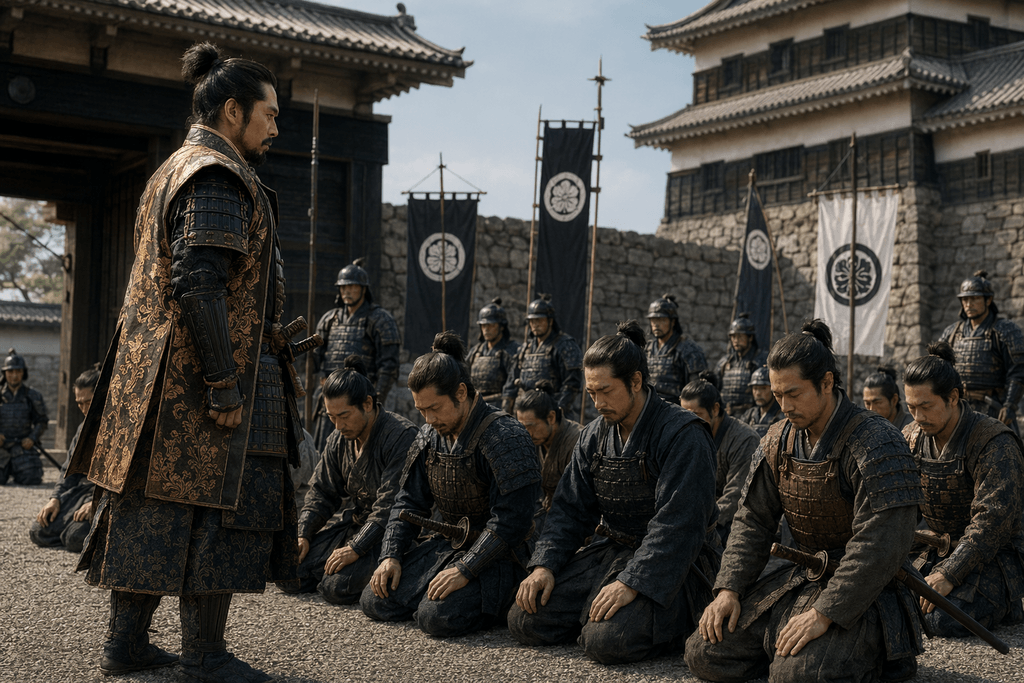
စစ်မက်ပြိုင်ဆိုင်ခေတ်မှ ဒိုင်မြို နယ်စားများသည် သစ္စာစောင့်သိရန် ကျိန်ဆိုထားသော လက်အောက်ငယ်သားများကို ဦးဆောင်ကာ မိမိတို့နယ်မြေကို အုပ်ချုပ်ရန်နှင့် စစ်တိုက်ရန် နှစ်ရပ်စလုံးအတွက် ပြင်ဆင်ခဲ့ကြသည်။
( Base form )
( romanization )
( hiragana historical )
( hiragana )
痛む
ကိုက်ခဲသည်
痛む
ကိုက်ခဲသည်
Explanation
痛む
ကိုက်ခဲသည်
痛む
နာကျင်သည်၊ ကိုက်ခဲသည် / စိတ်နာသည်၊ စိတ်မကောင်းဖြစ်သည်

Word Forms
The basic and commonly used forms of this verb.
Basic forms
| Form | Word form | Usage |
|---|---|---|
| Imperfective form (mizenkei) | Connects to endings such as nai, reru, and seru. | |
| Continuative form (renyokei) | Connects to endings such as masu, tai, and ta. | |
| Conclusive form (shushikei) | Ends a sentence and serves as the dictionary form. | |
| Attributive form (rentaikei) | Modifies a noun. | |
| Conditional form (kateikei) | Combines with ba to express a condition. | |
| Imperative form (meireikei) | Expresses a command or instruction. |
Common forms
有力
ဩဇာရှိသော / ဖြစ်နိုင်ခြေများသော
有力
ဩဇာရှိသော / ဖြစ်နိုင်ခြေများသော
Explanation
有力
ဩဇာရှိသော / ဖြစ်နိုင်ခြေများသော
有力
အာဏာသက်ရောက်မှုကြီးမားသော / ဖြစ်နိုင်ခြေမြင့်သော
အစိုးရအပြောင်းအလဲကို ဖြစ်ပေါ်စေနိုင်သော အရေးကြီးသည့် အကြောင်းရင်းတစ်ခု ဖြစ်လာနိုင်သည့် အရှုပ်တော်ပုံကို လျှို့ဝှက်စွာ ဖုံးကွယ်အုပ်ချုပ်ထားခဲ့သည်ဟု ဆိုသော သတင်းဖော်ပြမှုက အကျိုးသက်ရောက်မှုများ ကျယ်ပြန့်စေခဲ့သည်။

Word Forms
The basic and commonly used forms of this adjectival noun.
Basic forms
| Form | Word form | Usage |
|---|---|---|
| Imperfective form (mizenkei) | Used in forms such as darou. | |
| Continuative form (renyokei) |
Alternative:
有力に
|
Used with de or ni. |
| Conclusive form (shushikei) | Ends a sentence with da. | |
| Attributive form (rentaikei) |
Alternative:
有力である
|
Modifies a noun with na. |
| Conditional form (kateikei) |
Alternative:
有力であれば
|
Expresses a condition with nara. |
| Imperative form (meireikei) | Used in formal expressions such as de are. |
Common forms
インターホン
အတွင်းဆက်သွယ်ရေးဖုန်း
インターホン
အတွင်းဆက်သွယ်ရေးဖုန်း
Explanation
အတွင်းဆက်သွယ်ရေးဖုန်း
インターホン
အိမ်တွင်း/အဆောက်အဦအတွင်း ဆက်သွယ်စကားပြောစနစ် (intercom) / တံခါးခေါက်သံချိန်/တံခါးဝ ပြောဆိုဆက်သွယ်ကိရိယာ (door intercom)
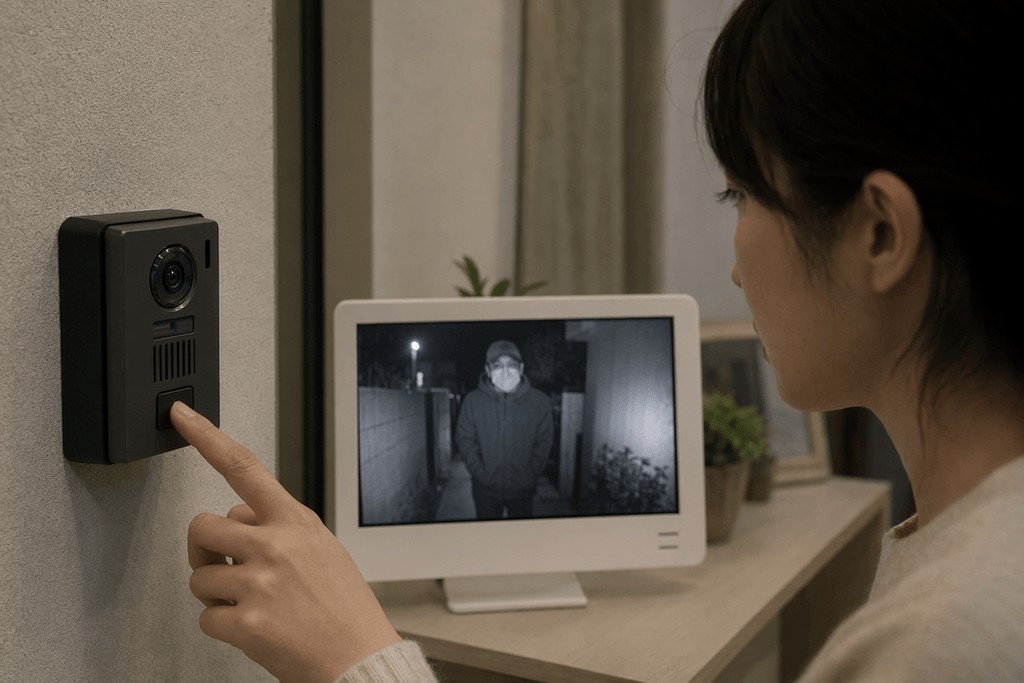
ညသန်းခေါင်အချိန်၊ မည်သူမျှ လာရောက်တွေ့ဆုံမည်မဟုတ်သော်လည်း အိမ်ဝင်ဖုန်းခလုတ်က မရပ်မနား အတင်းအကြပ် မြည်နေသဖြင့် သူမသည် အမည်မဖော်နိုင်သော စိုးရိမ်ကြောက်ရွံ့မှုတစ်မျိုးဖြင့် လွှမ်းမိုးခံခဲ့ရသည်။
費やす
သုံးစွဲသည်
費やす
သုံးစွဲသည်
Explanation
費やす
သုံးစွဲသည်
費やす
(အချိန်၊ ငွေ၊ အင်အား) ကို အသုံးချသည်/စားသုံးသည် / မထိုက်မတန် ဖြုန်းတီးသုံးစွဲသည်

Word Forms
The basic and commonly used forms of this verb.
Basic forms
| Form | Word form | Usage |
|---|---|---|
| Imperfective form (mizenkei) |
Alternative:
費やそ
|
Connects to endings such as nai, reru, and seru. |
| Continuative form (renyokei) | Connects to endings such as masu, tai, and ta. | |
| Conclusive form (shushikei) | Ends a sentence and serves as the dictionary form. | |
| Attributive form (rentaikei) | Modifies a noun. | |
| Conditional form (kateikei) | Combines with ba to express a condition. | |
| Imperative form (meireikei) | Expresses a command or instruction. |
Common forms
生計
အသက်မွေးဝမ်းကျောင်း
生計
အသက်မွေးဝမ်းကျောင်း
Explanation
生計
အသက်မွေးဝမ်းကျောင်း
生計
အသက်မွေးမှု / စားဝတ်နေရေး / အသက်မွေးရန် ဝင်ငွေအရင်းအမြစ်

( Base form )
( romanization )
( hiragana )
Loading...

JLPT N1 多言語単語帳・3032語 / JLPT N1 Multilingual Vocabulary: 3032 Words

Jonathan Waller 氏の JLPT Resources の語彙リスト・レベル分類を出典とし、CC BY の条件に従って DiQt が学習者向けに意味を作り直した3032語の単語帳です。JLPT公式の語彙リストではありません。
This collection of 3032 words is based on the vocabulary list and level classifications in Jonathan Waller’s JLPT Resources under CC BY, with meanings rewritten by DiQt for learners. It is not an official JLPT vocabulary list.
Key Operations
Select the first quiz:
Ctrl + Enter
View Explanation:Ctrl + G
Close a feedback:Esc
When selecting a quiz
Answer:Enter
Select a choice:↓ or ↑
Reading out the question:Ctrl + K
View Hint: Ctrl + M
I don't know: Ctrl + Y



