
JLPT N1 ဝေါဟာရအဓိပ္ပာယ် လေ့ကျင့်ခန်း - Unsolved

JLPT N1 စကားလုံး 3032 လုံး၏ မြန်မာအဓိပ္ပာယ်ကို အဖြေရွေးချယ်စရာ လေးခုပါသော မေးခွန်းများဖြင့် လေ့လာပါ။
-
ဖျက်ဆီးသည်
-
တွန်းထည့်သည်
-
စုံစမ်းမေးမြန်းသည်
- 漢字表記は「出くわす」。
-
ပိုမိုအားကောင်းလာသည်
-
အပြစ်တင်နှိမ့်ချသည်
-
ကျုံ့သည်
-
အော်ဂဲနစ်သဘာဝ
-
အရှိန်လျှော့မောင်းခြင်း
-
ရှည်လျားသောလက်ရာ
-
တရုတ်ရင်းမြစ်ဂျပန်စကားလုံး
-
ကိုယ်တွင်းအင်္ဂါများ
-
ယဉ်ကျေးမှုအမွေအနှစ်
-
မပူမအေးသော / စိတ်မပါသော
-
အဖိုးတန်သော / မြင့်မြတ်သော
-
အေးစက်တုံးတိသော
- 補助形容詞的に動詞連用形などに付いて「〜しにくい/容易に〜できない」の意を表す場合が多い語です。
- 見出し語「難い」には読みとして「かたい」「がたい」「にくい」などがありますが、本データは指定読み「かたい」に基づきます。
-
ကောင်းကင်အရာဝတ္ထု
-
မနှစ်သက်မှု
-
သတင်းအချက်အလက်
-
ဆီး
-
မိမိကိုယ်တိုင်
-
လုပ်ရိုးလုပ်စဉ်
-
ရိုက်ခတ်မှု / တုန်လှုပ်မှု
-
သရုပ်ဖော်မှု
-
ပေါင်
-
မျိုးပွားမှု
-
သွေးခုန်နှုန်း
-
ယူနီဖောင်း
-
မြစ်ချောင်းများ
-
လိုလားတောင့်တမှု
-
အကောက်ခွန်
でくわす
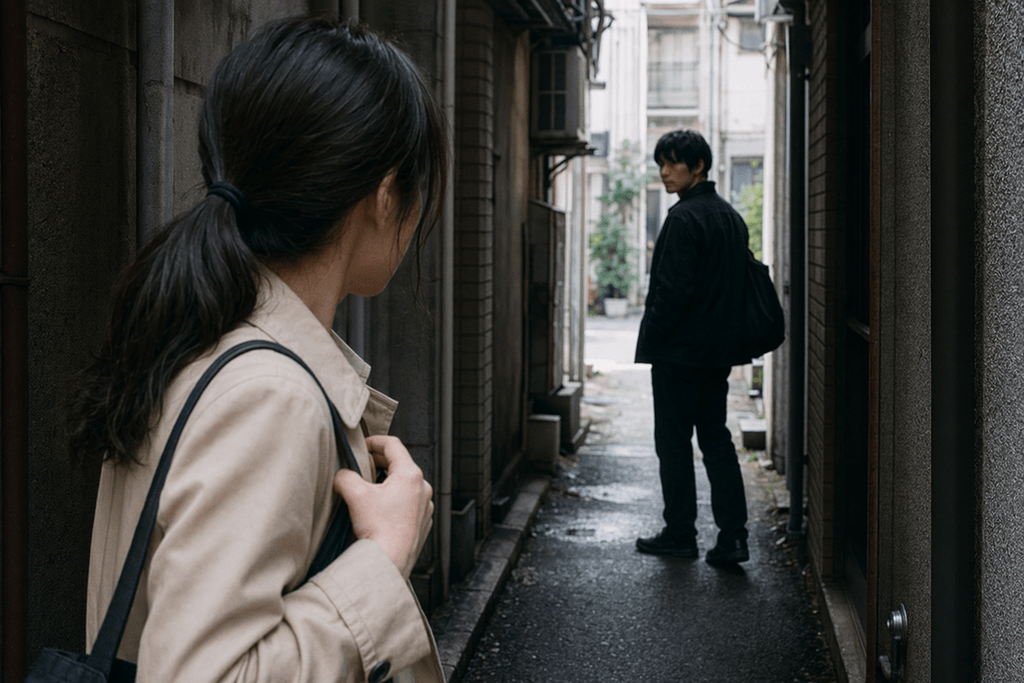
မမျှော်လင့်ဘဲဆုံသည်
でくわす
မမျှော်လင့်ဘဲဆုံသည်
Explanation
မမျှော်လင့်ဘဲဆုံသည်
でくわす
မတော်တဆ ကြုံတွေ့ / မမျှော်လင့်ဘဲ တွေ့ရ
Word Forms
The basic and commonly used forms of this verb.
Basic forms
| Form | Word form | Usage |
|---|---|---|
| Imperfective form (mizenkei) |
Alternative:
でくわそ
|
Connects to endings such as nai, reru, and seru. |
| Continuative form (renyokei) | Connects to endings such as masu, tai, and ta. | |
| Conclusive form (shushikei) | Ends a sentence and serves as the dictionary form. | |
| Attributive form (rentaikei) | Modifies a noun. | |
| Conditional form (kateikei) | Combines with ba to express a condition. | |
| Imperative form (meireikei) | Expresses a command or instruction. |
Common forms
| Form | Word form | Usage |
|---|---|---|
| Te-form | Connects clauses with te. | |
| Ta-form | Expresses the past with ta. | |
| Nai-form | Expresses negation with nai. | |
| Masu-form | Used for polite speech. | |
| Ba-form | Expresses a condition with ba. | |
| Volitional form | Expresses intention or invitation. |
Notes
間違う
မှားယွင်းသည်
間違う
မှားယွင်းသည်
Explanation
間違う
မှားယွင်းသည်
間違う
မှားသည် / အလွဲပြုသည် / မှားယူသည်

Word Forms
The basic and commonly used forms of this verb.
Basic forms
| Form | Word form | Usage |
|---|---|---|
| Imperfective form (mizenkei) |
Alternative:
間違お
|
Connects to endings such as nai, reru, and seru. |
| Continuative form (renyokei) | Connects to endings such as masu, tai, and ta. | |
| Conclusive form (shushikei) | Ends a sentence and serves as the dictionary form. | |
| Attributive form (rentaikei) | Modifies a noun. | |
| Conditional form (kateikei) | Combines with ba to express a condition. | |
| Imperative form (meireikei) | Expresses a command or instruction. |
Common forms
メッセージ
သတင်းစကား
メッセージ
သတင်းစကား
Explanation
သတင်းစကား
メッセージ
သတင်းစကား / စာတို / သတင်းပို့ချက်

( romanization )
丁目
မြို့ရပ်ကွက်ငယ်
丁目
မြို့ရပ်ကွက်ငယ်
Explanation
丁目
မြို့ရပ်ကွက်ငယ်
丁目
မြို့တွင်း နံပါတ်အလိုက်ခွဲထားသော သေးငယ်သော ရပ်ကွက်ခွဲ / ဂျပန်လိပ်စာတွင် “၁丁目၊ ၂丁目” အဖြစ် သတ်မှတ်သည့် မြို့ကွက် / မြို့ကွက်တစ်ကွက်နီးပါး အရွယ်ရှိ ကွက်ပိုင်း
ပြန်လည်ဖွံ့ဖြိုးရေးလုပ်ငန်း၏ သက်ရောက်မှုကြောင့် လိပ်စာရေးသားဖော်ပြပုံ ပြောင်းလဲသွားပြီး ယခင်က အမှတ် (၃) ရပ်ကွက်ခွဲဖြစ်ခဲ့သော နယ်မြေကို အခြားရပ်ကွက်ခွဲတစ်ခုထဲသို့ ထည့်သွင်းသတ်မှတ်ခဲ့သည်။
( Base form )
( romanization )
( romanization )
( hiragana historical )
( hiragana )
難い
ခက်ခဲသော
難い
ခက်ခဲသော
Explanation
難い
ခက်ခဲသော
難い
ခက်ခဲသော / လုပ်ရန် ခက် / လွယ်လင့်တကူ မပြုနိုင်

Word Forms
The basic and commonly used forms of this adjective.
Basic forms
| Form | Word form | Usage |
|---|---|---|
| Imperfective form (mizenkei) | Used in forms such as karou; mainly literary. | |
| Continuative form (renyokei) |
Alternative:
難かっ
|
Used in forms such as kute and kunai. |
| Conclusive form (shushikei) | Ends a sentence. | |
| Attributive form (rentaikei) | Modifies a noun. | |
| Conditional form (kateikei) | Expresses a condition with kereba. | |
| Imperative form (meireikei) | Rarely used in modern Japanese. |
Common forms
| Form | Word form | Usage |
|---|---|---|
| Te-form |
Alternative:
難うて
|
Connects clauses with kute. |
| Ta-form | Expresses the past with katta. | |
| Nai-form |
Alternative:
難うない
|
Expresses negation with kunai. |
| Ba-form | Expresses a condition with kereba. |
Notes
怒り
ဒေါသ
怒り
ဒေါသ
Explanation
怒り
ဒေါသ
怒り
ဒေါသ / အမျက်

( Base form )
( romanization )
決議
အတည်ပြုဆုံးဖြတ်ချက်
決議
အတည်ပြုဆုံးဖြတ်ချက်
Explanation
決議
အတည်ပြုဆုံးဖြတ်ချက်
決議
အဖွဲ့အစည်း သို့မဟုတ် အစည်းအဝေး၏ တရားဝင်ဆုံးဖြတ်ချက် / မဲဖြင့် အတည်ပြုသည့် ဆုံးဖြတ်ချက်

( Base form )
( romanization )
( hiragana )
吊り革
ရထားလက်ကိုင်ကွင်း
吊り革
ရထားလက်ကိုင်ကွင်း
Explanation
吊り革
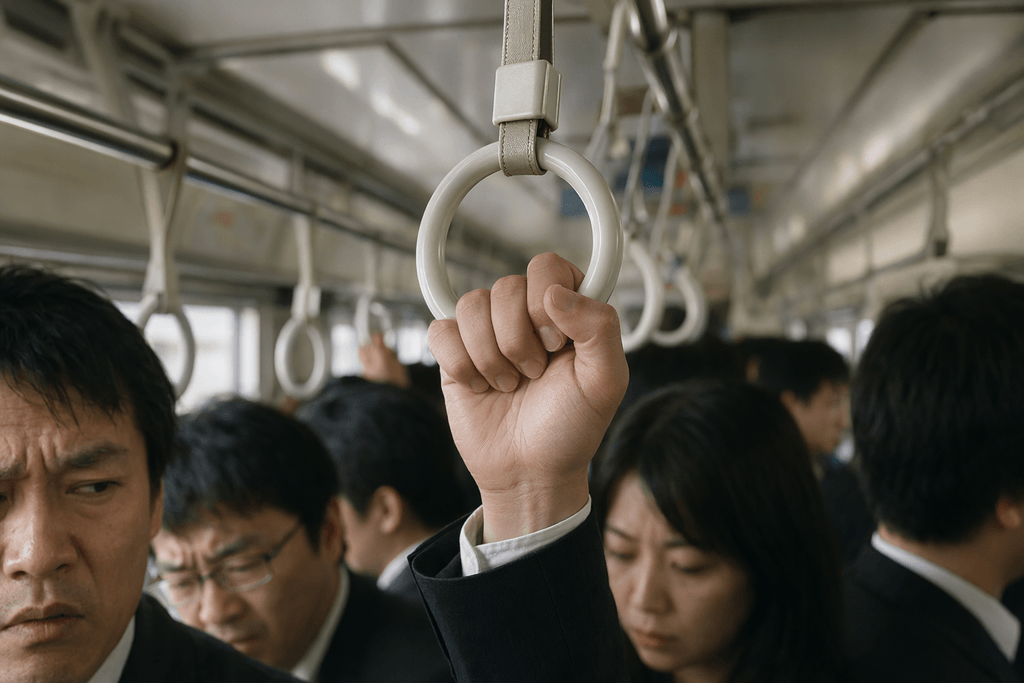
ရထားလက်ကိုင်ကွင်း
吊り革
ယာဉ်ပေါ်တွင် ချိတ်ထားသော လက်ကိုင်ကြိုး / ရထား၊ ဘတ်စ်ကား၏ ချိတ်လက်ကိုင် / ယာဉ်အတွင်း လက်ကိုင်ကြိုး
လူပြည့်ကျပ်နေတဲ့ ရထားပေါ်မှာ ချိတ်ကြိုးကို တင်းတင်းဆုပ်ထားရင်း၊ တခြားလူတွေရဲ့ စိတ်ဆိုးစိတ်ညစ်မှုက တစ်ယောက်ကနေ တစ်ယောက်ကို ကူးစက်သလို ဖြစ်သွားတာကို ကိုယ်တိုင် အရေပြားနဲ့တကွ ခံစားလိုက်ရတယ်။
( Base form )
( romanization )
( romanization )
( hiragana historical )
( hiragana )
学芸
ဝိဇ္ဇာနှင့်သိပ္ပံ
学芸
ဝိဇ္ဇာနှင့်သိပ္ပံ
Explanation
学芸
ဝိဇ္ဇာနှင့်သိပ္ပံ
学芸
ပညာနှင့်အနုပညာ / အနုပညာနှင့်သိပ္ပံ / ပညာရပ်နှင့်အနုပညာကဏ္ဍများ

( Base form )
( romanization )
( kyūjitai )
( hiragana )
裾
အဝတ်အနား / တောင်ခြေ
裾
အဝတ်အနား / တောင်ခြေ
Explanation
裾
အဝတ်အနား / တောင်ခြေ
裾
အဝတ်အစား၏ အောက်အစွန်း / အစွန်း၊ အဆုံးအဖျား / အောက်ခြေ
အခမ်းအနားကျင်းပနေစဉ်အတွင်း၊ သူမသည် ဟာကာမာဝတ်စုံ၏ အနားစွန်း မိုးရေစိုနေသည်ကို သတိထားမိသော်လည်း၊ ဘာမှမဖြစ်သလို မျက်နှာထားဖြင့် စင်မြင့်ပေါ်သို့ တက်သွားခဲ့သည်။

( romanization )
( hiragana )
Loading...

JLPT N1 多言語単語帳・3032語 / JLPT N1 Multilingual Vocabulary: 3032 Words

Jonathan Waller 氏の JLPT Resources の語彙リスト・レベル分類を出典とし、CC BY の条件に従って DiQt が学習者向けに意味を作り直した3032語の単語帳です。JLPT公式の語彙リストではありません。
This collection of 3032 words is based on the vocabulary list and level classifications in Jonathan Waller’s JLPT Resources under CC BY, with meanings rewritten by DiQt for learners. It is not an official JLPT vocabulary list.
Key Operations
Select the first quiz:
Ctrl + Enter
View Explanation:Ctrl + G
Close a feedback:Esc
When selecting a quiz
Answer:Enter
Select a choice:↓ or ↑
Reading out the question:Ctrl + K
View Hint: Ctrl + M
I don't know: Ctrl + Y



