
JLPT N1 ဝေါဟာရအဓိပ္ပာယ် လေ့ကျင့်ခန်း - Unsolved

JLPT N1 စကားလုံး 3032 လုံး၏ မြန်မာအဓိပ္ပာယ်ကို အဖြေရွေးချယ်စရာ လေးခုပါသော မေးခွန်းများဖြင့် လေ့လာပါ။
-
တပ်ဆင်မှု / ဌာနဖွင့်လှစ်မှု
-
စာတစ်ကြောင်း
-
တစ်ရှူးစက္ကူ
-
ရှုပ်ထွေးစေသည် / နှောင့်ယှက်သည်
-
ရေဆေးချသည်
-
ထွက်ပြေးသည်
- 「強請る」は「ねだる」の表記としての活用。ラ行五段活用。
-
ဝန်းရံသည်
-
စိုထိုင်းလာသည်
-
နေရာကျယ်ကျယ်ယူသည်
- 「研ぐ」はガ行五段活用。連用形に「て」「た」が続く場合はイ音便となり、「研いで」「研いだ」となる。
-
ကိုးကားကြည့်ရှုမှု
-
အူတိုင် / ဗဟိုချက်
-
ပိုမြင့်သောအဆင့်
-
ရာဇဝတ်မှုစုံစမ်းစစ်ဆေးမှု
-
ရာထူးတိုးမြှင့်မှု
-
တာဝန်ကျရာသို့သွားရောက်မှု
-
မျှော်လင့်သလောက်မဖြစ်သော
-
အဖိုးတန်သော / မြင့်မြတ်သော
-
စိတ်အားငယ်သော / အထီးကျန်သော
-
နားကြပ်ဆေးကိရိယာ
-
ကစားစရာ
-
ပြန်လည်ဆုံတွေ့မှု
-
ဓာတုဒြပ်စင်
-
ဆွေးနွေးတိုင်ပင်မှု
-
သက်သေခံသူ
-
ရိုးသားစစ်မှန်သော
-
မဖွံ့ဖြိုးသေးသော
-
ခပ်ရေးရေးဖြစ်သော
-
ပွတ်တိုက်ပွန်းသည် / လောကလည်လာသည်
-
နစ်မြုပ်စေသည် / ရေထဲမြှုပ်သည်
-
ခန်းခြောက်သည်
- 下一段活用。「途切れる」とも書く。
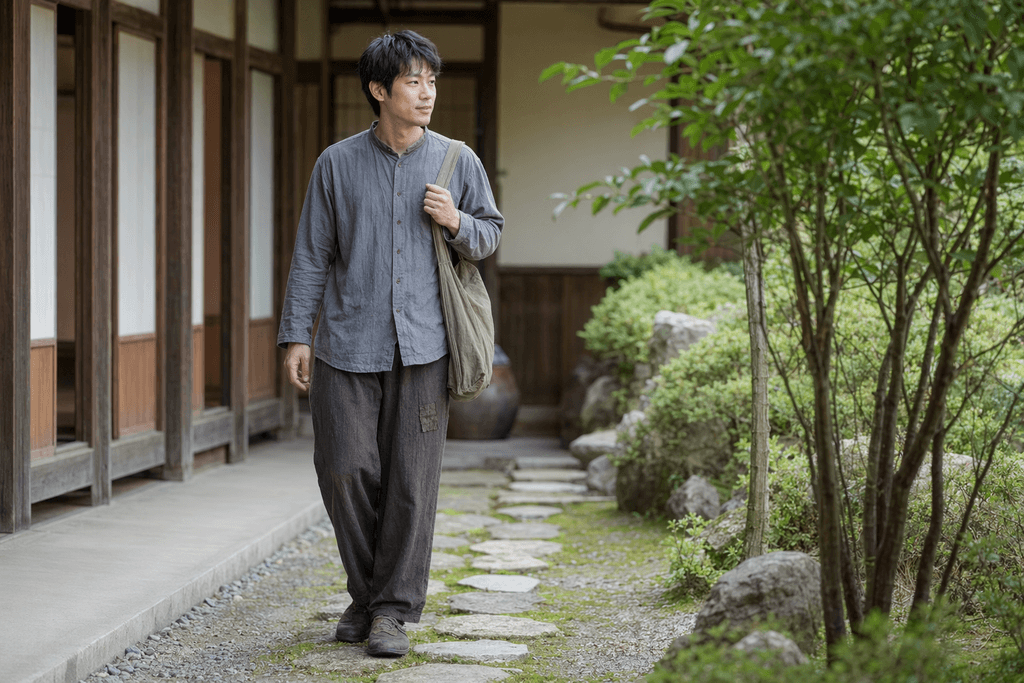
身なり
ဝတ်စားပုံ
身なり
ဝတ်စားပုံ
Explanation
身なり
ဝတ်စားပုံ
身なり
ဝတ်စားဆင်ယင်ပုံ / အဝတ်အစားပုံစံ / ကိုယ်ရုပ်ရည်အသွင်အပြင်
( Base form )
( romanization )
強請る
ပူဆာတောင်းသည်
強請る
ပူဆာတောင်းသည်
Explanation
強請る
ပူဆာတောင်းသည်
強請る
ခြိမ်းခြောက်၍ ငွေတောင်းယူသည် / တောင်းသမ်း၍ လိုက်လံတောင်းဆိုသည်
အားနည်းချက်ကို သင်တွေ့ရှိခဲ့သူတစ်ဦးထံမှ ငွေ သို့မဟုတ် ပစ္စည်းဥစ္စာများကို အတင်းအကျပ်ယူခြင်းကဲ့သို့သော လုပ်ရပ်သည် မည်သည့်အခြေအနေမျိုး၌မဆို ဆင်ခြေပေးနိုင်မည်မဟုတ်ပါ။

Word Forms
The basic and commonly used forms of this verb.
Basic forms
| Form | Word form | Usage |
|---|---|---|
| Imperfective form (mizenkei) |
Alternative:
強請ろ
|
Connects to endings such as nai, reru, and seru. |
| Continuative form (renyokei) | Connects to endings such as masu, tai, and ta. | |
| Conclusive form (shushikei) | Ends a sentence and serves as the dictionary form. | |
| Attributive form (rentaikei) | Modifies a noun. | |
| Conditional form (kateikei) | Combines with ba to express a condition. | |
| Imperative form (meireikei) | Expresses a command or instruction. |
Common forms
| Form | Word form | Usage |
|---|---|---|
| Te-form | Connects clauses with te. | |
| Ta-form | Expresses the past with ta. | |
| Nai-form | Expresses negation with nai. | |
| Masu-form | Used for polite speech. | |
| Ba-form | Expresses a condition with ba. | |
| Volitional form | Expresses intention or invitation. |
Notes
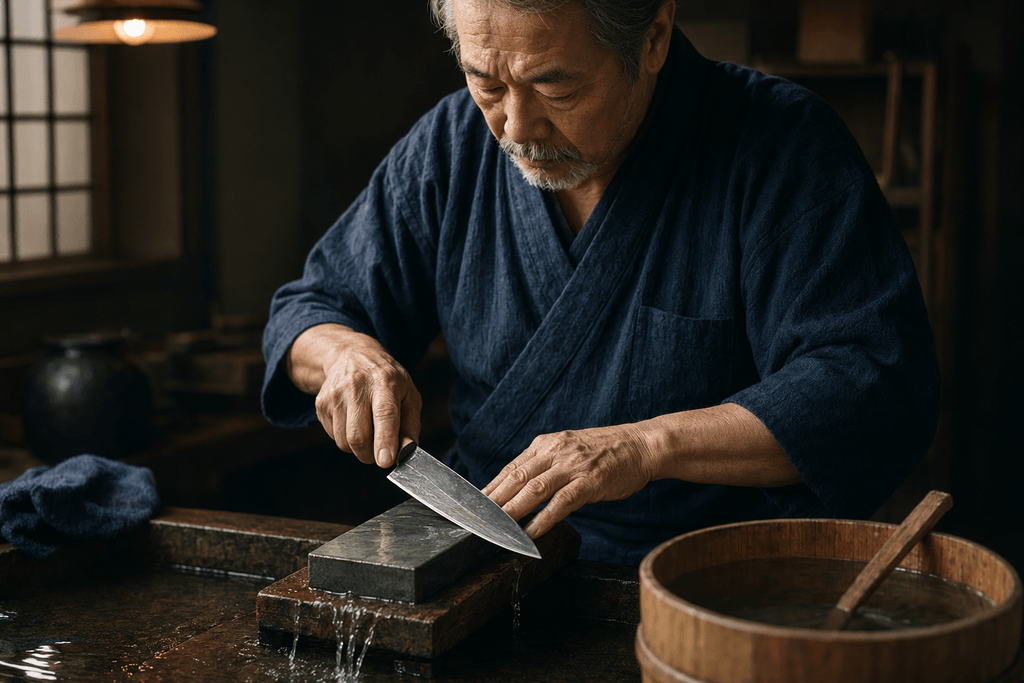
研ぐ
သွေးသည် / ဆန်ဆေးသည်
研ぐ
သွေးသည် / ဆန်ဆေးသည်
Explanation
研ぐ
သွေးသည် / ဆန်ဆေးသည်
研ぐ
ဓား/သံအစွန်းကို မြစေသည် / ဆန်ကို ဆေးသည် / မျက်နှာပြင်ကို ပြောင်အောင် ပွတ်သပ်သည်
Word Forms
The basic and commonly used forms of this verb.
Basic forms
| Form | Word form | Usage |
|---|---|---|
| Imperfective form (mizenkei) |
Alternative:
研ご
|
Connects to endings such as nai, reru, and seru. |
| Continuative form (renyokei) | Connects to endings such as masu, tai, and ta. | |
| Conclusive form (shushikei) | Ends a sentence and serves as the dictionary form. | |
| Attributive form (rentaikei) | Modifies a noun. | |
| Conditional form (kateikei) | Combines with ba to express a condition. | |
| Imperative form (meireikei) | Expresses a command or instruction. |
Common forms
| Form | Word form | Usage |
|---|---|---|
| Te-form | Connects clauses with te. | |
| Ta-form | Expresses the past with ta. | |
| Nai-form | Expresses negation with nai. | |
| Masu-form | Used for polite speech. | |
| Ba-form | Expresses a condition with ba. | |
| Volitional form | Expresses intention or invitation. |
Notes
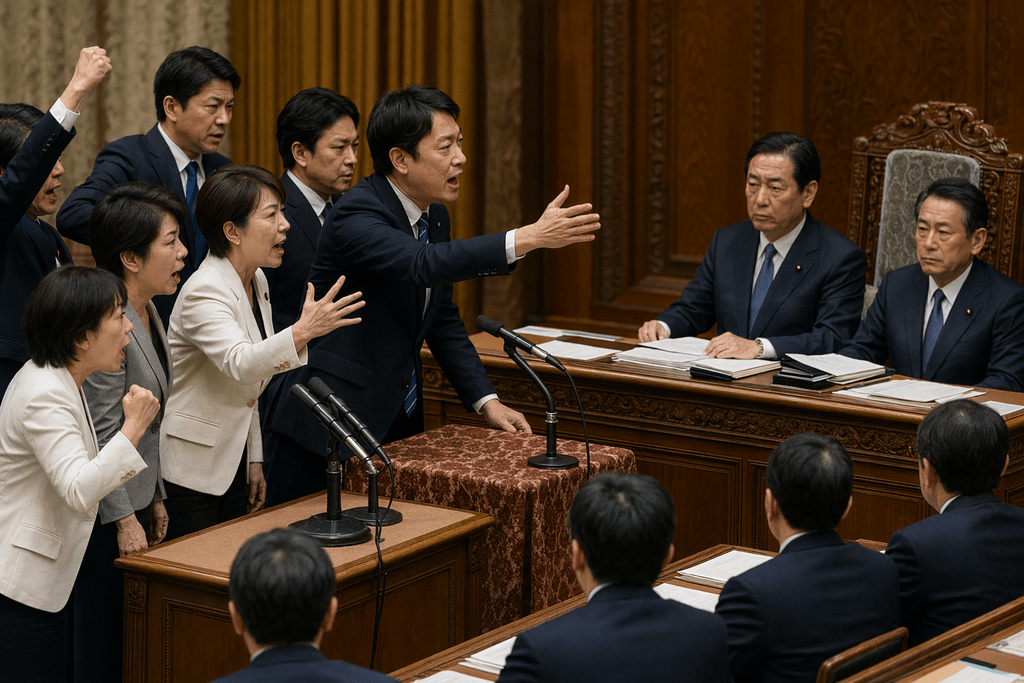
野党
အတိုက်အခံပါတီ
野党
အတိုက်အခံပါတီ
Explanation
野党
အတိုက်အခံပါတီ
野党
အာဏာရအစိုးရကို ဆန့်ကျင်နေသော နိုင်ငံရေးပါတီ / အာဏာရမဟုတ်သည့် နိုင်ငံရေးပါတီ
အာဏာရပါတီက ဥပဒေကြမ်းကို မဲခွဲဆုံးဖြတ်ရန် အလျင်အမြန် ဆောင်ရွက်နေချိန်တွင် အတိုက်အခံပါတီများက ဆွေးနွေးစစ်ဆေးမှုတွင် ချို့ယွင်းချက်များကို ထောက်ပြကာ အဆုံးထိ တိုက်ပွဲဆင်ရန် အနေအထားကို မလျော့ပျက်ထားခဲ့သည်။
( Base form )
( romanization )
( hiragana )
強制
အတင်းအကျပ်ခိုင်းစေမှု
強制
အတင်းအကျပ်ခိုင်းစေမှု
Explanation
強制
အတင်းအကျပ်ခိုင်းစေမှု
強制
အတင်းအကျပ်ပေးခိုင်းခြင်း / ခိုင်းတင်ခြင်း / အတင်းအကျပ်ဖြင့် အကောင်အထည်ဖော်ခြင်း
အပြင်ပန်းအားဖြင့်တော့ မိမိဆန္ဒအလျောက် ပါဝင်ခြင်းဟု ဆိုထားခဲ့သော်လည်း၊ လက်တွေ့တွင်တော့ အထက်အရာရှိ၏ အကဲဖြတ်မှုကို အကြောင်းပြု၍ ဖိအားပေးစေခိုင်းခြင်းမှတစ်ပါး မဟုတ်ခဲ့ပါ။

( Base form )
( romanization )
( hiragana )
平たい
ပြားသော / နားလည်လွယ်သော
平たい
ပြားသော / နားလည်လွယ်သော
Explanation
平たい
ပြားသော / နားလည်လွယ်သော
平たい
ပြားပြီး ညီညာ၊ ချောမွေ့သော / (စကား) ရိုးရိုးသားသား၊ ရှင်းလင်းသော
ယခု ပင် ၊ သူ သည် သူ ၏ မှတ်ဉာဏ် တွင် နက်ရှိုင်း စွာ မြှုပ်နှံ ထား သော ဇာတိ မြို့ ၏ အမှတ်အသား တစ် ခု အဖြစ် ၊ ကလေး တစ် ယောက် က ကောက်ယူ ခဲ့ သော ၊ ချောမွေ့ သော ကျောက်တုံး ပါးပါး တစ် ခု ကို သူ ၏ စားပွဲ အံဆွဲ ထဲ တွင် သိမ်းဆည်း ထား သည် ။

Word Forms
The basic and commonly used forms of this adjective.
Basic forms
| Form | Word form | Usage |
|---|---|---|
| Imperfective form (mizenkei) | Used in forms such as karou; mainly literary. | |
| Continuative form (renyokei) |
Alternative:
平たかっ
|
Used in forms such as kute and kunai. |
| Conclusive form (shushikei) | Ends a sentence. | |
| Attributive form (rentaikei) | Modifies a noun. | |
| Conditional form (kateikei) | Expresses a condition with kereba. | |
| Imperative form (meireikei) | Rarely used in modern Japanese. |
Common forms
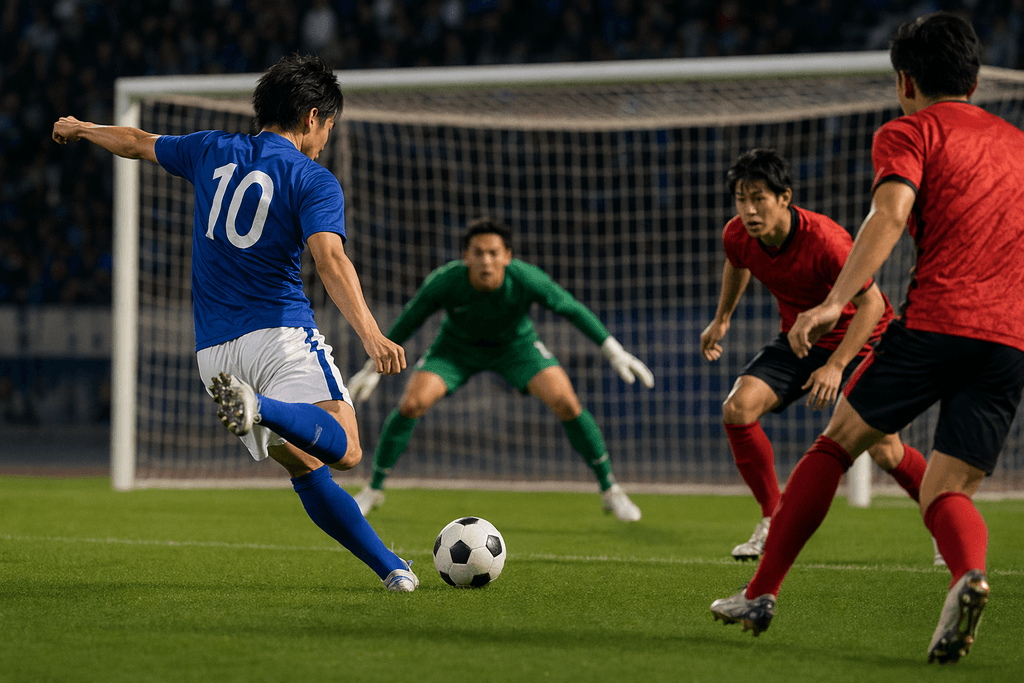
攻め
ထိုးစစ်ဆင်မှု
攻め
ထိုးစစ်ဆင်မှု
Explanation
攻め
ထိုးစစ်ဆင်မှု
攻め
တိုက်ခိုက်မှု၊ ထိုးစစ် / (အားကစား/ဂိမ်း) အဖျက်ပိုင်း၊ ထိုးစစ်ဘက် / (လိင်ရေးရာ) ဦးဆောင်/ထိုးစစ်ဘက် (seme)
သူ ၏ ပြိုင်ဘက် ၏ ကာကွယ် မှု ယိမ်းယိုင် ခဲ့ သော အချိန် ကို မ လွတ် ဘဲ ၊ သူ သည် ပြိုင်ပွဲ ၏ ထိန်းချုပ် မှု ကို အရှိန်အမြန် ပြောင်းလဲ မှု များ ရောနှော သော တိုက်ခိုက် မှု တစ် ခု နှင့်အတူ ချက်ချင်း ရယူ ခဲ့ သည် ။
悲鳴
အော်ဟစ်သံ
悲鳴
အော်ဟစ်သံ
Explanation
悲鳴
အော်ဟစ်သံ
悲鳴
အော်ကျည်သံ / ကြောက်ထိတ်လန့်၍ အော်သံ / နာကျင်၍ ရုတ်တရက် အော်သံ
စွန့်ပစ်ထားတဲ့ ဆေးရုံရဲ့ နက်ရှိုင်းတဲ့နေရာကနေ ပဲ့တင်ထပ်နေတဲ့ အော်ဟစ်သံက ရဲစွမ်းသတ္တိစမ်းသပ်မှုတစ်ခုအလား အထဲဝင်လာတဲ့ ကျောင်းသားတွေရဲ့ ပေါ့ပေါ့တန်တန် အော်ဟစ်သံကို ချက်ချင်း ဖယ်ရှားပစ်လိုက်တယ်။

( Base form )
( romanization )
( hiragana )
温和
နူးညံ့သော / အေးချမ်းသာယာသော
温和
နူးညံ့သော / အေးချမ်းသာယာသော
Explanation
温和
နူးညံ့သော / အေးချမ်းသာယာသော
温和
နူးညံ့သိမ်မွေ့ / အေးဆေးသာယာ / ရင်းနှီးပြေပြစ်

Word Forms
The basic and commonly used forms of this adjectival noun.
Basic forms
| Form | Word form | Usage |
|---|---|---|
| Imperfective form (mizenkei) | Used in forms such as darou. | |
| Continuative form (renyokei) |
Alternative:
温和に
|
Used with de or ni. |
| Conclusive form (shushikei) | Ends a sentence with da. | |
| Attributive form (rentaikei) | Modifies a noun with na. | |
| Conditional form (kateikei) | Expresses a condition with nara. | |
| Imperative form (meireikei) | Used in formal expressions such as de are. |
Common forms
跡切れる
ပြတ်တောက်သည်
跡切れる
ပြတ်တောက်သည်
Explanation
跡切れる
ပြတ်တောက်သည်
跡切れる
အဆက်ပြတ်သွားသည် / ခဏရပ်နားသွားသည် / အဆုံးသတ်သွားသည်
ညှိနှိုင်းမှုက တစ်ချိန်တည်းမှာ တိုးတက်လာခဲ့ပေမယ့် နှစ်ဖက်စလုံးရဲ့ မယုံကြည်မှုကို မဖျောက်နိုင်ခဲ့ကြသဖြင့် နောက်ဆုံးမှာ ဆွေးနွေးညှိနှိုင်းမှုဟာ ပြတ်တောက်သွားခဲ့ပါတယ်။

Word Forms
The basic and commonly used forms of this verb.
Basic forms
| Form | Word form | Usage |
|---|---|---|
| Imperfective form (mizenkei) |
Alternative:
途切れ
とぎれ
|
Connects to endings such as nai, reru, and seru. |
| Continuative form (renyokei) |
Alternative:
途切れ
とぎれ
|
Connects to endings such as masu, tai, and ta. |
| Conclusive form (shushikei) |
Alternative:
途切れる
とぎれる
|
Ends a sentence and serves as the dictionary form. |
| Attributive form (rentaikei) |
Alternative:
途切れる
とぎれる
|
Modifies a noun. |
| Conditional form (kateikei) |
Alternative:
途切れれ
とぎれれ
|
Combines with ba to express a condition. |
| Imperative form (meireikei) |
Alternative:
跡切れよ
途切れろ
途切れよ
とぎれろ
とぎれよ
|
Expresses a command or instruction. |
Common forms
| Form | Word form | Usage |
|---|---|---|
| Te-form |
Alternative:
途切れて
とぎれて
|
Connects clauses with te. |
| Ta-form |
Alternative:
途切れた
とぎれた
|
Expresses the past with ta. |
| Nai-form |
Alternative:
途切れない
とぎれない
|
Expresses negation with nai. |
| Masu-form |
Alternative:
途切れます
とぎれます
|
Used for polite speech. |
| Ba-form |
Alternative:
途切れれば
とぎれれば
|
Expresses a condition with ba. |
| Volitional form |
Alternative:
途切れよう
とぎれよう
|
Expresses intention or invitation. |
Notes
Loading...

JLPT N1 多言語単語帳・3032語 / JLPT N1 Multilingual Vocabulary: 3032 Words

Jonathan Waller 氏の JLPT Resources の語彙リスト・レベル分類を出典とし、CC BY の条件に従って DiQt が学習者向けに意味を作り直した3032語の単語帳です。JLPT公式の語彙リストではありません。
This collection of 3032 words is based on the vocabulary list and level classifications in Jonathan Waller’s JLPT Resources under CC BY, with meanings rewritten by DiQt for learners. It is not an official JLPT vocabulary list.
Key Operations
Select the first quiz:
Ctrl + Enter
View Explanation:Ctrl + G
Close a feedback:Esc
When selecting a quiz
Answer:Enter
Select a choice:↓ or ↑
Reading out the question:Ctrl + K
View Hint: Ctrl + M
I don't know: Ctrl + Y



