
JLPT N1 แบบฝึกหัดความหมายคำศัพท์ - Unsolved

เรียนรู้ความหมายภาษาไทยของคำศัพท์ JLPT N1 จำนวน 3032 คำด้วยคำถามแบบ 4 ตัวเลือก
-
กลับคืน
-
แปลงร่าง
-
ตัดเย็บตามขนาด / จัดเตรียม
-
สนธิสัญญา
-
ของล้ำค่า
-
ที่ดินเกษตร
-
ทุกคน
-
การเลี้ยงปศุสัตว์
-
การคว้ามาได้
-
ตามความเหมาะสม
-
อย่างเด็ดขาด
-
อย่างแรง / อย่างมาก
-
การเป็นตัวกลาง
-
ตราประจำตัว
-
ลัทธิคอมมิวนิสต์
-
ดูโดดเด่นสวยงาม
-
ต้องการ
-
พลิกคว่ำ / ล้มล้าง
-
ความใจร้อน
-
การกรน
-
ชายเสื้อผ้า / เชิงเขา
-
รวมเข้าด้วยกัน / จับให้ตรงกัน
-
เด้ง / คึกคักขึ้น
-
ทำให้ทุกข์ใจ
- 「寄越す」の表記異形。
-
ชายฝั่งทะเล
-
อคติ
-
ข้อถกเถียงในสังคม
-
ไม่ทราบแน่ชัด
-
จริงใจ
-
คลุมเครือ
- 「厳かなる」は文語的・荘重な連体形。
見合わせる
สบตากัน / ระงับไว้ก่อน
見合わせる
สบตากัน / ระงับไว้ก่อน
Explanation
見合わせる
สบตากัน / ระงับไว้ก่อน
見合わせる
งดไว้ก่อน / ยกเลิกชั่วคราวตามสถานการณ์ / ระงับการดำเนินการไว้ก่อน

Word Forms
The basic and commonly used forms of this verb.
Basic forms
| Form | Word form | Usage |
|---|---|---|
| Imperfective form (mizenkei) | Connects to endings such as nai, reru, and seru. | |
| Continuative form (renyokei) | Connects to endings such as masu, tai, and ta. | |
| Conclusive form (shushikei) | Ends a sentence and serves as the dictionary form. | |
| Attributive form (rentaikei) | Modifies a noun. | |
| Conditional form (kateikei) | Combines with ba to express a condition. | |
| Imperative form (meireikei) |
Alternative:
見合わせよ
|
Expresses a command or instruction. |
Common forms
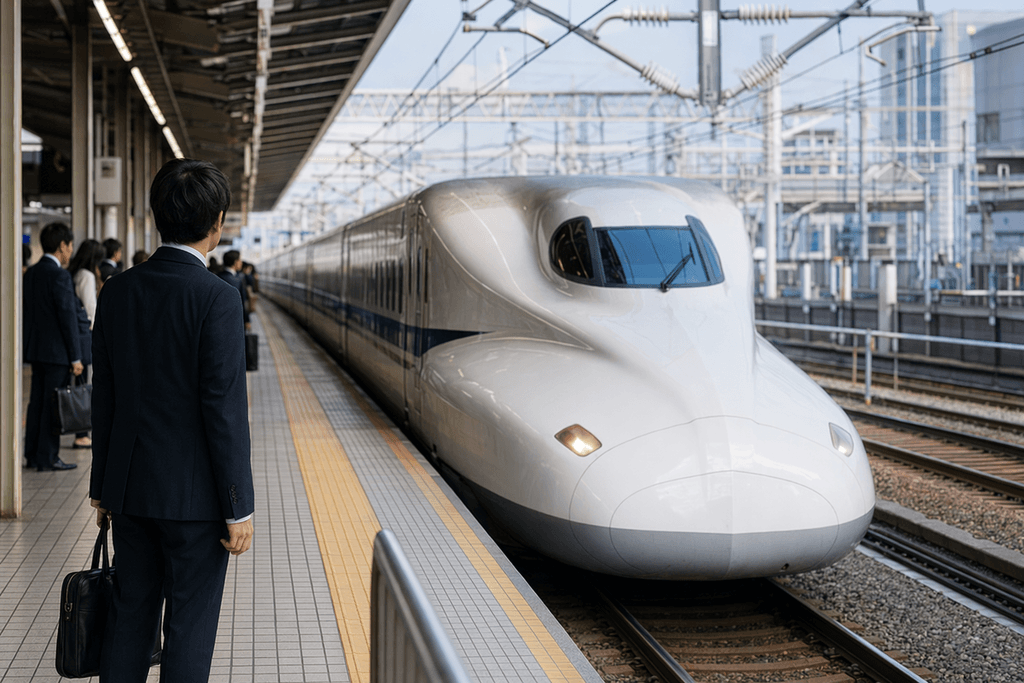
着
การมาถึง / เสื้อผ้า
着
การมาถึง / เสื้อผ้า
Explanation
着
การมาถึง / เสื้อผ้า
着
คำต่อท้ายหมายถึงการมาถึงที่/เวลา (เช่น ถึงโตเกียว, ถึงเวลา…) / ลักษณนาม/คำบอกลำดับการเข้าเส้นชัยหรือการมาถึง (เช่น อันดับหนึ่ง) / คำต่อท้าย (อ่าน -ぎ) หมายถึง เสื้อผ้า; เครื่องนุ่งห่ม
( romanization )
( hiragana )
中枢
ศูนย์กลางควบคุม
中枢
ศูนย์กลางควบคุม
Explanation
中枢
ศูนย์กลางควบคุม
中枢
ศูนย์กลาง (การควบคุม/การสั่งการ) / แกนกลาง; ศูนย์รวม / ศูนย์กลางระบบประสาท

( Base form )
( romanization )
( kyūjitai )
( hiragana )
さぞ
คงจะอย่างแน่นอน
さぞ
คงจะอย่างแน่นอน
Explanation
คงจะอย่างแน่นอน
さぞ
แน่นอน / ไม่ต้องสงสัย / คงจะ

( romanization )
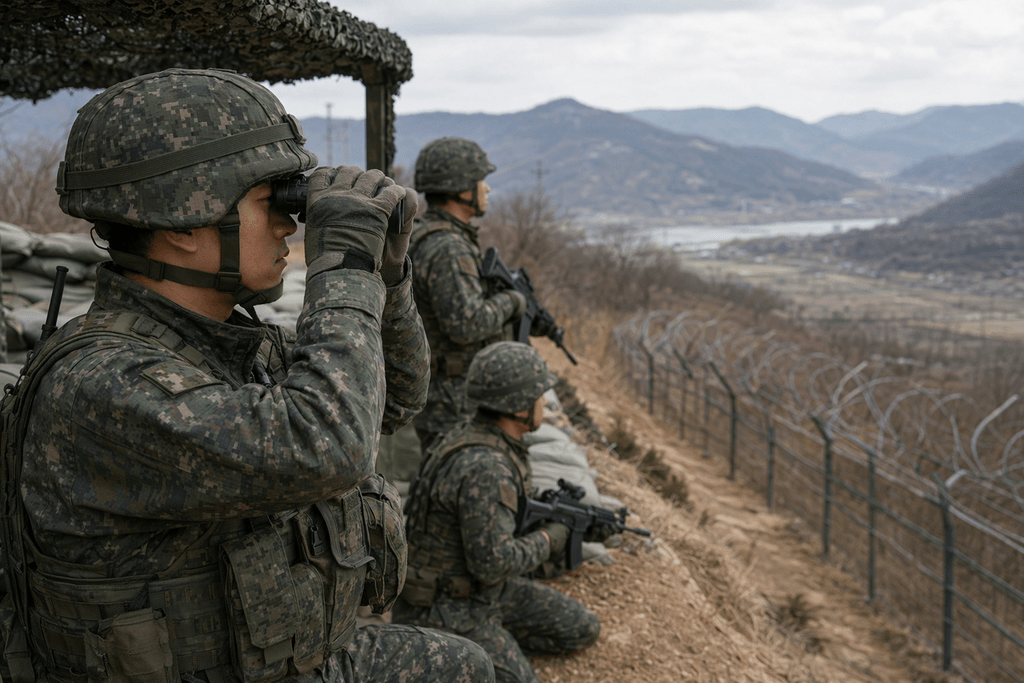
兵士
ทหาร
兵士
ทหาร
Explanation
兵士
ทหาร
兵士
ทหาร; ทหารราบ / สมาชิกกองทัพความรอดยศทหาร (ในศาสนาคริสต์)
( Base form )
( romanization )
( hiragana )
定まる
ถูกกำหนดแน่นอน
定まる
ถูกกำหนดแน่นอน
Explanation
定まる
ถูกกำหนดแน่นอน
定まる
ตกลงแน่นอน / กำหนดแน่ชัด / เข้าที่มั่นคง

Word Forms
The basic and commonly used forms of this verb.
Basic forms
| Form | Word form | Usage |
|---|---|---|
| Imperfective form (mizenkei) | Connects to endings such as nai, reru, and seru. | |
| Continuative form (renyokei) | Connects to endings such as masu, tai, and ta. | |
| Conclusive form (shushikei) | Ends a sentence and serves as the dictionary form. | |
| Attributive form (rentaikei) | Modifies a noun. | |
| Conditional form (kateikei) | Combines with ba to express a condition. | |
| Imperative form (meireikei) | Expresses a command or instruction. |
Common forms
根本
รากฐานสำคัญ
根本
รากฐานสำคัญ
Explanation
根本
รากฐานสำคัญ
根本
พื้นฐาน / รากฐาน / ต้นตอ

( Base form )
( romanization )
( hiragana )
寄こす
ส่งมาให้
寄こす
ส่งมาให้
Explanation
寄こす
ส่งมาให้
寄こす
ส่งมาให้ / ยื่น/มอบให้ / ใช้ส่งสาส์นหรือคนมาให้

Word Forms
The basic and commonly used forms of this verb.
Basic forms
| Form | Word form | Usage |
|---|---|---|
| Imperfective form (mizenkei) |
Alternative:
寄こそ
|
Connects to endings such as nai, reru, and seru. |
| Continuative form (renyokei) | Connects to endings such as masu, tai, and ta. | |
| Conclusive form (shushikei) | Ends a sentence and serves as the dictionary form. | |
| Attributive form (rentaikei) | Modifies a noun. | |
| Conditional form (kateikei) | Combines with ba to express a condition. | |
| Imperative form (meireikei) | Expresses a command or instruction. |
Common forms
| Form | Word form | Usage |
|---|---|---|
| Te-form | Connects clauses with te. | |
| Ta-form | Expresses the past with ta. | |
| Nai-form | Expresses negation with nai. | |
| Masu-form | Used for polite speech. | |
| Ba-form | Expresses a condition with ba. | |
| Volitional form | Expresses intention or invitation. |
Notes
結合
การรวมตัวขององค์ประกอบ
結合
การรวมตัวขององค์ประกอบ
Explanation
結合
การรวมตัวขององค์ประกอบ
結合
การรวมกัน; การผสมผสาน / การเชื่อมต่อ; การประกอบเข้าด้วยกัน / การยึดเหนี่ยว; การจับติด

( Base form )
( romanization )
( hiragana )
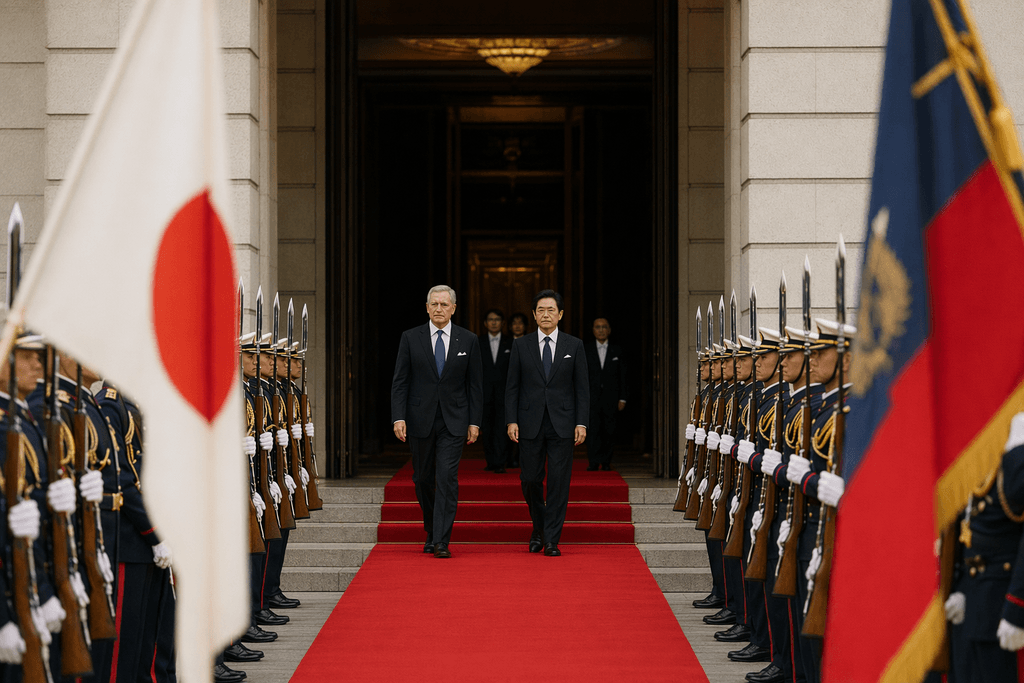
厳か
เคร่งขรึม
厳か
เคร่งขรึม
Explanation
厳か
เคร่งขรึม
厳か
เคร่งขรึม; ศักดิ์สิทธิ์ (บรรยากาศ/พิธี) / สง่างาม; ภูมิฐาน; น่าเกรงขาม / จริงจัง; เอาจริงเอาจัง
Word Forms
The basic and commonly used forms of this adjectival noun.
Basic forms
| Form | Word form | Usage |
|---|---|---|
| Imperfective form (mizenkei) | Used in forms such as darou. | |
| Continuative form (renyokei) |
Alternative:
厳かに
厳かだっ
|
Used with de or ni. |
| Conclusive form (shushikei) | Ends a sentence with da. | |
| Attributive form (rentaikei) |
Alternative:
厳かなる
|
Modifies a noun with na. |
| Conditional form (kateikei) | Expresses a condition with nara. | |
| Imperative form (meireikei) | Used in formal expressions such as de are. |
Common forms
| Form | Word form | Usage |
|---|---|---|
| Te-form equivalent | Connects clauses using de. | |
| Ta-form | Expresses the past with datta. | |
| Nai-form |
Alternative:
厳かじゃない
|
Expresses negation with dewa nai or ja nai. |
| Desu-form | Used for polite speech. |
Notes
Loading...

JLPT N1 多言語単語帳・3032語 / JLPT N1 Multilingual Vocabulary: 3032 Words

Jonathan Waller 氏の JLPT Resources の語彙リスト・レベル分類を出典とし、CC BY の条件に従って DiQt が学習者向けに意味を作り直した3032語の単語帳です。JLPT公式の語彙リストではありません。
This collection of 3032 words is based on the vocabulary list and level classifications in Jonathan Waller’s JLPT Resources under CC BY, with meanings rewritten by DiQt for learners. It is not an official JLPT vocabulary list.
Key Operations
Select the first quiz:
Ctrl + Enter
View Explanation:Ctrl + G
Close a feedback:Esc
When selecting a quiz
Answer:Enter
Select a choice:↓ or ↑
Reading out the question:Ctrl + K
View Hint: Ctrl + M
I don't know: Ctrl + Y



