
JLPT N1 แบบฝึกหัดความหมายคำศัพท์ - Unsolved

เรียนรู้ความหมายภาษาไทยของคำศัพท์ JLPT N1 จำนวน 3032 คำด้วยคำถามแบบ 4 ตัวเลือก
-
ความสัมพันธ์
-
การกล่าวอย่างอ้อมค้อม
-
วิทยาลัยหลักสูตรสองปี
-
สกปรก / น่าขยะแขยง
-
อุ่นน้อยๆ / ไม่เอาจริง
-
เด่นชัด
-
การแผ่รังสี
-
การจ้างงาน
-
กำลังสอง
-
วิธีมอง
-
การรับใช้ผู้อื่น
-
ประสิทธิภาพ
-
ทำให้ใส / ทำท่าสงบนิ่ง
-
ล่าช้า / ค้างชำระ
-
ตำหนิติเตียน
- 文語・古語の「生く」。現代語では多く「生きる」を用いる。
- 文語の已然形「いくれ」を便宜上 katei に収める。
- derived は見出し語の語幹に基づく参考形を含む。
-
อีกไม่นาน
-
อย่างยิ่ง
-
ตรงไปตรงมา / อย่างตรงจุด
-
เรียบง่ายสะดวก
-
สีเหลือง
-
บอบบาง / เพรียวบาง
-
บทเรียน
-
การตำหนิวิจารณ์
-
โจ๊ก
-
สารละลาย
-
ปณิธาน
-
เท่ากันหมด
-
ส่วนใหญ่ / คงจะ
-
ความรู้สึกในใจ
-
การทำของหาย
身振り
ท่าทาง
身振り
ท่าทาง
Explanation
身振り
ท่าทาง
身振り
ท่าทางประกอบการพูด / การใช้มือไม้สื่อสาร (ท่าทาง) / ภาษากาย

( Base form )
( romanization )
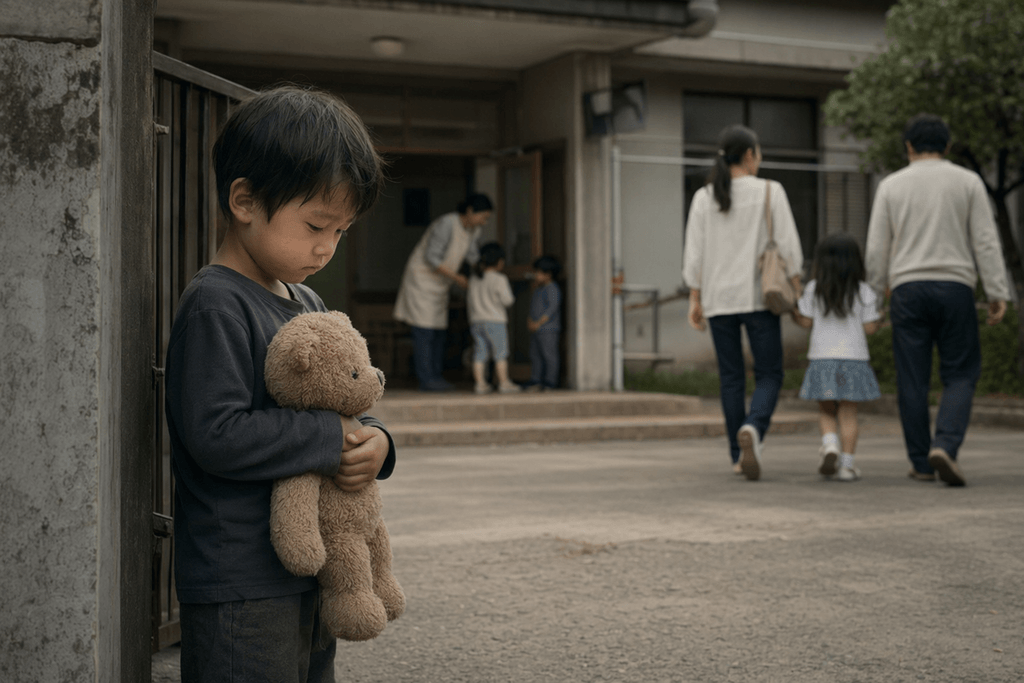
心細い
หวั่นใจ / เหงา
心細い
หวั่นใจ / เหงา
Explanation
心細い
หวั่นใจ / เหงา
心細い
รู้สึกโดดเดี่ยวหวั่นไหว / ท้อแท้หมดหวัง / รู้สึกไร้ที่พึ่ง

Word Forms
The basic and commonly used forms of this adjective.
Basic forms
| Form | Word form | Usage |
|---|---|---|
| Imperfective form (mizenkei) | Used in forms such as karou; mainly literary. | |
| Continuative form (renyokei) |
Alternative:
心細かっ
|
Used in forms such as kute and kunai. |
| Conclusive form (shushikei) | Ends a sentence. | |
| Attributive form (rentaikei) | Modifies a noun. | |
| Conditional form (kateikei) | Expresses a condition with kereba. | |
| Imperative form (meireikei) | Rarely used in modern Japanese. |
Common forms
気兼ね
ความเกรงใจ
気兼ね
ความเกรงใจ
Explanation
気兼ね
ความเกรงใจ
気兼ね
ความเกรงใจ / ความลังเลเพราะเกรงว่าจะรบกวนผู้อื่น / ความรู้สึกอึดอัด/เก็บงำเพราะเกรงใจ

( Base form )
( romanization )
孤児
เด็กกำพร้า
孤児
เด็กกำพร้า
Explanation
孤児
เด็กกำพร้า
孤児
เด็กกำพร้า / ผู้กำพร้า
( Base form )
( romanization )
( hiragana )
いく
ไป
いく
ไป
Explanation
ไป
いく
มีชีวิต; มีชีวิตอยู่ (โบราณ) / ฟื้นคืนชีพ; กลับมามีชีวิต (โบราณ) / เจริญงอกงาม; รุ่งเรือง/ได้ผลดี (โบราณ)

Word Forms
The basic and commonly used forms of this verb.
Basic forms
| Form | Word form | Usage |
|---|---|---|
| Imperfective form (mizenkei) | Connects to endings such as nai, reru, and seru. | |
| Continuative form (renyokei) | Connects to endings such as masu, tai, and ta. | |
| Conclusive form (shushikei) | Ends a sentence and serves as the dictionary form. | |
| Attributive form (rentaikei) | Modifies a noun. | |
| Conditional form (kateikei) | Combines with ba to express a condition. | |
| Imperative form (meireikei) | Expresses a command or instruction. |
Common forms
| Form | Word form | Usage |
|---|---|---|
| Te-form | Connects clauses with te. | |
| Ta-form | Expresses the past with ta. | |
| Nai-form | Expresses negation with nai. | |
| Masu-form | Used for polite speech. | |
| Ba-form | Expresses a condition with ba. | |
| Volitional form | Expresses intention or invitation. |
Notes
ほんの
เพียง
ほんの
เพียง
Explanation
เพียง
ほんの
เพียงแค่ / เพียงเล็กน้อย / นิดเดียว

猛烈
รุนแรงมาก
猛烈
รุนแรงมาก
Explanation
猛烈
รุนแรงมาก
猛烈
รุนแรงมาก; แรงจัด / ดุเดือด; เกรี้ยวกราด / จัดจ้าน; เผ็ดร้อน (เช่น แดด ความร้อน การโจมตี)

Word Forms
The basic and commonly used forms of this adjectival noun.
Basic forms
| Form | Word form | Usage |
|---|---|---|
| Imperfective form (mizenkei) |
Alternative:
猛烈でしょ
|
Used in forms such as darou. |
| Continuative form (renyokei) |
Alternative:
猛烈に
|
Used with de or ni. |
| Conclusive form (shushikei) |
Alternative:
猛烈です
|
Ends a sentence with da. |
| Attributive form (rentaikei) |
Alternative:
猛烈なる
|
Modifies a noun with na. |
| Conditional form (kateikei) |
Alternative:
猛烈であれば
|
Expresses a condition with nara. |
| Imperative form (meireikei) | Used in formal expressions such as de are. |
Common forms
賢明
ความเฉลียวฉลาดรอบคอบ
賢明
ความเฉลียวฉลาดรอบคอบ
Explanation
賢明
ความเฉลียวฉลาดรอบคอบ
賢明
ความฉลาดหลักแหลม / ความรอบคอบ / ความมีวิจารณญาณ

( Base form )
( romanization )
( hiragana )
渦
วังน้ำวน
渦
วังน้ำวน
Explanation
渦
วังน้ำวน
渦
กระแสน้ำวน / น้ำวน / วังวน

( romanization )
( romanization )
( hiragana historical )
( hiragana )
兆し
สัญญาณ / ลาง
兆し
สัญญาณ / ลาง
Explanation
兆し
สัญญาณ / ลาง
兆し
สัญญาณ / ลางบอกเหตุ / เค้าลาง

( Base form )
( romanization )
Loading...

JLPT N1 多言語単語帳・3032語 / JLPT N1 Multilingual Vocabulary: 3032 Words

Jonathan Waller 氏の JLPT Resources の語彙リスト・レベル分類を出典とし、CC BY の条件に従って DiQt が学習者向けに意味を作り直した3032語の単語帳です。JLPT公式の語彙リストではありません。
This collection of 3032 words is based on the vocabulary list and level classifications in Jonathan Waller’s JLPT Resources under CC BY, with meanings rewritten by DiQt for learners. It is not an official JLPT vocabulary list.
Key Operations
Select the first quiz:
Ctrl + Enter
View Explanation:Ctrl + G
Close a feedback:Esc
When selecting a quiz
Answer:Enter
Select a choice:↓ or ↑
Reading out the question:Ctrl + K
View Hint: Ctrl + M
I don't know: Ctrl + Y



