
JLPT N1: Latihan arti kata - Unsolved

Pelajari arti 3032 kata JLPT N1 dalam bahasa Indonesia melalui soal dengan empat pilihan jawaban.
-
membangkang / bertentangan
-
mencoba
-
meredakan
-
seluruh hadirin
-
gairah
-
gerak isyarat
-
cerdik
-
lincah / ceria
-
melekat / khas
-
mengendalikan / mengalahkan
-
mencabuti
-
musnah
-
lama berlangsung
-
merepotkan
-
licik / mencolok
-
meredakan
-
menanyakan
-
terbayar / tersimpan
-
lembut
-
masing-masing
-
super
-
menyediakan makanan / menanggung biaya
-
memberitakan
-
merekrut / kian kuat
-
menyusuri
-
terbelit / melibatkan
-
menjadi layu
-
seragam
-
sela waktu
-
kemenangan pemilu / kemenangan undian
取り除く
menyingkirkan
取り除く
menyingkirkan
Explanation
取り除く
menyingkirkan
取り除く
menghilangkan / menyingkirkan / membawa pergi

Word Forms
The basic and commonly used forms of this verb.
Basic forms
| Form | Word form | Usage |
|---|---|---|
| Imperfective form (mizenkei) |
Alternative:
取り除こ
|
Connects to endings such as nai, reru, and seru. |
| Continuative form (renyokei) | Connects to endings such as masu, tai, and ta. | |
| Conclusive form (shushikei) | Ends a sentence and serves as the dictionary form. | |
| Attributive form (rentaikei) | Modifies a noun. | |
| Conditional form (kateikei) | Combines with ba to express a condition. | |
| Imperative form (meireikei) | Expresses a command or instruction. |
Common forms
居住
hunian
居住
hunian
Explanation
居住
hunian
居住
kediaman / tempat tinggal / hunian
Setelah mengkonfirmasi realitas tempat tinggal jangka panjang, pemerintah setempat dengan hati-hati menentukan siapa yang memenuhi syarat untuk subsidi tersebut.

( Base form )
( romanization )
( hiragana )
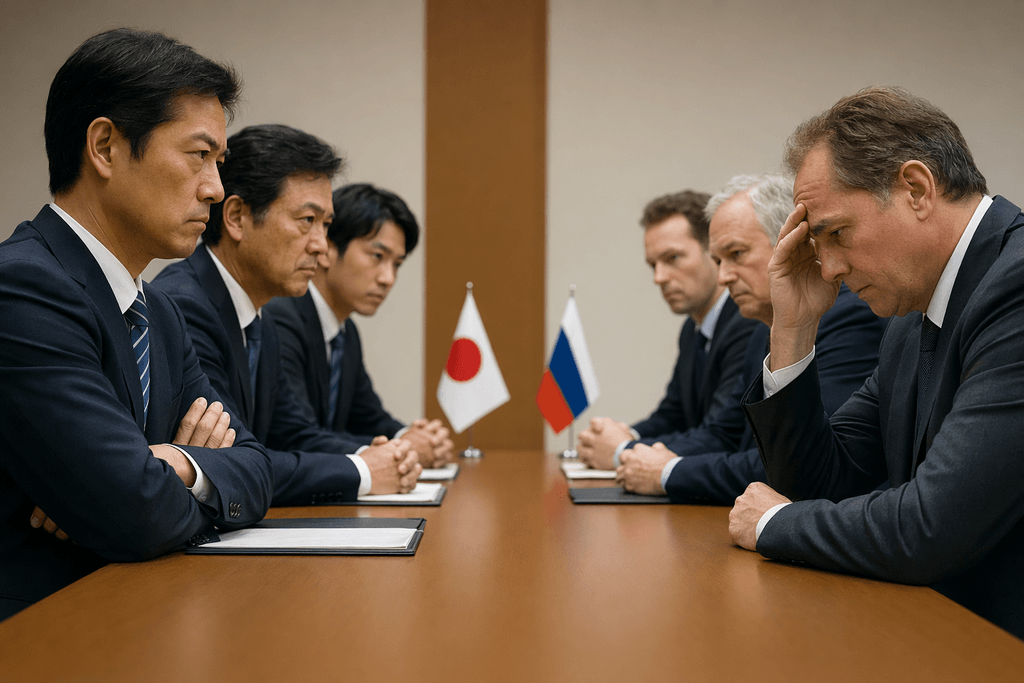
強硬
berpendirian keras
強硬
berpendirian keras
Explanation
強硬
berpendirian keras
強硬
ketegasan / sikap keras / garis keras
Word Forms
The basic and commonly used forms of this adjectival noun.
Basic forms
| Form | Word form | Usage |
|---|---|---|
| Imperfective form (mizenkei) | Used in forms such as darou. | |
| Continuative form (renyokei) |
Alternative:
強硬に
強硬だっ
|
Used with de or ni. |
| Conclusive form (shushikei) | Ends a sentence with da. | |
| Attributive form (rentaikei) |
Alternative:
強硬なる
|
Modifies a noun with na. |
| Conditional form (kateikei) | Expresses a condition with nara. | |
| Imperative form (meireikei) | Used in formal expressions such as de are. |
Common forms
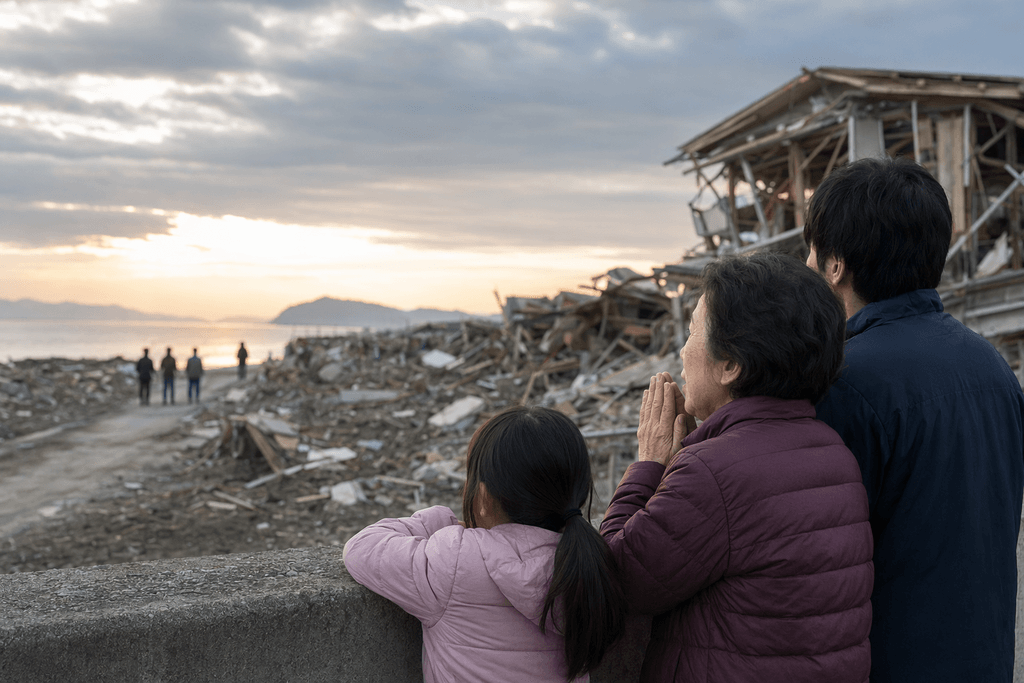
待ち望む
menanti dengan penuh harap
待ち望む
menanti dengan penuh harap
Explanation
待ち望む
menanti dengan penuh harap
待ち望む
sangat menantikan / menunggu dengan penuh harap / menantikan dengan tidak sabar
Meskipun belum ada kepastian kapan pemulihan akan tercapai, masyarakat di daerah terdampak bencana tetap menantikan hari bisa bertemu kembali secepat mungkin.
Word Forms
The basic and commonly used forms of this verb.
Basic forms
| Form | Word form | Usage |
|---|---|---|
| Imperfective form (mizenkei) |
Alternative:
待ち望も
|
Connects to endings such as nai, reru, and seru. |
| Continuative form (renyokei) | Connects to endings such as masu, tai, and ta. | |
| Conclusive form (shushikei) | Ends a sentence and serves as the dictionary form. | |
| Attributive form (rentaikei) | Modifies a noun. | |
| Conditional form (kateikei) | Combines with ba to express a condition. | |
| Imperative form (meireikei) | Expresses a command or instruction. |
Common forms
汚らわしい
kotor / menjijikkan
汚らわしい
kotor / menjijikkan
Explanation
汚らわしい
kotor / menjijikkan
汚らわしい
kotor / najis / menjijikkan
Dia berulang kali melakukan transaksi kotor di balik bayang-bayang kekuasaan, dan sama sekali tidak memiliki sedikit pun kelayakan untuk berbicara tentang keadilan.

Word Forms
The basic and commonly used forms of this adjective.
Basic forms
| Form | Word form | Usage |
|---|---|---|
| Imperfective form (mizenkei) | Used in forms such as karou; mainly literary. | |
| Continuative form (renyokei) |
Alternative:
汚らしかっ
|
Used in forms such as kute and kunai. |
| Conclusive form (shushikei) | Ends a sentence. | |
| Attributive form (rentaikei) | Modifies a noun. | |
| Conditional form (kateikei) | Expresses a condition with kereba. | |
| Imperative form (meireikei) | Rarely used in modern Japanese. |
Common forms
折り返す
melipat balik / berbalik
折り返す
melipat balik / berbalik
Explanation
折り返す
melipat balik / berbalik
折り返す
melipat balik / menggulung atau menyingsingkan (bagian pakaian) / berbalik arah atau kembali
Ia berusaha agar tidak memperlihatkan emosinya, namun pada ujung jari yang membalik manset lengan, tekad dan keraguan bercampur menjadi satu.

Word Forms
The basic and commonly used forms of this verb.
Basic forms
| Form | Word form | Usage |
|---|---|---|
| Imperfective form (mizenkei) |
Alternative:
折り返そ
|
Connects to endings such as nai, reru, and seru. |
| Continuative form (renyokei) | Connects to endings such as masu, tai, and ta. | |
| Conclusive form (shushikei) | Ends a sentence and serves as the dictionary form. | |
| Attributive form (rentaikei) | Modifies a noun. | |
| Conditional form (kateikei) | Combines with ba to express a condition. | |
| Imperative form (meireikei) | Expresses a command or instruction. |
Common forms
非
non
非
non
Explanation
非
non
非
awalan yang menyatakan negasi (tidak/bukan) / non-, tak- (awalan penyangkalan)

( romanization )
( hiragana )
受け止める
menangkap / menanggapi serius
受け止める
menangkap / menanggapi serius
Explanation
受け止める
menangkap / menanggapi serius
受け止める
Menangkap atau menahan objek yang bergerak. / Menghentikan atau menghalangi laju/kemajuan sesuatu. / Menerima konsekuensi/hasil dan menyikapi situasi; menghadapi kenyataan.
Bola yang melaju dengan kecepatan seratus kilometer per jam itu ia tangkap dengan tangan kosong tanpa bergeming selangkah pun, membuat tribun penonton gempar.

Word Forms
The basic and commonly used forms of this verb.
Basic forms
| Form | Word form | Usage |
|---|---|---|
| Imperfective form (mizenkei) | Connects to endings such as nai, reru, and seru. | |
| Continuative form (renyokei) | Connects to endings such as masu, tai, and ta. | |
| Conclusive form (shushikei) | Ends a sentence and serves as the dictionary form. | |
| Attributive form (rentaikei) | Modifies a noun. | |
| Conditional form (kateikei) | Combines with ba to express a condition. | |
| Imperative form (meireikei) |
Alternative:
受け止めよ
|
Expresses a command or instruction. |
Common forms
偏る
berat sebelah
偏る
berat sebelah
Explanation
偏る
berat sebelah
偏る
condong / berat sebelah / berprasangka

Word Forms
The basic and commonly used forms of this verb.
Basic forms
| Form | Word form | Usage |
|---|---|---|
| Imperfective form (mizenkei) |
Alternative:
偏ろ
|
Connects to endings such as nai, reru, and seru. |
| Continuative form (renyokei) | Connects to endings such as masu, tai, and ta. | |
| Conclusive form (shushikei) | Ends a sentence and serves as the dictionary form. | |
| Attributive form (rentaikei) | Modifies a noun. | |
| Conditional form (kateikei) | Combines with ba to express a condition. | |
| Imperative form (meireikei) | Expresses a command or instruction. |
Common forms
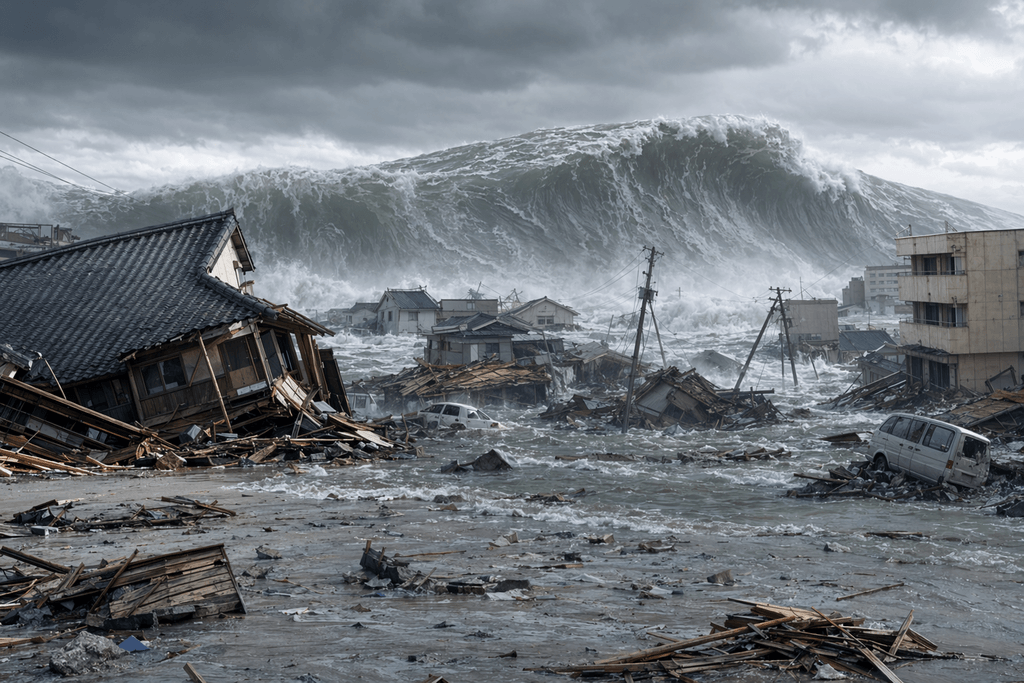
天災
bencana alam
天災
bencana alam
Explanation
天災
bencana alam
天災
bencana alam / malapetaka alam / musibah alam
( Base form )
( romanization )
( hiragana )
Loading...

JLPT N1 多言語単語帳・3032語 / JLPT N1 Multilingual Vocabulary: 3032 Words

Jonathan Waller 氏の JLPT Resources の語彙リスト・レベル分類を出典とし、CC BY の条件に従って DiQt が学習者向けに意味を作り直した3032語の単語帳です。JLPT公式の語彙リストではありません。
This collection of 3032 words is based on the vocabulary list and level classifications in Jonathan Waller’s JLPT Resources under CC BY, with meanings rewritten by DiQt for learners. It is not an official JLPT vocabulary list.
Key Operations
Select the first quiz:
Ctrl + Enter
View Explanation:Ctrl + G
Close a feedback:Esc
When selecting a quiz
Answer:Enter
Select a choice:↓ or ↑
Reading out the question:Ctrl + K
View Hint: Ctrl + M
I don't know: Ctrl + Y



