
JLPT N1: Latihan arti kata - Unsolved

Pelajari arti 3032 kata JLPT N1 dalam bahasa Indonesia melalui soal dengan empat pilihan jawaban.
-
tujuan penggunaan
-
maksud lain tersembunyi
-
kerja keras
-
slogan
-
sisi
-
khasiat
-
kepengarangan
-
kegeraman
-
diskusi meja bundar
-
mengisi penuh / memenuhi
-
menertibkan
-
mewarnai
- 「賜る(たまわる)」はラ行五段活用。謙譲語として「いただく」の意で用いられる。
- 表記揺れとして「賜わる」も見られる。
-
pindah rumah
-
pernyataan publik
-
intensitas tinggi
-
sedapat mungkin
-
sebentar lagi / tepat
-
mohon
-
terbakar matahari / kulit kecokelatan
-
pendapat berbeda
-
pendirian
-
aspirasi
-
sifat organik
-
tukar tambah
-
persalinan
-
penolakan tawaran
-
kemandirian
-
bertentangan dengan
-
memasukkan sebagai bagian
-
berdasarkan
- 読みは「まぐれる」。現代語では同字の「紛れる」は「まぎれる」と読む用法も一般的です。
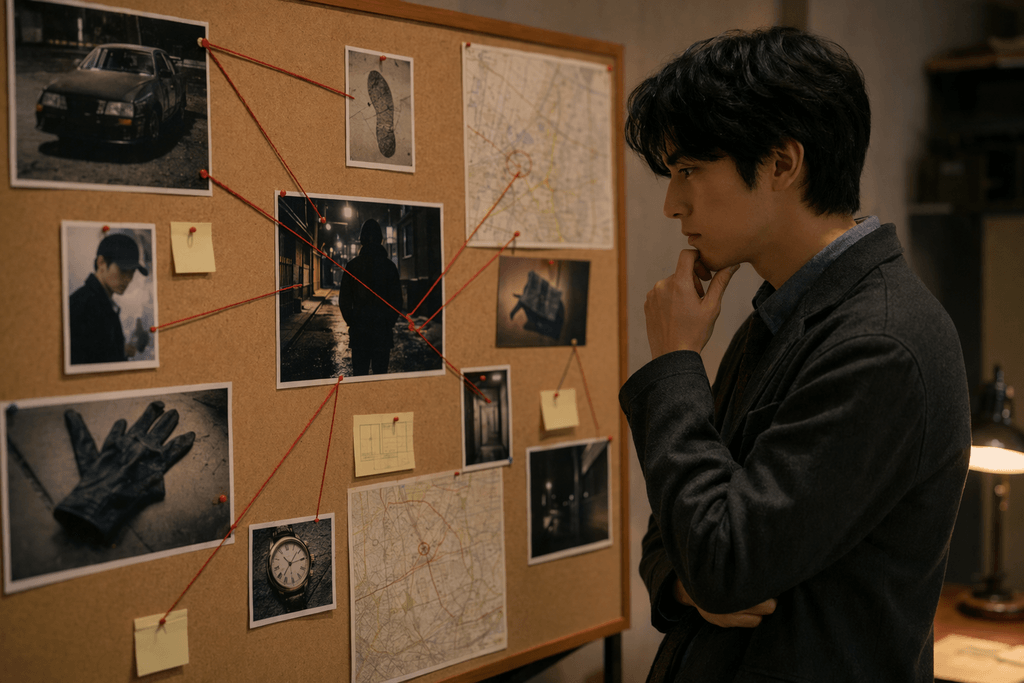
推理
penalaran deduktif
推理
penalaran deduktif
Explanation
推理
penalaran deduktif
推理
penalaran logis / inferensi / deduksi
( Base form )
( romanization )
( hiragana )
本質
hakikat
本質
hakikat
Explanation
本質
hakikat
本質
hakikat / esensi / sifat dasar

( Base form )
( romanization )
( hiragana )
全盛
masa kejayaan
全盛
masa kejayaan
Explanation
全盛
masa kejayaan
全盛
puncak kejayaan / masa keemasan / puncak kemakmuran

( Base form )
( romanization )
( hiragana )
賜る
menerima anugerah / menganugerahkan
賜る
menerima anugerah / menganugerahkan
Explanation
賜る
menerima anugerah / menganugerahkan
賜る
dianugerahi / menerima (secara hormat) / dikaruniai

Word Forms
The basic and commonly used forms of this verb.
Basic forms
| Form | Word form | Usage |
|---|---|---|
| Imperfective form (mizenkei) |
Alternative:
賜ろ
|
Connects to endings such as nai, reru, and seru. |
| Continuative form (renyokei) | Connects to endings such as masu, tai, and ta. | |
| Conclusive form (shushikei) |
Alternative:
賜わる
|
Ends a sentence and serves as the dictionary form. |
| Attributive form (rentaikei) |
Alternative:
賜わる
|
Modifies a noun. |
| Conditional form (kateikei) | Combines with ba to express a condition. | |
| Imperative form (meireikei) | Expresses a command or instruction. |
Common forms
| Form | Word form | Usage |
|---|---|---|
| Te-form |
Alternative:
賜わって
|
Connects clauses with te. |
| Ta-form |
Alternative:
賜わった
|
Expresses the past with ta. |
| Nai-form |
Alternative:
賜わらない
|
Expresses negation with nai. |
| Masu-form |
Alternative:
賜わります
|
Used for polite speech. |
| Ba-form |
Alternative:
賜われば
|
Expresses a condition with ba. |
| Volitional form |
Alternative:
賜わろう
|
Expresses intention or invitation. |
Notes
水田
sawah
水田
sawah
Explanation
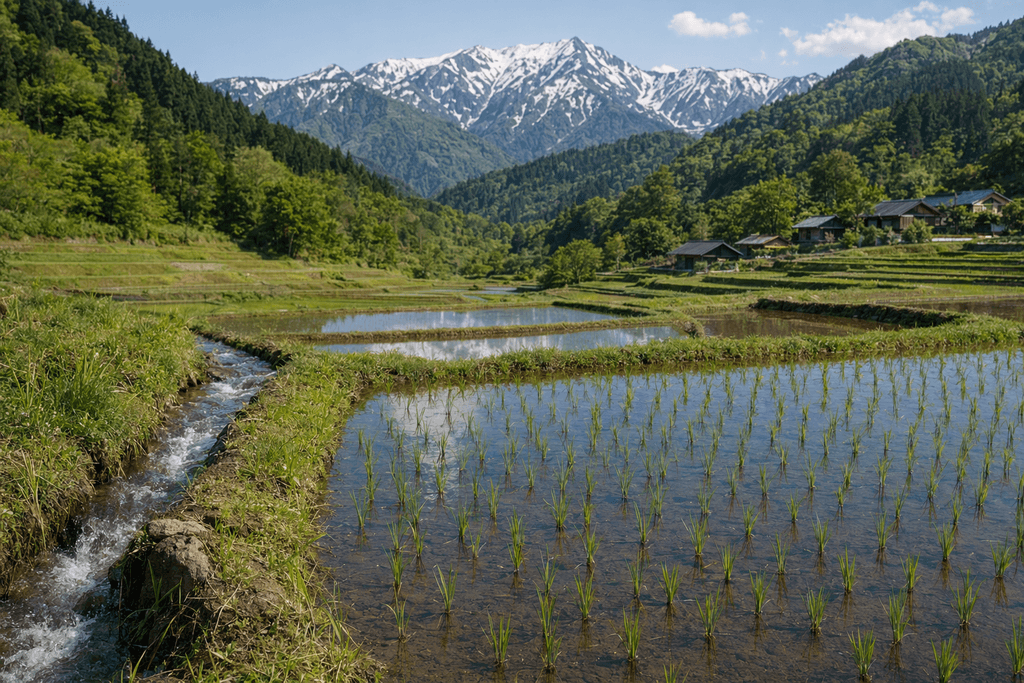
水田
sawah
水田
sawah (berair) / sawah padi / lahan padi yang tergenang air
Sawah di daerah pegunungan telah mampu mempertahankan hasil panen yang stabil bahkan pada tahun-tahun kekeringan dengan cara mengalirkan air lelehan salju secara terampil.
( Base form )
( romanization )
( hiragana )
さも
seolah-olah
さも
seolah-olah
Explanation
seolah-olah
さも
seolah-olah / seakan-akan

シナリオ
skenario film / skenario situasi
シナリオ
skenario film / skenario situasi
Explanation
skenario film / skenario situasi
シナリオ
skenario (film/televisi) / naskah film/televisi / skenario (rencana kemungkinan)

( romanization )
漢語
kata Jepang asal Tionghoa
漢語
kata Jepang asal Tionghoa
Explanation
漢語
kata Jepang asal Tionghoa
漢語
kosakata Sino-Jepang (kata serapan dari bahasa Tionghoa dalam bahasa Jepang) / bahasa Tionghoa (jarang)
Dalam makalah akademik, sementara kata-kata Sino-Jepang sering digunakan untuk mendefinisikan konsep secara ketat, demi mempertimbangkan pembaca terkadang juga disertakan parafrasa yang lebih mudah dipahami.

( Base form )
( romanization )
( hiragana )
他意
maksud lain tersembunyi
他意
maksud lain tersembunyi
Explanation
他意
maksud lain tersembunyi
他意
maksud lain / niat tersembunyi / motif terselubung

( Base form )
( romanization )
( hiragana )
紛れる
berbaur / teralihkan
紛れる
berbaur / teralihkan
Explanation
紛れる
berbaur / teralihkan
紛れる
tersesat / kehilangan arah

Word Forms
The basic and commonly used forms of this verb.
Basic forms
| Form | Word form | Usage |
|---|---|---|
| Imperfective form (mizenkei) | Connects to endings such as nai, reru, and seru. | |
| Continuative form (renyokei) | Connects to endings such as masu, tai, and ta. | |
| Conclusive form (shushikei) | Ends a sentence and serves as the dictionary form. | |
| Attributive form (rentaikei) | Modifies a noun. | |
| Conditional form (kateikei) | Combines with ba to express a condition. | |
| Imperative form (meireikei) |
Alternative:
紛れよ
|
Expresses a command or instruction. |
Common forms
| Form | Word form | Usage |
|---|---|---|
| Te-form | Connects clauses with te. | |
| Ta-form | Expresses the past with ta. | |
| Nai-form | Expresses negation with nai. | |
| Masu-form | Used for polite speech. | |
| Ba-form | Expresses a condition with ba. | |
| Volitional form | Expresses intention or invitation. |
Notes
Loading...

JLPT N1 多言語単語帳・3032語 / JLPT N1 Multilingual Vocabulary: 3032 Words

Jonathan Waller 氏の JLPT Resources の語彙リスト・レベル分類を出典とし、CC BY の条件に従って DiQt が学習者向けに意味を作り直した3032語の単語帳です。JLPT公式の語彙リストではありません。
This collection of 3032 words is based on the vocabulary list and level classifications in Jonathan Waller’s JLPT Resources under CC BY, with meanings rewritten by DiQt for learners. It is not an official JLPT vocabulary list.
Key Operations
Select the first quiz:
Ctrl + Enter
View Explanation:Ctrl + G
Close a feedback:Esc
When selecting a quiz
Answer:Enter
Select a choice:↓ or ↑
Reading out the question:Ctrl + K
View Hint: Ctrl + M
I don't know: Ctrl + Y



