
JLPT N1: Latihan arti kata - Unsolved

Pelajari arti 3032 kata JLPT N1 dalam bahasa Indonesia melalui soal dengan empat pilihan jawaban.
-
yang tersebut
-
Ibu
-
pembebasan kewajiban
-
mencampurkan
-
mulai menjual / mempromosikan
-
menjilat / meremehkan
-
keluar semua
-
menyisipkan / mengenakan
-
melihat sekilas
-
dengan benar / dengan tepat
-
dengan sendirinya
-
memang
-
sejak lahir
-
dengan susah payah
-
sekalipun
-
menguleni / mematangkan rencana
-
berkaitan
-
melarang / menekan
- 表記は「籠る」のほか「篭る」も用いられる。
- 五段活用ラ行。未然形は「籠ら」を基本とし、意志形につながる「籠ろ」も異形として示した。
-
harta
-
titik jeda
-
sulaman
-
pengumpulan / penarikan kembali
-
kebijaksanaan
-
penjatahan
-
pencampuradukan
-
bantuan penyelamatan
-
pemahaman / persetujuan
-
kurang peka
-
sederhana
-
lancar
- 「こげ茶」は名詞的にも用いられ、連体修飾では「こげ茶の」が一般的です。
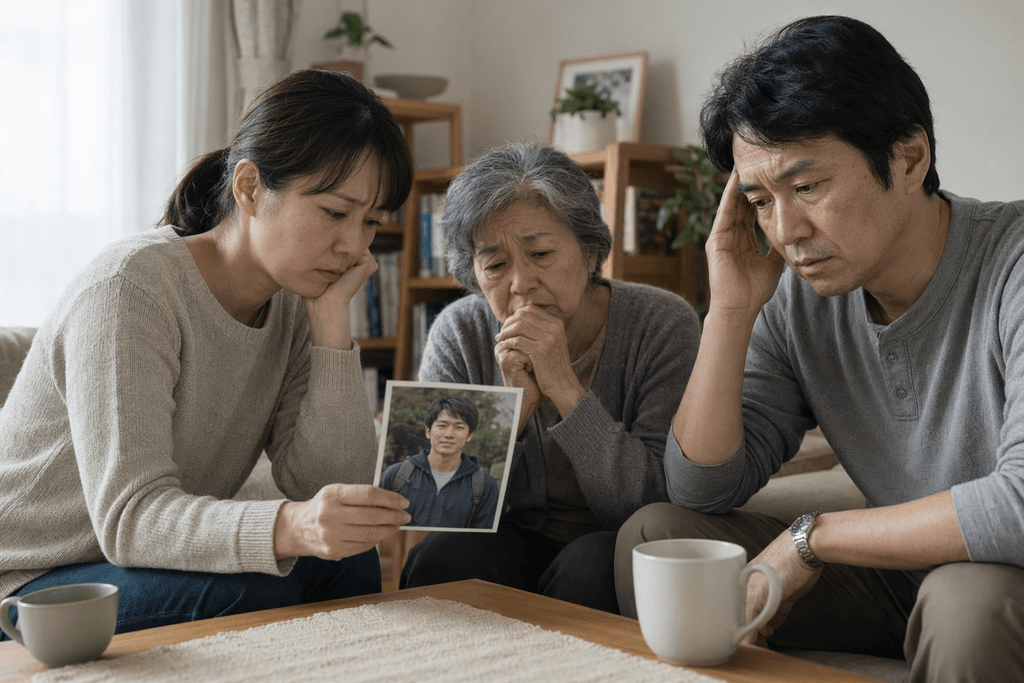
消息
kabar tentang seseorang
消息
kabar tentang seseorang
Explanation
消息
kabar tentang seseorang
消息
kabar / berita / informasi atau perkembangan terbaru
( Base form )
( romanization )
( hiragana )
老いる
menua
老いる
menua
Explanation
老いる
menua
老いる
menua / menjadi tua / bertambah tua
Word Forms
The basic and commonly used forms of this verb.
Basic forms
| Form | Word form | Usage |
|---|---|---|
| Imperfective form (mizenkei) | Connects to endings such as nai, reru, and seru. | |
| Continuative form (renyokei) | Connects to endings such as masu, tai, and ta. | |
| Conclusive form (shushikei) | Ends a sentence and serves as the dictionary form. | |
| Attributive form (rentaikei) | Modifies a noun. | |
| Conditional form (kateikei) | Combines with ba to express a condition. | |
| Imperative form (meireikei) |
Alternative:
老いよ
|
Expresses a command or instruction. |
Common forms
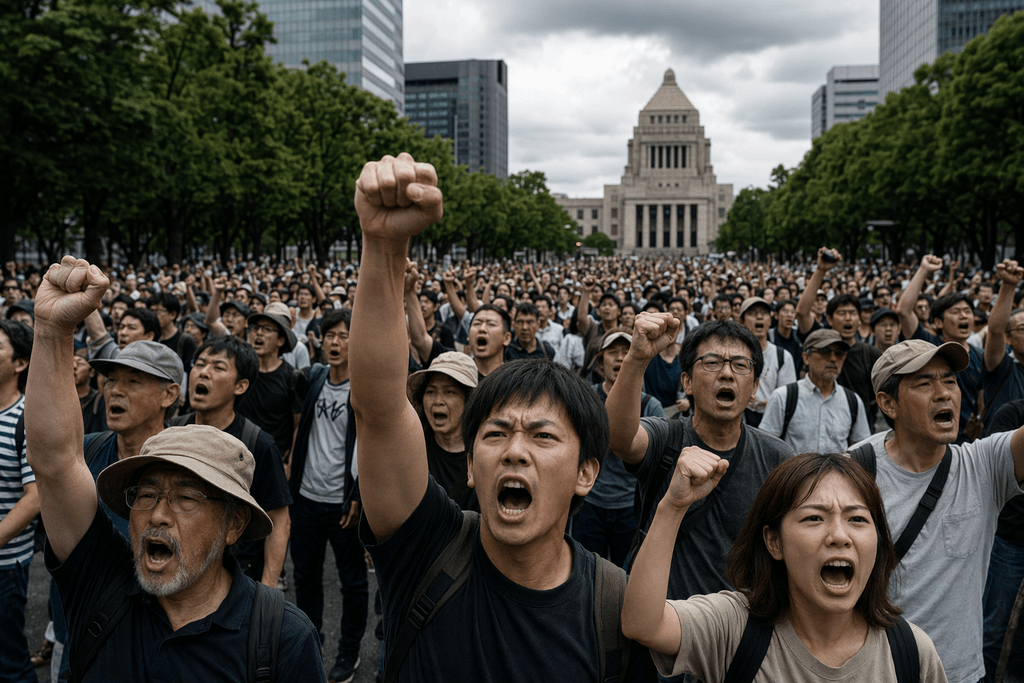
強まる
menguat
強まる
menguat
Explanation
強まる
menguat
強まる
menguat / bertambah kuat / semakin kuat
Word Forms
The basic and commonly used forms of this verb.
Basic forms
| Form | Word form | Usage |
|---|---|---|
| Imperfective form (mizenkei) |
Alternative:
強まろ
|
Connects to endings such as nai, reru, and seru. |
| Continuative form (renyokei) |
Alternative:
強まっ
|
Connects to endings such as masu, tai, and ta. |
| Conclusive form (shushikei) | Ends a sentence and serves as the dictionary form. | |
| Attributive form (rentaikei) | Modifies a noun. | |
| Conditional form (kateikei) | Combines with ba to express a condition. | |
| Imperative form (meireikei) | Expresses a command or instruction. |
Common forms
ぺこぺこ
dengan menjilat / sangat lapar
ぺこぺこ
dengan menjilat / sangat lapar
Explanation
dengan menjilat / sangat lapar
ぺこぺこ
sangat lapar / kelaparan / lapar sekali

Word Forms
The basic and commonly used forms of this adjectival noun.
Basic forms
| Form | Word form | Usage |
|---|---|---|
| Imperfective form (mizenkei) | Used in forms such as darou. | |
| Continuative form (renyokei) | Used with de or ni. | |
| Conclusive form (shushikei) | Ends a sentence with da. | |
| Attributive form (rentaikei) | Modifies a noun with na. | |
| Conditional form (kateikei) | Expresses a condition with nara. | |
| Imperative form (meireikei) | Used in formal expressions such as de are. |
Common forms
いつのまにか
tanpa disadari
いつのまにか
tanpa disadari
Explanation
tanpa disadari
いつのまにか
tanpa sadar / tahu-tahu / tanpa terasa

( romanization )
籠る
mengurung diri / menjadi pengap
籠る
mengurung diri / menjadi pengap
Explanation
籠る
mengurung diri / menjadi pengap
籠る
mengasingkan diri / mengurung diri / terperangkap (mis. panas/suara)

Word Forms
The basic and commonly used forms of this verb.
Basic forms
| Form | Word form | Usage |
|---|---|---|
| Imperfective form (mizenkei) |
Alternative:
篭ら
こもら
籠ろ
篭ろ
こもろ
|
Connects to endings such as nai, reru, and seru. |
| Continuative form (renyokei) |
Alternative:
篭り
こもり
|
Connects to endings such as masu, tai, and ta. |
| Conclusive form (shushikei) |
Alternative:
篭る
こもる
|
Ends a sentence and serves as the dictionary form. |
| Attributive form (rentaikei) |
Alternative:
篭る
こもる
|
Modifies a noun. |
| Conditional form (kateikei) |
Alternative:
篭れ
こもれ
|
Combines with ba to express a condition. |
| Imperative form (meireikei) |
Alternative:
篭れ
こもれ
|
Expresses a command or instruction. |
Common forms
| Form | Word form | Usage |
|---|---|---|
| Te-form |
Alternative:
篭って
こもって
|
Connects clauses with te. |
| Ta-form |
Alternative:
篭った
こもった
|
Expresses the past with ta. |
| Nai-form |
Alternative:
篭らない
こもらない
|
Expresses negation with nai. |
| Masu-form |
Alternative:
篭ります
こもります
|
Used for polite speech. |
| Ba-form |
Alternative:
篭れば
こもれば
|
Expresses a condition with ba. |
| Volitional form |
Alternative:
篭ろう
こもろう
|
Expresses intention or invitation. |
Notes
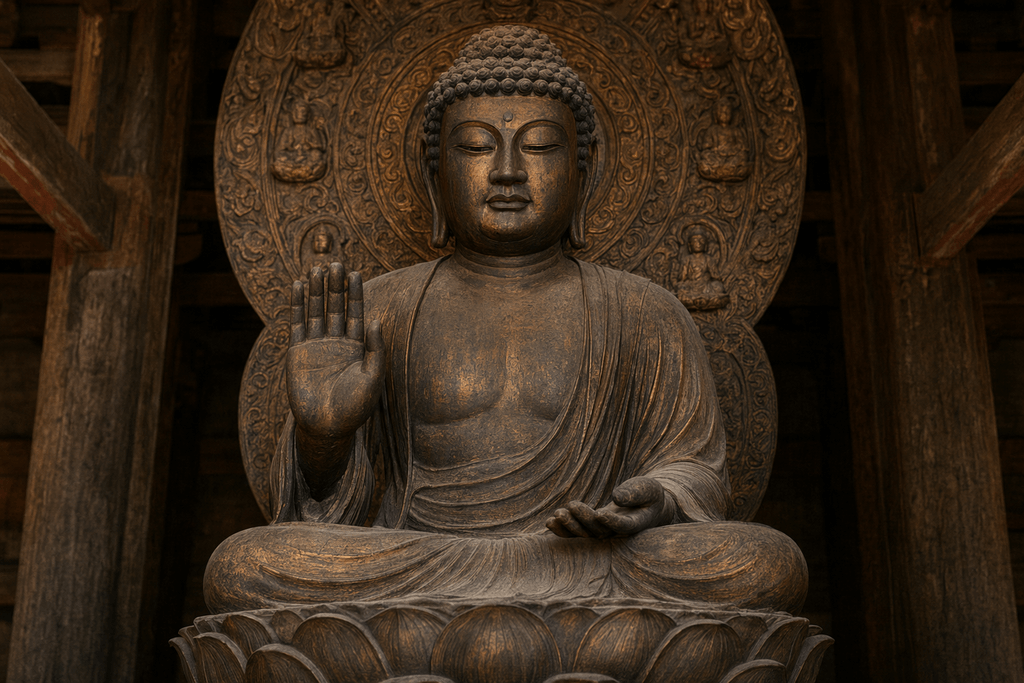
仏像
patung Buddha
仏像
patung Buddha
Explanation
仏像
patung Buddha
仏像
patung Buddha / arca Buddha / gambar Buddha
Upaya untuk menafsirkan pandangan keagamaan pada masa itu dari perbedaan halus ekspresi pada patung Buddha sering kali tidak melampaui ranah dugaan karena kelangkaan sumber.
( Base form )
( romanization )
( kyūjitai )
( hiragana )
悲観
pesimisme
悲観
pesimisme
Explanation
悲観
pesimisme
悲観
pesimisme / keputusasaan; patah semangat / pandangan welas asih (Buddha) yang mendorong menolong dan menghapus penderitaan

( Base form )
( romanization )
( kyūjitai )
( hiragana )
檻
kandang
檻
kandang
Explanation
檻
kandang
檻
kandang / sangkar / sel (tahanan)

( romanization )
( romanization )
( hiragana historical )
こげ茶
cokelat tua
こげ茶
cokelat tua
Explanation
こげ茶
cokelat tua
こげ茶
cokelat tua / cokelat gelap / cokelat pekat
Meja coklat tua, dipoles hingga berkilau oleh penggunaan bertahun-tahun, dikombinasikan dengan keheningan ruang kerja yang redup untuk menciptakan suasana seolah-olah waktu telah terhenti di sana.

Word Forms
The basic and commonly used forms of this adjectival noun.
Basic forms
| Form | Word form | Usage |
|---|---|---|
| Imperfective form (mizenkei) | Used in forms such as darou. | |
| Continuative form (renyokei) |
Alternative:
こげ茶に
こげ茶だっ
|
Used with de or ni. |
| Conclusive form (shushikei) | Ends a sentence with da. | |
| Attributive form (rentaikei) |
Alternative:
こげ茶の
|
Modifies a noun with na. |
| Conditional form (kateikei) |
Alternative:
こげ茶ならば
|
Expresses a condition with nara. |
| Imperative form (meireikei) | Used in formal expressions such as de are. |
Common forms
| Form | Word form | Usage |
|---|---|---|
| Te-form equivalent | Connects clauses using de. | |
| Ta-form | Expresses the past with datta. | |
| Nai-form |
Alternative:
こげ茶じゃない
|
Expresses negation with dewa nai or ja nai. |
| Desu-form | Used for polite speech. |
Notes
Loading...

JLPT N1 多言語単語帳・3032語 / JLPT N1 Multilingual Vocabulary: 3032 Words

Jonathan Waller 氏の JLPT Resources の語彙リスト・レベル分類を出典とし、CC BY の条件に従って DiQt が学習者向けに意味を作り直した3032語の単語帳です。JLPT公式の語彙リストではありません。
This collection of 3032 words is based on the vocabulary list and level classifications in Jonathan Waller’s JLPT Resources under CC BY, with meanings rewritten by DiQt for learners. It is not an official JLPT vocabulary list.
Key Operations
Select the first quiz:
Ctrl + Enter
View Explanation:Ctrl + G
Close a feedback:Esc
When selecting a quiz
Answer:Enter
Select a choice:↓ or ↑
Reading out the question:Ctrl + K
View Hint: Ctrl + M
I don't know: Ctrl + Y



