
JLPT N1: Kahulugan ng mga salita - Unsolved

Alamin ang kahulugan ng 3032 salita sa JLPT N1 sa Filipino sa pamamagitan ng mga tanong na may apat na pagpipilian.
-
magkamali / mabigo
-
gumabay
-
masahin / pagbutihin ang plano
-
monitor / tagasubok ng produkto
-
pagpapatakbo ng sasakyan
-
personal na gamit
-
pedyatriya
-
kotseng pang-isports
-
pagtatanghal sa entablado
-
pagkakulang / natitirang bahagi
-
presyon
-
asido
-
kanais-nais
-
walang prinsipyo / sobrang magarbo
-
madaling makiliti
- 「下らない」は語末が「ない」だが、ここでは形容詞(イ形容詞)として扱う。
- 命令形「下らなかれ」は現代語では稀。
-
walang alalahanin
-
padalos-dalos
-
malabo
-
grap
-
paglalagay sa loob
-
pamamaraan
-
kabayaran sa trabaho
-
sagot
-
pampublikong pangangalap
-
hamunin
-
magtayo / gumawa
-
magpasya / magtakda
-
bilog na bilog
-
nahihiya
-
kaaya-aya
- 「すばしっこい」ともいう。
労る
arugain
労る
arugain
Explanation
労る
arugain
労る
aliwin / makidamay / alagaan
Ang buong pamilya ay hindi lamang dapat aliwin at makiramay sa ina, na pagod na sa mga taon ng pag-aalaga, kundi suportahan din siya sa mga kongkretong paraan.

Word Forms
The basic and commonly used forms of this verb.
Basic forms
| Form | Word form | Usage |
|---|---|---|
| Imperfective form (mizenkei) | Connects to endings such as nai, reru, and seru. | |
| Continuative form (renyokei) | Connects to endings such as masu, tai, and ta. | |
| Conclusive form (shushikei) | Ends a sentence and serves as the dictionary form. | |
| Attributive form (rentaikei) | Modifies a noun. | |
| Conditional form (kateikei) | Combines with ba to express a condition. | |
| Imperative form (meireikei) | Expresses a command or instruction. |
Common forms
ノイローゼ
neurosis
ノイローゼ
neurosis
Explanation
neurosis
ノイローゼ
neurosis; sakit sa pag-iisip na nagdudulot ng labis na pagkabalisa / hindi-psychotic na karamdaman sa isip na may tensiyon at pag-aalala

( romanization )
融資
pagpapautang ng pondo
融資
pagpapautang ng pondo
Explanation
融資
pagpapautang ng pondo
融資
pagpopondo / pautang / pagpapautang
Upang mapalawak ang negosyo, kumuha ako ng pautang sa bangko, ngunit dahil sa pagtaas ng interes napilitan akong repasuhin ang plano ng pagbabayad.

( Base form )
( romanization )
( hiragana )
チャイム
tunog ng kampanilya
チャイム
tunog ng kampanilya
Explanation
tunog ng kampanilya
チャイム
tunog ng kampana / kampanilya ng pinto / hudyat na tunog sa paaralan

( romanization )
下らない
walang kuwenta
下らない
walang kuwenta
Explanation
下らない
walang kuwenta
下らない
walang kuwenta / walang saysay / walang kabuluhan

Word Forms
The basic and commonly used forms of this adjective.
Basic forms
| Form | Word form | Usage |
|---|---|---|
| Imperfective form (mizenkei) |
Alternative:
くだらなかろ
|
Used in forms such as karou; mainly literary. |
| Continuative form (renyokei) |
Alternative:
くだらなく
下らなかっ
くだらなかっ
|
Used in forms such as kute and kunai. |
| Conclusive form (shushikei) |
Alternative:
くだらない
|
Ends a sentence. |
| Attributive form (rentaikei) |
Alternative:
くだらない
|
Modifies a noun. |
| Conditional form (kateikei) |
Alternative:
くだらなけれ
|
Expresses a condition with kereba. |
| Imperative form (meireikei) |
Alternative:
くだらなかれ
|
Rarely used in modern Japanese. |
Common forms
| Form | Word form | Usage |
|---|---|---|
| Te-form |
Alternative:
くだらなくて
下らなくって
くだらなくって
|
Connects clauses with kute. |
| Ta-form |
Alternative:
くだらなかった
|
Expresses the past with katta. |
| Nai-form |
Alternative:
くだらなくない
|
Expresses negation with kunai. |
| Ba-form |
Alternative:
くだらなければ
下らなきゃ
くだらなきゃ
|
Expresses a condition with kereba. |
Notes
明朗
masayahin
明朗
masayahin
Explanation
明朗
masayahin
明朗
masigla / maliwanag / tapat at hayagan

Word Forms
The basic and commonly used forms of this adjectival noun.
Basic forms
| Form | Word form | Usage |
|---|---|---|
| Imperfective form (mizenkei) | Used in forms such as darou. | |
| Continuative form (renyokei) |
Alternative:
明朗に
|
Used with de or ni. |
| Conclusive form (shushikei) | Ends a sentence with da. | |
| Attributive form (rentaikei) | Modifies a noun with na. | |
| Conditional form (kateikei) | Expresses a condition with nara. | |
| Imperative form (meireikei) | Used in formal expressions such as de are. |
Common forms
尻尾
buntot
尻尾
buntot
Explanation
尻尾
buntot
尻尾
buntot (ng hayop) / hulíng bahagi
( Base form )
( romanization )
( counter )
( hiragana )
調停
pamamagitan
調停
pamamagitan
Explanation
調停
pamamagitan
調停
arbitrasyon / pagmamamagitan / pag-aayos ng alitan
Ang nananaig na pananaw ay, bago ang alitan sa pagitan ng manggagawa at pamamahala ay naging walang pag-asa, dapat itong i-refer sa pamamagitan ng isang third-party na organisasyon.

( Base form )
( romanization )
( hiragana )
売り出す
ilabas sa bentahan / ipasikat
売り出す
ilabas sa bentahan / ipasikat
Explanation
売り出す
ilabas sa bentahan / ipasikat
売り出す
ilagay sa bentahan / ilunsad sa merkado / ipasok sa pamilihan
Matapos ang maraming taon ng mga klinikal na pagsubok, nagpasya ang kumpanya ng parmasyutiko na ilagay ang bagong gamot sa merkado nang maaga sa susunod na tagsibol.

Word Forms
The basic and commonly used forms of this verb.
Basic forms
| Form | Word form | Usage |
|---|---|---|
| Imperfective form (mizenkei) |
Alternative:
売り出そ
|
Connects to endings such as nai, reru, and seru. |
| Continuative form (renyokei) | Connects to endings such as masu, tai, and ta. | |
| Conclusive form (shushikei) | Ends a sentence and serves as the dictionary form. | |
| Attributive form (rentaikei) | Modifies a noun. | |
| Conditional form (kateikei) | Combines with ba to express a condition. | |
| Imperative form (meireikei) | Expresses a command or instruction. |
Common forms
すばしこい
maliksi
すばしこい
maliksi
Explanation
maliksi
すばしこい
maliksi / mabilis kumilos / madiskarte
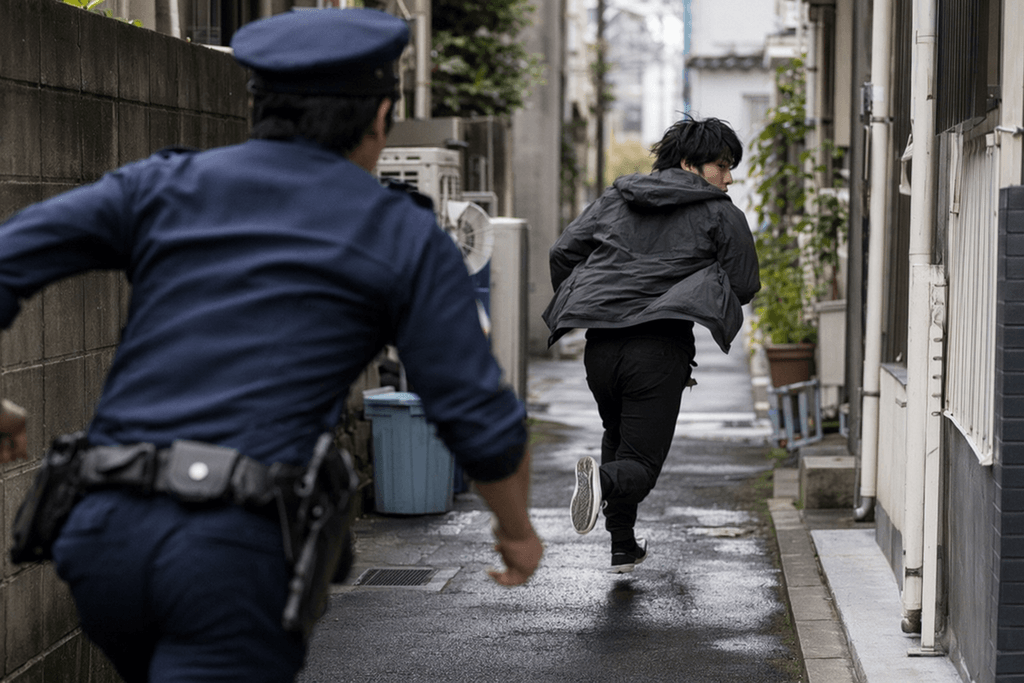
Ang detektib, kahit hingal na hingal, ay patuloy na hinabol nang may matinding pagpupursige ang mabilis na suspek na tumatakas na tila sinisingitan ang mga eskinita.
Word Forms
The basic and commonly used forms of this adjective.
Basic forms
| Form | Word form | Usage |
|---|---|---|
| Imperfective form (mizenkei) | Used in forms such as karou; mainly literary. | |
| Continuative form (renyokei) |
Alternative:
すばしこかっ
|
Used in forms such as kute and kunai. |
| Conclusive form (shushikei) | Ends a sentence. | |
| Attributive form (rentaikei) | Modifies a noun. | |
| Conditional form (kateikei) | Expresses a condition with kereba. | |
| Imperative form (meireikei) | Rarely used in modern Japanese. |
Common forms
| Form | Word form | Usage |
|---|---|---|
| Te-form | Connects clauses with kute. | |
| Ta-form | Expresses the past with katta. | |
| Nai-form | Expresses negation with kunai. | |
| Ba-form | Expresses a condition with kereba. |
Notes
Loading...

JLPT N1 多言語単語帳・3032語 / JLPT N1 Multilingual Vocabulary: 3032 Words

Jonathan Waller 氏の JLPT Resources の語彙リスト・レベル分類を出典とし、CC BY の条件に従って DiQt が学習者向けに意味を作り直した3032語の単語帳です。JLPT公式の語彙リストではありません。
This collection of 3032 words is based on the vocabulary list and level classifications in Jonathan Waller’s JLPT Resources under CC BY, with meanings rewritten by DiQt for learners. It is not an official JLPT vocabulary list.
Key Operations
Select the first quiz:
Ctrl + Enter
View Explanation:Ctrl + G
Close a feedback:Esc
When selecting a quiz
Answer:Enter
Select a choice:↓ or ↑
Reading out the question:Ctrl + K
View Hint: Ctrl + M
I don't know: Ctrl + Y



