
JLPT N1: Kahulugan ng mga salita - Unsolved

Alamin ang kahulugan ng 3032 salita sa JLPT N1 sa Filipino sa pamamagitan ng mga tanong na may apat na pagpipilian.
-
kran na pang-angat
-
pagliban
-
malawakang reporma
-
pagkagulat
-
buong madla
-
mga manonood
-
seksiyong pahalang
-
kosyente
-
pera
-
microwave / kalan
-
pagkukumpuni
-
pamamaalam
-
napakahalaga
-
maluwang
-
kaunti
- 「気紛れ」の別表記。
-
magpakumbaba / magpasalamat
-
maging pamilyar sa
-
lumakas
- 「指さす」とも表記する。
-
usbong ng bulaklak
-
malas na araw
-
siklo
-
harapin
-
masaktan
-
maging patok
- 「綻びる」は上一段活用の自動詞。
-
salungat na pananaw
-
melodiya
-
taog at kati
-
lansangan
-
pinagtatrabahuhan
-
iskedyul ng biyahe
大柄
malaking katawan / malaking disenyo
大柄
malaking katawan / malaking disenyo
Explanation
大柄
malaking katawan / malaking disenyo
大柄
malaking disenyo / malaking pangangatawan
Ang wallpaper na may malalaking disenyo ay madaling magmukhang nakakasikip sa espasyo, ngunit kung isasaalang-alang ang taas ng kisame at pagpasok ng liwanag, sa halip ay maaari nitong bigyan ang silid ng matapang na lalim.

( Base form )
( romanization )
( hiragana )
手分け
paghahati ng gawain
手分け
paghahati ng gawain
Explanation
手分け
paghahati ng gawain
手分け
paghahati-hati ng gawain / paghahati ng trabaho / pagbabahagi ng mga tungkulin

隔週
kada ikalawang linggo
隔週
kada ikalawang linggo
Explanation
隔週
kada ikalawang linggo
隔週
tuwing ikalawang linggo / kada dalawang linggo / bawat dalawang linggo
Kahit matapos ipatupad ang bagong sistema, upang mabawasan sa pinakamaliit ang pagkalito sa lugar ng trabaho, napagpasyahan naming magdaos ng mga pulong tuwing ikalawang linggo at magbigay ng karagdagang paliwanag nang pansamantala kung kinakailangan.

( Base form )
( romanization )
( romanization )
( hiragana historical )
( hiragana )
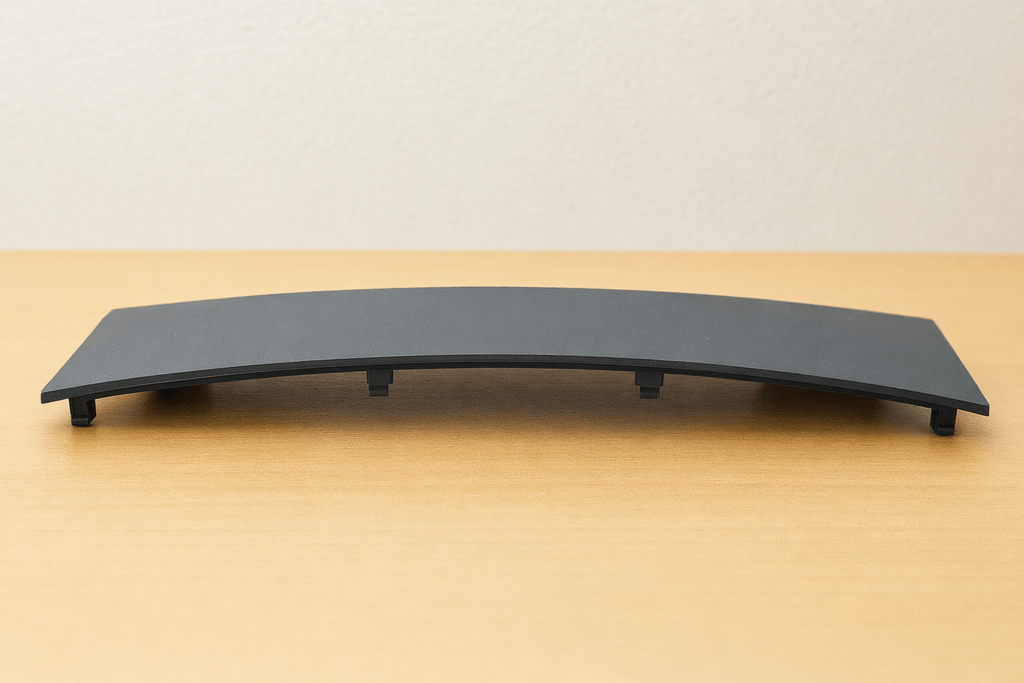
反り
pagkakurba
反り
pagkakurba
Explanation
反り
pagkakurba
反り
kurbada / pagkabaluktot / pagkaarko
Hindi nakaligtaan ng artesano ang bahagyang kurbada ng board at maingat na itinama ito, isinasaalang-alang ang kahalumigmigan at ang direksyon ng butil.
気まぐれ
pabago-bago ang isip
気まぐれ
pabago-bago ang isip
Explanation
気まぐれ
pabago-bago ang isip
気まぐれ
pabagu-bago / salawahan / pabigla-bigla
Ang pagkapagod ng mga kawani na naiinis sa kanyang mapanlinlang na mga pagbabago sa patakaran ay umabot sa isang punto na hindi na maaaring balewalain.

Word Forms
The basic and commonly used forms of this adjectival noun.
Basic forms
| Form | Word form | Usage |
|---|---|---|
| Imperfective form (mizenkei) | Used in forms such as darou. | |
| Continuative form (renyokei) |
Alternative:
気まぐれに
気まぐれだっ
|
Used with de or ni. |
| Conclusive form (shushikei) | Ends a sentence with da. | |
| Attributive form (rentaikei) | Modifies a noun with na. | |
| Conditional form (kateikei) | Expresses a condition with nara. | |
| Imperative form (meireikei) | Used in formal expressions such as de are. |
Common forms
| Form | Word form | Usage |
|---|---|---|
| Te-form equivalent | Connects clauses using de. | |
| Ta-form | Expresses the past with datta. | |
| Nai-form |
Alternative:
気まぐれじゃない
|
Expresses negation with dewa nai or ja nai. |
| Desu-form | Used for polite speech. |
Notes
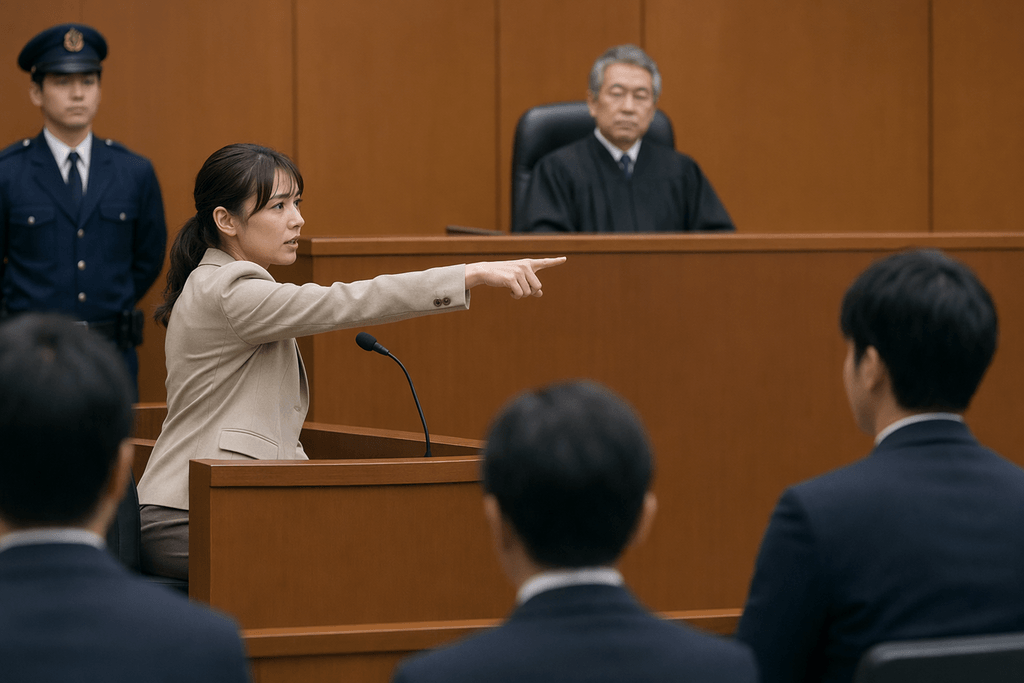
指差す
ituro
指差す
ituro
Explanation
指差す
ituro
指差す
tumuro / idaliri sa
Word Forms
The basic and commonly used forms of this verb.
Basic forms
| Form | Word form | Usage |
|---|---|---|
| Imperfective form (mizenkei) |
Alternative:
指差そ
指ささ
指さそ
|
Connects to endings such as nai, reru, and seru. |
| Continuative form (renyokei) |
Alternative:
指さし
|
Connects to endings such as masu, tai, and ta. |
| Conclusive form (shushikei) |
Alternative:
指さす
|
Ends a sentence and serves as the dictionary form. |
| Attributive form (rentaikei) |
Alternative:
指さす
|
Modifies a noun. |
| Conditional form (kateikei) |
Alternative:
指させ
|
Combines with ba to express a condition. |
| Imperative form (meireikei) |
Alternative:
指させ
|
Expresses a command or instruction. |
Common forms
| Form | Word form | Usage |
|---|---|---|
| Te-form |
Alternative:
指さして
|
Connects clauses with te. |
| Ta-form |
Alternative:
指さした
|
Expresses the past with ta. |
| Nai-form |
Alternative:
指ささない
|
Expresses negation with nai. |
| Masu-form |
Alternative:
指さします
|
Used for polite speech. |
| Ba-form |
Alternative:
指させば
|
Expresses a condition with ba. |
| Volitional form |
Alternative:
指さそう
|
Expresses intention or invitation. |
Notes
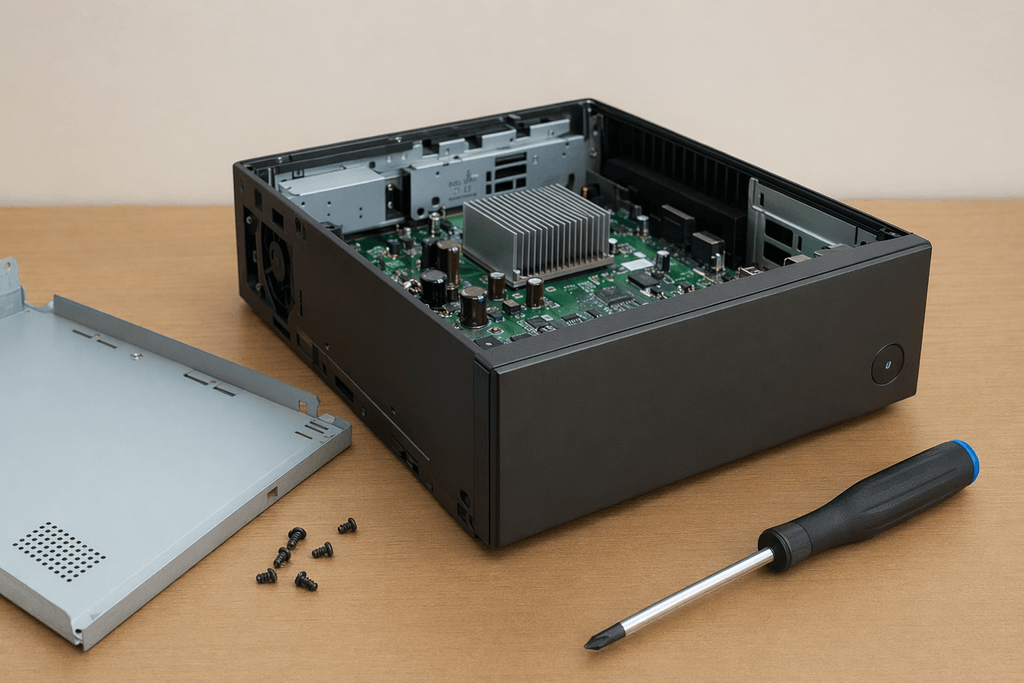
本体
pangunahing yunit / tunay na anyo
本体
pangunahing yunit / tunay na anyo
Explanation
本体
pangunahing yunit / tunay na anyo
本体
mismong yunit o makina / pangunahing katawan o yunit / bagay-sa-sarili (pilosopiya; noumenon)
Kapag umilaw ang warning light na nagpapahiwatig ng abnormalidad sa pangunahing unit, agad na patayin ang kuryente at magsagawa ng inspeksyon alinsunod sa manwal ng paggamit.
( Base form )
( romanization )
( kyūjitai )
( hiragana )
ほころびる
matastas / mamukadkad
ほころびる
matastas / mamukadkad
Explanation
matastas / mamukadkad
ほころびる
matastas ang tahi / bumuka ang usbong / ngumiti
Ang uniporme, na isinusuot nang husto sa loob ng maraming taon, ay nasa bingit ng pag-unsewn sa cuffs, tahimik na nagsasabi ng kuwento ng kanyang pagod na buhay.

Word Forms
The basic and commonly used forms of this verb.
Basic forms
| Form | Word form | Usage |
|---|---|---|
| Imperfective form (mizenkei) | Connects to endings such as nai, reru, and seru. | |
| Continuative form (renyokei) | Connects to endings such as masu, tai, and ta. | |
| Conclusive form (shushikei) |
Alternative:
綻びる
|
Ends a sentence and serves as the dictionary form. |
| Attributive form (rentaikei) |
Alternative:
綻びる
|
Modifies a noun. |
| Conditional form (kateikei) | Combines with ba to express a condition. | |
| Imperative form (meireikei) |
Alternative:
ほころびよ
|
Expresses a command or instruction. |
Common forms
| Form | Word form | Usage |
|---|---|---|
| Te-form |
Alternative:
綻びて
|
Connects clauses with te. |
| Ta-form |
Alternative:
綻びた
|
Expresses the past with ta. |
| Nai-form |
Alternative:
綻びない
|
Expresses negation with nai. |
| Masu-form |
Alternative:
綻びます
|
Used for polite speech. |
| Ba-form |
Alternative:
綻びれば
|
Expresses a condition with ba. |
| Volitional form |
Alternative:
綻びよう
|
Expresses intention or invitation. |
Notes
流通
pamamahagi
流通
pamamahagi
Explanation
流通
pamamahagi
流通
sirkulasyon (ng pera o impormasyon) / pamamahagi o distribusyon (ng mga produkto/impormasyon) / daloy sa pamilihan
Ipinapakita ng ulat na ito, gamit ang kongkretong datos, na kapag huminto ang pagdaloy ng pondo, magkakaroon ito ng sunud-sunod na epekto sa kabuuan ng mga gawain ng negosyo.

( Base form )
( romanization )
( hiragana )
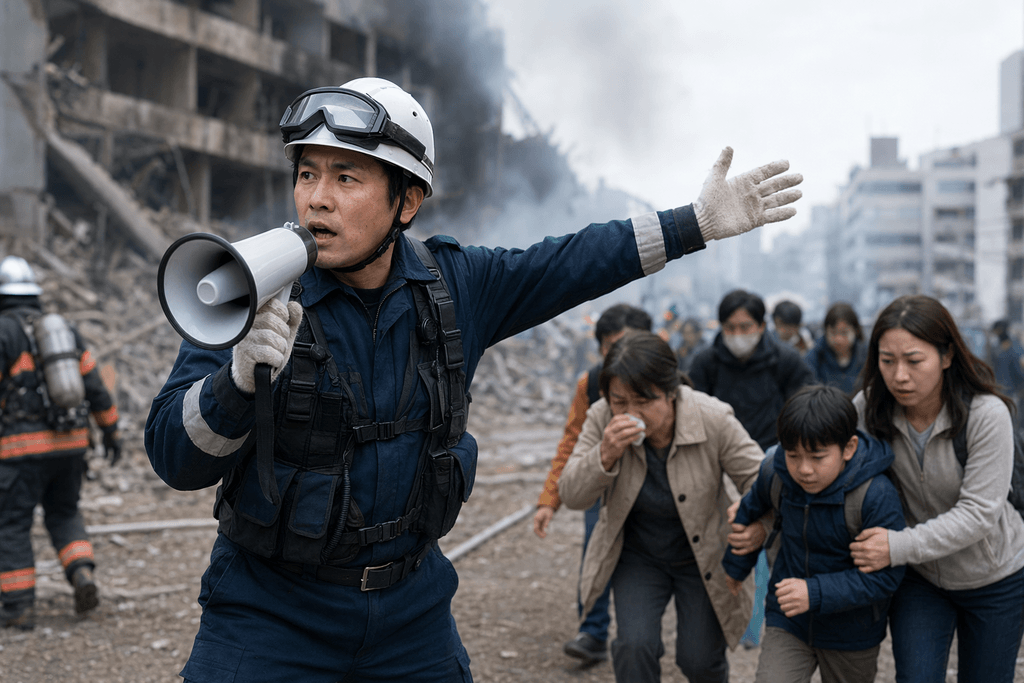
指揮
pamumuno / pagkumpas sa orkestra
指揮
pamumuno / pagkumpas sa orkestra
Explanation
指揮
pamumuno / pagkumpas sa orkestra
指揮
pag-utos / pamumuno / paggabay
( Base form )
( romanization )
( hiragana )
Loading...

JLPT N1 多言語単語帳・3032語 / JLPT N1 Multilingual Vocabulary: 3032 Words

Jonathan Waller 氏の JLPT Resources の語彙リスト・レベル分類を出典とし、CC BY の条件に従って DiQt が学習者向けに意味を作り直した3032語の単語帳です。JLPT公式の語彙リストではありません。
This collection of 3032 words is based on the vocabulary list and level classifications in Jonathan Waller’s JLPT Resources under CC BY, with meanings rewritten by DiQt for learners. It is not an official JLPT vocabulary list.
Key Operations
Select the first quiz:
Ctrl + Enter
View Explanation:Ctrl + G
Close a feedback:Esc
When selecting a quiz
Answer:Enter
Select a choice:↓ or ↑
Reading out the question:Ctrl + K
View Hint: Ctrl + M
I don't know: Ctrl + Y



