
JLPT N1: Kahulugan ng mga salita - Unsolved

Alamin ang kahulugan ng 3032 salita sa JLPT N1 sa Filipino sa pamamagitan ng mga tanong na may apat na pagpipilian.
-
komento
-
pagkakaugnay
-
radyasyon
-
subskripsiyon
-
katawagan
-
pagiging di-maiiwasan
-
paglayas
-
pagtulog sa taglamig
-
pagkumpiska
-
palubugin / ilubog
-
sumayaw / lumipad-lipad
-
umusok
- 標準的な現代仮名遣いは「とおざかる」。
-
langit
-
protesta
-
paanyaya
-
buong madla
-
tekstong Hapones
-
mga ehekutibo
-
pagkakabalanse
-
pagdepende
-
balanse sa account
-
mamasa
-
talunin
-
mabaluktot
-
lipulin
-
maubos
-
higitan
-
pigilan / panatilihin
-
himigin
-
igawad / ituro
- 五段活用(ラ行)の動詞。
- 同音の表記に「収まる」「納まる」「修まる」がある。
暴風
malakas na bagyo
暴風
malakas na bagyo
Explanation
暴風
malakas na bagyo
暴風
malakas na hangin / bagyo / unos

( Base form )
( romanization )
( romanization )
( hiragana historical )
( hiragana )
ファイト
lakas ng loob
ファイト
lakas ng loob
Explanation
lakas ng loob
ファイト
laban o tunggalian (lalo na sa boksing) / diwa ng pakikipaglaban sa isports
Sa huling round ng laban para sa kampeonato sa mundo, kahit muntik na siyang mawalan ng ulirat, hindi niya binago ang kanyang estratehiya at nagpakawala ng isang suntok na nagbaligtad ng takbo ng laban.

( romanization )
背後
bandang likod
背後
bandang likod
Explanation
背後
bandang likod
背後
likuran; likod na bahagi / bahaging hindi lantad o malinaw na nakikita; sa likod ng pangyayari
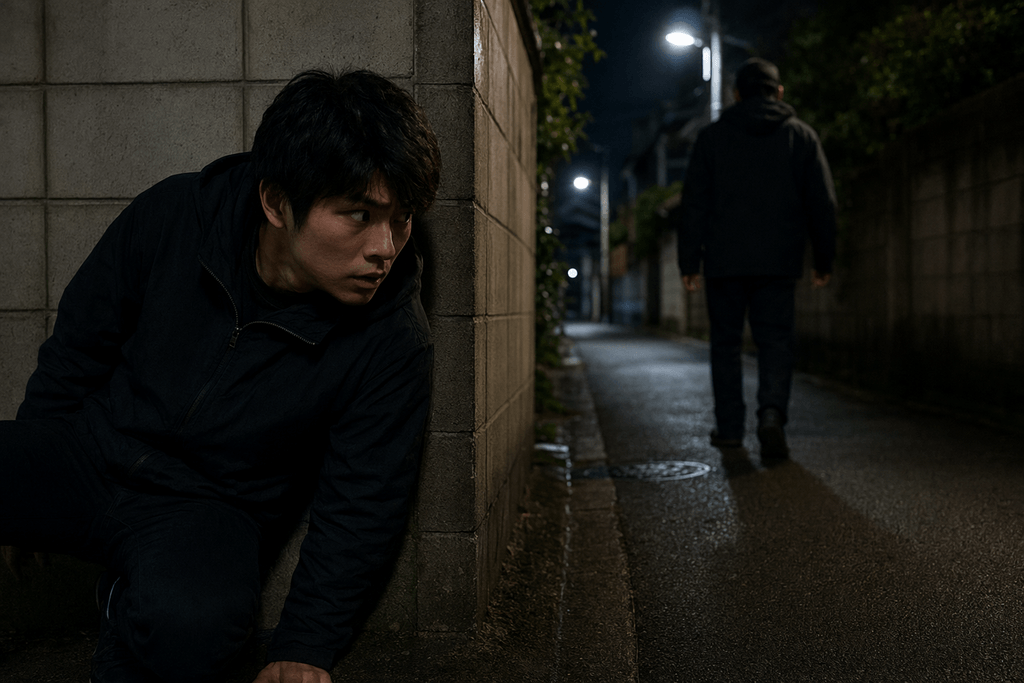
( Base form )
( romanization )
( hiragana )
とおざかる
lumayo
とおざかる
lumayo
Explanation
lumayo
とおざかる
lumayo / lalo pang lumayo / maging malayo

Word Forms
The basic and commonly used forms of this verb.
Basic forms
| Form | Word form | Usage |
|---|---|---|
| Imperfective form (mizenkei) | Connects to endings such as nai, reru, and seru. | |
| Continuative form (renyokei) | Connects to endings such as masu, tai, and ta. | |
| Conclusive form (shushikei) | Ends a sentence and serves as the dictionary form. | |
| Attributive form (rentaikei) | Modifies a noun. | |
| Conditional form (kateikei) | Combines with ba to express a condition. | |
| Imperative form (meireikei) | Expresses a command or instruction. |
Common forms
| Form | Word form | Usage |
|---|---|---|
| Te-form | Connects clauses with te. | |
| Ta-form | Expresses the past with ta. | |
| Nai-form | Expresses negation with nai. | |
| Masu-form | Used for polite speech. | |
| Ba-form | Expresses a condition with ba. | |
| Volitional form | Expresses intention or invitation. |
Notes
不吉
masamang pangitain
不吉
masamang pangitain
Explanation
不吉
masamang pangitain
不吉
kamalasan / masamang tanda / masamang pangitain

( Base form )
( romanization )
( hiragana )
上手
pagiging higit na magaling
上手
pagiging higit na magaling
Explanation
上手
pagiging higit na magaling
上手
hawak na paibabaw sa sumo; kalamangan sa hawak na ito / itaas na bahagi ng ilog; paharap sa hangin (upwind) / mahusay na manlalaro (hal. ng go o shogi)
Naunawaan ng bihasang abogado ang layunin sa sandaling ang kalabang panig ay tila naglalaro lamang ng kanyang trump card, at iginuhit ang momentum ng silid ng hukuman sa kanyang sarili sa isang argumento na nagbigay sa kanya ng mas mataas na kamay.

( Base form )
( romanization )
( hiragana )
貴族
maharlika
貴族
maharlika
Explanation
貴族
maharlika
貴族
maharlika / aristokrata / kasapi ng uring maharlika

( Base form )
( romanization )
( hiragana )
見落とす
makaligtaan
見落とす
makaligtaan
Explanation
見落とす
makaligtaan
見落とす
hindi mapansin / mapalampas / hindi makita

Word Forms
The basic and commonly used forms of this verb.
Basic forms
| Form | Word form | Usage |
|---|---|---|
| Imperfective form (mizenkei) |
Alternative:
見落とそ
|
Connects to endings such as nai, reru, and seru. |
| Continuative form (renyokei) | Connects to endings such as masu, tai, and ta. | |
| Conclusive form (shushikei) | Ends a sentence and serves as the dictionary form. | |
| Attributive form (rentaikei) | Modifies a noun. | |
| Conditional form (kateikei) | Combines with ba to express a condition. | |
| Imperative form (meireikei) | Expresses a command or instruction. |
Common forms
築く
itayo
築く
itayo
Explanation
築く
itayo
築く
magtayo / bumuo / magtatag
Sa halip na makagambala sa panandaliang kita, ang patuloy na pagbuo ng isang relasyon ng tiwala sa lokal na komunidad ay kung ano ang bumubuo ng pundasyon na sumusuporta sa napapanatiling paglago ng isang kumpanya.

Word Forms
The basic and commonly used forms of this verb.
Basic forms
| Form | Word form | Usage |
|---|---|---|
| Imperfective form (mizenkei) |
Alternative:
築こ
|
Connects to endings such as nai, reru, and seru. |
| Continuative form (renyokei) | Connects to endings such as masu, tai, and ta. | |
| Conclusive form (shushikei) | Ends a sentence and serves as the dictionary form. | |
| Attributive form (rentaikei) | Modifies a noun. | |
| Conditional form (kateikei) | Combines with ba to express a condition. | |
| Imperative form (meireikei) | Expresses a command or instruction. |
Common forms
治まる
maging payapa / humupa
治まる
maging payapa / humupa
Explanation
治まる
maging payapa / humupa
治まる
humupa o kumalma (ang kaguluhan/ligalig) / mapasailalim sa pamamahala / humupa o gumaan (ang sintomas)
Dahil ang mabilis na anunsyo ng gobyerno ay nagdagdag ng gasolina sa apoy, ang mga protesta ay hindi tumigil; sa halip, kumalat sila sa mga rehiyonal na lungsod.

Word Forms
The basic and commonly used forms of this verb.
Basic forms
| Form | Word form | Usage |
|---|---|---|
| Imperfective form (mizenkei) |
Alternative:
治まろ
|
Connects to endings such as nai, reru, and seru. |
| Continuative form (renyokei) | Connects to endings such as masu, tai, and ta. | |
| Conclusive form (shushikei) | Ends a sentence and serves as the dictionary form. | |
| Attributive form (rentaikei) | Modifies a noun. | |
| Conditional form (kateikei) | Combines with ba to express a condition. | |
| Imperative form (meireikei) | Expresses a command or instruction. |
Common forms
| Form | Word form | Usage |
|---|---|---|
| Te-form | Connects clauses with te. | |
| Ta-form | Expresses the past with ta. | |
| Nai-form | Expresses negation with nai. | |
| Masu-form | Used for polite speech. | |
| Ba-form | Expresses a condition with ba. | |
| Volitional form | Expresses intention or invitation. |
Notes
Loading...

JLPT N1 多言語単語帳・3032語 / JLPT N1 Multilingual Vocabulary: 3032 Words

Jonathan Waller 氏の JLPT Resources の語彙リスト・レベル分類を出典とし、CC BY の条件に従って DiQt が学習者向けに意味を作り直した3032語の単語帳です。JLPT公式の語彙リストではありません。
This collection of 3032 words is based on the vocabulary list and level classifications in Jonathan Waller’s JLPT Resources under CC BY, with meanings rewritten by DiQt for learners. It is not an official JLPT vocabulary list.
Key Operations
Select the first quiz:
Ctrl + Enter
View Explanation:Ctrl + G
Close a feedback:Esc
When selecting a quiz
Answer:Enter
Select a choice:↓ or ↑
Reading out the question:Ctrl + K
View Hint: Ctrl + M
I don't know: Ctrl + Y



