
JLPT N1: Kahulugan ng mga salita - Unsolved

Alamin ang kahulugan ng 3032 salita sa JLPT N1 sa Filipino sa pamamagitan ng mga tanong na may apat na pagpipilian.
-
pagbisita para magsiyasat
-
sisidlan / kakayahan
-
koreo sa himpapawid
-
mga alagang hayop sa bukid
-
teknik
-
lakas na nagpapatakbo
-
wasakin / halughugin
-
ibaba / bawiin
-
mangalap / tumindi
-
pagbibitiw sa tungkulin
-
panonood
-
bangin
-
estratehiya / operasyong militar
-
inspektor ng pulisya
-
sanhi
-
hatiin sa mga seksiyon / pamahalaan
-
mataranta
-
itayo
-
panghihina sa katandaan
-
tradisyonal na bola
-
paghihigpit
-
mag-ayos ng bulaklak
-
i-address kay
-
magtayo / pumuwesto
- 「お出で」+格助詞「に」+動詞「なる」から成る尊敬表現。活用は末尾の「なる」(五段ラ行)に従う。
-
matagal na
-
madaling makiliti
-
kawili-wili / nakaaaliw
- 「貴い」は「たっとい」のほか「とうとい」とも読まれる。
-
kabuuang dami
-
iba't ibang
-
kagalang-galang
躾
pagdidisiplina sa bata
躾
pagdidisiplina sa bata
Explanation
躾
pagdidisiplina sa bata
躾
disiplina / pagtuturo ng kagandahang-asal / pagsasanay sa wastong asal

( romanization )
( hiragana )
悪
kasamaan
悪
kasamaan
Explanation
悪
kasamaan
悪
kasamaan / kabuktutan / kasukaban
Inilarawan niya ang katiwalian ng kapangyarihan hindi lamang bilang isang kapintasan sa institusyon, kundi bilang kasamaan na nakatago sa loob ng mga tao.

( romanization )
( hiragana )
帯びる
dalhin / bahagyang magtaglay
帯びる
dalhin / bahagyang magtaglay
Explanation
帯びる
dalhin / bahagyang magtaglay
帯びる
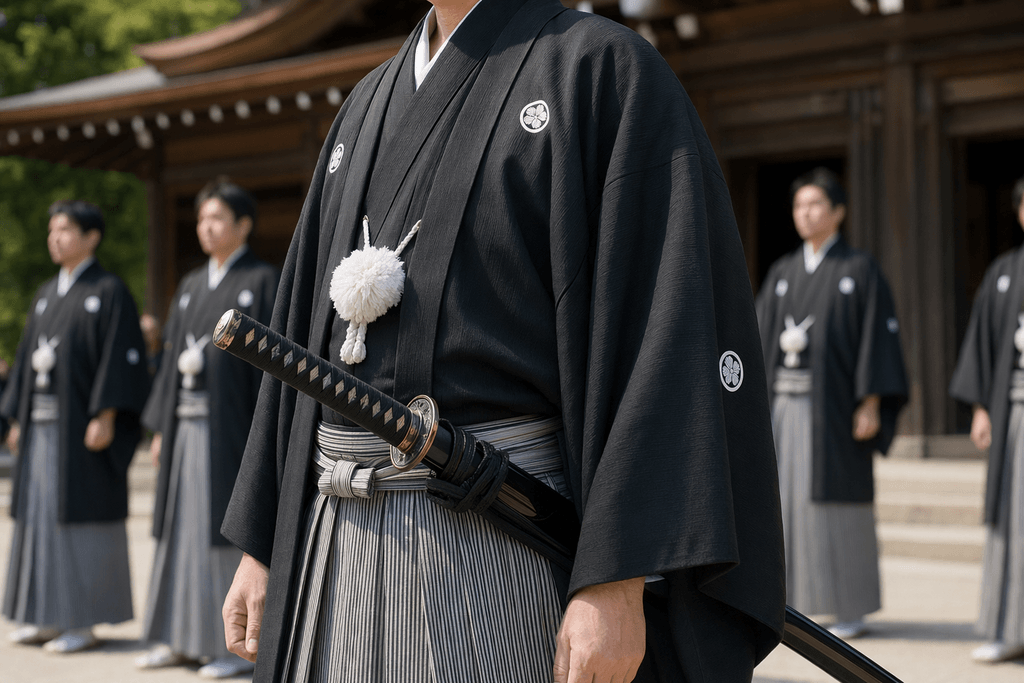
magsuot o magdala (ng espada, palamuti, atbp.) / maatasan ng tungkulin o misyon / magkaroon ng bahid (ng kulay, damdamin, atbp.)
Word Forms
The basic and commonly used forms of this verb.
Basic forms
| Form | Word form | Usage |
|---|---|---|
| Imperfective form (mizenkei) | Connects to endings such as nai, reru, and seru. | |
| Continuative form (renyokei) | Connects to endings such as masu, tai, and ta. | |
| Conclusive form (shushikei) | Ends a sentence and serves as the dictionary form. | |
| Attributive form (rentaikei) | Modifies a noun. | |
| Conditional form (kateikei) | Combines with ba to express a condition. | |
| Imperative form (meireikei) |
Alternative:
帯びよ
|
Expresses a command or instruction. |
Common forms
一筋
isang guhit / buong pagtutuon
一筋
isang guhit / buong pagtutuon
Explanation
一筋
isang guhit / buong pagtutuon
一筋
isang guhit / isang hibla / pagiging nakatuon sa iisang bagay

利根
talas ng isip
利根
talas ng isip
Explanation
利根
talas ng isip
利根
likás na talino / katalinuhang likás / matalas na isip
Ang kanyang tono ay mismong pag-andar ng likas na talino—na kahit sa harap ng napakalaking datos, intuitibong natutukoy ang esensiya at ginagabayan tungo sa pinakamainam na solusyon.

( Base form )
( romanization )
( hiragana )
逸らす
ilihis ang tingin / ilihis ang usapan
逸らす
ilihis ang tingin / ilihis ang usapan
Explanation
逸らす
ilihis ang tingin / ilihis ang usapan
逸らす
ilihis / ilayo / iwasan

Word Forms
The basic and commonly used forms of this verb.
Basic forms
| Form | Word form | Usage |
|---|---|---|
| Imperfective form (mizenkei) |
Alternative:
逸らそ
|
Connects to endings such as nai, reru, and seru. |
| Continuative form (renyokei) | Connects to endings such as masu, tai, and ta. | |
| Conclusive form (shushikei) | Ends a sentence and serves as the dictionary form. | |
| Attributive form (rentaikei) | Modifies a noun. | |
| Conditional form (kateikei) | Combines with ba to express a condition. | |
| Imperative form (meireikei) | Expresses a command or instruction. |
Common forms
ベース
batayan / baho
ベース
batayan / baho
Explanation
batayan / baho
ベース
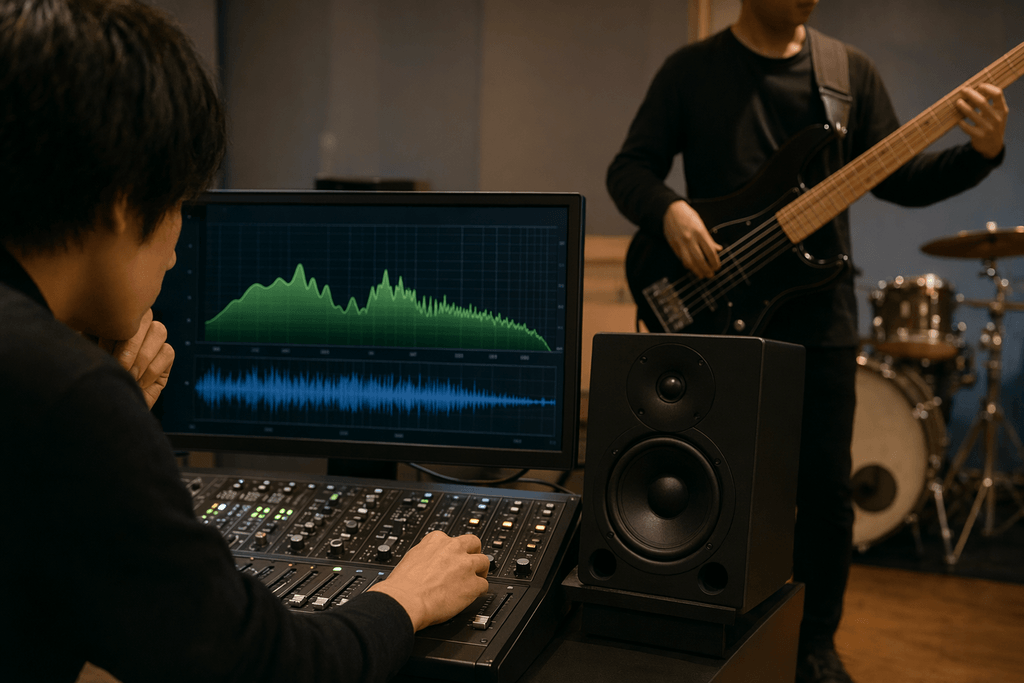
mababang hanay ng tunog / instrumentong bass (hal. bass na gitara)
Kapag mas pinupuno ang mix, mas madaling makialam ang frequency range ng bass sa ibang instrumento, kaya nirepaso ko ang phase at sidechain para matiyak ang malinaw na hugis ng low end.
( romanization )
お出でになる
naroroon / dumating
お出でになる
naroroon / dumating
Explanation
お出でになる
naroroon / dumating
お出でになる
dumating (magalang) / pumunta (magalang) / naroroon (magalang)

Word Forms
The basic and commonly used forms of this verb.
Basic forms
| Form | Word form | Usage |
|---|---|---|
| Imperfective form (mizenkei) |
Alternative:
お出でになろ
|
Connects to endings such as nai, reru, and seru. |
| Continuative form (renyokei) |
Alternative:
お出でになっ
|
Connects to endings such as masu, tai, and ta. |
| Conclusive form (shushikei) | Ends a sentence and serves as the dictionary form. | |
| Attributive form (rentaikei) | Modifies a noun. | |
| Conditional form (kateikei) | Combines with ba to express a condition. | |
| Imperative form (meireikei) | Expresses a command or instruction. |
Common forms
| Form | Word form | Usage |
|---|---|---|
| Te-form | Connects clauses with te. | |
| Ta-form | Expresses the past with ta. | |
| Nai-form | Expresses negation with nai. | |
| Masu-form | Used for polite speech. | |
| Ba-form | Expresses a condition with ba. | |
| Volitional form | Expresses intention or invitation. |
Notes
貴い
mahalaga / marangal
貴い
mahalaga / marangal
Explanation
貴い
mahalaga / marangal
貴い
mahalaga / marangal / mataas ang uri
Inalala niya ang bigat ng buhay na nailigtas sa gitna ng digmaan, at nangako siyang hindi na muling sasayangin ang mahalagang pang-araw-araw na buhay.

Word Forms
The basic and commonly used forms of this adjective.
Basic forms
| Form | Word form | Usage |
|---|---|---|
| Imperfective form (mizenkei) | Used in forms such as karou; mainly literary. | |
| Continuative form (renyokei) |
Alternative:
貴かっ
|
Used in forms such as kute and kunai. |
| Conclusive form (shushikei) | Ends a sentence. | |
| Attributive form (rentaikei) | Modifies a noun. | |
| Conditional form (kateikei) | Expresses a condition with kereba. | |
| Imperative form (meireikei) | Rarely used in modern Japanese. |
Common forms
| Form | Word form | Usage |
|---|---|---|
| Te-form | Connects clauses with kute. | |
| Ta-form | Expresses the past with katta. | |
| Nai-form | Expresses negation with kunai. | |
| Ba-form | Expresses a condition with kereba. |
Notes
原
orihinal / hilaw
原
orihinal / hilaw
Explanation
原
orihinal / hilaw
原
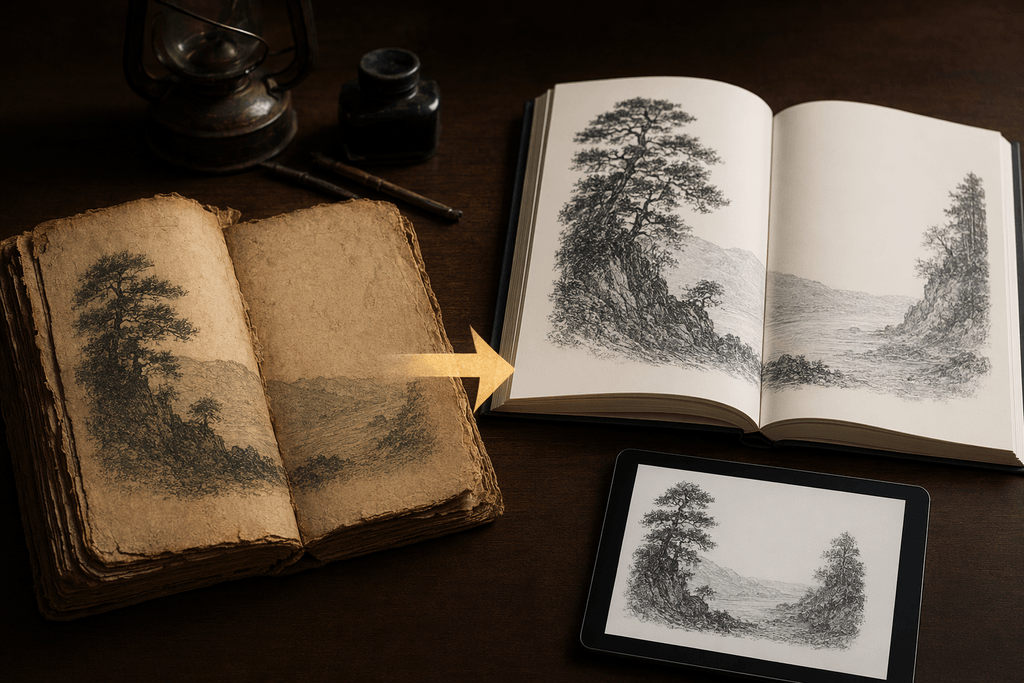
orihinal / unang anyo / dating
( romanization )
( hiragana )
Loading...

JLPT N1 多言語単語帳・3032語 / JLPT N1 Multilingual Vocabulary: 3032 Words

Jonathan Waller 氏の JLPT Resources の語彙リスト・レベル分類を出典とし、CC BY の条件に従って DiQt が学習者向けに意味を作り直した3032語の単語帳です。JLPT公式の語彙リストではありません。
This collection of 3032 words is based on the vocabulary list and level classifications in Jonathan Waller’s JLPT Resources under CC BY, with meanings rewritten by DiQt for learners. It is not an official JLPT vocabulary list.
Key Operations
Select the first quiz:
Ctrl + Enter
View Explanation:Ctrl + G
Close a feedback:Esc
When selecting a quiz
Answer:Enter
Select a choice:↓ or ↑
Reading out the question:Ctrl + K
View Hint: Ctrl + M
I don't know: Ctrl + Y



