
JLPT N1: Kahulugan ng mga salita - Unsolved

Alamin ang kahulugan ng 3032 salita sa JLPT N1 sa Filipino sa pamamagitan ng mga tanong na may apat na pagpipilian.
-
maglambing / umasa sa kabaitan
-
bumili ng paninda
-
sirain / mabigong gawin
-
protina
-
kalagayan
-
pag-iipon
-
ilagay sa puwesto
-
mag-ayos ng bulaklak
-
madaliin
-
madalas mangyari
-
matinding nadarama
-
pabago-bago ang isip
- 表記揺れとして「ロマンティック」、漢字表記として「浪漫的」が用いられることがある。
-
magkulong / maging kulob
-
bunutin
-
ibatay sa
-
palatandaan
-
maraming gamit / kapangyarihang ganap
-
alaala / pagkakakilala
-
matigas ang paninindigan
-
malabo
-
pandaigdigan
-
kabayaran sa pinsala
-
pag-aalaga / pagsasanay
-
pagkakabit nang matibay
-
mga tulad ng
-
oh
-
at / dahil
-
pagpapahayag ng opinyon
-
pagbabalik
-
bakanteng parang
軋む
lumangitngit
軋む
lumangitngit
Explanation
軋む
lumangitngit
軋む
lumangitngit / maglangitngit / gumawa ng matinis na tunog dahil sa pagkikiskisan
Sa tuwing kumikiskis at umuungitngit ang mga lumang tabla sa sahig ng kubong pangbundok dahil sa halumigmig, ako—na mababaw ang tulog—ay naghinalang baka may kung sinong naglalakad-lakad sa kailaliman ng dilim.

Word Forms
The basic and commonly used forms of this verb.
Basic forms
| Form | Word form | Usage |
|---|---|---|
| Imperfective form (mizenkei) |
Alternative:
軋も
|
Connects to endings such as nai, reru, and seru. |
| Continuative form (renyokei) | Connects to endings such as masu, tai, and ta. | |
| Conclusive form (shushikei) | Ends a sentence and serves as the dictionary form. | |
| Attributive form (rentaikei) | Modifies a noun. | |
| Conditional form (kateikei) | Combines with ba to express a condition. | |
| Imperative form (meireikei) | Expresses a command or instruction. |
Common forms
受け身
pagiging pasibo / tinig na balintiyak
受け身
pagiging pasibo / tinig na balintiyak
Explanation
受け身
pagiging pasibo / tinig na balintiyak
受け身
pagiging pasibo / anyong tumatanggap ng kilos / tinig na balintiyak

( Base form )
( romanization )
( hiragana )
呼び止める
tawagin para tumigil
呼び止める
tawagin para tumigil
Explanation
呼び止める
tawagin para tumigil
呼び止める
tawagin para huminto / sitahin upang tumigil / pigilin ang isang tao sa pag-alis

Word Forms
The basic and commonly used forms of this verb.
Basic forms
| Form | Word form | Usage |
|---|---|---|
| Imperfective form (mizenkei) | Connects to endings such as nai, reru, and seru. | |
| Continuative form (renyokei) | Connects to endings such as masu, tai, and ta. | |
| Conclusive form (shushikei) | Ends a sentence and serves as the dictionary form. | |
| Attributive form (rentaikei) | Modifies a noun. | |
| Conditional form (kateikei) | Combines with ba to express a condition. | |
| Imperative form (meireikei) |
Alternative:
呼び止めよ
|
Expresses a command or instruction. |
Common forms
ロマンチック
romantiko
ロマンチック
romantiko
Explanation
romantiko
ロマンチック
romantiko / tungkol sa pag-ibig / makadamdamin
Bagama't pinuri niya ang paglubog ng araw na dumadaloy sa mga guho bilang romantiko, hindi niya tiningnan ang kalupitan ng kasaysayan na nakatago sa likod nito.

Word Forms
The basic and commonly used forms of this adjectival noun.
Basic forms
| Form | Word form | Usage |
|---|---|---|
| Imperfective form (mizenkei) | Used in forms such as darou. | |
| Continuative form (renyokei) |
Alternative:
ロマンチックに
ロマンチックだっ
|
Used with de or ni. |
| Conclusive form (shushikei) | Ends a sentence with da. | |
| Attributive form (rentaikei) | Modifies a noun with na. | |
| Conditional form (kateikei) |
Alternative:
ロマンチックならば
|
Expresses a condition with nara. |
| Imperative form (meireikei) | Used in formal expressions such as de are. |
Common forms
| Form | Word form | Usage |
|---|---|---|
| Te-form equivalent | Connects clauses using de. | |
| Ta-form | Expresses the past with datta. | |
| Nai-form |
Alternative:
ロマンチックじゃない
|
Expresses negation with dewa nai or ja nai. |
| Desu-form | Used for polite speech. |
Notes
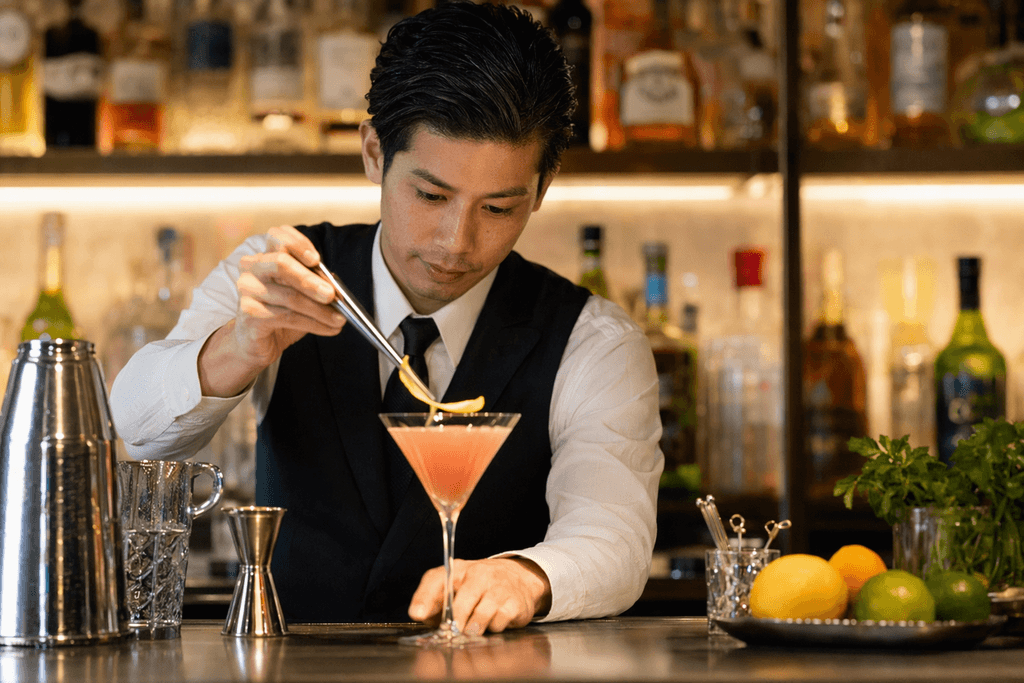
拵える
gumawa
拵える
gumawa
Explanation
拵える
gumawa
拵える
gumawa; maghanda / magluto / mag-ayos o magbihis ng sarili
Word Forms
The basic and commonly used forms of this verb.
Basic forms
| Form | Word form | Usage |
|---|---|---|
| Imperfective form (mizenkei) | Connects to endings such as nai, reru, and seru. | |
| Continuative form (renyokei) | Connects to endings such as masu, tai, and ta. | |
| Conclusive form (shushikei) | Ends a sentence and serves as the dictionary form. | |
| Attributive form (rentaikei) | Modifies a noun. | |
| Conditional form (kateikei) | Combines with ba to express a condition. | |
| Imperative form (meireikei) |
Alternative:
拵えよ
|
Expresses a command or instruction. |
Common forms
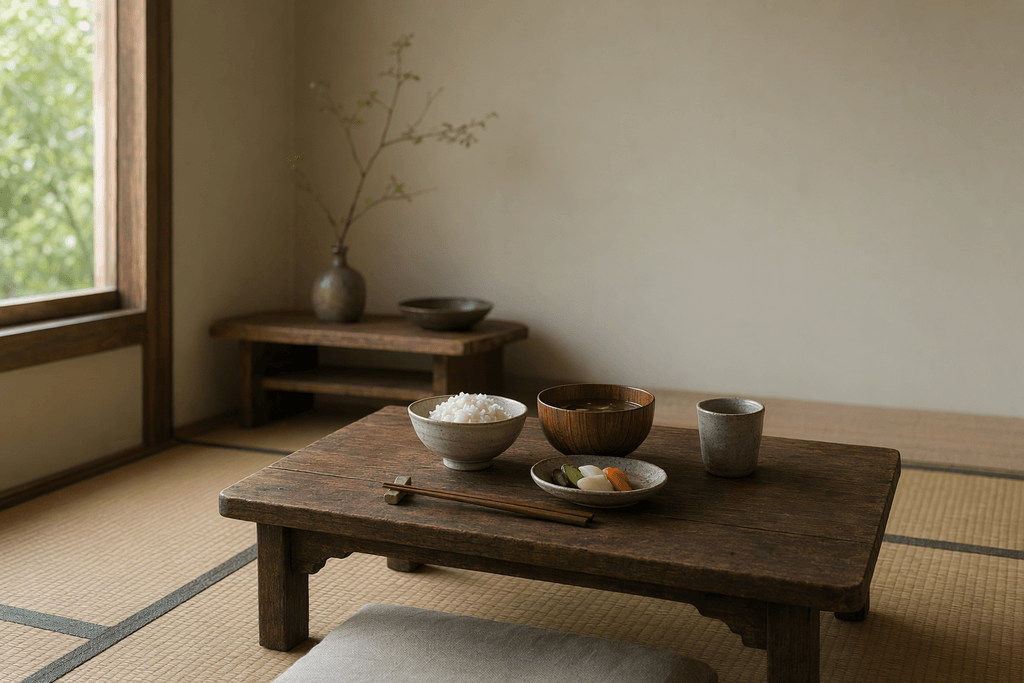
質素
pagtitipid / kasimplehan
質素
pagtitipid / kasimplehan
Explanation
質素
pagtitipid / kasimplehan
質素
kapayakan / kasimplihan / pagiging karaniwan
Ang pag-iwas sa labis na palamuti at ang pagtanggap sa kasimplihan bilang isang birtud—iyan ang nagpapakita ng isang hinog na pananaw sa mga pagpapahalaga.
( Base form )
( romanization )
( hiragana )
盛大
marangya
盛大
marangya
Explanation
盛大
marangya
盛大
maringal / marangya / magarbo
Upang ipagdiwang ang pagluklok ng hari, idinaos sa kastilyo ang isang engrandeng seremonya, at nabalot ng makulay at masiglang atmospera ang buong lungsod.

Word Forms
The basic and commonly used forms of this adjectival noun.
Basic forms
| Form | Word form | Usage |
|---|---|---|
| Imperfective form (mizenkei) | Used in forms such as darou. | |
| Continuative form (renyokei) |
Alternative:
盛大に
|
Used with de or ni. |
| Conclusive form (shushikei) | Ends a sentence with da. | |
| Attributive form (rentaikei) | Modifies a noun with na. | |
| Conditional form (kateikei) | Expresses a condition with nara. | |
| Imperative form (meireikei) | Used in formal expressions such as de are. |
Common forms
マーク
marka
マーク
marka
Explanation
marka
マーク
marka; sagisag/simbolo / tatak (pangkalakalan/serbisyo) / (kompyuter) daglat ng markap (markup)
Ang simbolo na kahawig ng crest na iyon ay pinuna para sa potensyal na pagtataguyod ng pagiging eksklusibo habang pumupukaw ng isang pakiramdam ng pag-aari sa organisasyon.

( romanization )
けれど
ngunit
けれど
ngunit
Explanation
ngunit
けれど
pero / ngunit / bagaman
Bagama't tila makatwiran ang kanyang panukala sa unang tingin, ang masusing pagsusuri sa empirikal na datos ay nagpapakita ng malubhang kapintasan sa mismong premise nito.

( romanization )
辛抱
pagtitiis
辛抱
pagtitiis
Explanation
辛抱
pagtitiis
辛抱
pagtiis / pagpapasensya / pagtiyaga
Upang makamit ang tagumpay, mahalagang magkaroon ng pagtitiis na hindi nagpapadala sa panandaliang kaligayahan at patuloy na mag-ipon ng masinop na pagsisikap.

( Base form )
( romanization )
( hiragana )
Loading...

JLPT N1 多言語単語帳・3032語 / JLPT N1 Multilingual Vocabulary: 3032 Words

Jonathan Waller 氏の JLPT Resources の語彙リスト・レベル分類を出典とし、CC BY の条件に従って DiQt が学習者向けに意味を作り直した3032語の単語帳です。JLPT公式の語彙リストではありません。
This collection of 3032 words is based on the vocabulary list and level classifications in Jonathan Waller’s JLPT Resources under CC BY, with meanings rewritten by DiQt for learners. It is not an official JLPT vocabulary list.
Key Operations
Select the first quiz:
Ctrl + Enter
View Explanation:Ctrl + G
Close a feedback:Esc
When selecting a quiz
Answer:Enter
Select a choice:↓ or ↑
Reading out the question:Ctrl + K
View Hint: Ctrl + M
I don't know: Ctrl + Y



