
JLPT N1: Kahulugan ng mga salita - Unsolved

Alamin ang kahulugan ng 3032 salita sa JLPT N1 sa Filipino sa pamamagitan ng mga tanong na may apat na pagpipilian.
-
manganak / mangitlog
-
ilabas sa bentahan / ipasikat
-
mapalampas / palampasin ang sala
-
maikling alon
-
pagkakasundo
-
barkong de-singaw
-
pagpapaagos ng tubig
-
kinaugalian
-
kawalan ng pahintulot
-
pagmamanman
-
pundasyon
-
kapayakan
-
mapakla / simple ngunit elegante
-
mausok / nakakailang
-
kapansin-pansin
-
lusubin
-
pilitin
-
gumanap
-
tanggapan ng buwis
-
planeta
-
pakikipagtalik
-
kanin
-
magandang taludtod
-
karbon
-
labis
-
langit at lupa
-
pagsuko
-
pantay na katayuan
-
pagpasok sa paaralan
-
pagiging pabaya
据え付ける
ikabit
据え付ける
ikabit
Explanation
据え付ける
ikabit
据え付ける
mag-install / ikabit / maglagay ng kagamitan
Sa bagong pabrika, upang gawing awtomatiko ang buong linya ng produksyon, may plano na mag-install ng pinakabagong mga robot arm sa bawat proseso.

Word Forms
The basic and commonly used forms of this verb.
Basic forms
| Form | Word form | Usage |
|---|---|---|
| Imperfective form (mizenkei) | Connects to endings such as nai, reru, and seru. | |
| Continuative form (renyokei) | Connects to endings such as masu, tai, and ta. | |
| Conclusive form (shushikei) | Ends a sentence and serves as the dictionary form. | |
| Attributive form (rentaikei) | Modifies a noun. | |
| Conditional form (kateikei) | Combines with ba to express a condition. | |
| Imperative form (meireikei) |
Alternative:
据え付けよ
|
Expresses a command or instruction. |
Common forms
ランプ
lampara / rampa
ランプ
lampara / rampa
Explanation
lampara / rampa
ランプ
hiwang karne mula sa puwitan ng hayop / pigue (hiwa ng karne sa puwitan)
Sa tindahan ng karne, ipinahiwa ko nang manipis ang rump at ginawa itong roast beef habang tinitiyak ang pagkakaiba ng pagluluto ayon sa bawat bahagi.

( romanization )
生理
pisyolohiya / regla
生理
pisyolohiya / regla
Explanation
生理
pisyolohiya / regla
生理
pisyolohiya / regla; menstruasyon

( Base form )
( romanization )
( hiragana )
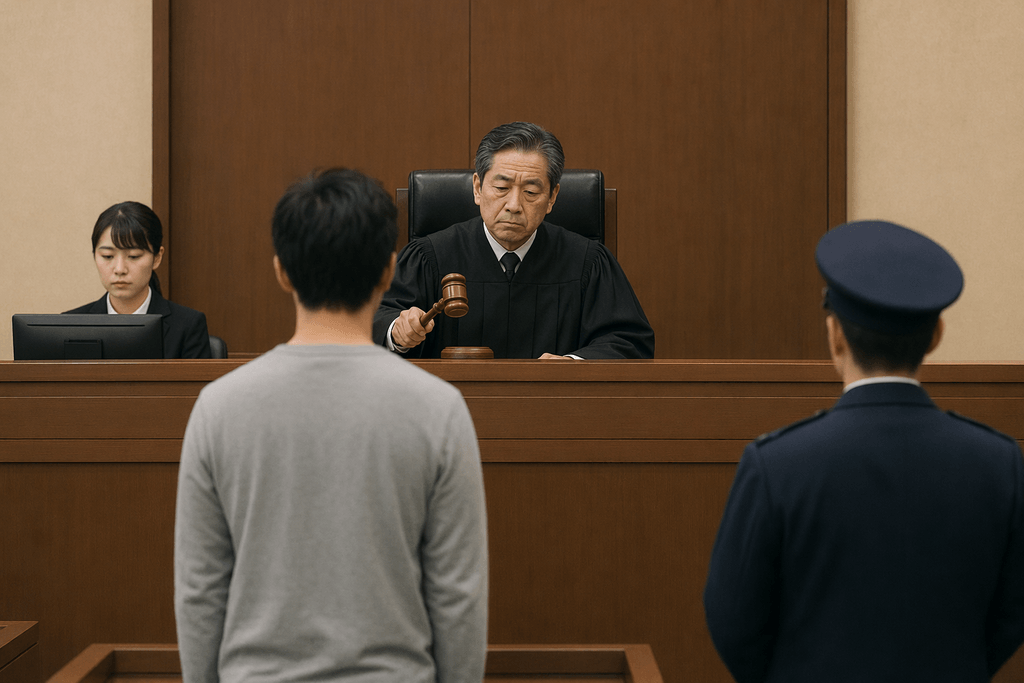
判決
hatol ng hukuman
判決
hatol ng hukuman
Explanation
判決
hatol ng hukuman
判決
hatol / pasya ng hukuman / berdikto
( Base form )
( romanization )
( hiragana )
くすぐったい
madaling makiliti
くすぐったい
madaling makiliti
Explanation
madaling makiliti
くすぐったい
makilitiin / nahihiya / naiilang

Word Forms
The basic and commonly used forms of this adjective.
Basic forms
| Form | Word form | Usage |
|---|---|---|
| Imperfective form (mizenkei) | Used in forms such as karou; mainly literary. | |
| Continuative form (renyokei) |
Alternative:
くすぐったかっ
|
Used in forms such as kute and kunai. |
| Conclusive form (shushikei) | Ends a sentence. | |
| Attributive form (rentaikei) | Modifies a noun. | |
| Conditional form (kateikei) | Expresses a condition with kereba. | |
| Imperative form (meireikei) | Rarely used in modern Japanese. |
Common forms
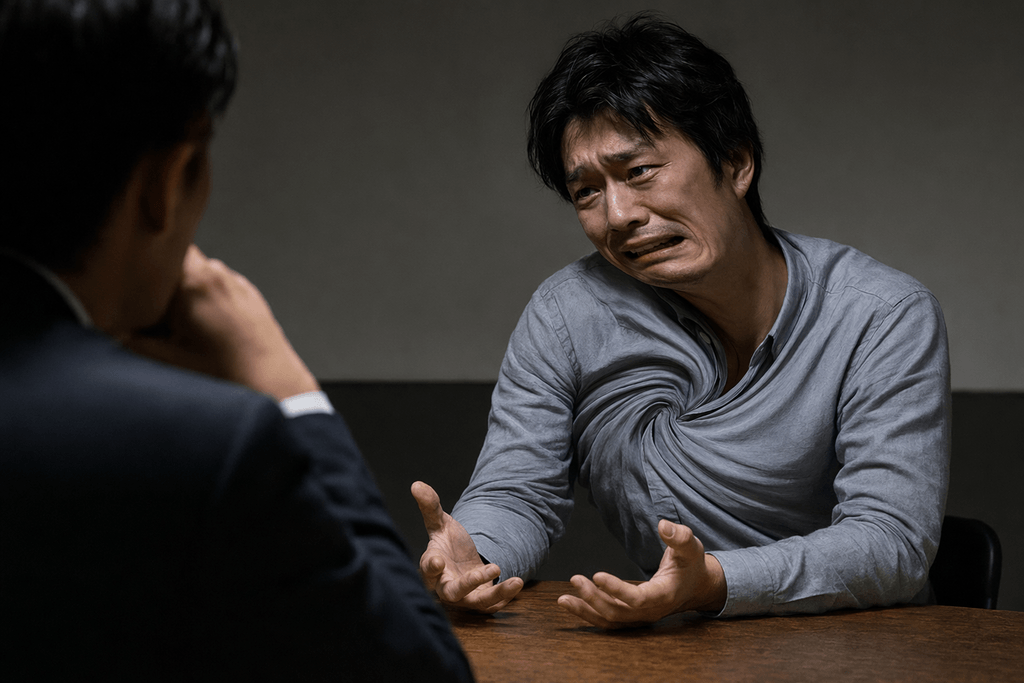
捻じれる
mapilipit
捻じれる
mapilipit
Explanation
捻じれる
mapilipit
捻じれる
mapilipit / mabaluktot / mabaliko
Word Forms
The basic and commonly used forms of this verb.
Basic forms
| Form | Word form | Usage |
|---|---|---|
| Imperfective form (mizenkei) |
Alternative:
捩じれ
ねじれ
|
Connects to endings such as nai, reru, and seru. |
| Continuative form (renyokei) |
Alternative:
捩じれ
ねじれ
|
Connects to endings such as masu, tai, and ta. |
| Conclusive form (shushikei) |
Alternative:
捩じれる
ねじれる
|
Ends a sentence and serves as the dictionary form. |
| Attributive form (rentaikei) |
Alternative:
捩じれる
ねじれる
|
Modifies a noun. |
| Conditional form (kateikei) |
Alternative:
捩じれれ
ねじれれ
|
Combines with ba to express a condition. |
| Imperative form (meireikei) |
Alternative:
捻じれよ
捩じれろ
捩じれよ
ねじれろ
ねじれよ
|
Expresses a command or instruction. |
Common forms
| Form | Word form | Usage |
|---|---|---|
| Te-form |
Alternative:
捩じれて
ねじれて
|
Connects clauses with te. |
| Ta-form |
Alternative:
捩じれた
ねじれた
|
Expresses the past with ta. |
| Nai-form |
Alternative:
捩じれない
ねじれない
|
Expresses negation with nai. |
| Masu-form |
Alternative:
捩じれます
ねじれます
|
Used for polite speech. |
| Ba-form |
Alternative:
捩じれれば
ねじれれば
|
Expresses a condition with ba. |
| Volitional form |
Alternative:
捩じれよう
ねじれよう
|
Expresses intention or invitation. |
女史
ginang
女史
ginang
Explanation
女史
ginang
女史
Titulo para sa babaeng opisyal sa palasyo sa Sinaunang Tsina / Noong Dinastiyang Zhou: tagapangasiwa ng protokol at etiketa / Noong Dinastiyang Han: tagapagtala ng mga rekord ng loob ng palasyo
Ang babaeng opisyal ng korte, na nangangasiwa sa protocol sa dinastiyang Zhou at namamahala sa mga talaan ng palasyo sa dinastiyang Han, ay isang tanggapan na sumusuporta sa utos ng korte sa likod ng mga eksena.

( Base form )
( romanization )
( hiragana )
一変
ganap na pagbabago
一変
ganap na pagbabago
Explanation
一変
ganap na pagbabago
一変
ganap na pagbabago / lubos na pagbabago / pagbaligtad ng paninindigan
Sa pagpalit ng administrasyon, biglang nagbago ang patakarang panlabas ng bansa, at ang dating kaalyado kahapon ay naging kasosyo sa negosasyon ngayon.

浮気
pangangaliwa
浮気
pangangaliwa
Explanation
浮気
pangangaliwa
浮気
pangangaliwa / pakikiapid / pagiging pabagu-bago
Dahil alam niyang ito ay isang gawain na maaaring makasira sa isang iglap ang tiwala na nabuo nila sa loob ng maraming taon, hindi niya mapapatawad ang kanyang sarili sa pandaraya.

( Base form )
( romanization )
( romanization )
( kyūjitai )
( hiragana historical )
( hiragana )
賃金
sahod
賃金
sahod
Explanation
賃金
sahod
賃金
sahod / sweldo / kabayaran sa paggawa

( Base form )
( romanization )
( hiragana )
Loading...

JLPT N1 多言語単語帳・3032語 / JLPT N1 Multilingual Vocabulary: 3032 Words

Jonathan Waller 氏の JLPT Resources の語彙リスト・レベル分類を出典とし、CC BY の条件に従って DiQt が学習者向けに意味を作り直した3032語の単語帳です。JLPT公式の語彙リストではありません。
This collection of 3032 words is based on the vocabulary list and level classifications in Jonathan Waller’s JLPT Resources under CC BY, with meanings rewritten by DiQt for learners. It is not an official JLPT vocabulary list.
Key Operations
Select the first quiz:
Ctrl + Enter
View Explanation:Ctrl + G
Close a feedback:Esc
When selecting a quiz
Answer:Enter
Select a choice:↓ or ↑
Reading out the question:Ctrl + K
View Hint: Ctrl + M
I don't know: Ctrl + Y



