
JLPT N1 어휘 뜻 4지선다 - Unsolved

4지선다 문제로 JLPT N1 어휘 3032개의 뜻을 한국어로 익힙니다.
-
눈매
-
모퉁이 / 코너
-
변론
-
감염
-
입상
-
다양성
-
다 쓰다 / 헌신하다
-
이르다 / 미치다
-
끼워 넣다 / 끼다
-
정장 바지
-
시야 / 안목
-
이행
-
전술
-
숙녀
-
구조 / 작동 원리
-
해류
-
표어
-
대중
-
공작 / 책략 활동
-
재원
-
압박
-
부당하다
-
소박하다 / 순진하다
-
건조하다 / 사무적이다
- 「疎か」はナ形容詞(形容動詞)として活用する。
- 命令形「疎かであれ」は形式的・稀な形。
-
해협
-
장
-
확산
-
유도 / 전자기 유도
-
증강
-
경계
掲載
게재
掲載
게재
Explanation
掲載
게재
掲載
신문·잡지 등 매체에 내용을 실어 공개하는 일 / 기사·광고 등이 매체에 실린 상태

( Base form )
( romanization )
( hiragana )
バット
야구 방망이
バット
야구 방망이
Explanation
야구 방망이
バット
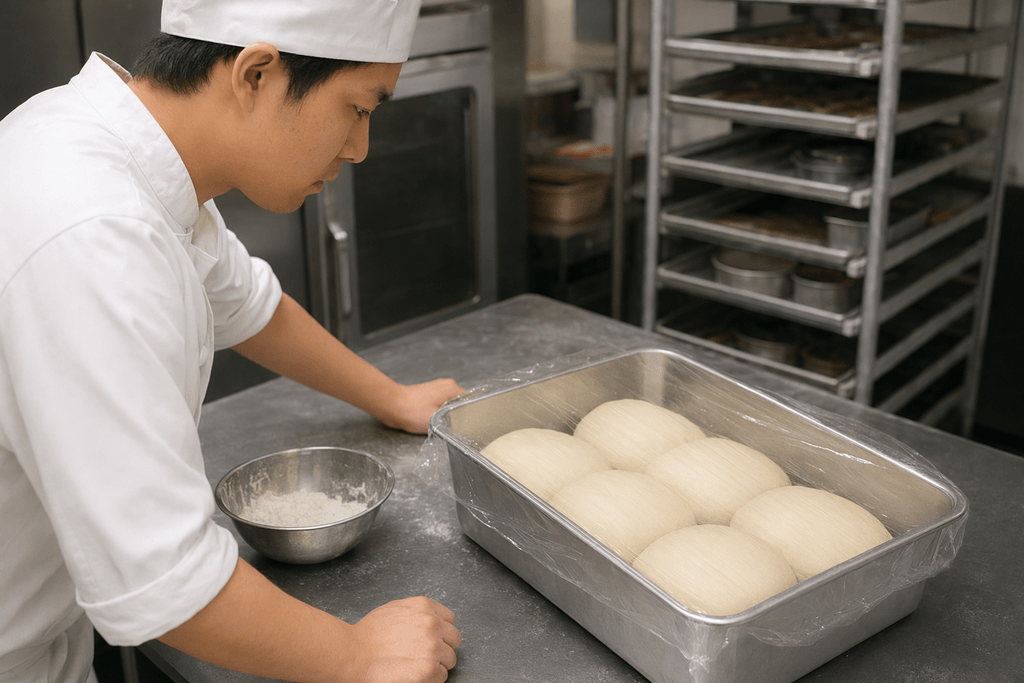
직사각형 조리용 팬 / 재료를 담거나 식히는 얕은 트레이
( romanization )
深める
깊게 하다
深める
깊게 하다
Explanation
深める
깊게 하다
深める
깊게 하다 / 심화하다 / 깊이를 더하다

Word Forms
The basic and commonly used forms of this verb.
Basic forms
| Form | Word form | Usage |
|---|---|---|
| Imperfective form (mizenkei) | Connects to endings such as nai, reru, and seru. | |
| Continuative form (renyokei) | Connects to endings such as masu, tai, and ta. | |
| Conclusive form (shushikei) | Ends a sentence and serves as the dictionary form. | |
| Attributive form (rentaikei) | Modifies a noun. | |
| Conditional form (kateikei) | Combines with ba to express a condition. | |
| Imperative form (meireikei) |
Alternative:
深めよ
|
Expresses a command or instruction. |
Common forms
インテリ
지식인
インテリ
지식인
Explanation
지식인
インテリ
지식인 / 인텔리겐차(지식인 계층)

( romanization )
からだつき
체형
からだつき
체형
Explanation
체형
からだつき
체격 / 몸매 / 몸의 생김새

( romanization )
( romanization )
( hiragana historical )
ずぶ濡れ
흠뻑 젖음
ずぶ濡れ
흠뻑 젖음
Explanation
ずぶ濡れ
흠뻑 젖음
ずぶ濡れ
흠뻑 젖음 / 머리부터 발끝까지 젖은 상태 / 완전히 젖은 상태

( Base form )
( romanization )
真相
진상
真相
진상
Explanation
真相
진상
真相
진상 / 진실 / 사실의 참모습

( Base form )
( romanization )
( hiragana )
疎か
소홀하다
疎か
소홀하다
Explanation
疎か
소홀하다
疎か
…은커녕 / …은 말할 것도 없고 / …은 물론

Word Forms
The basic and commonly used forms of this adjectival noun.
Basic forms
| Form | Word form | Usage |
|---|---|---|
| Imperfective form (mizenkei) | Used in forms such as darou. | |
| Continuative form (renyokei) |
Alternative:
疎かに
疎かだっ
|
Used with de or ni. |
| Conclusive form (shushikei) | Ends a sentence with da. | |
| Attributive form (rentaikei) |
Alternative:
疎かである
|
Modifies a noun with na. |
| Conditional form (kateikei) |
Alternative:
疎かならば
|
Expresses a condition with nara. |
| Imperative form (meireikei) | Used in formal expressions such as de are. |
Common forms
| Form | Word form | Usage |
|---|---|---|
| Te-form equivalent | Connects clauses using de. | |
| Ta-form | Expresses the past with datta. | |
| Nai-form |
Alternative:
疎かじゃない
|
Expresses negation with dewa nai or ja nai. |
| Desu-form | Used for polite speech. |
Notes
昼飯
점심밥
昼飯
점심밥
Explanation
昼飯
점심밥
昼飯
점심(속어) / 점심밥(속어)

( Base form )
( romanization )
( hiragana )
原文
원문
原文
원문
Explanation
原文
원문
原文
원문 / 원래의 글(텍스트) / 원전의 문장

( Base form )
( romanization )
( hiragana )
Loading...

JLPT N1 多言語単語帳・3032語 / JLPT N1 Multilingual Vocabulary: 3032 Words

Jonathan Waller 氏の JLPT Resources の語彙リスト・レベル分類を出典とし、CC BY の条件に従って DiQt が学習者向けに意味を作り直した3032語の単語帳です。JLPT公式の語彙リストではありません。
This collection of 3032 words is based on the vocabulary list and level classifications in Jonathan Waller’s JLPT Resources under CC BY, with meanings rewritten by DiQt for learners. It is not an official JLPT vocabulary list.
Key Operations
Select the first quiz:
Ctrl + Enter
View Explanation:Ctrl + G
Close a feedback:Esc
When selecting a quiz
Answer:Enter
Select a choice:↓ or ↑
Reading out the question:Ctrl + K
View Hint: Ctrl + M
I don't know: Ctrl + Y



