
JLPT N1 어휘 뜻 4지선다 - Unsolved

4지선다 문제로 JLPT N1 어휘 3032개의 뜻을 한국어로 익힙니다.
-
공제하다
-
섞다 / 칼을 맞대다
-
붐비다 / 번창하다
-
출발 / 발사
-
호
-
책
-
체험
-
부정
-
기류
-
자성
-
고속도로 나들목
-
임업
-
위탁
-
열정
-
탈퇴
-
합병
-
사소한 일
-
서쪽 햇볕
-
범주
-
사진작가 / 촬영 기사
-
분배
-
기능 실조
-
관습
-
부책임자 / 부차적이다
-
따라가다
-
삼키다 / 이해하다
-
잘못하다
- 「反する」はサ行変格活用の複合動詞です。
- 未然形「反せ」「反さ」は接続する助動詞によって現れる形です。
-
시도하다
-
밀어 넣다
-
쇠약해지다 / 쇠퇴하다
- 指定読みは「はえる」。なお、「繁栄する」の意味では読み「さかえる」も一般的です。
弛む
처지다 / 해이해지다
弛む
처지다 / 해이해지다
Explanation
弛む
처지다 / 해이해지다
弛む
느슨해지다 / 헐거워지다 / (긴장·규율 등이) 풀리다

Word Forms
The basic and commonly used forms of this verb.
Basic forms
| Form | Word form | Usage |
|---|---|---|
| Imperfective form (mizenkei) |
Alternative:
弛も
|
Connects to endings such as nai, reru, and seru. |
| Continuative form (renyokei) | Connects to endings such as masu, tai, and ta. | |
| Conclusive form (shushikei) | Ends a sentence and serves as the dictionary form. | |
| Attributive form (rentaikei) | Modifies a noun. | |
| Conditional form (kateikei) | Combines with ba to express a condition. | |
| Imperative form (meireikei) | Expresses a command or instruction. |
Common forms
泊
숙박일수
泊
숙박일수
Explanation
泊
숙박일수
泊
(숙박한) 박(1박, 2박의 ‘박’) / 투숙(숙박)한 밤 수

( romanization )
( hiragana )
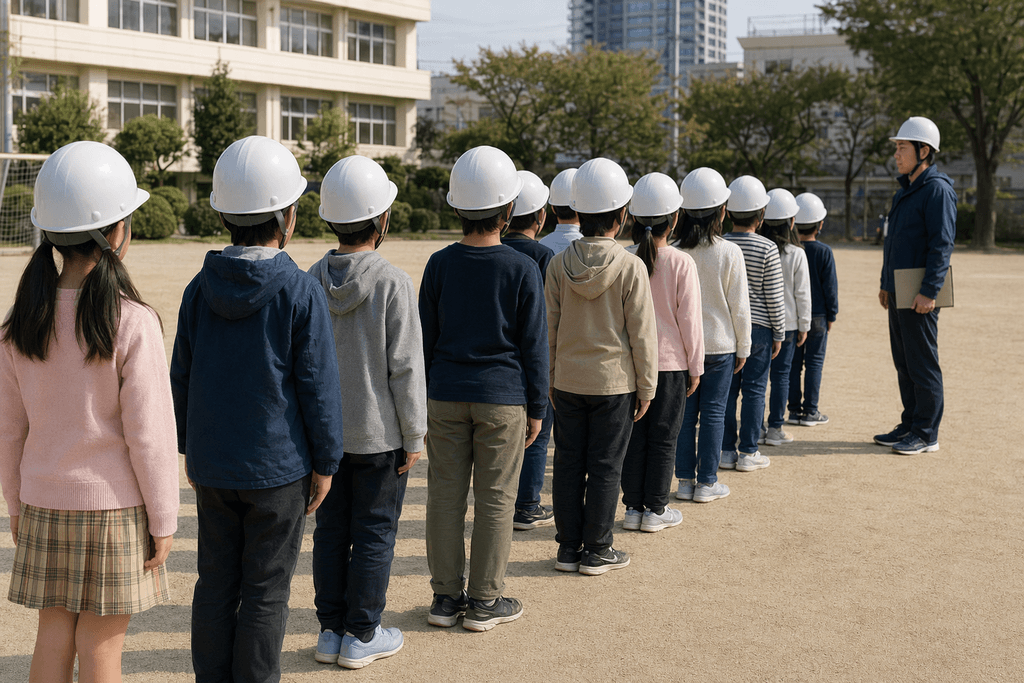
整列
정렬
整列
정렬
Explanation
整列
정렬
整列
정렬 / 일렬로 늘어섬 / 대형을 갖추어 섬
切れ目
틈 / 절단면
切れ目
틈 / 절단면
Explanation
切れ目
틈 / 절단면
切れ目
틈새 / 중단·휴지기 / 끝

( Base form )
( romanization )
( hiragana )
私物
개인 물품
私物
개인 물품
Explanation
私物
개인 물품
私物
개인 소유물 / 사유 재산 / 개인 소지품

( Base form )
( romanization )
( hiragana )
平方
제곱
平方
제곱
Explanation
平方
제곱
平方
제곱(2제곱) / 평방(면적의 제곱 단위)

( Base form )
( romanization )
( romanization )
( hiragana historical )
( hiragana )
ネガ
사진 원판
ネガ
사진 원판
Explanation
사진 원판
ネガ
사진 필름의 네거티브 / 음화

( romanization )
業者
업자
業者
업자
Explanation
業者
업자
業者
상인·판매업자·딜러 / 제조업체(자) / 도급업자·하청업체

( Base form )
( romanization )
( hiragana )
反する
어긋나다
反する
어긋나다
Explanation
反する
어긋나다
反する
위반하다 / 배치되다 / 상반되다

Word Forms
The basic and commonly used forms of this verb.
Basic forms
| Form | Word form | Usage |
|---|---|---|
| Imperfective form (mizenkei) |
Alternative:
反せ
反さ
|
Connects to endings such as nai, reru, and seru. |
| Continuative form (renyokei) | Connects to endings such as masu, tai, and ta. | |
| Conclusive form (shushikei) | Ends a sentence and serves as the dictionary form. | |
| Attributive form (rentaikei) | Modifies a noun. | |
| Conditional form (kateikei) | Combines with ba to express a condition. | |
| Imperative form (meireikei) |
Alternative:
反せよ
|
Expresses a command or instruction. |
Common forms
| Form | Word form | Usage |
|---|---|---|
| Te-form | Connects clauses with te. | |
| Ta-form | Expresses the past with ta. | |
| Nai-form | Expresses negation with nai. | |
| Masu-form | Used for polite speech. | |
| Ba-form | Expresses a condition with ba. | |
| Volitional form | Expresses intention or invitation. |
Notes
栄える
번영하다
栄える
번영하다
Explanation
栄える
번영하다
栄える
돋보이다 / 빛나다 / 눈에 띄게 아름답다

Word Forms
The basic and commonly used forms of this verb.
Basic forms
| Form | Word form | Usage |
|---|---|---|
| Imperfective form (mizenkei) | Connects to endings such as nai, reru, and seru. | |
| Continuative form (renyokei) | Connects to endings such as masu, tai, and ta. | |
| Conclusive form (shushikei) | Ends a sentence and serves as the dictionary form. | |
| Attributive form (rentaikei) | Modifies a noun. | |
| Conditional form (kateikei) | Combines with ba to express a condition. | |
| Imperative form (meireikei) |
Alternative:
栄えよ
|
Expresses a command or instruction. |
Common forms
| Form | Word form | Usage |
|---|---|---|
| Te-form | Connects clauses with te. | |
| Ta-form | Expresses the past with ta. | |
| Nai-form | Expresses negation with nai. | |
| Masu-form | Used for polite speech. | |
| Ba-form | Expresses a condition with ba. | |
| Volitional form | Expresses intention or invitation. |
Notes
Loading...

JLPT N1 多言語単語帳・3032語 / JLPT N1 Multilingual Vocabulary: 3032 Words

Jonathan Waller 氏の JLPT Resources の語彙リスト・レベル分類を出典とし、CC BY の条件に従って DiQt が学習者向けに意味を作り直した3032語の単語帳です。JLPT公式の語彙リストではありません。
This collection of 3032 words is based on the vocabulary list and level classifications in Jonathan Waller’s JLPT Resources under CC BY, with meanings rewritten by DiQt for learners. It is not an official JLPT vocabulary list.
Key Operations
Select the first quiz:
Ctrl + Enter
View Explanation:Ctrl + G
Close a feedback:Esc
When selecting a quiz
Answer:Enter
Select a choice:↓ or ↑
Reading out the question:Ctrl + K
View Hint: Ctrl + M
I don't know: Ctrl + Y



