
JLPT N1 어휘 뜻 4지선다 - Unsolved

4지선다 문제로 JLPT N1 어휘 3032개의 뜻을 한국어로 익힙니다.
-
용도
-
시야 / 안목
-
주기
-
오리엔테이션
-
산물 / 결과
-
홀수
-
우울해지다 / 떨어지다
-
밀리다 / 체납하다
-
가져오다
-
상처받다
-
인기가 있다
-
몰두하다
- 「綻びる」は上一段活用の自動詞。
-
반
-
도입
-
짐 꾸리기
-
암
-
어긋남 / 차이
-
반격
-
남편 / 주인
-
배상
-
개설
-
유니폼
-
주인공
-
짐 꾸리기
-
전송 / 회송 운행
-
맞벌이
-
도둑질
-
칸막이하다 / 총괄하다
-
스며들다 / 쓰라리다
-
제거하다
一見
첫 손님
一見
첫 손님
Explanation
一見
첫 손님
一見
가게·식당을 사전 연락이나 소개 없이 처음 방문함 / 단골이 아닌 첫 손님

( Base form )
( romanization )
( hiragana )
行為
행위 / 행동거지
行為
행위 / 행동거지
Explanation
行為
행위 / 행동거지
行為
행위 / 행동 / 행실

( Base form )
( romanization )
( romanization )
( hiragana historical )
( hiragana )
埋め込む
박아 넣다
埋め込む
박아 넣다
Explanation
埋め込む
박아 넣다
埋め込む
묻어 넣다 / 심다 / (컴퓨팅) 임베드하다

Word Forms
The basic and commonly used forms of this verb.
Basic forms
| Form | Word form | Usage |
|---|---|---|
| Imperfective form (mizenkei) |
Alternative:
埋め込も
|
Connects to endings such as nai, reru, and seru. |
| Continuative form (renyokei) |
Alternative:
埋め込ん
|
Connects to endings such as masu, tai, and ta. |
| Conclusive form (shushikei) | Ends a sentence and serves as the dictionary form. | |
| Attributive form (rentaikei) | Modifies a noun. | |
| Conditional form (kateikei) | Combines with ba to express a condition. | |
| Imperative form (meireikei) | Expresses a command or instruction. |
Common forms
ほころびる
솔기가 터지다 / 꽃이 벌어지다
ほころびる
솔기가 터지다 / 꽃이 벌어지다
Explanation
솔기가 터지다 / 꽃이 벌어지다
ほころびる
솔기가 터지다 / 꽃봉오리가 벌어지다 / 미소를 띠다

Word Forms
The basic and commonly used forms of this verb.
Basic forms
| Form | Word form | Usage |
|---|---|---|
| Imperfective form (mizenkei) | Connects to endings such as nai, reru, and seru. | |
| Continuative form (renyokei) | Connects to endings such as masu, tai, and ta. | |
| Conclusive form (shushikei) |
Alternative:
綻びる
|
Ends a sentence and serves as the dictionary form. |
| Attributive form (rentaikei) |
Alternative:
綻びる
|
Modifies a noun. |
| Conditional form (kateikei) | Combines with ba to express a condition. | |
| Imperative form (meireikei) |
Alternative:
ほころびよ
|
Expresses a command or instruction. |
Common forms
| Form | Word form | Usage |
|---|---|---|
| Te-form |
Alternative:
綻びて
|
Connects clauses with te. |
| Ta-form |
Alternative:
綻びた
|
Expresses the past with ta. |
| Nai-form |
Alternative:
綻びない
|
Expresses negation with nai. |
| Masu-form |
Alternative:
綻びます
|
Used for polite speech. |
| Ba-form |
Alternative:
綻びれば
|
Expresses a condition with ba. |
| Volitional form |
Alternative:
綻びよう
|
Expresses intention or invitation. |
Notes
経緯
경위
経緯
경위
Explanation
経緯
경위
経緯
사건의 전말·자초지종 / 일의 전개 과정 / 사정의 내력

( romanization )
( kyūjitai )
( hiragana )
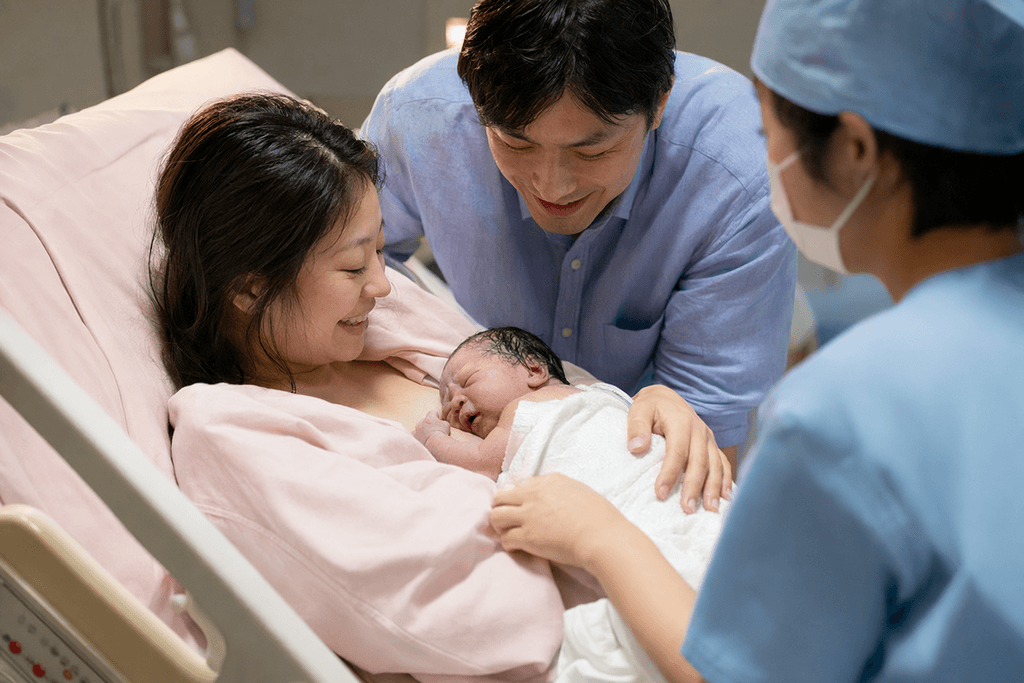
出生
출생
出生
출생
Explanation
出生
출생
出生
출생 / 태어남
( Base form )
( romanization )
( romanization )
( hiragana )
装飾
장식
装飾
장식
Explanation
装飾
장식
装飾
장식 / 꾸밈 / 장식물

( Base form )
( romanization )
( romanization )
( hiragana historical )
( hiragana )
林業
임업
林業
임업
Explanation
林業
임업
林業
산림을 관리·육성하고 목재를 생산하는 산업 / 산림 자원을 이용하는 산업

( Base form )
( romanization )
( romanization )
( hiragana historical )
( hiragana )
革命
혁명
革命
혁명
Explanation
革命
혁명
革命
정치·사회 체제나 질서를 근본적으로 바꾸는 일 / 무력 등으로 정권을 전복하는 일; 쿠데타 / 전통 우주론의 ‘삼혁(三革)’ 중 하나로, 변화가 많다고 여겨지는 해

( Base form )
( romanization )
( hiragana )
定める
정하다 / 제정하다
定める
정하다 / 제정하다
Explanation
定める
정하다 / 제정하다
定める
규칙이나 법을 제정하다 / 계약에서 규정하다 / 시간이나 장소를 지정하다

Word Forms
The basic and commonly used forms of this verb.
Basic forms
| Form | Word form | Usage |
|---|---|---|
| Imperfective form (mizenkei) | Connects to endings such as nai, reru, and seru. | |
| Continuative form (renyokei) | Connects to endings such as masu, tai, and ta. | |
| Conclusive form (shushikei) | Ends a sentence and serves as the dictionary form. | |
| Attributive form (rentaikei) | Modifies a noun. | |
| Conditional form (kateikei) | Combines with ba to express a condition. | |
| Imperative form (meireikei) |
Alternative:
定めよ
|
Expresses a command or instruction. |
Common forms
Loading...

JLPT N1 多言語単語帳・3032語 / JLPT N1 Multilingual Vocabulary: 3032 Words

Jonathan Waller 氏の JLPT Resources の語彙リスト・レベル分類を出典とし、CC BY の条件に従って DiQt が学習者向けに意味を作り直した3032語の単語帳です。JLPT公式の語彙リストではありません。
This collection of 3032 words is based on the vocabulary list and level classifications in Jonathan Waller’s JLPT Resources under CC BY, with meanings rewritten by DiQt for learners. It is not an official JLPT vocabulary list.
Key Operations
Select the first quiz:
Ctrl + Enter
View Explanation:Ctrl + G
Close a feedback:Esc
When selecting a quiz
Answer:Enter
Select a choice:↓ or ↑
Reading out the question:Ctrl + K
View Hint: Ctrl + M
I don't know: Ctrl + Y



