
JLPT N1 어휘 뜻 4지선다 - Unsolved

4지선다 문제로 JLPT N1 어휘 3032개의 뜻을 한국어로 익힙니다.
-
분위기
-
권고
-
정답
-
논리
-
소묘
-
시험 부정행위
-
헐렁하다
-
경솔하다
-
미숙하다 / 서투르다
-
진실
-
업자
-
마음가짐 / 의도
-
동적이다
-
세련되다
-
터무니없다 / 무모하다
-
침전
-
심부름
-
승낙
-
형세
-
현행의
-
구
-
전래 / 외부에서 전해짐
-
개간 / 개척
-
끈기
-
익살스럽다 / 우스꽝스럽다
-
우아하다
-
건재하다
-
중계 / 생중계
-
거실
-
행사장 방문
気風
기풍
気風
기풍
Explanation
気風
기풍
気風
(집단·지역의) 기풍·정신 / 성격·기질 / 호방하고 의협적인 성미

証人
증인
証人
증인
Explanation
証人
증인
証人
증인 / 법정에서 사실을 증언하는 사람

( Base form )
( romanization )
( kyūjitai )
( hiragana )
詳細
상세하다
詳細
상세하다
Explanation
詳細
상세하다
詳細
상세한 / 자세한 / 세부적인

Word Forms
The basic and commonly used forms of this adjectival noun.
Basic forms
| Form | Word form | Usage |
|---|---|---|
| Imperfective form (mizenkei) | Used in forms such as darou. | |
| Continuative form (renyokei) |
Alternative:
詳細に
|
Used with de or ni. |
| Conclusive form (shushikei) | Ends a sentence with da. | |
| Attributive form (rentaikei) | Modifies a noun with na. | |
| Conditional form (kateikei) | Expresses a condition with nara. | |
| Imperative form (meireikei) | Used in formal expressions such as de are. |
Common forms
職員
직원
職員
직원
Explanation
職員
직원
職員
기관이나 단체의 직원 / 공공기관·학교 등에서 근무하는 직원

( Base form )
( romanization )
( romanization )
( hiragana historical )
( hiragana )
陰気
음침하다
陰気
음침하다
Explanation
陰気
음침하다
陰気
음침한 / 우울한 / 침울한

Word Forms
The basic and commonly used forms of this adjectival noun.
Basic forms
| Form | Word form | Usage |
|---|---|---|
| Imperfective form (mizenkei) | Used in forms such as darou. | |
| Continuative form (renyokei) |
Alternative:
陰気に
|
Used with de or ni. |
| Conclusive form (shushikei) | Ends a sentence with da. | |
| Attributive form (rentaikei) |
Alternative:
陰気の
|
Modifies a noun with na. |
| Conditional form (kateikei) | Expresses a condition with nara. | |
| Imperative form (meireikei) | Used in formal expressions such as de are. |
Common forms
緊急
긴급 상황
緊急
긴급 상황
Explanation
緊急
긴급 상황
緊急
시급히 대처해야 하는 사태 / 긴급함·급박함 / 비상사태

( Base form )
( romanization )
( romanization )
( hiragana historical )
( hiragana )
異動
인사이동
異動
인사이동
Explanation
異動
인사이동
異動
인사이동 / 전보 / 부서 이동

( Base form )
( romanization )
( hiragana )
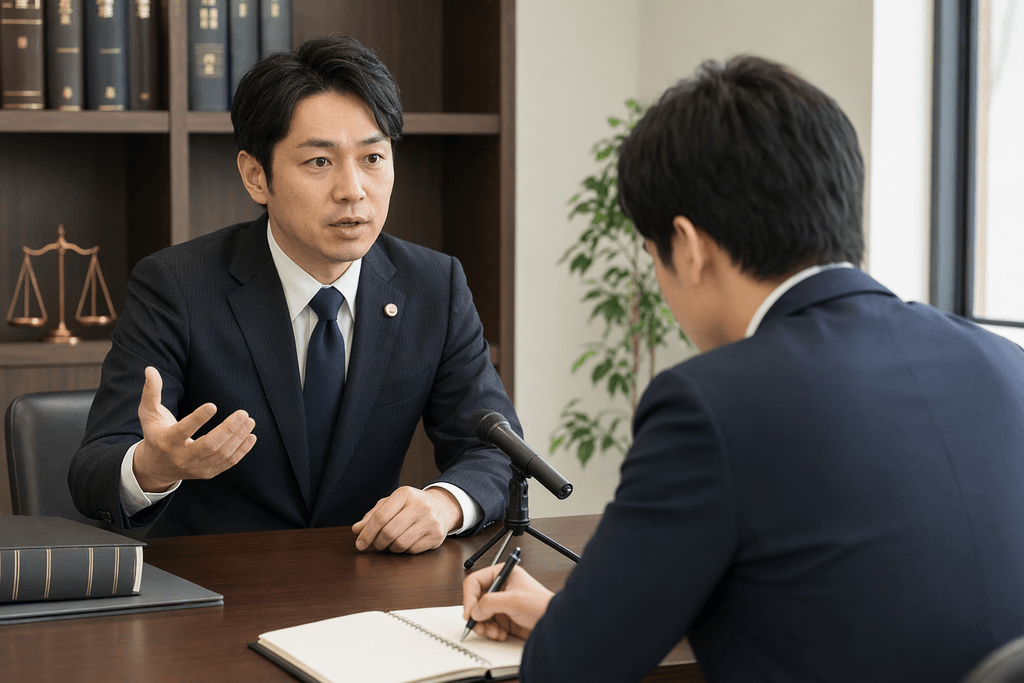
口述
구술
口述
구술
Explanation
口述
구술
口述
구술 / 구두 진술 / 구술하여 받아쓰게 함
( Base form )
( romanization )
( hiragana )
冷酷
냉혹하다
冷酷
냉혹하다
Explanation
冷酷
냉혹하다
冷酷
냉혹한 / 무자비한 / 가혹한

Word Forms
The basic and commonly used forms of this adjectival noun.
Basic forms
| Form | Word form | Usage |
|---|---|---|
| Imperfective form (mizenkei) |
Alternative:
冷酷でしょ
|
Used in forms such as darou. |
| Continuative form (renyokei) |
Alternative:
冷酷に
冷酷だっ
|
Used with de or ni. |
| Conclusive form (shushikei) | Ends a sentence with da. | |
| Attributive form (rentaikei) |
Alternative:
冷酷である
|
Modifies a noun with na. |
| Conditional form (kateikei) |
Alternative:
冷酷であれば
|
Expresses a condition with nara. |
| Imperative form (meireikei) | Used in formal expressions such as de are. |
Common forms
模範
모범
模範
모범
Explanation
模範
모범
模範
모범 / 본보기 / 귀감

( Base form )
( romanization )
( hiragana )
Loading...

JLPT N1 多言語単語帳・3032語 / JLPT N1 Multilingual Vocabulary: 3032 Words

Jonathan Waller 氏の JLPT Resources の語彙リスト・レベル分類を出典とし、CC BY の条件に従って DiQt が学習者向けに意味を作り直した3032語の単語帳です。JLPT公式の語彙リストではありません。
This collection of 3032 words is based on the vocabulary list and level classifications in Jonathan Waller’s JLPT Resources under CC BY, with meanings rewritten by DiQt for learners. It is not an official JLPT vocabulary list.
Key Operations
Select the first quiz:
Ctrl + Enter
View Explanation:Ctrl + G
Close a feedback:Esc
When selecting a quiz
Answer:Enter
Select a choice:↓ or ↑
Reading out the question:Ctrl + K
View Hint: Ctrl + M
I don't know: Ctrl + Y



