
JLPT N1 어휘 뜻 4지선다 - Unsolved

4지선다 문제로 JLPT N1 어휘 3032개의 뜻을 한국어로 익힙니다.
-
결의
-
동반 자살
-
응모
-
어선
-
초판
-
보상
-
본격
-
산물 / 결과
-
배치
-
동맹
-
방패 / 구실
-
전례
-
복면
-
푸념
-
논리
-
근시
-
양립
-
경사
-
베풀다 / 시행하다
-
빠뜨리다
-
걸다 / 함정에 빠뜨리다
- 「寝る(ねる)」は下一段活用だが、「練る(ねる)」は五段ラ行活用。
-
짊어지다 / 빚지다
-
끊어지다
-
재판하다
-
인사이동
-
신체 기관
-
일본식
-
엄숙하다
-
원활하다
-
제각각이다
母校
모교
母校
모교
Explanation
母校
모교
母校
모교 / 자신이 졸업한 학교

( Base form )
( romanization )
( hiragana )
刑
형
刑
형
Explanation
刑
형
刑
형벌 / 처벌 / 벌

( romanization )
( hiragana )
舗装
도로 포장
舗装
도로 포장
Explanation
舗装
도로 포장
舗装
도로를 단단하게 깔아 만드는 일; 포장 / 포장된 도로의 표면; 노면

( Base form )
( romanization )
( hiragana )
興業
산업 진흥 사업
興業
산업 진흥 사업
Explanation
興業
산업 진흥 사업
興業
산업을 일으킴 / 산업 진흥 / 산업의 발전 촉진

( Base form )
( romanization )
( hiragana )
体格
체격
体格
체격
Explanation
体格
체격
体格
사람의 몸의 크기와 체구 / 신체의 전체적인 균형과 덩치 / 몸집

( Base form )
( romanization )
( kyūjitai )
( hiragana )
真実
진실
真実
진실
Explanation
真実
진실
真実
진실 / 사실 / 실상

( Base form )
( romanization )
( kyūjitai )
( hiragana )
( Base form )
( kyūjitai )
( hiragana )
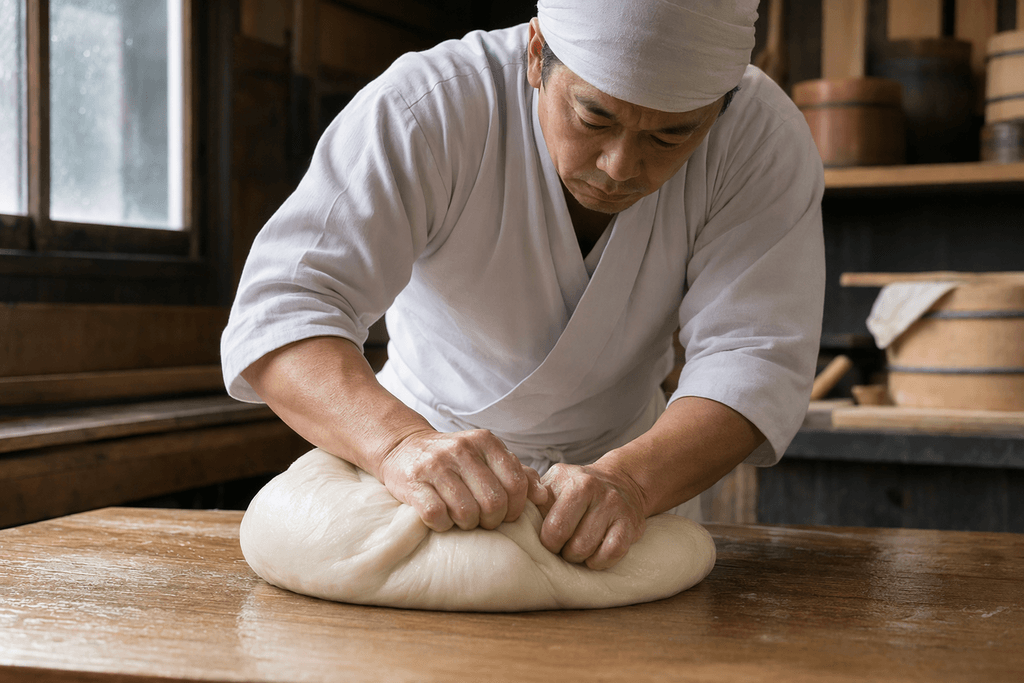
練る
반죽하다 / 계획을 다듬다
練る
반죽하다 / 계획을 다듬다
Explanation
練る
반죽하다 / 계획을 다듬다
練る
반죽을 치대다 / 다듬어 정교하게 하다 / (비단을) 부드럽게 하고 윤을 내다
Word Forms
The basic and commonly used forms of this verb.
Basic forms
| Form | Word form | Usage |
|---|---|---|
| Imperfective form (mizenkei) |
Alternative:
練ろ
|
Connects to endings such as nai, reru, and seru. |
| Continuative form (renyokei) |
Alternative:
練っ
|
Connects to endings such as masu, tai, and ta. |
| Conclusive form (shushikei) | Ends a sentence and serves as the dictionary form. | |
| Attributive form (rentaikei) | Modifies a noun. | |
| Conditional form (kateikei) | Combines with ba to express a condition. | |
| Imperative form (meireikei) | Expresses a command or instruction. |
Common forms
| Form | Word form | Usage |
|---|---|---|
| Te-form | Connects clauses with te. | |
| Ta-form | Expresses the past with ta. | |
| Nai-form | Expresses negation with nai. | |
| Masu-form | Used for polite speech. | |
| Ba-form | Expresses a condition with ba. | |
| Volitional form | Expresses intention or invitation. |
Notes
ばける
둔갑하다
ばける
둔갑하다
Explanation
둔갑하다
ばける
둔갑하다 / 가장하다 / 변질되다

Word Forms
The basic and commonly used forms of this verb.
Basic forms
| Form | Word form | Usage |
|---|---|---|
| Imperfective form (mizenkei) | Connects to endings such as nai, reru, and seru. | |
| Continuative form (renyokei) | Connects to endings such as masu, tai, and ta. | |
| Conclusive form (shushikei) | Ends a sentence and serves as the dictionary form. | |
| Attributive form (rentaikei) | Modifies a noun. | |
| Conditional form (kateikei) | Combines with ba to express a condition. | |
| Imperative form (meireikei) |
Alternative:
ばけよ
|
Expresses a command or instruction. |
Common forms
軽減
경감
軽減
경감
Explanation
軽減
경감
軽減
경감 / 완화 / 감소

( Base form )
( romanization )
( hiragana )
あやふや
불확실하다
あやふや
불확실하다
Explanation
불확실하다
あやふや
애매한 / 모호한 / 불확실한

Word Forms
The basic and commonly used forms of this adjectival noun.
Basic forms
| Form | Word form | Usage |
|---|---|---|
| Imperfective form (mizenkei) | Used in forms such as darou. | |
| Continuative form (renyokei) |
Alternative:
あやふやに
あやふやだっ
|
Used with de or ni. |
| Conclusive form (shushikei) | Ends a sentence with da. | |
| Attributive form (rentaikei) | Modifies a noun with na. | |
| Conditional form (kateikei) | Expresses a condition with nara. | |
| Imperative form (meireikei) | Used in formal expressions such as de are. |
Common forms
Loading...

JLPT N1 多言語単語帳・3032語 / JLPT N1 Multilingual Vocabulary: 3032 Words

Jonathan Waller 氏の JLPT Resources の語彙リスト・レベル分類を出典とし、CC BY の条件に従って DiQt が学習者向けに意味を作り直した3032語の単語帳です。JLPT公式の語彙リストではありません。
This collection of 3032 words is based on the vocabulary list and level classifications in Jonathan Waller’s JLPT Resources under CC BY, with meanings rewritten by DiQt for learners. It is not an official JLPT vocabulary list.
Key Operations
Select the first quiz:
Ctrl + Enter
View Explanation:Ctrl + G
Close a feedback:Esc
When selecting a quiz
Answer:Enter
Select a choice:↓ or ↑
Reading out the question:Ctrl + K
View Hint: Ctrl + M
I don't know: Ctrl + Y



