
JLPT N1 어휘 뜻 4지선다 - Unsolved

4지선다 문제로 JLPT N1 어휘 3032개의 뜻을 한국어로 익힙니다.
-
접어 넘기다 / 되돌아가다
-
조사하다
-
할퀴다
- 漢字表記は一般に「急かす」。
-
둔감하다
-
간이
-
화기애애하다
-
하사받다 / 하사하다
-
둥글게 뭉치다 / 구슬리다
-
녹다 / 황홀해지다
-
깨닫다 / 득도하다
-
받아들이다
-
이르다 / 미치다
-
공용
-
혈육
-
동산 / 농원
-
쓸리다 / 닳고닳다
-
사랑에 빠지다
-
애먹이다
-
맛있다
-
걸맞다
-
싱겁다
-
소동 / 소란
-
월부금
-
회사 주식
-
대중 매체
-
의안
-
기선
-
성실하다
-
막연하다
-
불명하다
- 「厳かなる」は文語的・荘重な連体形。
せかす
재촉하다
せかす
재촉하다
Explanation
재촉하다
せかす
재촉하다 / 서두르게 하다 / 독촉하다

Word Forms
The basic and commonly used forms of this verb.
Basic forms
| Form | Word form | Usage |
|---|---|---|
| Imperfective form (mizenkei) | Connects to endings such as nai, reru, and seru. | |
| Continuative form (renyokei) | Connects to endings such as masu, tai, and ta. | |
| Conclusive form (shushikei) | Ends a sentence and serves as the dictionary form. | |
| Attributive form (rentaikei) | Modifies a noun. | |
| Conditional form (kateikei) | Combines with ba to express a condition. | |
| Imperative form (meireikei) | Expresses a command or instruction. |
Common forms
| Form | Word form | Usage |
|---|---|---|
| Te-form | Connects clauses with te. | |
| Ta-form | Expresses the past with ta. | |
| Nai-form | Expresses negation with nai. | |
| Masu-form | Used for polite speech. | |
| Ba-form | Expresses a condition with ba. | |
| Volitional form | Expresses intention or invitation. |
Notes
鮮やか
선명하다 / 훌륭하다
鮮やか
선명하다 / 훌륭하다
Explanation
鮮やか
선명하다 / 훌륭하다
鮮やか
선명한 / 화려한 / 능숙한

Word Forms
The basic and commonly used forms of this adjectival noun.
Basic forms
| Form | Word form | Usage |
|---|---|---|
| Imperfective form (mizenkei) |
Alternative:
鮮やかでしょ
|
Used in forms such as darou. |
| Continuative form (renyokei) |
Alternative:
鮮やかに
鮮やかだっ
|
Used with de or ni. |
| Conclusive form (shushikei) | Ends a sentence with da. | |
| Attributive form (rentaikei) |
Alternative:
鮮やかである
|
Modifies a noun with na. |
| Conditional form (kateikei) |
Alternative:
鮮やかであれば
|
Expresses a condition with nara. |
| Imperative form (meireikei) | Used in formal expressions such as de are. |
Common forms
犯す
죄를 짓다 / 강간하다
犯す
죄를 짓다 / 강간하다
Explanation
犯す
죄를 짓다 / 강간하다
犯す
(죄·법·규범을) 저지르거나 위반하다 / 강간하다 / 거칠게 성교하다

Word Forms
The basic and commonly used forms of this verb.
Basic forms
| Form | Word form | Usage |
|---|---|---|
| Imperfective form (mizenkei) |
Alternative:
犯そ
|
Connects to endings such as nai, reru, and seru. |
| Continuative form (renyokei) | Connects to endings such as masu, tai, and ta. | |
| Conclusive form (shushikei) | Ends a sentence and serves as the dictionary form. | |
| Attributive form (rentaikei) | Modifies a noun. | |
| Conditional form (kateikei) | Combines with ba to express a condition. | |
| Imperative form (meireikei) | Expresses a command or instruction. |
Common forms
誇る
자랑하다
誇る
자랑하다
Explanation
誇る
자랑하다
誇る
자랑하다 / 자부하다 / 자랑으로 여기다

Word Forms
The basic and commonly used forms of this verb.
Basic forms
| Form | Word form | Usage |
|---|---|---|
| Imperfective form (mizenkei) | Connects to endings such as nai, reru, and seru. | |
| Continuative form (renyokei) | Connects to endings such as masu, tai, and ta. | |
| Conclusive form (shushikei) | Ends a sentence and serves as the dictionary form. | |
| Attributive form (rentaikei) | Modifies a noun. | |
| Conditional form (kateikei) | Combines with ba to express a condition. | |
| Imperative form (meireikei) | Expresses a command or instruction. |
Common forms
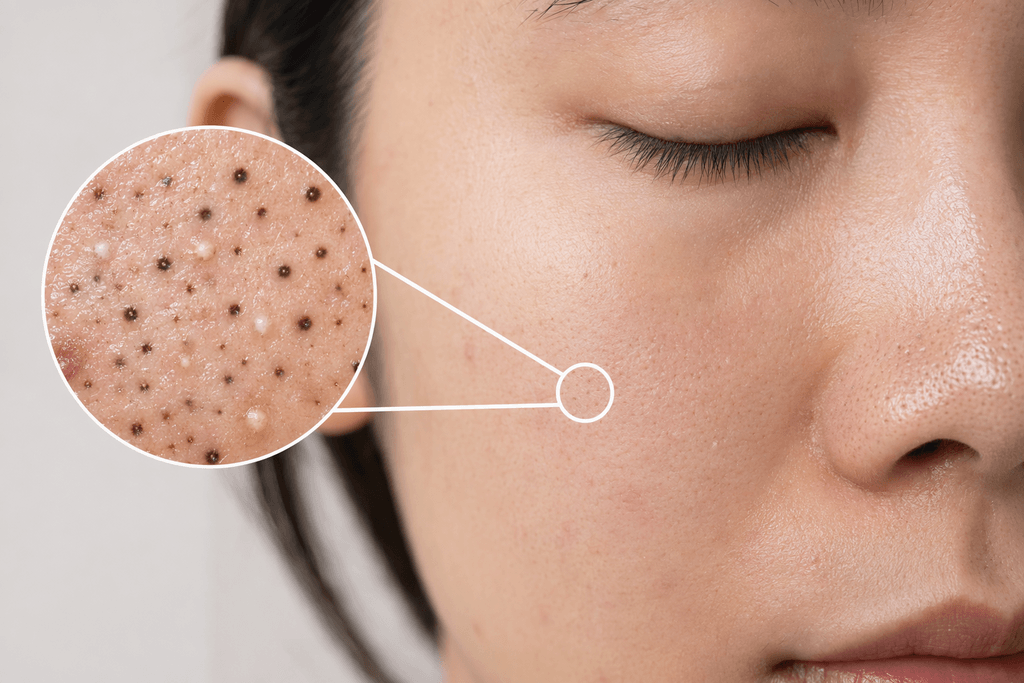
面皰
여드름
面皰
여드름
Explanation
面皰
여드름
面皰
여드름 / 뾰루지
( romanization )
( hiragana )
( alternative )
( Rōmaji )
交わる
교차하다 / 사귀다
交わる
교차하다 / 사귀다
Explanation
交わる
교차하다 / 사귀다
交わる
교차하다 / 교제하다 / 성관계를 하다

Word Forms
The basic and commonly used forms of this verb.
Basic forms
| Form | Word form | Usage |
|---|---|---|
| Imperfective form (mizenkei) |
Alternative:
交わろ
|
Connects to endings such as nai, reru, and seru. |
| Continuative form (renyokei) |
Alternative:
交わっ
|
Connects to endings such as masu, tai, and ta. |
| Conclusive form (shushikei) | Ends a sentence and serves as the dictionary form. | |
| Attributive form (rentaikei) | Modifies a noun. | |
| Conditional form (kateikei) | Combines with ba to express a condition. | |
| Imperative form (meireikei) | Expresses a command or instruction. |
Common forms
紛らわしい
혼동하기 쉽다
紛らわしい
혼동하기 쉽다
Explanation
紛らわしい
혼동하기 쉽다
紛らわしい
헷갈리기 쉬운 / 혼동을 일으키는 / 애매한

Word Forms
The basic and commonly used forms of this adjective.
Basic forms
| Form | Word form | Usage |
|---|---|---|
| Imperfective form (mizenkei) | Used in forms such as karou; mainly literary. | |
| Continuative form (renyokei) |
Alternative:
紛らわしかっ
|
Used in forms such as kute and kunai. |
| Conclusive form (shushikei) | Ends a sentence. | |
| Attributive form (rentaikei) | Modifies a noun. | |
| Conditional form (kateikei) | Expresses a condition with kereba. | |
| Imperative form (meireikei) | Rarely used in modern Japanese. |
Common forms
付録
부록
付録
부록
Explanation
付録
부록
付録
부록 / 보충 자료 / 별첨

( Base form )
( romanization )
( hiragana )
増強
증강
増強
증강
Explanation
増強
증강
増強
강화 / 증강 / 보강

( Base form )
( romanization )
( hiragana )
厳か
엄숙하다
厳か
엄숙하다
Explanation
厳か
엄숙하다
厳か
엄숙한 / 장엄한 / 위엄 있는
Word Forms
The basic and commonly used forms of this adjectival noun.
Basic forms
| Form | Word form | Usage |
|---|---|---|
| Imperfective form (mizenkei) | Used in forms such as darou. | |
| Continuative form (renyokei) |
Alternative:
厳かに
厳かだっ
|
Used with de or ni. |
| Conclusive form (shushikei) | Ends a sentence with da. | |
| Attributive form (rentaikei) |
Alternative:
厳かなる
|
Modifies a noun with na. |
| Conditional form (kateikei) | Expresses a condition with nara. | |
| Imperative form (meireikei) | Used in formal expressions such as de are. |
Common forms
| Form | Word form | Usage |
|---|---|---|
| Te-form equivalent | Connects clauses using de. | |
| Ta-form | Expresses the past with datta. | |
| Nai-form |
Alternative:
厳かじゃない
|
Expresses negation with dewa nai or ja nai. |
| Desu-form | Used for polite speech. |
Notes
Loading...

JLPT N1 多言語単語帳・3032語 / JLPT N1 Multilingual Vocabulary: 3032 Words

Jonathan Waller 氏の JLPT Resources の語彙リスト・レベル分類を出典とし、CC BY の条件に従って DiQt が学習者向けに意味を作り直した3032語の単語帳です。JLPT公式の語彙リストではありません。
This collection of 3032 words is based on the vocabulary list and level classifications in Jonathan Waller’s JLPT Resources under CC BY, with meanings rewritten by DiQt for learners. It is not an official JLPT vocabulary list.
Key Operations
Select the first quiz:
Ctrl + Enter
View Explanation:Ctrl + G
Close a feedback:Esc
When selecting a quiz
Answer:Enter
Select a choice:↓ or ↑
Reading out the question:Ctrl + K
View Hint: Ctrl + M
I don't know: Ctrl + Y



