
JLPT N1 어휘 뜻 4지선다 - Unsolved

4지선다 문제로 JLPT N1 어휘 3032개의 뜻을 한국어로 익힙니다.
-
이루다
-
돌아보다 / 고려하다
-
새다
-
군비
-
특산품
-
가신
-
성급한 성미
-
수표
-
크기
-
겁먹다
-
몰두하다
-
늘어지다 / 방울져 떨어지다
-
근거로 하다
-
어긋나다
-
편입하다
- 読みは「まぐれる」。現代語では同字の「紛れる」は「まぎれる」と読む用法も一般的です。
-
흩뿌리다 / 마구 나눠주다
-
밝히다 / 밤을 새우다
-
벗겨지다 / 빛이 바래다
-
신음하다 / 으르렁거리다
-
질투하다
-
출시하다 / 널리 알리다
-
선언
-
월 수업료
-
업
-
감점
-
벽보
-
연감
-
조금 못 미치는 / 약한
-
-제
-
학년생
交わす
주고받다
交わす
주고받다
Explanation
交わす
주고받다
交わす
(인사·말 등을) 주고받다 / (약속·악수 등을) 서로 하다 / 교차하다

Word Forms
The basic and commonly used forms of this verb.
Basic forms
| Form | Word form | Usage |
|---|---|---|
| Imperfective form (mizenkei) | Connects to endings such as nai, reru, and seru. | |
| Continuative form (renyokei) | Connects to endings such as masu, tai, and ta. | |
| Conclusive form (shushikei) | Ends a sentence and serves as the dictionary form. | |
| Attributive form (rentaikei) | Modifies a noun. | |
| Conditional form (kateikei) | Combines with ba to express a condition. | |
| Imperative form (meireikei) | Expresses a command or instruction. |
Common forms
レース
경주 / 레이스 천
レース
경주 / 레이스 천
Explanation
경주 / 레이스 천
レース
구멍무늬가 있는 장식용 얇은 천 / 직조·뜨개로 만든 가장자리 장식이나 천 / 옷·커튼 등에 덧대는 망사형 장식

( romanization )
カムバック
복귀
カムバック
복귀
Explanation
복귀
カムバック
복귀, 재기 / (K-팝) 휴식 후 새 앨범·싱글 발표와 그에 따른 활동

( romanization )
さえずる
지저귀다
さえずる
지저귀다
Explanation
지저귀다
さえずる
(새가) 지저귀다 / 재잘거리다 / 짹짹거리다

Word Forms
The basic and commonly used forms of this verb.
Basic forms
| Form | Word form | Usage |
|---|---|---|
| Imperfective form (mizenkei) |
Alternative:
さえずろ
|
Connects to endings such as nai, reru, and seru. |
| Continuative form (renyokei) | Connects to endings such as masu, tai, and ta. | |
| Conclusive form (shushikei) | Ends a sentence and serves as the dictionary form. | |
| Attributive form (rentaikei) | Modifies a noun. | |
| Conditional form (kateikei) | Combines with ba to express a condition. | |
| Imperative form (meireikei) | Expresses a command or instruction. |
Common forms
紛れる
뒤섞이다 / 정신이 팔리다
紛れる
뒤섞이다 / 정신이 팔리다
Explanation
紛れる
뒤섞이다 / 정신이 팔리다
紛れる
길을 잃다 / (군중·혼란 속에) 섞여 보이지 않게 되다

Word Forms
The basic and commonly used forms of this verb.
Basic forms
| Form | Word form | Usage |
|---|---|---|
| Imperfective form (mizenkei) | Connects to endings such as nai, reru, and seru. | |
| Continuative form (renyokei) | Connects to endings such as masu, tai, and ta. | |
| Conclusive form (shushikei) | Ends a sentence and serves as the dictionary form. | |
| Attributive form (rentaikei) | Modifies a noun. | |
| Conditional form (kateikei) | Combines with ba to express a condition. | |
| Imperative form (meireikei) |
Alternative:
紛れよ
|
Expresses a command or instruction. |
Common forms
| Form | Word form | Usage |
|---|---|---|
| Te-form | Connects clauses with te. | |
| Ta-form | Expresses the past with ta. | |
| Nai-form | Expresses negation with nai. | |
| Masu-form | Used for polite speech. | |
| Ba-form | Expresses a condition with ba. | |
| Volitional form | Expresses intention or invitation. |
Notes
取り戻す
되찾다
取り戻す
되찾다
Explanation
取り戻す
되찾다
取り戻す
되찾다 / 회복하다 / 원상태로 돌리다

Word Forms
The basic and commonly used forms of this verb.
Basic forms
| Form | Word form | Usage |
|---|---|---|
| Imperfective form (mizenkei) |
Alternative:
取り戻そ
|
Connects to endings such as nai, reru, and seru. |
| Continuative form (renyokei) | Connects to endings such as masu, tai, and ta. | |
| Conclusive form (shushikei) | Ends a sentence and serves as the dictionary form. | |
| Attributive form (rentaikei) | Modifies a noun. | |
| Conditional form (kateikei) | Combines with ba to express a condition. | |
| Imperative form (meireikei) | Expresses a command or instruction. |
Common forms
赤らむ
붉어지다
赤らむ
붉어지다
Explanation
赤らむ
붉어지다
赤らむ
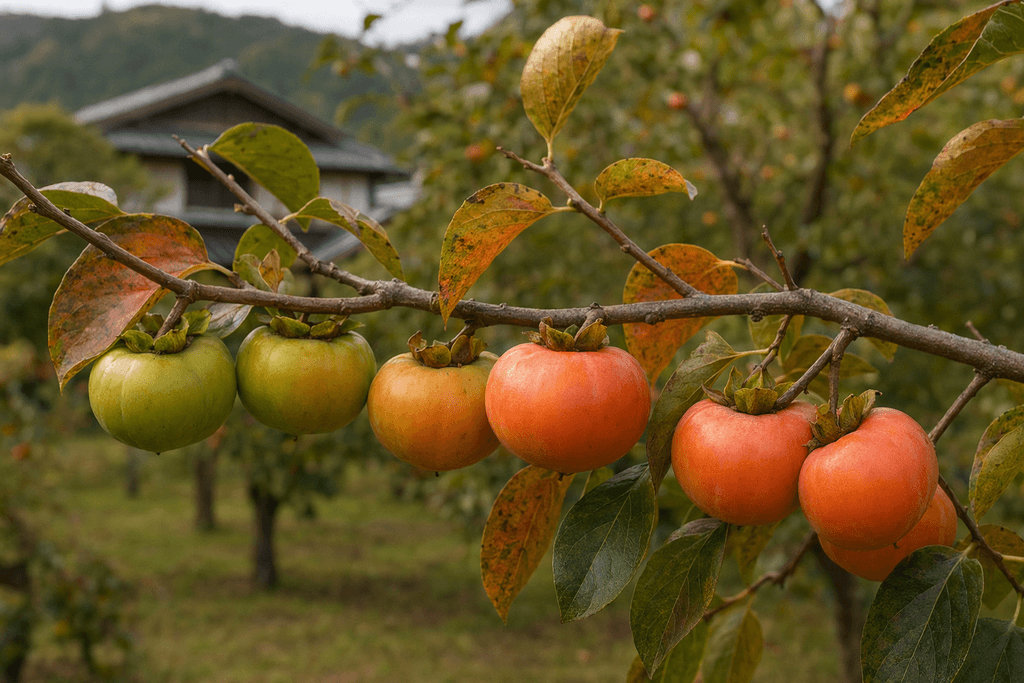
(열매·봉오리 등이) 붉게 물들다 / 부끄러워 얼굴이 붉어지다
Word Forms
The basic and commonly used forms of this verb.
Basic forms
| Form | Word form | Usage |
|---|---|---|
| Imperfective form (mizenkei) |
Alternative:
赤らも
|
Connects to endings such as nai, reru, and seru. |
| Continuative form (renyokei) | Connects to endings such as masu, tai, and ta. | |
| Conclusive form (shushikei) | Ends a sentence and serves as the dictionary form. | |
| Attributive form (rentaikei) | Modifies a noun. | |
| Conditional form (kateikei) | Combines with ba to express a condition. | |
| Imperative form (meireikei) | Expresses a command or instruction. |
Common forms
規範
규범
規範
규범
Explanation
規範
규범
規範
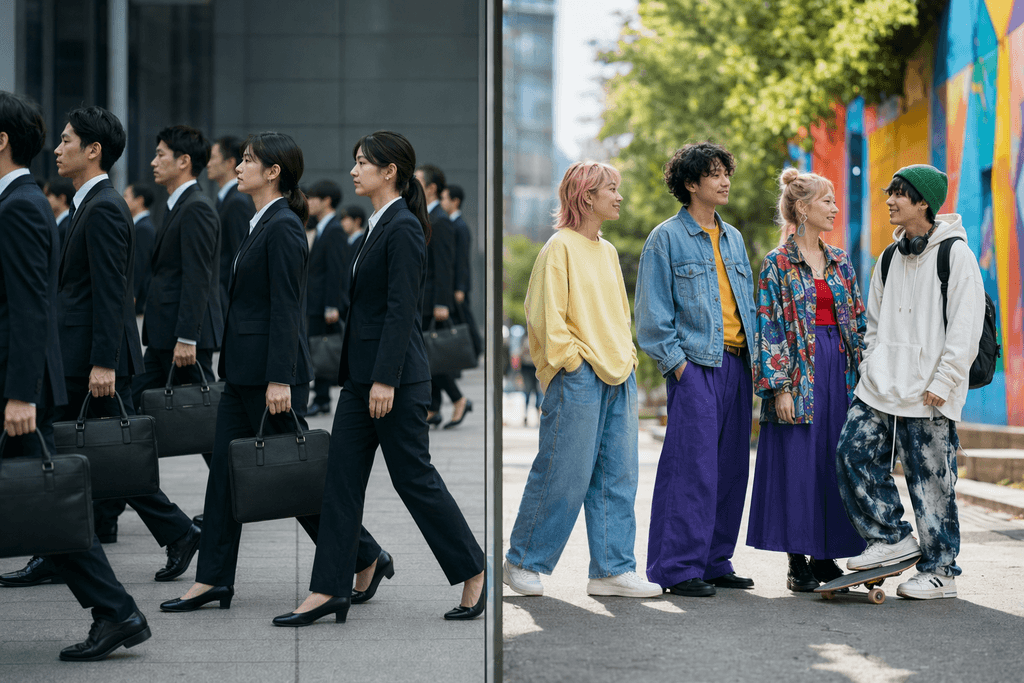
규범 / 표준 / 기준
( Base form )
( romanization )
( hiragana )
産物
산물 / 결과
産物
산물 / 결과
Explanation
産物
산물 / 결과
産物
산물, 생산품 / 결과물, 성과 / (완곡) 자녀, 소산

( Base form )
( romanization )
( kyūjitai )
( hiragana )
系
계통 / 혈통
系
계통 / 혈통
Explanation
系
계통 / 혈통
系
~계, ~계열(체계·시스템) / ~가문·혈통(계통) / ~스타일·유파(풍)

( romanization )
( hiragana )
Loading...

JLPT N1 多言語単語帳・3032語 / JLPT N1 Multilingual Vocabulary: 3032 Words

Jonathan Waller 氏の JLPT Resources の語彙リスト・レベル分類を出典とし、CC BY の条件に従って DiQt が学習者向けに意味を作り直した3032語の単語帳です。JLPT公式の語彙リストではありません。
This collection of 3032 words is based on the vocabulary list and level classifications in Jonathan Waller’s JLPT Resources under CC BY, with meanings rewritten by DiQt for learners. It is not an official JLPT vocabulary list.
Key Operations
Select the first quiz:
Ctrl + Enter
View Explanation:Ctrl + G
Close a feedback:Esc
When selecting a quiz
Answer:Enter
Select a choice:↓ or ↑
Reading out the question:Ctrl + K
View Hint: Ctrl + M
I don't know: Ctrl + Y



