
JLPT N1 어휘 뜻 4지선다 - Unsolved

4지선다 문제로 JLPT N1 어휘 3032개의 뜻을 한국어로 익힙니다.
-
속도
-
파일
-
임업
-
목사
-
펌프
-
본고장
-
궁전
-
영주
-
공명 / 공감
-
본고장
-
몸짓
-
교역
-
동맹
-
정세
-
단결
-
풍습
-
산후
-
왼손잡이
-
친숙해지다
-
칸막이하다 / 총괄하다
-
끊다 / 삼가다
-
나무줄기
-
옷차림
-
동행인
-
폐쇄
-
추첨
-
커트
-
눈에 띄다
-
불러 세우다
-
굳히다 / 다지다
- 五段活用の動詞。「舞うて」「舞うた」は古風・方言的な異形。
茶の湯
다도
茶の湯
다도
Explanation
茶の湯
다도
茶の湯
일본의 다도 의식 / 일본식 차 예법 / 다회

( Base form )
( romanization )
( hiragana )
愛憎
애증
愛憎
애증
Explanation
愛憎
애증
愛憎
사랑과 미움 / 사랑과 증오 / 사랑과 미움이 뒤섞인 감정

( Base form )
( romanization )
( hiragana )
権力
권력
権力
권력
Explanation
権力
권력
権力
권력 / 권위

( Base form )
( romanization )
( kyūjitai )
( hiragana )
沈黙
침묵
沈黙
침묵
Explanation
沈黙
침묵
沈黙
침묵 / 과묵 / 정적

( Base form )
( romanization )
( hiragana )
上空
상공
上空
상공
Explanation
上空
상공
上空
하늘 위의 높은 공중 / 지상 위로 높이 펼쳐진 하늘 공간 / 공중의 높은 부분

( Base form )
( romanization )
( romanization )
( hiragana historical )
( hiragana )
合致
합치
合致
합치
Explanation
合致
합치
合致
일치 / 합치 / 부합

侵す
침범하다 / 침해하다
侵す
침범하다 / 침해하다
Explanation
侵す
침범하다 / 침해하다
侵す
침입하다 / 침범하다 / 침해하다

Word Forms
The basic and commonly used forms of this verb.
Basic forms
| Form | Word form | Usage |
|---|---|---|
| Imperfective form (mizenkei) |
Alternative:
侵そ
|
Connects to endings such as nai, reru, and seru. |
| Continuative form (renyokei) | Connects to endings such as masu, tai, and ta. | |
| Conclusive form (shushikei) | Ends a sentence and serves as the dictionary form. | |
| Attributive form (rentaikei) | Modifies a noun. | |
| Conditional form (kateikei) | Combines with ba to express a condition. | |
| Imperative form (meireikei) | Expresses a command or instruction. |
Common forms
街頭
가두
街頭
가두
Explanation
街頭
가두
街頭
길거리 / 거리 모퉁이 / 동네 일대의 거리

( Base form )
( romanization )
( hiragana )
報道
보도
報道
보도
Explanation
報道
보도
報道
보도 / 뉴스 보도 / 보도 기사

( Base form )
( romanization )
( hiragana )
舞う
춤추다 / 흩날리다
舞う
춤추다 / 흩날리다
Explanation
舞う
춤추다 / 흩날리다
舞う
춤추다 / 회전하다 / 계속 움직이다
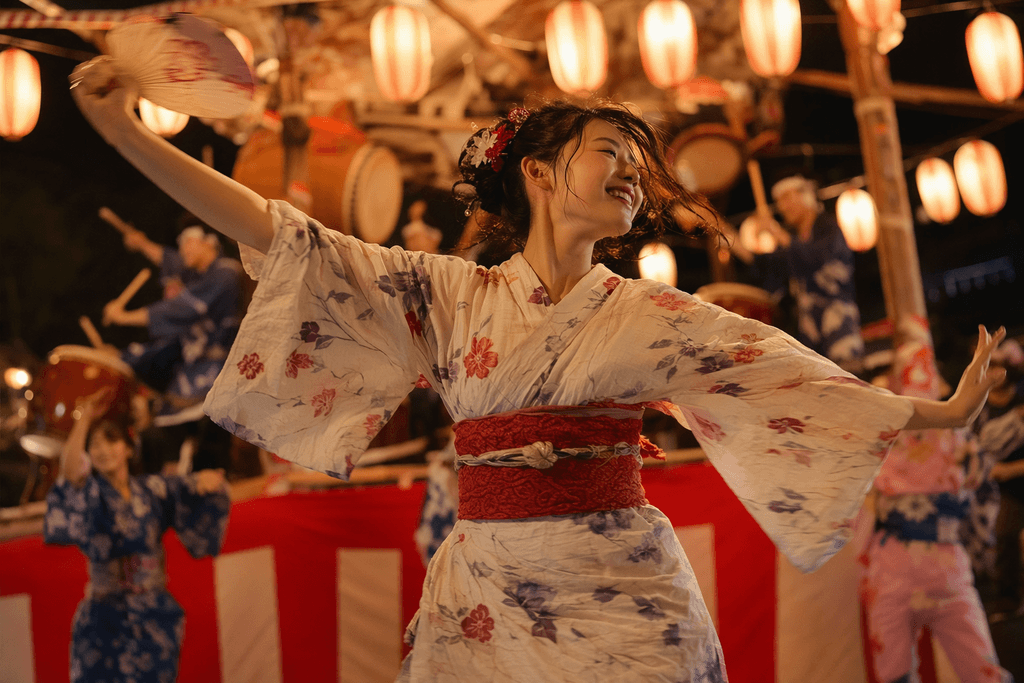
Word Forms
The basic and commonly used forms of this verb.
Basic forms
| Form | Word form | Usage |
|---|---|---|
| Imperfective form (mizenkei) |
Alternative:
舞お
|
Connects to endings such as nai, reru, and seru. |
| Continuative form (renyokei) |
Alternative:
舞っ
|
Connects to endings such as masu, tai, and ta. |
| Conclusive form (shushikei) | Ends a sentence and serves as the dictionary form. | |
| Attributive form (rentaikei) | Modifies a noun. | |
| Conditional form (kateikei) | Combines with ba to express a condition. | |
| Imperative form (meireikei) | Expresses a command or instruction. |
Common forms
| Form | Word form | Usage |
|---|---|---|
| Te-form |
Alternative:
舞うて
|
Connects clauses with te. |
| Ta-form |
Alternative:
舞うた
|
Expresses the past with ta. |
| Nai-form | Expresses negation with nai. | |
| Masu-form | Used for polite speech. | |
| Ba-form | Expresses a condition with ba. | |
| Volitional form | Expresses intention or invitation. |
Notes
Loading...

JLPT N1 多言語単語帳・3032語 / JLPT N1 Multilingual Vocabulary: 3032 Words

Jonathan Waller 氏の JLPT Resources の語彙リスト・レベル分類を出典とし、CC BY の条件に従って DiQt が学習者向けに意味を作り直した3032語の単語帳です。JLPT公式の語彙リストではありません。
This collection of 3032 words is based on the vocabulary list and level classifications in Jonathan Waller’s JLPT Resources under CC BY, with meanings rewritten by DiQt for learners. It is not an official JLPT vocabulary list.
Key Operations
Select the first quiz:
Ctrl + Enter
View Explanation:Ctrl + G
Close a feedback:Esc
When selecting a quiz
Answer:Enter
Select a choice:↓ or ↑
Reading out the question:Ctrl + K
View Hint: Ctrl + M
I don't know: Ctrl + Y



