
JLPT N2 වචන අර්ථ පුහුණුව - Unsolved

පිළිතුරු විකල්ප හතරක් ඇති ප්රශ්න මඟින් JLPT N2 වචන 1790ක අර්ථ සිංහලෙන් ඉගෙන ගන්න.
-
කුසගින්නේ සිටිනවා
-
කැටයම් කරනවා
-
රැඳී සිටිනවා
-
දැඩි බෑවුම් සහිත / දැඩි
-
සුදුමැලි
-
මඳ අඳුරු
- 「ない」で終わるが、全体としてイ形容詞として活用する語。
-
ඇල
-
දැඩි ස්ථාවරයක සිටින
-
නියමිත / නොවෙනස්
-
හැඟීම
-
බෙල්ලන් / සිප්පි කටුව
-
වැඩසටහන
-
විභාගයට පෙනී සිටීම
-
ලාභ අලාභ
-
ජල වාෂ්ප / වාෂ්ප
-
බ්ලවුසය
-
අගුළු ලා තබන කබඩය
-
සුළැඟිල්ල
-
උපන් දිනය
-
මුහුදු ක්ෂිතිජය
-
ගිම්හාන කපු කිමෝනාව
-
ආයතනය වෙත
-
ස්වයං පාලනය
-
සංසරණය / චක්රය
-
ප්රායෝගික භාවිතය
-
අලුයම
-
උපහාසය / දෛවයේ සරදම
-
ප්රායෝගික යෙදීම
-
වියළීම / වියළි බව
-
කුලියට නිවස
出来上がる
නිම වෙනවා
出来上がる
නිම වෙනවා
Explanation
出来上がる
නිම වෙනවා
出来上がる
සම්පූර්ණ වීම; නිමාවට පැමිණීම / සූදානම් වීම (ආහාර/පානය පිසී සූදානම් වීම) / ඉතා මත් වීම; කඩාවැටෙන තරම් මත් වීම

Word Forms
The basic and commonly used forms of this verb.
Basic forms
| Form | Word form | Usage |
|---|---|---|
| Imperfective form (mizenkei) |
Alternative:
出来上がろ
|
Connects to endings such as nai, reru, and seru. |
| Continuative form (renyokei) | Connects to endings such as masu, tai, and ta. | |
| Conclusive form (shushikei) | Ends a sentence and serves as the dictionary form. | |
| Attributive form (rentaikei) | Modifies a noun. | |
| Conditional form (kateikei) | Combines with ba to express a condition. | |
| Imperative form (meireikei) | Expresses a command or instruction. |
Common forms
くだらない
වටිනාකමක් නැති / සුළු
くだらない
වටිනාකමක් නැති / සුළු
Explanation
වටිනාකමක් නැති / සුළු
くだらない
වටිනාකමක් නැති / සුළු/තෙවන ගණන් දේ / අර්ථහීන/අසාර්ථක

Word Forms
The basic and commonly used forms of this adjective.
Basic forms
| Form | Word form | Usage |
|---|---|---|
| Imperfective form (mizenkei) | Used in forms such as karou; mainly literary. | |
| Continuative form (renyokei) |
Alternative:
くだらなかっ
|
Used in forms such as kute and kunai. |
| Conclusive form (shushikei) | Ends a sentence. | |
| Attributive form (rentaikei) | Modifies a noun. | |
| Conditional form (kateikei) | Expresses a condition with kereba. | |
| Imperative form (meireikei) | Rarely used in modern Japanese. |
Common forms
| Form | Word form | Usage |
|---|---|---|
| Te-form | Connects clauses with kute. | |
| Ta-form | Expresses the past with katta. | |
| Nai-form | Expresses negation with kunai. | |
| Ba-form | Expresses a condition with kereba. |
Notes
素直
කීකරු / අවංක
素直
කීකරු / අවංක
Explanation
素直
කීකරු / අවංක
素直
ඉතා අනුගත / කීකරු / නිහතමානී

Word Forms
The basic and commonly used forms of this adjectival noun.
Basic forms
| Form | Word form | Usage |
|---|---|---|
| Imperfective form (mizenkei) | Used in forms such as darou. | |
| Continuative form (renyokei) |
Alternative:
素直に
|
Used with de or ni. |
| Conclusive form (shushikei) | Ends a sentence with da. | |
| Attributive form (rentaikei) | Modifies a noun with na. | |
| Conditional form (kateikei) |
Alternative:
素直であれば
|
Expresses a condition with nara. |
| Imperative form (meireikei) | Used in formal expressions such as de are. |
Common forms
中味
අන්තර්ගතය
中味
අන්තර්ගතය
Explanation
中味
අන්තර්ගතය
中味
අන්තර්ගතය / ඇතුළත කොටස / සාරය

能率
කාර්යක්ෂමතාව
能率
කාර්යක්ෂමතාව
Explanation
能率
කාර්යක්ෂමතාව
能率
කාර්යක්ෂමතාව / කාර්ය සාධන හැකියාව / (භෞතික විද්යාව) මොමෙන්ටය

( Base form )
( romanization )
( hiragana )
ミシン
මහන මැෂිම
ミシン
මහන මැෂිම
Explanation
මහන මැෂිම
ミシン
මැසීමේ යන්ත්රය / සිව් යන්ත්රය

( romanization )
温泉
උණු දිය උල්පත
温泉
උණු දිය උල්පත
Explanation
温泉
උණු දිය උල්පත
温泉
උණු දිය උල්පත / උණු ජල උල්පත / උණු දිය ස්නානයට යොදාගන්නා උල්පත

( Base form )
( romanization )
( romanization )
( kyūjitai )
( hiragana historical )
( hiragana )
芸能
රංග කලා
芸能
රංග කලා
Explanation
芸能
රංග කලා
芸能
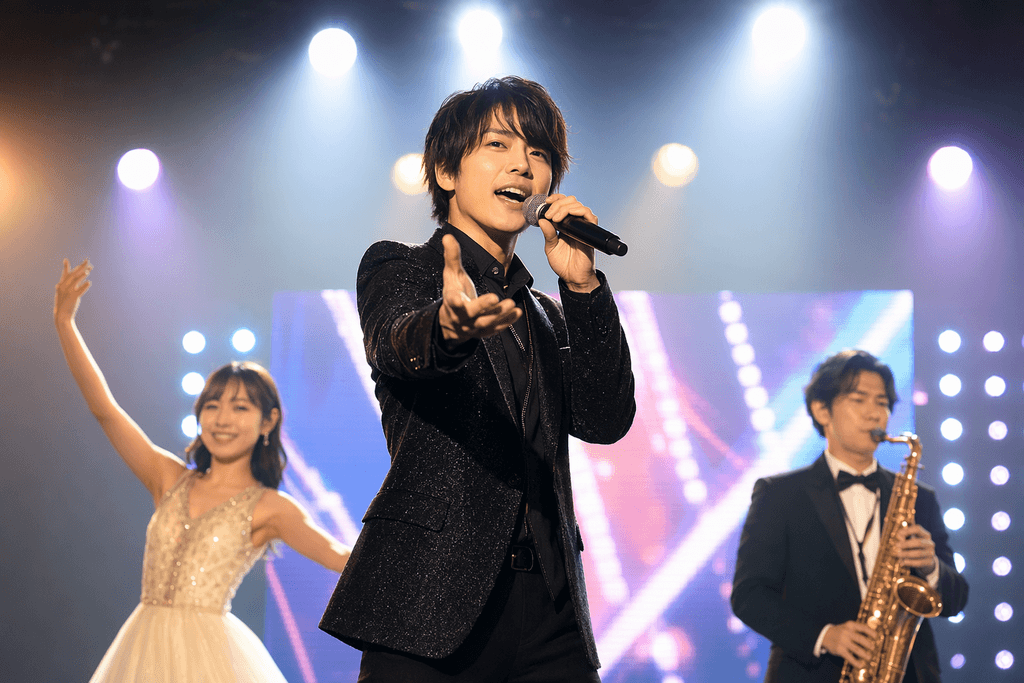
පොදු විනෝදාස්වාදය / රංග කලාව / කලා ප්රසංග
( Base form )
( romanization )
( hiragana )
盆地
භූ ද්රෝණිය
盆地
භූ ද්රෝණිය
Explanation
盆地
භූ ද්රෝණිය
盆地
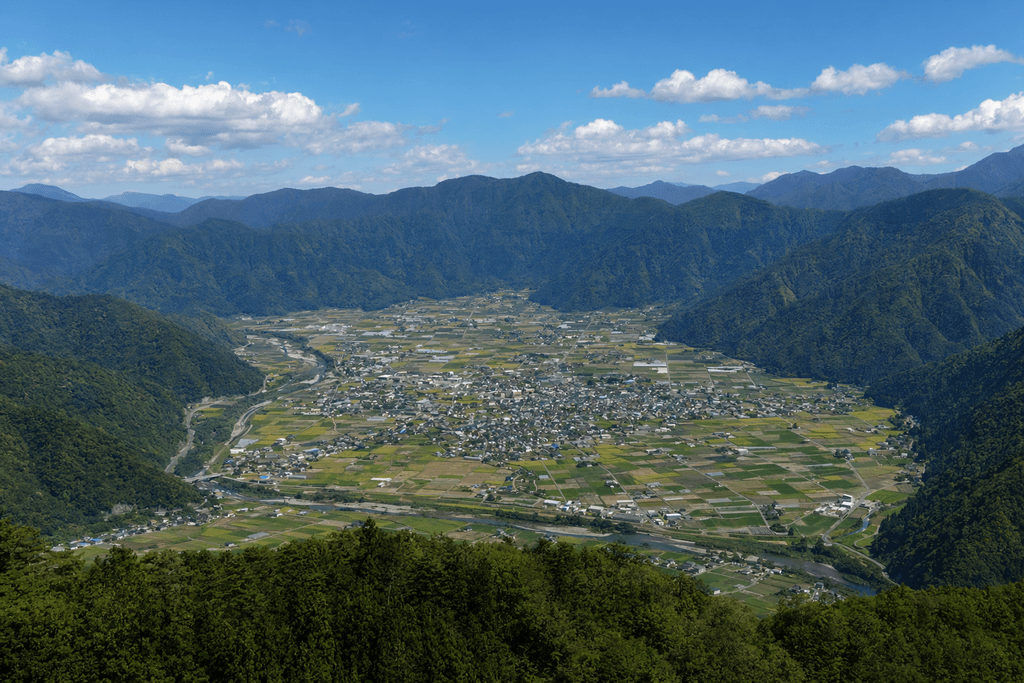
(භූගෝල) වටලා ඇති පහත් භූභාගය; තැටිය / ජල බේසම
( Base form )
( romanization )
( hiragana )
縮小
ප්රමාණය අඩු කිරීම
縮小
ප්රමාණය අඩු කිරීම
Explanation
縮小
ප්රමාණය අඩු කිරීම
縮小
අඩු කිරීම / සංකුචනය / පරිමාණය කුඩා කිරීම

( Base form )
( romanization )
( stem )
( Past )
( table-tags )
( inflection-template )
( imperfective stem )
( imperfective stem )
( imperfective )
( continuative stem )
( continuative stem )
( continuative )
( stem terminative )
( stem terminative )
( terminative )
( attributive stem )
( attributive stem )
( attributive )
( hypothetical stem )
( hypothetical stem )
( hypothetical )
( Imperative literary stem )
( colloquial Imperative stem )
( Imperative literary stem )
( colloquial Imperative stem )
( Imperative literary )
( colloquial Imperative )
( Passive voice )
( Passive voice )
( Passive voice )
( causative )
( causative )
( causative )
( causative )
( causative )
( causative )
( potential )
( potential )
( potential )
( volitional )
( volitional )
( volitional )
( negative )
( negative )
( negative )
( continuative negative )
( continuative negative )
( continuative negative )
( formal )
( formal )
( formal )
( perfective )
( perfective )
( perfective )
( conjunctive )
( conjunctive )
( conjunctive )
( Conditional hypothetical )
( Conditional hypothetical )
( Conditional hypothetical )
Loading...

JLPT N2 多言語単語帳・1790語 / JLPT N2 Multilingual Vocabulary: 1790 Words

Jonathan Waller 氏の JLPT Resources の語彙リスト・レベル分類を出典とし、CC BY の条件に従って DiQt が学習者向けに意味を作り直した1790語の単語帳です。JLPT公式の語彙リストではありません。
This collection of 1790 words is based on the vocabulary list and level classifications in Jonathan Waller’s JLPT Resources under CC BY, with meanings rewritten by DiQt for learners. It is not an official JLPT vocabulary list.
Key Operations
Select the first quiz:
Ctrl + Enter
View Explanation:Ctrl + G
Close a feedback:Esc
When selecting a quiz
Answer:Enter
Select a choice:↓ or ↑
Reading out the question:Ctrl + K
View Hint: Ctrl + M
I don't know: Ctrl + Y



