
JLPT N2 වචන අර්ථ පුහුණුව - Unsolved

පිළිතුරු විකල්ප හතරක් ඇති ප්රශ්න මඟින් JLPT N2 වචන 1790ක අර්ථ සිංහලෙන් ඉගෙන ගන්න.
-
තද නිල් / සුදුමැලි
-
සුදුම සුදු
-
කැපී පෙනෙන
-
වෙළෙඳ සමාගම
-
සැබෑ වස්තුව
-
අදහස
-
වියළි කෝෂ බැටරිය
-
මැහුම්
-
තනි ජීවියා
-
සරුවට වැවෙනවා
-
වේලනවා
-
මිරිකනවා / වතුර මිරිකා හරිනවා
-
වචන හරඹය / හාස්යජනක විහිළුව
-
ගම්මිරිස්
-
වාර්තාව / ශාස්ත්රීය ලිපිය
-
මොළය / බුද්ධිය
-
ආම්ලිකතාව
-
ඉවුම් පිහුම් බඳුන
-
ක්රියා විශේෂණය
-
පිළිතුර
-
ස්වයං විමර්ශනය
-
ගොඩනැගිලි භූමිය
-
රික්තය
-
වෘත්තීය පුහුණුව
-
විකුණුම් තත්ත්වය
-
එක්වීම / ඒකාබද්ධ ක්රියාව
-
විසඳුම
-
අඹරනවා / මොළය වෙහෙසවනවා
-
අමනාප වෙනවා
-
හැකිළෙනවා
- 一段活用動詞。「具える」は「備える」とも表記される。
スマート
සිහින් සිරුරැති / විලාසිතාවට ගැළපෙන
スマート
සිහින් සිරුරැති / විලාසිතාවට ගැළපෙන
Explanation
සිහින් සිරුරැති / විලාසිතාවට ගැළපෙන
スマート
සිහින්; සඩොල් / හැඩකාර; නවීන / නිරවුල් හා ක්රමානුකූල

Word Forms
The basic and commonly used forms of this adjectival noun.
Basic forms
| Form | Word form | Usage |
|---|---|---|
| Imperfective form (mizenkei) | Used in forms such as darou. | |
| Continuative form (renyokei) |
Alternative:
スマートに
|
Used with de or ni. |
| Conclusive form (shushikei) | Ends a sentence with da. | |
| Attributive form (rentaikei) | Modifies a noun with na. | |
| Conditional form (kateikei) |
Alternative:
スマートであれば
|
Expresses a condition with nara. |
| Imperative form (meireikei) | Used in formal expressions such as de are. |
Common forms
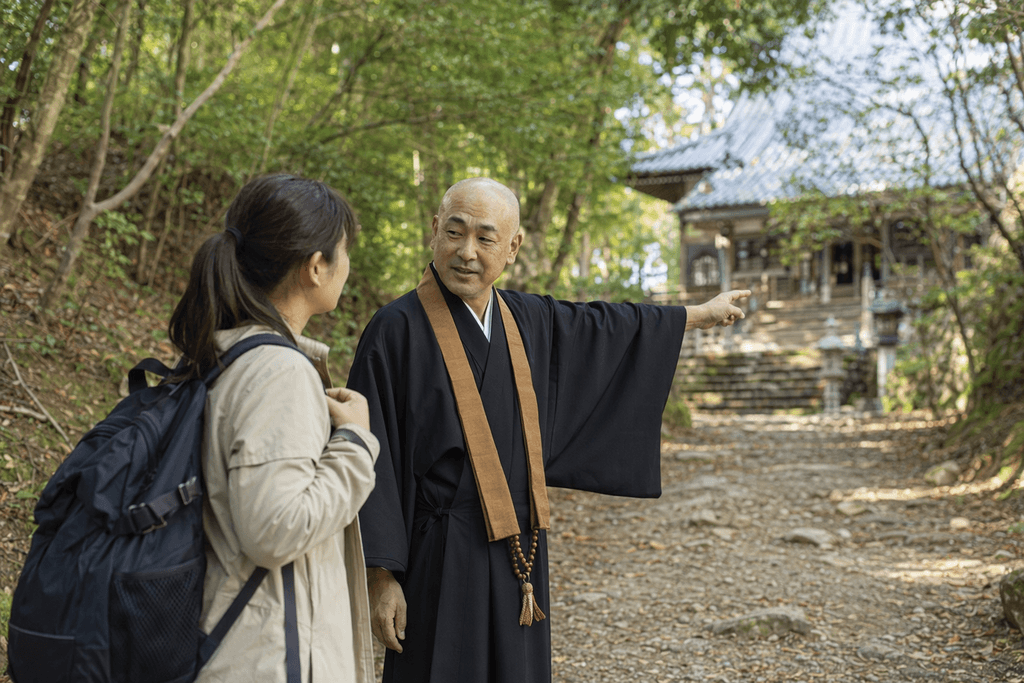
坊さん
බෞද්ධ භික්ෂුව
坊さん
බෞද්ධ භික්ෂුව
Explanation
坊さん
බෞද්ධ භික්ෂුව
坊さん
භික්ෂුතුමා / බොන්ස් (බෞද්ධ භික්ෂු)
( Base form )
( romanization )
武士
සමුරායි සෙබළා
武士
සමුරායි සෙබළා
Explanation
武士
සමුරායි සෙබළා
武士
සමුරායි / යෝධයා / යුද සෙබලයා

( Base form )
( romanization )
( hiragana )
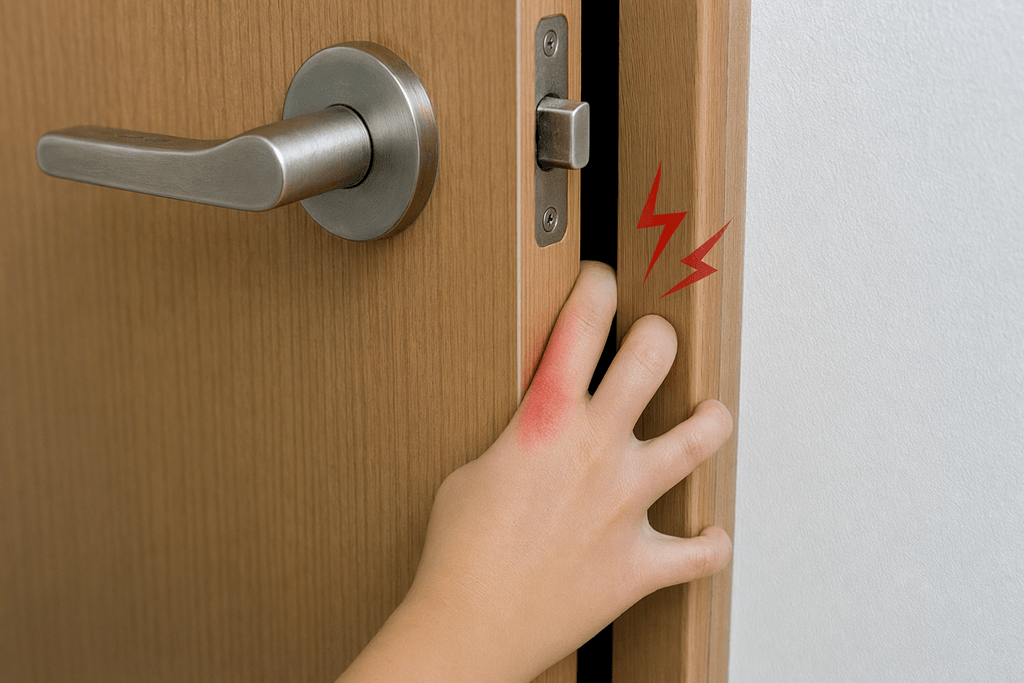
挟まる
අතර හිර වෙනවා
挟まる
අතර හිර වෙනවා
Explanation
挟まる
අතර හිර වෙනවා
挟まる
දෙයක්/දෙපැත්තක් අතර සිරවීම / දෙවස් අතර නෙරපී තැලීම/පීඩනයට පත්වීම / පක්ෂ දෙකක් අතර මැදිවී අමාරුවට පත්වීම
Word Forms
The basic and commonly used forms of this verb.
Basic forms
| Form | Word form | Usage |
|---|---|---|
| Imperfective form (mizenkei) |
Alternative:
はさまら
|
Connects to endings such as nai, reru, and seru. |
| Continuative form (renyokei) |
Alternative:
はさまり
|
Connects to endings such as masu, tai, and ta. |
| Conclusive form (shushikei) |
Alternative:
はさまる
|
Ends a sentence and serves as the dictionary form. |
| Attributive form (rentaikei) |
Alternative:
はさまる
|
Modifies a noun. |
| Conditional form (kateikei) |
Alternative:
はさまれ
|
Combines with ba to express a condition. |
| Imperative form (meireikei) |
Alternative:
はさまれ
|
Expresses a command or instruction. |
Common forms
| Form | Word form | Usage |
|---|---|---|
| Te-form |
Alternative:
はさまって
|
Connects clauses with te. |
| Ta-form |
Alternative:
はさまった
|
Expresses the past with ta. |
| Nai-form |
Alternative:
はさまらない
|
Expresses negation with nai. |
| Masu-form |
Alternative:
はさまります
|
Used for polite speech. |
| Ba-form |
Alternative:
はさまれば
|
Expresses a condition with ba. |
| Volitional form |
Alternative:
はさまろう
|
Expresses intention or invitation. |
必需品
අත්යවශ්ය දේවල්
必需品
අත්යවශ්ය දේවල්
Explanation
必需品
අත්යවශ්ය දේවල්
必需品
අත්යවශ්ය ද්රව්ය / අත්යවශ්ය භාණ්ඩ / අවශ්ය වස්තුව

( Base form )
( romanization )
( hiragana )
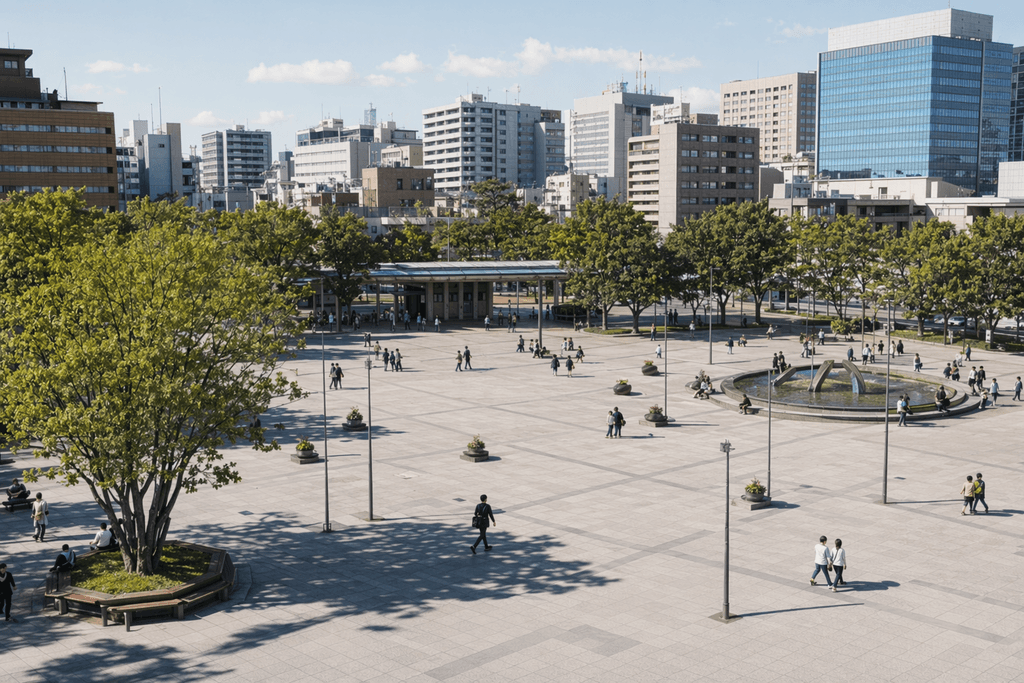
広場
චතුරස්රය
広場
චතුරස්රය
Explanation
広場
චතුරස්රය
広場
චතුරස්රය / ප්ලාසා / විවෘත මහජන පිට්ටනිය
( Base form )
( romanization )
( kyūjitai )
( hiragana )
外部
බාහිර කොටස
外部
බාහිර කොටස
Explanation
外部
බාහිර කොටස
外部
බාහිර කොටස / පිටත / බාහිර පාර්ශ්වය

( Base form )
( romanization )
( hiragana )
修繕
අලුත්වැඩියාව
修繕
අලුත්වැඩියාව
Explanation
修繕
අලුත්වැඩියාව
修繕
අලුත්වැඩියා කිරීම / නඩත්තු අලුත්වැඩියා / දෝෂ නිවැරදි කිරීම

( Base form )
( romanization )
( hiragana )
缶詰
ටින් කළ ආහාර / ටින් කිරීම
缶詰
ටින් කළ ආහාර / ටින් කිරීම
Explanation
缶詰
ටින් කළ ආහාර / ටින් කිරීම
缶詰
ටින් කළ ආහාර / කෑන් කළ ආහාර / ටින් ආහාර

( Base form )
( romanization )
( hiragana )
具える
සමන්විත වෙනවා
具える
සමන්විත වෙනවා
Explanation
具える
සමන්විත වෙනවා
具える
සන්නද්ධ වීම / සතු වීම / සපයා දී තිබීම

Word Forms
The basic and commonly used forms of this verb.
Basic forms
| Form | Word form | Usage |
|---|---|---|
| Imperfective form (mizenkei) |
Alternative:
備え
|
Connects to endings such as nai, reru, and seru. |
| Continuative form (renyokei) |
Alternative:
備え
|
Connects to endings such as masu, tai, and ta. |
| Conclusive form (shushikei) |
Alternative:
備える
|
Ends a sentence and serves as the dictionary form. |
| Attributive form (rentaikei) |
Alternative:
備える
|
Modifies a noun. |
| Conditional form (kateikei) |
Alternative:
備えれ
|
Combines with ba to express a condition. |
| Imperative form (meireikei) |
Alternative:
具えよ
備えろ
備えよ
|
Expresses a command or instruction. |
Common forms
| Form | Word form | Usage |
|---|---|---|
| Te-form |
Alternative:
備えて
|
Connects clauses with te. |
| Ta-form |
Alternative:
備えた
|
Expresses the past with ta. |
| Nai-form |
Alternative:
備えない
|
Expresses negation with nai. |
| Masu-form |
Alternative:
備えます
|
Used for polite speech. |
| Ba-form |
Alternative:
備えれば
|
Expresses a condition with ba. |
| Volitional form |
Alternative:
備えよう
|
Expresses intention or invitation. |
Notes
Loading...

JLPT N2 多言語単語帳・1790語 / JLPT N2 Multilingual Vocabulary: 1790 Words

Jonathan Waller 氏の JLPT Resources の語彙リスト・レベル分類を出典とし、CC BY の条件に従って DiQt が学習者向けに意味を作り直した1790語の単語帳です。JLPT公式の語彙リストではありません。
This collection of 1790 words is based on the vocabulary list and level classifications in Jonathan Waller’s JLPT Resources under CC BY, with meanings rewritten by DiQt for learners. It is not an official JLPT vocabulary list.
Key Operations
Select the first quiz:
Ctrl + Enter
View Explanation:Ctrl + G
Close a feedback:Esc
When selecting a quiz
Answer:Enter
Select a choice:↓ or ↑
Reading out the question:Ctrl + K
View Hint: Ctrl + M
I don't know: Ctrl + Y



