
JLPT N2 词义四选一 - Unsolved

通过四选一题目,用简体中文学习JLPT N2的1790个单词含义。
-
冲进 / 塞入
-
著书
-
爬行
-
坐下
-
使暖和
-
吩咐 / 告状
-
四边形的
-
勇敢的
-
令人怀念的
- 「面倒臭い」は通常ひらがなを交えた「面倒くさい」表記もよく用いられる。
-
不愧是
-
再三
-
不断地
-
氢
-
整体 / 全面的
-
主持
-
口译 / 口译员
-
耕地
-
对立
-
敬语
-
限度
-
作者 / 创作者
-
练习
-
西式服饰店
-
重点 / 侧重点
-
挤得满满地
-
不久
-
辗转各处
-
会议开幕
-
南美洲
-
关西地区
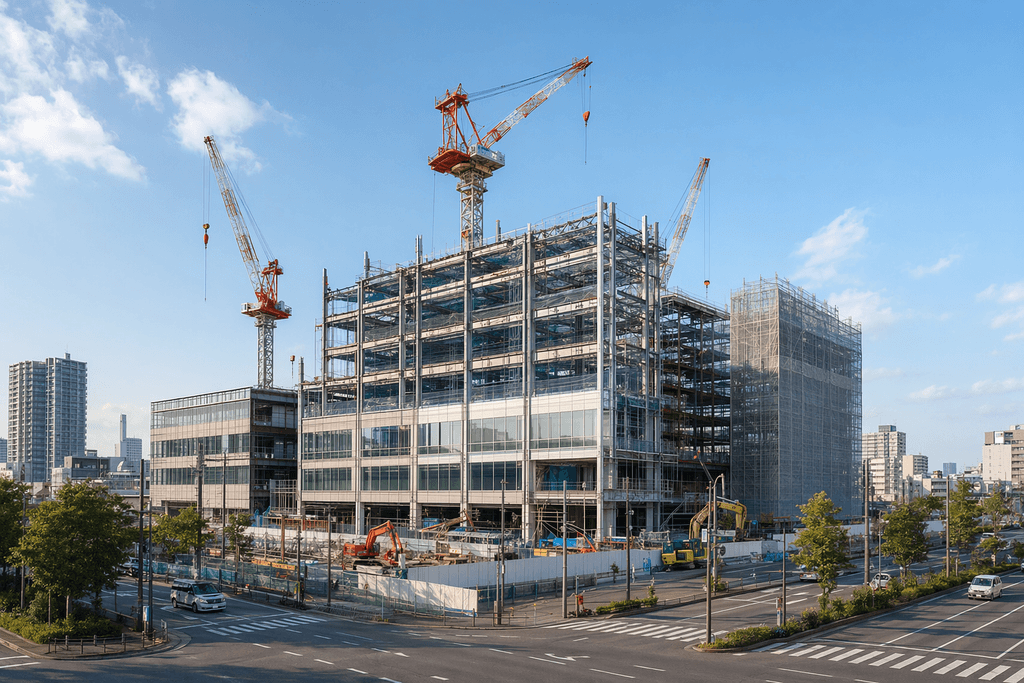
建つ
建成
建つ
建成
Explanation
建つ
建成
建つ
建成 / 竖立 / 落成
Word Forms
The basic and commonly used forms of this verb.
Basic forms
| Form | Word form | Usage |
|---|---|---|
| Imperfective form (mizenkei) | Connects to endings such as nai, reru, and seru. | |
| Continuative form (renyokei) | Connects to endings such as masu, tai, and ta. | |
| Conclusive form (shushikei) | Ends a sentence and serves as the dictionary form. | |
| Attributive form (rentaikei) | Modifies a noun. | |
| Conditional form (kateikei) | Combines with ba to express a condition. | |
| Imperative form (meireikei) | Expresses a command or instruction. |
Common forms
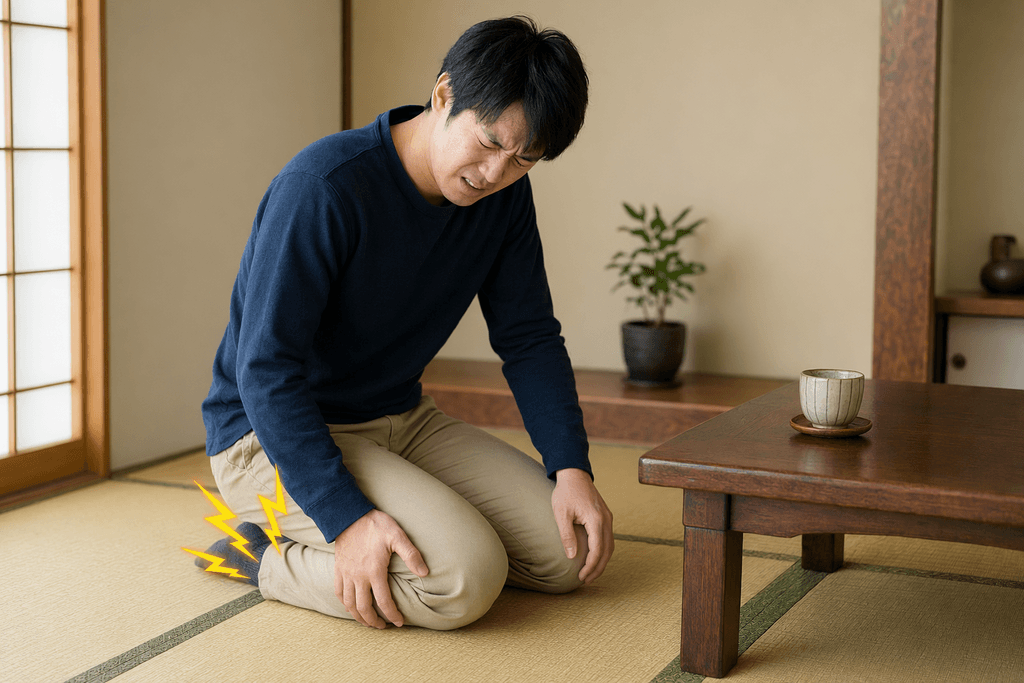
しびれる
发麻
しびれる
发麻
Explanation
发麻
しびれる
发麻 / 麻木 / (身体部位)暂时失去感觉
Word Forms
The basic and commonly used forms of this verb.
Basic forms
| Form | Word form | Usage |
|---|---|---|
| Imperfective form (mizenkei) |
Alternative:
痺れ
|
Connects to endings such as nai, reru, and seru. |
| Continuative form (renyokei) |
Alternative:
痺れ
|
Connects to endings such as masu, tai, and ta. |
| Conclusive form (shushikei) |
Alternative:
痺れる
|
Ends a sentence and serves as the dictionary form. |
| Attributive form (rentaikei) |
Alternative:
痺れる
|
Modifies a noun. |
| Conditional form (kateikei) |
Alternative:
痺れれ
|
Combines with ba to express a condition. |
| Imperative form (meireikei) |
Alternative:
痺れろ
しびれよ
痺れよ
|
Expresses a command or instruction. |
Common forms
| Form | Word form | Usage |
|---|---|---|
| Te-form |
Alternative:
痺れて
|
Connects clauses with te. |
| Ta-form |
Alternative:
痺れた
|
Expresses the past with ta. |
| Nai-form |
Alternative:
痺れない
|
Expresses negation with nai. |
| Masu-form |
Alternative:
痺れます
|
Used for polite speech. |
| Ba-form |
Alternative:
痺れれば
|
Expresses a condition with ba. |
| Volitional form |
Alternative:
痺れよう
|
Expresses intention or invitation. |
面倒臭い
麻烦
面倒臭い
麻烦
Explanation
面倒臭い
麻烦
面倒臭い
麻烦的 / 烦人的 / 费事的

Word Forms
The basic and commonly used forms of this adjective.
Basic forms
| Form | Word form | Usage |
|---|---|---|
| Imperfective form (mizenkei) |
Alternative:
面倒くさかろ
|
Used in forms such as karou; mainly literary. |
| Continuative form (renyokei) |
Alternative:
面倒くさく
|
Used in forms such as kute and kunai. |
| Conclusive form (shushikei) |
Alternative:
面倒くさい
|
Ends a sentence. |
| Attributive form (rentaikei) |
Alternative:
面倒くさい
|
Modifies a noun. |
| Conditional form (kateikei) |
Alternative:
面倒くさけれ
|
Expresses a condition with kereba. |
| Imperative form (meireikei) |
Alternative:
面倒くさかれ
|
Rarely used in modern Japanese. |
Common forms
| Form | Word form | Usage |
|---|---|---|
| Te-form |
Alternative:
面倒くさくて
|
Connects clauses with kute. |
| Ta-form |
Alternative:
面倒くさかった
|
Expresses the past with katta. |
| Nai-form |
Alternative:
面倒くさくない
|
Expresses negation with kunai. |
| Ba-form |
Alternative:
面倒くさければ
|
Expresses a condition with kereba. |
Notes
そのうえ
而且
そのうえ
而且
Explanation
而且
そのうえ
而且 / 此外 / 再加上

( romanization )
オートメーション
自动化
オートメーション
自动化
Explanation
自动化
オートメーション
自动化 / 自动化技术 / 自动控制

( romanization )
役人
官员
役人
官员
Explanation
役人
官员
役人
官员 / 公务员 / 官吏

( Base form )
( romanization )
( hiragana )
創作
创作
創作
创作
Explanation
創作
创作
創作
艺术或文学的创作活动 / 原创作品;虚构作品 / 艺术性的作品或成果

( Base form )
( romanization )
( stem )
( Past )
( table-tags )
( inflection-template )
( imperfective stem )
( imperfective stem )
( imperfective )
( continuative stem )
( continuative stem )
( continuative )
( stem terminative )
( stem terminative )
( terminative )
( attributive stem )
( attributive stem )
( attributive )
( hypothetical stem )
( hypothetical stem )
( hypothetical )
( Imperative literary stem )
( colloquial Imperative stem )
( Imperative literary stem )
( colloquial Imperative stem )
( Imperative literary )
( colloquial Imperative )
( Passive voice )
( Passive voice )
( Passive voice )
( causative )
( causative )
( causative )
( causative )
( causative )
( causative )
( potential )
( potential )
( potential )
( volitional )
( volitional )
( volitional )
( negative )
( negative )
( negative )
( continuative negative )
( continuative negative )
( continuative negative )
( formal )
( formal )
( formal )
( perfective )
( perfective )
( perfective )
( conjunctive )
( conjunctive )
( conjunctive )
( Conditional hypothetical )
( Conditional hypothetical )
( Conditional hypothetical )
重力
重力
重力
重力
Explanation
重力
重力
重力
物体受地球等天体吸引而产生的力;引力 / (罕)强大的力量;威力

( Base form )
( romanization )
( romanization )
( hiragana historical )
( hiragana )
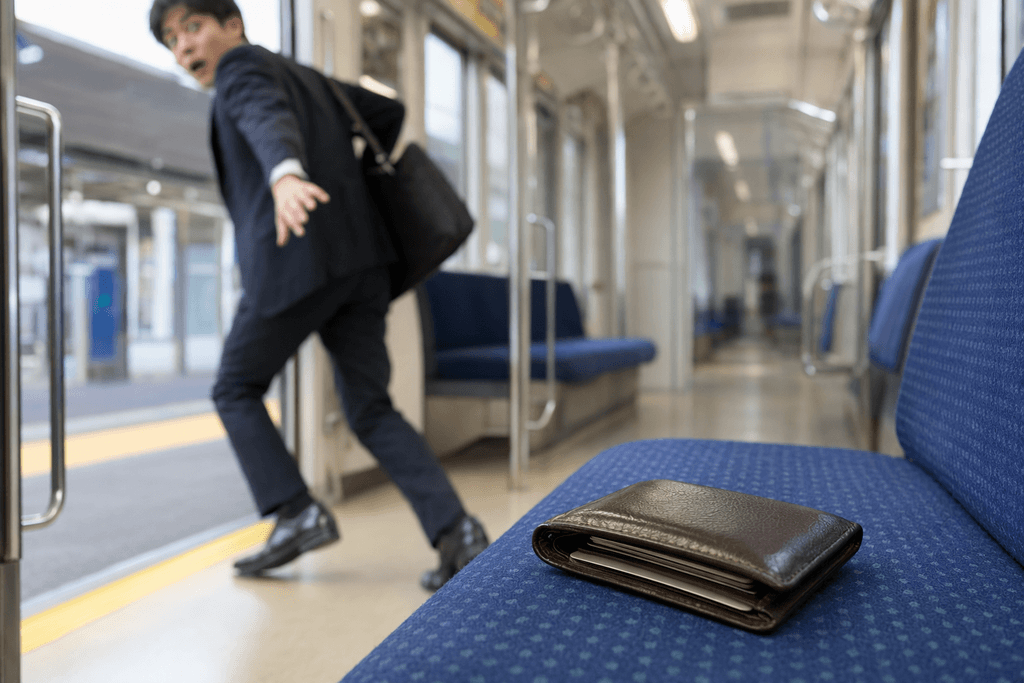
うっかり
不留神地
うっかり
不留神地
Explanation
不留神地
うっかり
不小心地 / 疏忽地 / 无意中
( Base form )
( Base form )
( romanization )
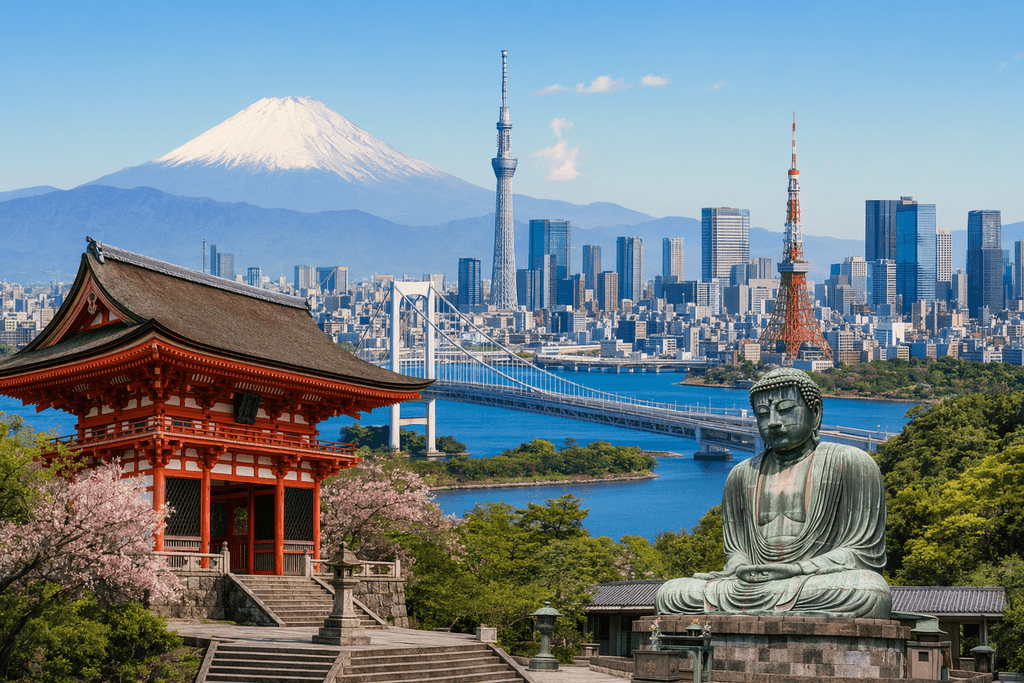
関東
关东地区
関東
关东地区
Explanation
関東
关东地区
関東
日本东部的一个地理区域 / 包括东京都及其周边都县的地区 / 东京所在的日本区域名称
( Base form )
( romanization )
( romanization )
( kyūjitai )
( hiragana historical )
( hiragana )
Loading...

JLPT N2 多言語単語帳・1790語 / JLPT N2 Multilingual Vocabulary: 1790 Words

Jonathan Waller 氏の JLPT Resources の語彙リスト・レベル分類を出典とし、CC BY の条件に従って DiQt が学習者向けに意味を作り直した1790語の単語帳です。JLPT公式の語彙リストではありません。
This collection of 1790 words is based on the vocabulary list and level classifications in Jonathan Waller’s JLPT Resources under CC BY, with meanings rewritten by DiQt for learners. It is not an official JLPT vocabulary list.
Key Operations
Select the first quiz:
Ctrl + Enter
View Explanation:Ctrl + G
Close a feedback:Esc
When selecting a quiz
Answer:Enter
Select a choice:↓ or ↑
Reading out the question:Ctrl + K
View Hint: Ctrl + M
I don't know: Ctrl + Y



