
JLPT N2 词义四选一 - Unsolved

通过四选一题目,用简体中文学习JLPT N2的1790个单词含义。
-
比较而言
-
到底 / 只是
-
慢吞吞地
-
两侧
-
红叶
-
铁桥
-
跳入
-
受教
-
低声说
-
蹲下
-
滚动
-
探病
-
工匠
-
适中的 / 顺手的
-
上班
-
颗粒
-
造船
-
长子
-
吵闹的 / 骚动的
-
可靠的 / 有前途的
-
松 / 宽松
-
寂静地
-
马上
-
一旦 / 暂时
-
请稍等
-
真替您难过
-
多谢款待
-
混合 / 混合物
-
烧伤
-
会馆
すっきり
神清气爽 / 整洁地
すっきり
神清气爽 / 整洁地
Explanation
神清气爽 / 整洁地
すっきり
感到清爽、舒畅 / 干净利落、整洁 / 简洁明了、清晰

( Base form )
( Base form )
( romanization )
( stem )
( Past )
( table-tags )
( inflection-template )
( imperfective stem )
( imperfective stem )
( imperfective )
( continuative stem )
( continuative stem )
( continuative )
( stem terminative )
( stem terminative )
( terminative )
( attributive stem )
( attributive stem )
( attributive )
( hypothetical stem )
( hypothetical stem )
( hypothetical )
( Imperative literary stem )
( colloquial Imperative stem )
( Imperative literary stem )
( colloquial Imperative stem )
( Imperative literary )
( colloquial Imperative )
( Passive voice )
( Passive voice )
( Passive voice )
( causative )
( causative )
( causative )
( causative )
( causative )
( causative )
( potential )
( potential )
( potential )
( volitional )
( volitional )
( volitional )
( negative )
( negative )
( negative )
( continuative negative )
( continuative negative )
( continuative negative )
( formal )
( formal )
( formal )
( perfective )
( perfective )
( perfective )
( conjunctive )
( conjunctive )
( conjunctive )
( Conditional hypothetical )
( Conditional hypothetical )
( Conditional hypothetical )
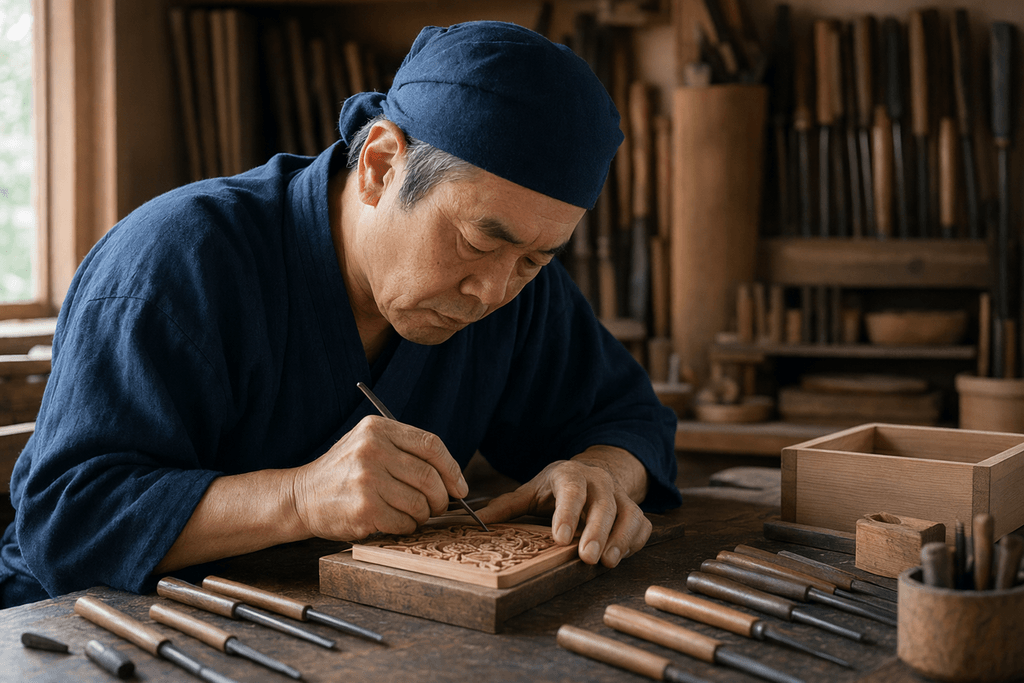
職人
工匠
職人
工匠
Explanation
職人
工匠
職人
工匠 / 专业人士 / 技艺精湛的手艺人
( Base form )
( romanization )
( hiragana )
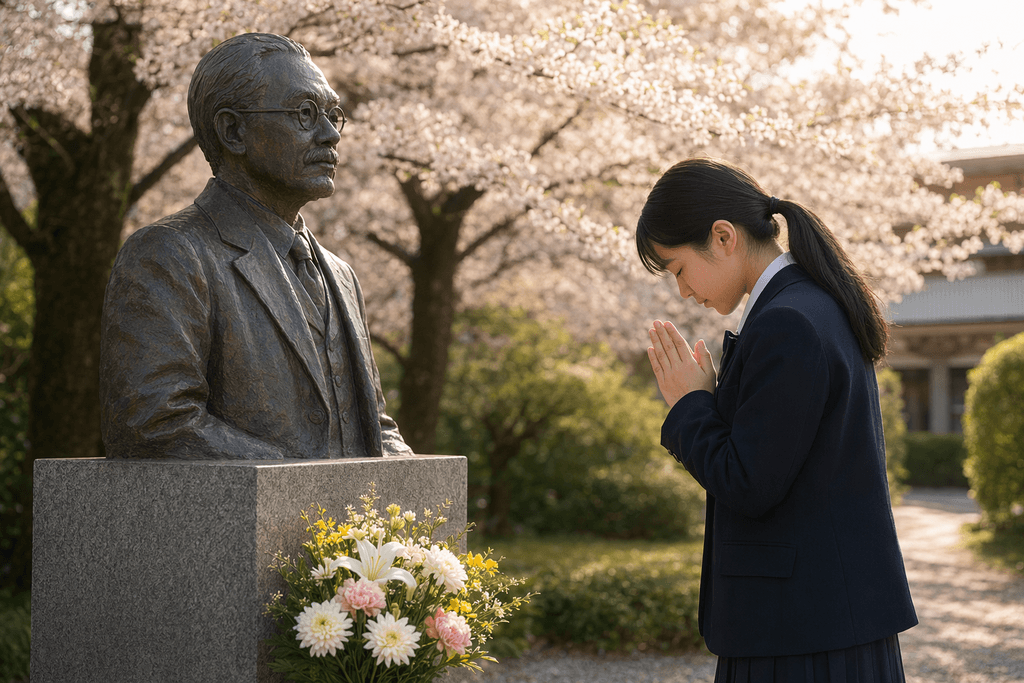
敬う
尊敬
敬う
尊敬
Explanation
敬う
尊敬
敬う
尊敬 / 崇敬 / 敬仰
Word Forms
The basic and commonly used forms of this verb.
Basic forms
| Form | Word form | Usage |
|---|---|---|
| Imperfective form (mizenkei) | Connects to endings such as nai, reru, and seru. | |
| Continuative form (renyokei) | Connects to endings such as masu, tai, and ta. | |
| Conclusive form (shushikei) | Ends a sentence and serves as the dictionary form. | |
| Attributive form (rentaikei) | Modifies a noun. | |
| Conditional form (kateikei) | Combines with ba to express a condition. | |
| Imperative form (meireikei) | Expresses a command or instruction. |
Common forms
吊る
悬挂
吊る
悬挂
Explanation
吊る
悬挂
吊る
悬挂 / 吊起 / 悬吊

Word Forms
The basic and commonly used forms of this verb.
Basic forms
| Form | Word form | Usage |
|---|---|---|
| Imperfective form (mizenkei) |
Alternative:
吊ろ
|
Connects to endings such as nai, reru, and seru. |
| Continuative form (renyokei) |
Alternative:
吊っ
|
Connects to endings such as masu, tai, and ta. |
| Conclusive form (shushikei) | Ends a sentence and serves as the dictionary form. | |
| Attributive form (rentaikei) | Modifies a noun. | |
| Conditional form (kateikei) | Combines with ba to express a condition. | |
| Imperative form (meireikei) | Expresses a command or instruction. |
Common forms
しゃっくり
打嗝
しゃっくり
打嗝
Explanation
打嗝
しゃっくり
打嗝 / 呃逆

( romanization )
肯定
肯定
肯定
肯定
Explanation
肯定
肯定
肯定
认可;赞同 / 肯定的断言;确定的回答 / 积极的立场(与否定相对)

( Base form )
( romanization )
( stem )
( Past )
( table-tags )
( inflection-template )
( imperfective stem )
( imperfective stem )
( imperfective )
( continuative stem )
( continuative stem )
( continuative )
( stem terminative )
( stem terminative )
( terminative )
( attributive stem )
( attributive stem )
( attributive )
( hypothetical stem )
( hypothetical stem )
( hypothetical )
( Imperative literary stem )
( colloquial Imperative stem )
( Imperative literary stem )
( colloquial Imperative stem )
( Imperative literary )
( colloquial Imperative )
( Passive voice )
( Passive voice )
( Passive voice )
( causative )
( causative )
( causative )
( causative )
( causative )
( causative )
( potential )
( potential )
( potential )
( volitional )
( volitional )
( volitional )
( negative )
( negative )
( negative )
( continuative negative )
( continuative negative )
( continuative negative )
( formal )
( formal )
( formal )
( perfective )
( perfective )
( perfective )
( conjunctive )
( conjunctive )
( conjunctive )
( Conditional hypothetical )
( Conditional hypothetical )
( Conditional hypothetical )
重たい
沉重的 / 压抑的
重たい
沉重的 / 压抑的
Explanation
重たい
沉重的 / 压抑的
重たい
重的 / 沉重的 / 笨重的

Word Forms
The basic and commonly used forms of this adjective.
Basic forms
| Form | Word form | Usage |
|---|---|---|
| Imperfective form (mizenkei) | Used in forms such as karou; mainly literary. | |
| Continuative form (renyokei) |
Alternative:
重たかっ
|
Used in forms such as kute and kunai. |
| Conclusive form (shushikei) | Ends a sentence. | |
| Attributive form (rentaikei) | Modifies a noun. | |
| Conditional form (kateikei) | Expresses a condition with kereba. | |
| Imperative form (meireikei) | Rarely used in modern Japanese. |
Common forms
至急
火速
至急
火速
Explanation
至急
火速
至急
立即 / 尽快 / 火速

( Base form )
( romanization )
( hiragana )
お掛けください
请坐
お掛けください
请坐
Explanation
お掛けください
请坐
お掛けください
请坐。 / 请就座。 / 请入座。

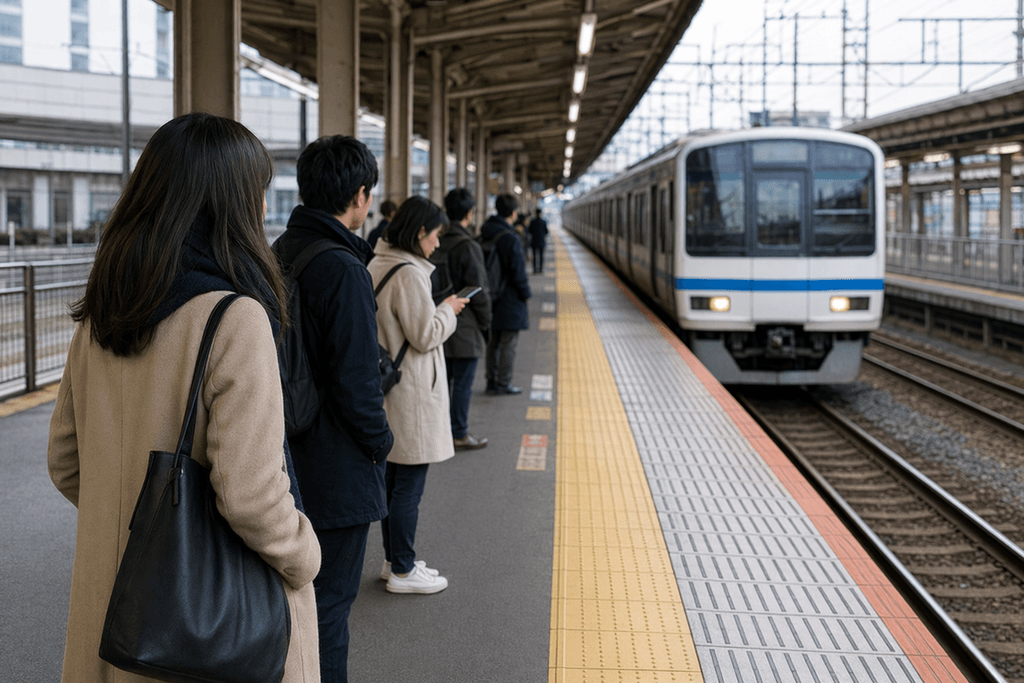
プラットホーム
站台
プラットホーム
站台
Explanation
站台
プラットホーム
(火车站、地铁站)站台 / 月台
( romanization )
Loading...

JLPT N2 多言語単語帳・1790語 / JLPT N2 Multilingual Vocabulary: 1790 Words

Jonathan Waller 氏の JLPT Resources の語彙リスト・レベル分類を出典とし、CC BY の条件に従って DiQt が学習者向けに意味を作り直した1790語の単語帳です。JLPT公式の語彙リストではありません。
This collection of 1790 words is based on the vocabulary list and level classifications in Jonathan Waller’s JLPT Resources under CC BY, with meanings rewritten by DiQt for learners. It is not an official JLPT vocabulary list.
Key Operations
Select the first quiz:
Ctrl + Enter
View Explanation:Ctrl + G
Close a feedback:Esc
When selecting a quiz
Answer:Enter
Select a choice:↓ or ↑
Reading out the question:Ctrl + K
View Hint: Ctrl + M
I don't know: Ctrl + Y



