
JLPT N2 词义四选一 - Unsolved

通过四选一题目,用简体中文学习JLPT N2的1790个单词含义。
-
外表
-
老手
-
服务窗口
-
蒸发 / 失踪
-
生物个体
-
菜单
-
仪式
-
汇兑 / 汇票
-
头脑 / 智力
-
日落
-
混凝土
-
森林
-
双倍
-
疏忽大意
-
参观学习
-
疏忽
-
压碎 / 浪费
-
削去 / 削减
-
衣食住
-
理科
-
校舍
-
苍白的
-
陡峭 / 严厉
-
昏暗的
- 「ない」で終わるが、全体としてイ形容詞として活用する語。
-
稳步地
-
好不容易 / 难得的
-
马上
-
妥当的
-
准确的
-
凹凸不平的
副詞
副词
副詞
副词
Explanation
副詞
副词
副詞
修饰动词、形容词或其他副词的词类 / 表示程度、时间、频率、方式等的词 / 也可修饰整个句子,说明语气或态度的词

( Base form )
( romanization )
( hiragana )
増大
增大
増大
增大
Explanation
増大
增大
増大
增加量 / 增大;扩大

( Base form )
( romanization )
( hiragana )
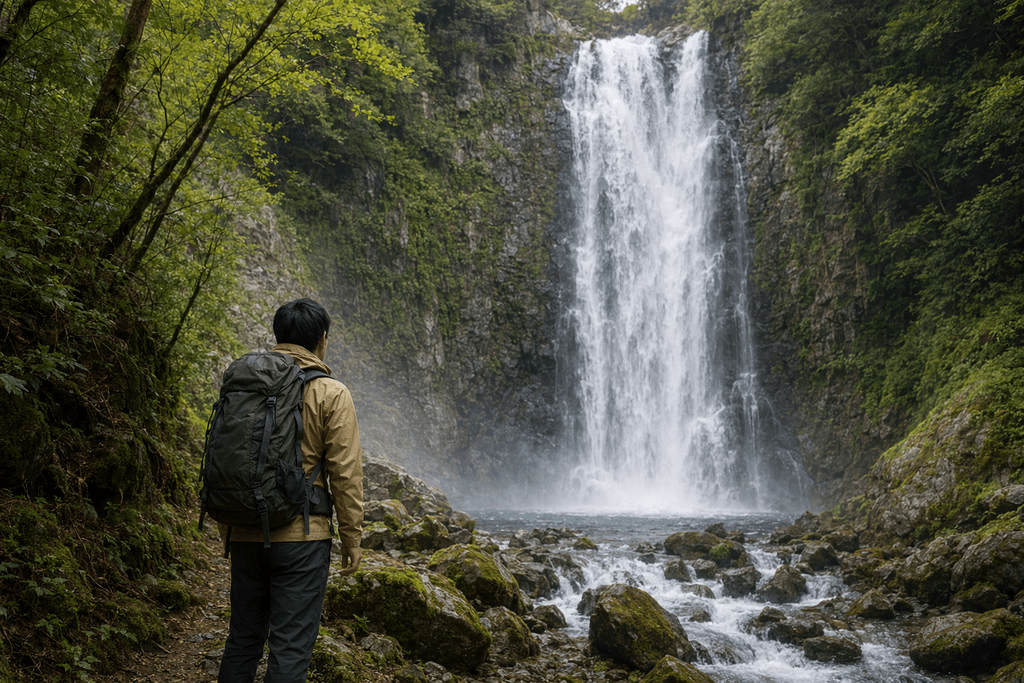
滝
瀑布
滝
瀑布
Explanation
滝
瀑布
滝
瀑布 / 飞瀑
( romanization )
( kyūjitai )
( hiragana )
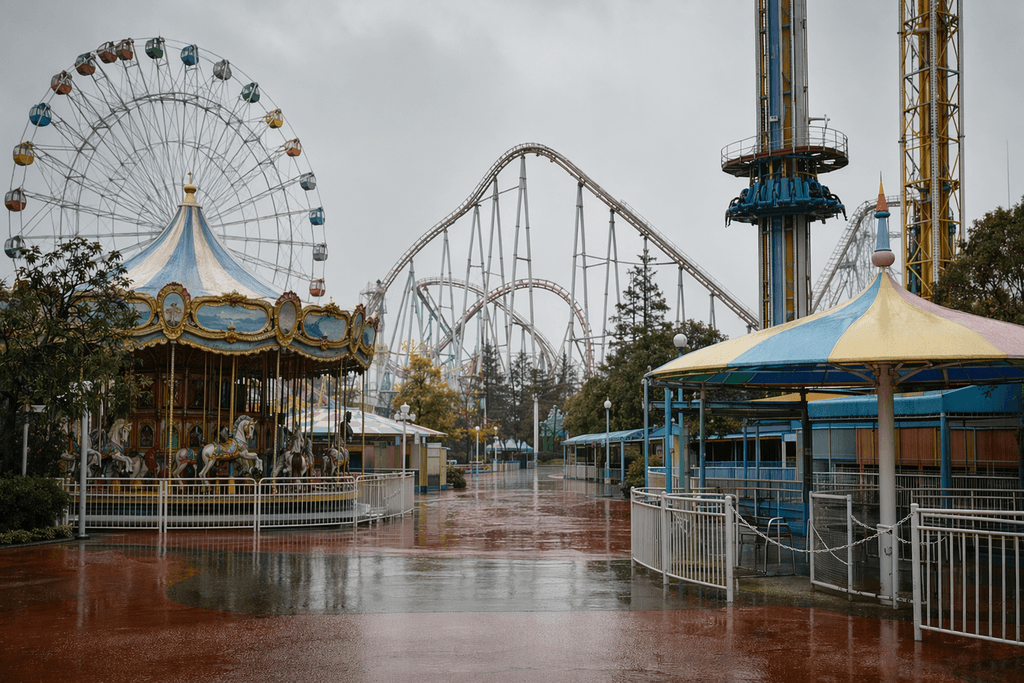
遊園地
游乐园
遊園地
游乐园
Explanation
遊園地
游乐园
遊園地
游乐园 / 游乐场
( Base form )
( romanization )
( romanization )
( hiragana historical )
( hiragana )
テーマ
主题
テーマ
主题
Explanation
主题
テーマ
主题 / 议题 / 音乐主题

( romanization )
探る
探查 / 摸索
探る
探查 / 摸索
Explanation
探る
探查 / 摸索
探る
探查 / 探索 / 试探

Word Forms
The basic and commonly used forms of this verb.
Basic forms
| Form | Word form | Usage |
|---|---|---|
| Imperfective form (mizenkei) |
Alternative:
探ろ
|
Connects to endings such as nai, reru, and seru. |
| Continuative form (renyokei) | Connects to endings such as masu, tai, and ta. | |
| Conclusive form (shushikei) | Ends a sentence and serves as the dictionary form. | |
| Attributive form (rentaikei) | Modifies a noun. | |
| Conditional form (kateikei) | Combines with ba to express a condition. | |
| Imperative form (meireikei) | Expresses a command or instruction. |
Common forms
おととい
前天
おととい
前天
Explanation
前天
おととい
前天 / 昨天的前一天

( romanization )
くだらない
无价值的 / 无聊的
くだらない
无价值的 / 无聊的
Explanation
无价值的 / 无聊的
くだらない
无聊的 / 无意义的 / 荒谬的

Word Forms
The basic and commonly used forms of this adjective.
Basic forms
| Form | Word form | Usage |
|---|---|---|
| Imperfective form (mizenkei) | Used in forms such as karou; mainly literary. | |
| Continuative form (renyokei) |
Alternative:
くだらなかっ
|
Used in forms such as kute and kunai. |
| Conclusive form (shushikei) | Ends a sentence. | |
| Attributive form (rentaikei) | Modifies a noun. | |
| Conditional form (kateikei) | Expresses a condition with kereba. | |
| Imperative form (meireikei) | Rarely used in modern Japanese. |
Common forms
| Form | Word form | Usage |
|---|---|---|
| Te-form | Connects clauses with kute. | |
| Ta-form | Expresses the past with katta. | |
| Nai-form | Expresses negation with kunai. | |
| Ba-form | Expresses a condition with kereba. |
Notes
ふわふわ
松软 / 轻飘飘
ふわふわ
松软 / 轻飘飘
Explanation
松软 / 轻飘飘
ふわふわ
轻柔地 / 蓬松地 / 轻飘飘地

( Base form )
( Base form )
( romanization )
不規則
不规则
不規則
不规则
Explanation
不規則
不规则
不規則
不规则性 / 不稳定性 / 紊乱

Word Forms
The basic and commonly used forms of this adjectival noun.
Basic forms
| Form | Word form | Usage |
|---|---|---|
| Imperfective form (mizenkei) | Used in forms such as darou. | |
| Continuative form (renyokei) |
Alternative:
不規則に
不規則だっ
|
Used with de or ni. |
| Conclusive form (shushikei) | Ends a sentence with da. | |
| Attributive form (rentaikei) |
Alternative:
不規則である
|
Modifies a noun with na. |
| Conditional form (kateikei) |
Alternative:
不規則であれば
|
Expresses a condition with nara. |
| Imperative form (meireikei) | Used in formal expressions such as de are. |
Common forms
Loading...

JLPT N2 多言語単語帳・1790語 / JLPT N2 Multilingual Vocabulary: 1790 Words

Jonathan Waller 氏の JLPT Resources の語彙リスト・レベル分類を出典とし、CC BY の条件に従って DiQt が学習者向けに意味を作り直した1790語の単語帳です。JLPT公式の語彙リストではありません。
This collection of 1790 words is based on the vocabulary list and level classifications in Jonathan Waller’s JLPT Resources under CC BY, with meanings rewritten by DiQt for learners. It is not an official JLPT vocabulary list.
Key Operations
Select the first quiz:
Ctrl + Enter
View Explanation:Ctrl + G
Close a feedback:Esc
When selecting a quiz
Answer:Enter
Select a choice:↓ or ↑
Reading out the question:Ctrl + K
View Hint: Ctrl + M
I don't know: Ctrl + Y



