
JLPT N5: Latihan arti kata - Unsolved

Pelajari arti 665 kata JLPT N5 dalam bahasa Indonesia melalui soal dengan empat pilihan jawaban.
-
hidung
-
tahun
-
cucian
-
di sini
-
di sana
-
yang mana / sebelah mana
-
istri
-
petang
-
kamera
-
lagi
-
selalu
-
sangat
-
membuat
-
menutup
-
memerlukan
-
kesulitan
-
mandi pancuran
-
melakukan
-
memotret
-
menulis
-
mengenakan pakaian
- 存在を表す「ある」は五段ラ行活用だが、現代標準語の否定は通常「ない」を用いる。
- 「あらない」は通常の現代語ではまれ。
-
delapan
-
sembilan
-
sepuluh
-
cuaca
-
kartu pos
-
Minggu
-
timur
-
dua orang
-
gigi
辺
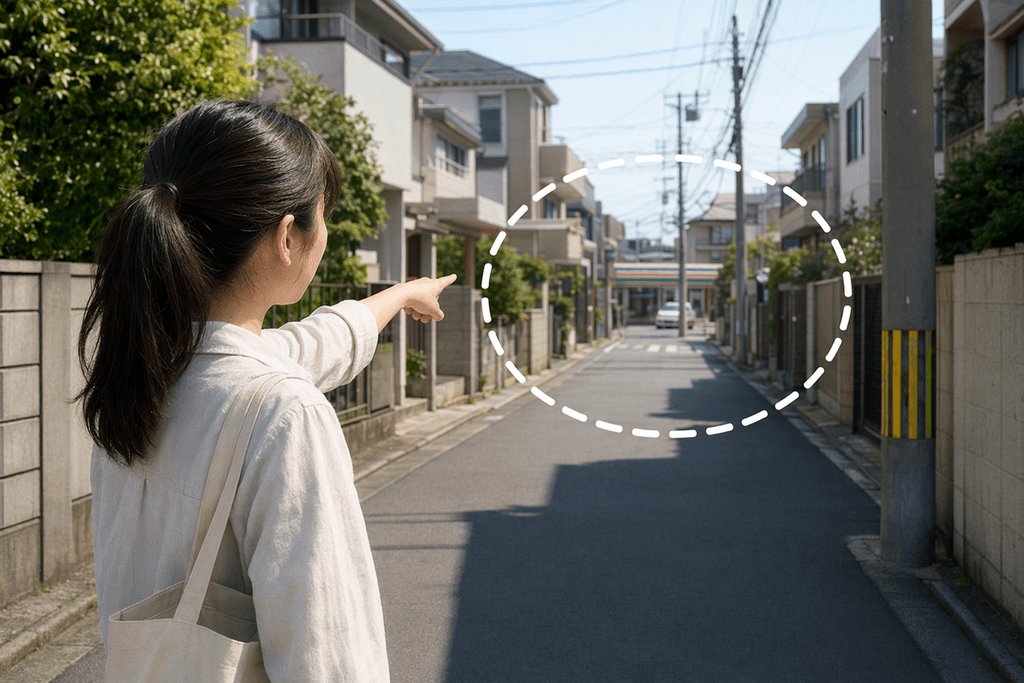
sekitar
辺
sekitar
Explanation
辺
sekitar
辺
daerah sekitar / kawasan sekitar / lingkungan sekitar
( romanization )
( kyūjitai )
( hiragana )
そっち
sebelah situ
そっち
sebelah situ
Explanation
sebelah situ
そっち
ke arah itu; ke sana / yang itu / orang atau benda itu

御飯
nasi / makanan
御飯
nasi / makanan
Explanation
御飯
nasi / makanan
御飯
nasi (yang dimasak) / santapan

( Base form )
( romanization )
( hiragana )
毎晩
setiap malam
毎晩
setiap malam
Explanation
毎晩
setiap malam
毎晩
setiap malam / tiap malam

( Base form )
( romanization )
( hiragana )
書く
menulis
書く
menulis
Explanation
書く
menulis
書く
menulis / mencatat / mengarang

Word Forms
The basic and commonly used forms of this verb.
Basic forms
| Form | Word form | Usage |
|---|---|---|
| Imperfective form (mizenkei) |
Alternative:
書こ
|
Connects to endings such as nai, reru, and seru. |
| Continuative form (renyokei) |
Alternative:
書い
|
Connects to endings such as masu, tai, and ta. |
| Conclusive form (shushikei) | Ends a sentence and serves as the dictionary form. | |
| Attributive form (rentaikei) | Modifies a noun. | |
| Conditional form (kateikei) | Combines with ba to express a condition. | |
| Imperative form (meireikei) | Expresses a command or instruction. |
Common forms
話す
berbicara
話す
berbicara
Explanation
話す
berbicara
話す
berbicara / mengatakan / membicarakan

Word Forms
The basic and commonly used forms of this verb.
Basic forms
| Form | Word form | Usage |
|---|---|---|
| Imperfective form (mizenkei) |
Alternative:
話そ
|
Connects to endings such as nai, reru, and seru. |
| Continuative form (renyokei) | Connects to endings such as masu, tai, and ta. | |
| Conclusive form (shushikei) | Ends a sentence and serves as the dictionary form. | |
| Attributive form (rentaikei) | Modifies a noun. | |
| Conditional form (kateikei) | Combines with ba to express a condition. | |
| Imperative form (meireikei) | Expresses a command or instruction. |
Common forms
ある
ada / memiliki
ある
ada / memiliki
Explanation
ada / memiliki
ある
ada (benda tak bernyawa) / terdapat / berada

Word Forms
The basic and commonly used forms of this verb.
Basic forms
| Form | Word form | Usage |
|---|---|---|
| Imperfective form (mizenkei) |
Alternative:
あろ
|
Connects to endings such as nai, reru, and seru. |
| Continuative form (renyokei) | Connects to endings such as masu, tai, and ta. | |
| Conclusive form (shushikei) | Ends a sentence and serves as the dictionary form. | |
| Attributive form (rentaikei) | Modifies a noun. | |
| Conditional form (kateikei) | Combines with ba to express a condition. | |
| Imperative form (meireikei) | Expresses a command or instruction. |
Common forms
| Form | Word form | Usage |
|---|---|---|
| Te-form | Connects clauses with te. | |
| Ta-form | Expresses the past with ta. | |
| Nai-form |
Alternative:
あらない
|
Expresses negation with nai. |
| Masu-form | Used for polite speech. | |
| Ba-form | Expresses a condition with ba. | |
| Volitional form | Expresses intention or invitation. |
Notes
ゼロ
nol
ゼロ
nol
Explanation
nol
ゼロ
nol / angka 0 / kosong

( romanization )
九日
sembilan hari / tanggal sembilan
九日
sembilan hari / tanggal sembilan
Explanation
九日
sembilan hari / tanggal sembilan
九日
tanggal 9 (hari kesembilan dalam bulan) / sembilan hari

( Base form )
( romanization )
( hiragana )
二十歳
berusia dua puluh tahun
二十歳
berusia dua puluh tahun
Explanation
二十歳
berusia dua puluh tahun
二十歳
usia dua puluh tahun / umur dua puluh tahun

( romanization )
( hiragana )
Loading...

JLPT N5 多言語単語帳・665語 / JLPT N5 Multilingual Vocabulary: 665 Words

Jonathan Waller 氏の JLPT Resources の語彙リスト・レベル分類を出典とし、CC BY の条件に従って DiQt が初級向けに意味を作り直した665語の単語帳です。JLPT公式の語彙リストではありません。
This collection of 665 words is based on the vocabulary list and level classifications in Jonathan Waller’s JLPT Resources under CC BY, with meanings rewritten by DiQt for beginners. It is not an official JLPT vocabulary list.
Key Operations
Select the first quiz:
Ctrl + Enter
View Explanation:Ctrl + G
Close a feedback:Esc
When selecting a quiz
Answer:Enter
Select a choice:↓ or ↑
Reading out the question:Ctrl + K
View Hint: Ctrl + M
I don't know: Ctrl + Y



