
JLPT N5: Latihan arti kata - Unsolved

Pelajari arti 665 kata JLPT N5 dalam bahasa Indonesia melalui soal dengan empat pilihan jawaban.
-
menggosok gigi / memoles
-
bekerja untuk
-
menunggu
- 五段活用(サ行)。
- この見出し語は「さす」と読む。「傘を差す」「酒を差す」「油を差す」などの用法。
- 「指す」は同音の別表記で、意味により使い分ける。
-
setiap tahun
-
tepat
-
berapa harganya
-
bersama
-
setelah
-
dua puluh hari / tanggal dua puluh
-
berkata
-
mengambil
-
ada
- 五段活用ラ行。未然形「なろ」は主に意志形「なろう」で用いる。
- 「〜てはならない」の形で禁止・不許可を表す用法がある。
-
lahir
-
bekerja
-
memotong
-
berkata
-
melihat / menonton
-
bisa
- 「来」は形により「こ」「き」と読む。未然形「来」は「来ない」では「こ」、連用形「来」は「来ます」「来て」「来た」では「き」と読む。
-
menjual
-
melepas pakaian
-
berenang
-
kalender
-
toko buah dan sayur
-
olahraga
-
negara asing
-
Jumat
-
tengah hari / siang hari
-
berbelok / melengkung
-
menggunakan payung
-
mencuci
差す
menggunakan payung
差す
menggunakan payung
Explanation
差す
menggunakan payung
差す
mengangkat/menjulurkan (tangan) / memayungi; memegang payung di atas kepala / menuangkan; meneteskan; menitikkan; menyuguhkan (sake)

Word Forms
The basic and commonly used forms of this verb.
Basic forms
| Form | Word form | Usage |
|---|---|---|
| Imperfective form (mizenkei) |
Alternative:
差そ
|
Connects to endings such as nai, reru, and seru. |
| Continuative form (renyokei) | Connects to endings such as masu, tai, and ta. | |
| Conclusive form (shushikei) | Ends a sentence and serves as the dictionary form. | |
| Attributive form (rentaikei) | Modifies a noun. | |
| Conditional form (kateikei) | Combines with ba to express a condition. | |
| Imperative form (meireikei) | Expresses a command or instruction. |
Common forms
| Form | Word form | Usage |
|---|---|---|
| Te-form | Connects clauses with te. | |
| Ta-form | Expresses the past with ta. | |
| Nai-form | Expresses negation with nai. | |
| Masu-form | Used for polite speech. | |
| Ba-form | Expresses a condition with ba. | |
| Volitional form | Expresses intention or invitation. |
Notes
ちょっと
sedikit
ちょっと
sedikit
Explanation
sedikit
ちょっと
sedikit; agak / ungkapan penolakan tidak langsung

( Base form )
( Base form )
( Base form )
( romanization )
明後日
lusa
明後日
lusa
Explanation
明後日
lusa
明後日
lusa / hari lusa
( romanization )
( hiragana )
なる
menjadi
なる
menjadi
Explanation
menjadi
なる
menjadi; berubah menjadi / tercapai; selesai / mencapai (waktu/jumlah)

Word Forms
The basic and commonly used forms of this verb.
Basic forms
| Form | Word form | Usage |
|---|---|---|
| Imperfective form (mizenkei) |
Alternative:
なろ
|
Connects to endings such as nai, reru, and seru. |
| Continuative form (renyokei) |
Alternative:
なっ
|
Connects to endings such as masu, tai, and ta. |
| Conclusive form (shushikei) | Ends a sentence and serves as the dictionary form. | |
| Attributive form (rentaikei) | Modifies a noun. | |
| Conditional form (kateikei) | Combines with ba to express a condition. | |
| Imperative form (meireikei) | Expresses a command or instruction. |
Common forms
| Form | Word form | Usage |
|---|---|---|
| Te-form | Connects clauses with te. | |
| Ta-form | Expresses the past with ta. | |
| Nai-form | Expresses negation with nai. | |
| Masu-form | Used for polite speech. | |
| Ba-form | Expresses a condition with ba. | |
| Volitional form | Expresses intention or invitation. |
Notes
降りる
turun dari kendaraan / turun
降りる
turun dari kendaraan / turun
Explanation
降りる
turun dari kendaraan / turun
降りる
turun (dari kendaraan) / turun (dari tempat tinggi)

Word Forms
The basic and commonly used forms of this verb.
Basic forms
| Form | Word form | Usage |
|---|---|---|
| Imperfective form (mizenkei) | Connects to endings such as nai, reru, and seru. | |
| Continuative form (renyokei) | Connects to endings such as masu, tai, and ta. | |
| Conclusive form (shushikei) | Ends a sentence and serves as the dictionary form. | |
| Attributive form (rentaikei) | Modifies a noun. | |
| Conditional form (kateikei) | Combines with ba to express a condition. | |
| Imperative form (meireikei) |
Alternative:
降りよ
|
Expresses a command or instruction. |
Common forms
来る
datang
来る
datang
Explanation
来る
datang
来る
datang (ke arah penutur/penulis) / (tentang sensasi) datang dan merangsang; terasa / (と来たら) kalau soal/kalau mengenai …

Word Forms
The basic and commonly used forms of this verb.
Basic forms
| Form | Word form | Usage |
|---|---|---|
| Imperfective form (mizenkei) |
Alternative:
来よ
|
Connects to endings such as nai, reru, and seru. |
| Continuative form (renyokei) | Connects to endings such as masu, tai, and ta. | |
| Conclusive form (shushikei) | Ends a sentence and serves as the dictionary form. | |
| Attributive form (rentaikei) | Modifies a noun. | |
| Conditional form (kateikei) | Combines with ba to express a condition. | |
| Imperative form (meireikei) |
Alternative:
来よ
|
Expresses a command or instruction. |
Common forms
| Form | Word form | Usage |
|---|---|---|
| Te-form | Connects clauses with te. | |
| Ta-form | Expresses the past with ta. | |
| Nai-form | Expresses negation with nai. | |
| Masu-form | Used for polite speech. | |
| Ba-form | Expresses a condition with ba. | |
| Volitional form | Expresses intention or invitation. |
Notes
磨く
menggosok gigi / memoles
磨く
menggosok gigi / memoles
Explanation
磨く
menggosok gigi / memoles
磨く
menyikat (gigi) / menggosok / memoles

Word Forms
The basic and commonly used forms of this verb.
Basic forms
| Form | Word form | Usage |
|---|---|---|
| Imperfective form (mizenkei) |
Alternative:
磨こ
|
Connects to endings such as nai, reru, and seru. |
| Continuative form (renyokei) | Connects to endings such as masu, tai, and ta. | |
| Conclusive form (shushikei) | Ends a sentence and serves as the dictionary form. | |
| Attributive form (rentaikei) | Modifies a noun. | |
| Conditional form (kateikei) | Combines with ba to express a condition. | |
| Imperative form (meireikei) | Expresses a command or instruction. |
Common forms
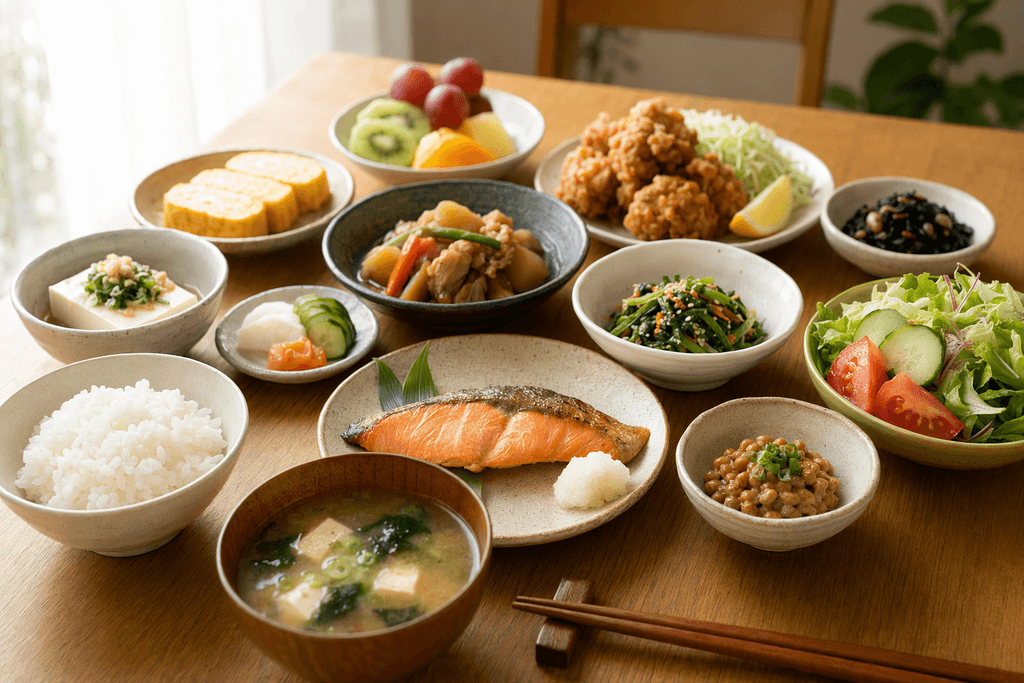
食べ物
makanan
食べ物
makanan
Explanation
食べ物
makanan
食べ物
makanan / pangan / bahan makanan
( Base form )
( romanization )
( hiragana )
お手洗い
toilet
お手洗い
toilet
Explanation
お手洗い
toilet
お手洗い
toilet / kamar kecil / kamar mandi

( Base form )
( romanization )
教える
mengajar / memberi tahu
教える
mengajar / memberi tahu
Explanation
教える
mengajar / memberi tahu
教える
mengajar / memberi tahu / menginformasikan

Word Forms
The basic and commonly used forms of this verb.
Basic forms
| Form | Word form | Usage |
|---|---|---|
| Imperfective form (mizenkei) | Connects to endings such as nai, reru, and seru. | |
| Continuative form (renyokei) | Connects to endings such as masu, tai, and ta. | |
| Conclusive form (shushikei) | Ends a sentence and serves as the dictionary form. | |
| Attributive form (rentaikei) | Modifies a noun. | |
| Conditional form (kateikei) | Combines with ba to express a condition. | |
| Imperative form (meireikei) |
Alternative:
教えよ
|
Expresses a command or instruction. |
Common forms
Loading...

JLPT N5 多言語単語帳・665語 / JLPT N5 Multilingual Vocabulary: 665 Words

Jonathan Waller 氏の JLPT Resources の語彙リスト・レベル分類を出典とし、CC BY の条件に従って DiQt が初級向けに意味を作り直した665語の単語帳です。JLPT公式の語彙リストではありません。
This collection of 665 words is based on the vocabulary list and level classifications in Jonathan Waller’s JLPT Resources under CC BY, with meanings rewritten by DiQt for beginners. It is not an official JLPT vocabulary list.
Key Operations
Select the first quiz:
Ctrl + Enter
View Explanation:Ctrl + G
Close a feedback:Esc
When selecting a quiz
Answer:Enter
Select a choice:↓ or ↑
Reading out the question:Ctrl + K
View Hint: Ctrl + M
I don't know: Ctrl + Y



