
JLPT N5 어휘 뜻 4지선다 - Unsolved

4지선다 문제로 JLPT N5 어휘 665개의 뜻을 한국어로 익힙니다.
-
탁자
-
수업
-
기타
-
경찰관
-
차
-
학교
-
학생
-
경찰관
-
학급
-
의자
-
우유
-
교실
-
복사하다
-
매다 / 조이다
-
건네다
-
둘
-
자기 자신
-
약
-
엿새 / 6일
-
채소
-
목소리
-
비가 내리다 / 눈이 내리다
-
쉬다 / 하루 쉬다
-
빌리다
-
가깝다
-
많다
-
쉽다
-
마시다
-
건네다
-
가다
- 「電話をかける」の「かける」。下一段活用。
大人
어른
大人
어른
Explanation
大人
어른
大人
어른, 성인 / 집단·공동체의 윗사람; (무로마치 후기) 마을·조합의 대표 / (궁정·옛) 시녀장; 아내

( romanization )
( hiragana )
からだ
몸
からだ
몸
Explanation
몸
からだ
몸, 신체 / 체격·체질·체형 / 건강, 몸 상태
( romanization )
( hiragana historical )
所
곳
所
곳
Explanation
所
곳
所
장소, 곳 / (동사 수식) ~하려는 참, 막 ~하려고 함 / (과거형 동사 수식) 막 ~한 참, 방금 ~함

( romanization )
( hiragana )
箱
상자
箱
상자
Explanation
箱
상자
箱
상자, 뚜껑 있는 용기 / (고어) 변기(요강) / (속어) 대변, 똥

( romanization )
( hiragana )
聞く
듣다 / 묻다
聞く
듣다 / 묻다
Explanation
聞く
듣다 / 묻다
聞く
듣다 / 묻다 / 듣고 알다

Word Forms
The basic and commonly used forms of this verb.
Basic forms
| Form | Word form | Usage |
|---|---|---|
| Imperfective form (mizenkei) | Connects to endings such as nai, reru, and seru. | |
| Continuative form (renyokei) | Connects to endings such as masu, tai, and ta. | |
| Conclusive form (shushikei) | Ends a sentence and serves as the dictionary form. | |
| Attributive form (rentaikei) | Modifies a noun. | |
| Conditional form (kateikei) | Combines with ba to express a condition. | |
| Imperative form (meireikei) | Expresses a command or instruction. |
Common forms
上
위에
上
위에
Explanation
上
위에
上
위(쪽), 윗부분 / 표면, 겉 / 우위, 상급(나이·실력·수준 등에서)

( romanization )
( romanization )
( hiragana historical )
( hiragana )
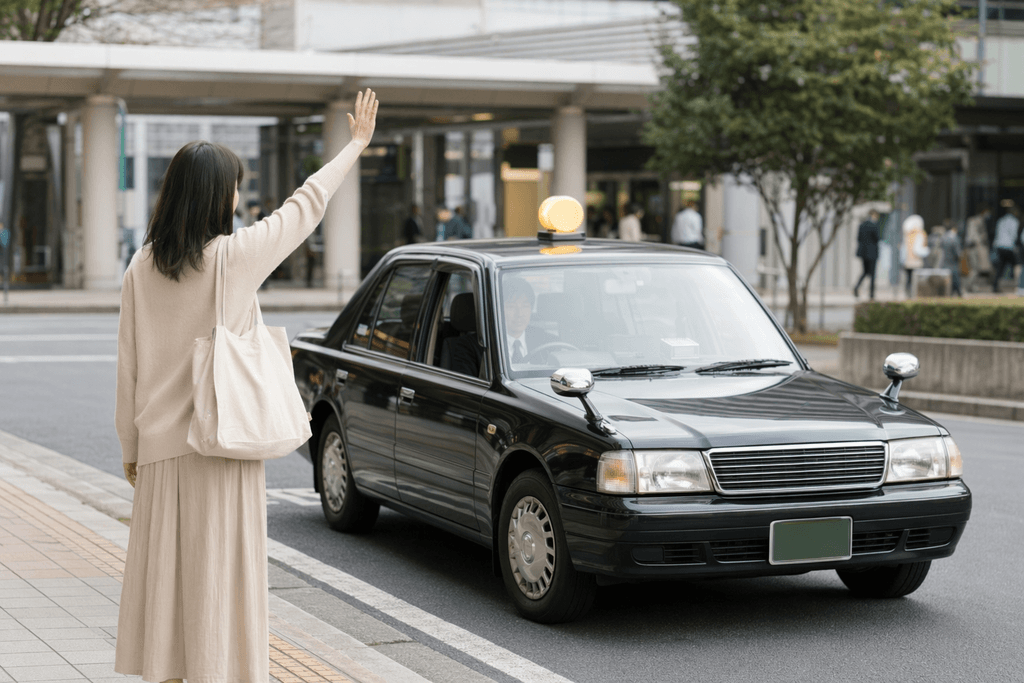
タクシー
택시
タクシー
택시
Explanation
택시
タクシー
요금을 받고 승객을 태우는 영업용 자동차 / 호출·승차해 이용하는 도시 교통수단
( romanization )
( counter )
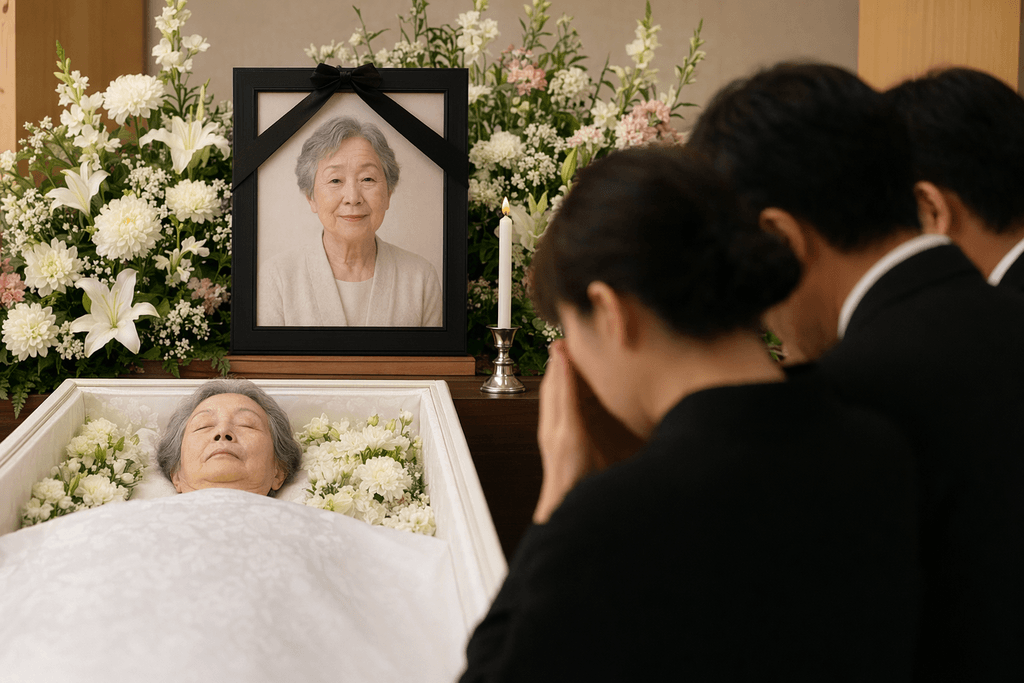
死ぬ
죽다
死ぬ
죽다
Explanation
死ぬ
죽다
死ぬ
죽다 / 소멸하다·사라지다 / 활기(생기)가 없다
Word Forms
The basic and commonly used forms of this verb.
Basic forms
| Form | Word form | Usage |
|---|---|---|
| Imperfective form (mizenkei) |
Alternative:
死の
|
Connects to endings such as nai, reru, and seru. |
| Continuative form (renyokei) | Connects to endings such as masu, tai, and ta. | |
| Conclusive form (shushikei) | Ends a sentence and serves as the dictionary form. | |
| Attributive form (rentaikei) | Modifies a noun. | |
| Conditional form (kateikei) | Combines with ba to express a condition. | |
| Imperative form (meireikei) | Expresses a command or instruction. |
Common forms
白い
흰색
白い
흰색
Explanation
白い
흰색
白い
흰, 하얀 / 순수한, 결백한

Word Forms
The basic and commonly used forms of this adjective.
Basic forms
| Form | Word form | Usage |
|---|---|---|
| Imperfective form (mizenkei) | Used in forms such as karou; mainly literary. | |
| Continuative form (renyokei) |
Alternative:
白かっ
|
Used in forms such as kute and kunai. |
| Conclusive form (shushikei) | Ends a sentence. | |
| Attributive form (rentaikei) | Modifies a noun. | |
| Conditional form (kateikei) | Expresses a condition with kereba. | |
| Imperative form (meireikei) | Rarely used in modern Japanese. |
Common forms
かける
전화하다
かける
전화하다
Explanation
전화하다
かける
전화를 걸다 / 전화하다

Word Forms
The basic and commonly used forms of this verb.
Basic forms
| Form | Word form | Usage |
|---|---|---|
| Imperfective form (mizenkei) | Connects to endings such as nai, reru, and seru. | |
| Continuative form (renyokei) | Connects to endings such as masu, tai, and ta. | |
| Conclusive form (shushikei) | Ends a sentence and serves as the dictionary form. | |
| Attributive form (rentaikei) | Modifies a noun. | |
| Conditional form (kateikei) | Combines with ba to express a condition. | |
| Imperative form (meireikei) |
Alternative:
かけよ
|
Expresses a command or instruction. |
Common forms
| Form | Word form | Usage |
|---|---|---|
| Te-form | Connects clauses with te. | |
| Ta-form | Expresses the past with ta. | |
| Nai-form | Expresses negation with nai. | |
| Masu-form | Used for polite speech. | |
| Ba-form | Expresses a condition with ba. | |
| Volitional form | Expresses intention or invitation. |
Notes
Loading...

JLPT N5 多言語単語帳・665語 / JLPT N5 Multilingual Vocabulary: 665 Words

Jonathan Waller 氏の JLPT Resources の語彙リスト・レベル分類を出典とし、CC BY の条件に従って DiQt が初級向けに意味を作り直した665語の単語帳です。JLPT公式の語彙リストではありません。
This collection of 665 words is based on the vocabulary list and level classifications in Jonathan Waller’s JLPT Resources under CC BY, with meanings rewritten by DiQt for beginners. It is not an official JLPT vocabulary list.
Key Operations
Select the first quiz:
Ctrl + Enter
View Explanation:Ctrl + G
Close a feedback:Esc
When selecting a quiz
Answer:Enter
Select a choice:↓ or ↑
Reading out the question:Ctrl + K
View Hint: Ctrl + M
I don't know: Ctrl + Y



