
JLPT N4: Kahulugan ng mga salita - Unsolved

Alamin ang kahulugan ng 631 salita sa JLPT N4 sa Filipino sa pamamagitan ng mga tanong na may apat na pagpipilian.
-
museo ng sining
-
paaralang junior high
-
alam
-
ipaalam
-
bumagsak
-
tapakan
-
pagdalaw sa maysakit
-
lawa
-
palaman na prutas
-
sumayaw
-
magpakulo ng tubig
-
magtanim
-
tindero
-
isang daang milyon
-
eskalator
-
mabasag / mabiyak
-
makita / manood
-
hulihin
-
mahal
-
pagpapareserba
-
binata
-
kalakhang lungsod
-
pagpapakilala
-
pamamasyal
-
maghurno / mag-ihaw
-
mag-isip / makaramdam
-
magpatuloy
- 下一段活用の他動詞です。
- 命令形は「捕まえろ」が一般的で、「捕まえよ」も用いられます。
-
kasangkapan / pamamaraan
-
panauhin / mamimili
-
paggamit
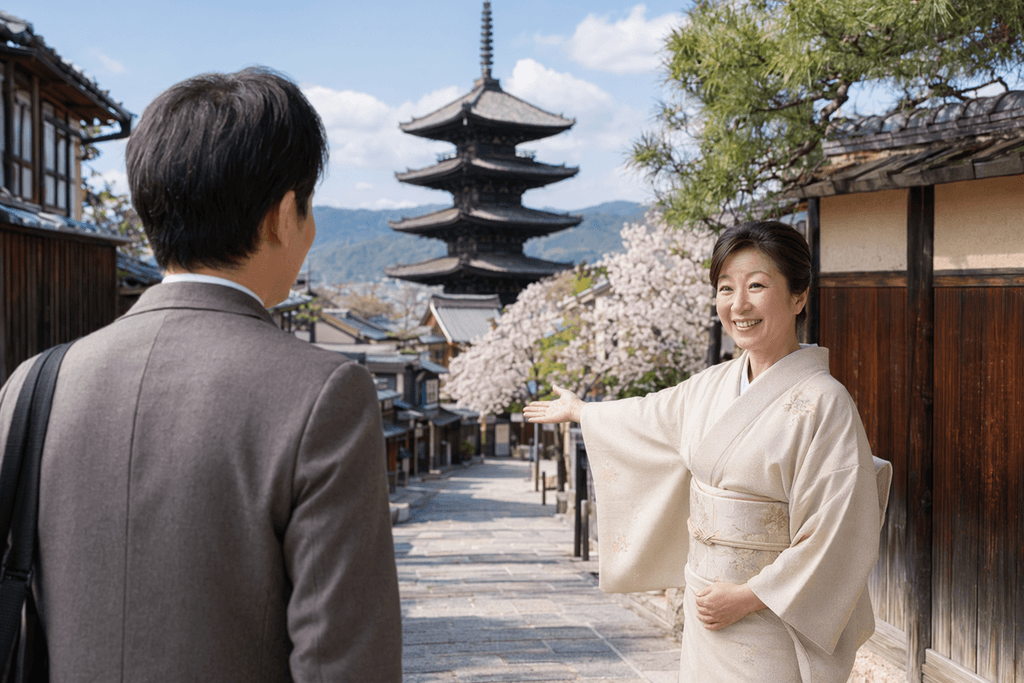
おいで
naroon
おいで
naroon
Explanation
naroon
おいで
magalang na pagpunta / magalang na pagdating / magalang na pananatili sa isang lugar
( Base form )
( romanization )
足りる
maging sapat
足りる
maging sapat
Explanation
足りる
maging sapat
足りる
sumapat / maging sapat / maging karapat-dapat

Word Forms
The basic and commonly used forms of this verb.
Basic forms
| Form | Word form | Usage |
|---|---|---|
| Imperfective form (mizenkei) | Connects to endings such as nai, reru, and seru. | |
| Continuative form (renyokei) | Connects to endings such as masu, tai, and ta. | |
| Conclusive form (shushikei) | Ends a sentence and serves as the dictionary form. | |
| Attributive form (rentaikei) | Modifies a noun. | |
| Conditional form (kateikei) | Combines with ba to express a condition. | |
| Imperative form (meireikei) |
Alternative:
足りよ
|
Expresses a command or instruction. |
Common forms
レジ
kaha ng tindahan
レジ
kaha ng tindahan
Explanation
kaha ng tindahan
レジ
makinang pangsingil / mesa o puwesto ng bayaran

( romanization )
育てる
magpalaki
育てる
magpalaki
Explanation
育てる
magpalaki
育てる
magpalaki / mag-alaga / magtaguyod

Word Forms
The basic and commonly used forms of this verb.
Basic forms
| Form | Word form | Usage |
|---|---|---|
| Imperfective form (mizenkei) | Connects to endings such as nai, reru, and seru. | |
| Continuative form (renyokei) | Connects to endings such as masu, tai, and ta. | |
| Conclusive form (shushikei) | Ends a sentence and serves as the dictionary form. | |
| Attributive form (rentaikei) | Modifies a noun. | |
| Conditional form (kateikei) | Combines with ba to express a condition. | |
| Imperative form (meireikei) |
Alternative:
育てよ
|
Expresses a command or instruction. |
Common forms
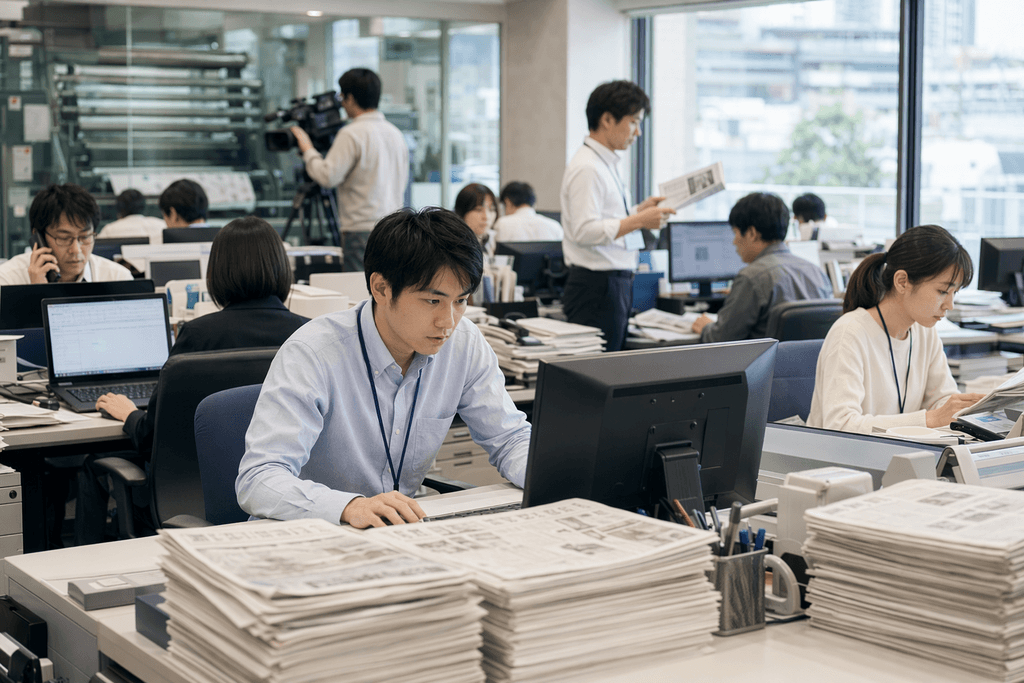
新聞社
kompanya ng pahayagan
新聞社
kompanya ng pahayagan
Explanation
新聞社
kompanya ng pahayagan
新聞社
kumpanya ng pahayagan / tagalathala ng pahayagan / ahensiya ng pahayagan
( Base form )
( romanization )
( hiragana )
植える
magtanim
植える
magtanim
Explanation
植える
magtanim
植える
magtanim (ng halaman) / mag-implant o magpasok / itanim sa isipan (ideolohiya, halaga)

Word Forms
The basic and commonly used forms of this verb.
Basic forms
| Form | Word form | Usage |
|---|---|---|
| Imperfective form (mizenkei) | Connects to endings such as nai, reru, and seru. | |
| Continuative form (renyokei) | Connects to endings such as masu, tai, and ta. | |
| Conclusive form (shushikei) | Ends a sentence and serves as the dictionary form. | |
| Attributive form (rentaikei) | Modifies a noun. | |
| Conditional form (kateikei) | Combines with ba to express a condition. | |
| Imperative form (meireikei) |
Alternative:
植えよ
|
Expresses a command or instruction. |
Common forms
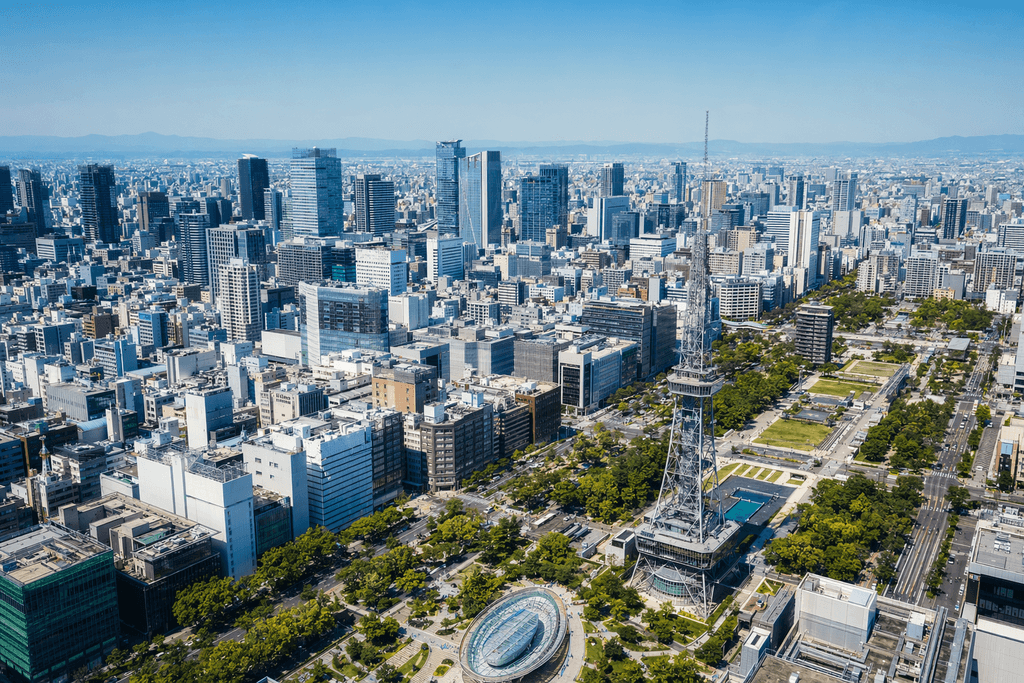
市
lungsod
市
lungsod
Explanation
市
lungsod
市
hulapi na tumutukoy sa lungsod / lungsod / siyudad (yunit administratibo sa Hapon)
( romanization )
( hiragana )
ワープロ
word processor
ワープロ
word processor
Explanation
word processor
ワープロ
programa sa pagproseso ng teksto / aparatong elektronikong pang-edit ng teksto / software para sa paggawa at pag-format ng dokumento

( romanization )
捕まえる
hulihin
捕まえる
hulihin
Explanation
捕まえる
hulihin
捕まえる
hulihin / dakpin / arestuhin

Word Forms
The basic and commonly used forms of this verb.
Basic forms
| Form | Word form | Usage |
|---|---|---|
| Imperfective form (mizenkei) | Connects to endings such as nai, reru, and seru. | |
| Continuative form (renyokei) | Connects to endings such as masu, tai, and ta. | |
| Conclusive form (shushikei) | Ends a sentence and serves as the dictionary form. | |
| Attributive form (rentaikei) | Modifies a noun. | |
| Conditional form (kateikei) | Combines with ba to express a condition. | |
| Imperative form (meireikei) |
Alternative:
捕まえよ
|
Expresses a command or instruction. |
Common forms
| Form | Word form | Usage |
|---|---|---|
| Te-form | Connects clauses with te. | |
| Ta-form | Expresses the past with ta. | |
| Nai-form | Expresses negation with nai. | |
| Masu-form | Used for polite speech. | |
| Ba-form | Expresses a condition with ba. | |
| Volitional form | Expresses intention or invitation. |
Notes
丁寧
magalang
丁寧
magalang
Explanation
丁寧
magalang
丁寧
pagkamagalang / kagandahang-asal / pag-iingat

( Base form )
( romanization )
( hiragana )
Loading...

JLPT N4 多言語単語帳・631語 / JLPT N4 Multilingual Vocabulary: 631 Words

Jonathan Waller 氏の JLPT Resources の語彙リスト・レベル分類を出典とし、CC BY の条件に従って DiQt が初級向けに意味を作り直した631語の単語帳です。JLPT公式の語彙リストではありません。
This collection of 631 words is based on the vocabulary list and level classifications in Jonathan Waller’s JLPT Resources under CC BY, with meanings rewritten by DiQt for beginners. It is not an official JLPT vocabulary list.
Key Operations
Select the first quiz:
Ctrl + Enter
View Explanation:Ctrl + G
Close a feedback:Esc
When selecting a quiz
Answer:Enter
Select a choice:↓ or ↑
Reading out the question:Ctrl + K
View Hint: Ctrl + M
I don't know: Ctrl + Y



