
JLPT N4: Kahulugan ng mga salita - Unsolved

Alamin ang kahulugan ng 631 salita sa JLPT N4 sa Filipino sa pamamagitan ng mga tanong na may apat na pagpipilian.
-
bumaba
-
lumampas / lumipas
-
matapos na
- サ行変格活用の複合動詞(「出発」+「する」)。
- 未然形には接続する助動詞などにより「し」「せ」「さ」が現れる。
-
magtanim
-
maalala
-
itindig
- 「引っ越す」は五段活用(サ行)の動詞。
- 表記ゆれとして「引越す」を variants に含めた。
- 未然形には「引っ越さ」(ない等に接続)と「引っ越そ」(う等に接続)がある。
-
pulutin
-
magtanong
-
magsabi
-
fax
-
bata
-
paaralang junior high
-
hinding-hindi
-
kamakailan
-
nang malaki-laki
-
estudyante sa unibersidad
-
mainit na tubig
-
sandalyas
-
ulap
-
presidente ng kompanya
-
ulat
-
tren na ekspres
-
matematika
-
nakagawian / kaugalian
-
lalaki
-
wakas / pinakahuli
-
mamamayan
-
imbitasyon
-
silid-pulungan
-
salamat sa
出発する
umalis
出発する
umalis
Explanation
出発する
umalis
出発する
umalis / lumisan / humayo

Word Forms
The basic and commonly used forms of this verb.
Basic forms
| Form | Word form | Usage |
|---|---|---|
| Imperfective form (mizenkei) |
Alternative:
出発せ
出発さ
|
Connects to endings such as nai, reru, and seru. |
| Continuative form (renyokei) | Connects to endings such as masu, tai, and ta. | |
| Conclusive form (shushikei) | Ends a sentence and serves as the dictionary form. | |
| Attributive form (rentaikei) | Modifies a noun. | |
| Conditional form (kateikei) | Combines with ba to express a condition. | |
| Imperative form (meireikei) |
Alternative:
出発せよ
|
Expresses a command or instruction. |
Common forms
| Form | Word form | Usage |
|---|---|---|
| Te-form | Connects clauses with te. | |
| Ta-form | Expresses the past with ta. | |
| Nai-form |
Alternative:
出発せぬ
出発せず
|
Expresses negation with nai. |
| Masu-form | Used for polite speech. | |
| Ba-form | Expresses a condition with ba. | |
| Volitional form | Expresses intention or invitation. |
Notes
引っ越す
lumipat ng bahay
引っ越す
lumipat ng bahay
Explanation
引っ越す
lumipat ng bahay
引っ越す
lumipat ng bahay / lumipat ng tirahan / maglipat-bahay

Word Forms
The basic and commonly used forms of this verb.
Basic forms
| Form | Word form | Usage |
|---|---|---|
| Imperfective form (mizenkei) |
Alternative:
引越さ
引っ越そ
引越そ
|
Connects to endings such as nai, reru, and seru. |
| Continuative form (renyokei) |
Alternative:
引越し
|
Connects to endings such as masu, tai, and ta. |
| Conclusive form (shushikei) |
Alternative:
引越す
|
Ends a sentence and serves as the dictionary form. |
| Attributive form (rentaikei) |
Alternative:
引越す
|
Modifies a noun. |
| Conditional form (kateikei) |
Alternative:
引越せ
|
Combines with ba to express a condition. |
| Imperative form (meireikei) |
Alternative:
引越せ
|
Expresses a command or instruction. |
Common forms
| Form | Word form | Usage |
|---|---|---|
| Te-form |
Alternative:
引越して
|
Connects clauses with te. |
| Ta-form |
Alternative:
引越した
|
Expresses the past with ta. |
| Nai-form |
Alternative:
引越さない
|
Expresses negation with nai. |
| Masu-form |
Alternative:
引越します
|
Used for polite speech. |
| Ba-form |
Alternative:
引越せば
|
Expresses a condition with ba. |
| Volitional form |
Alternative:
引越し
|
Expresses intention or invitation. |
Notes
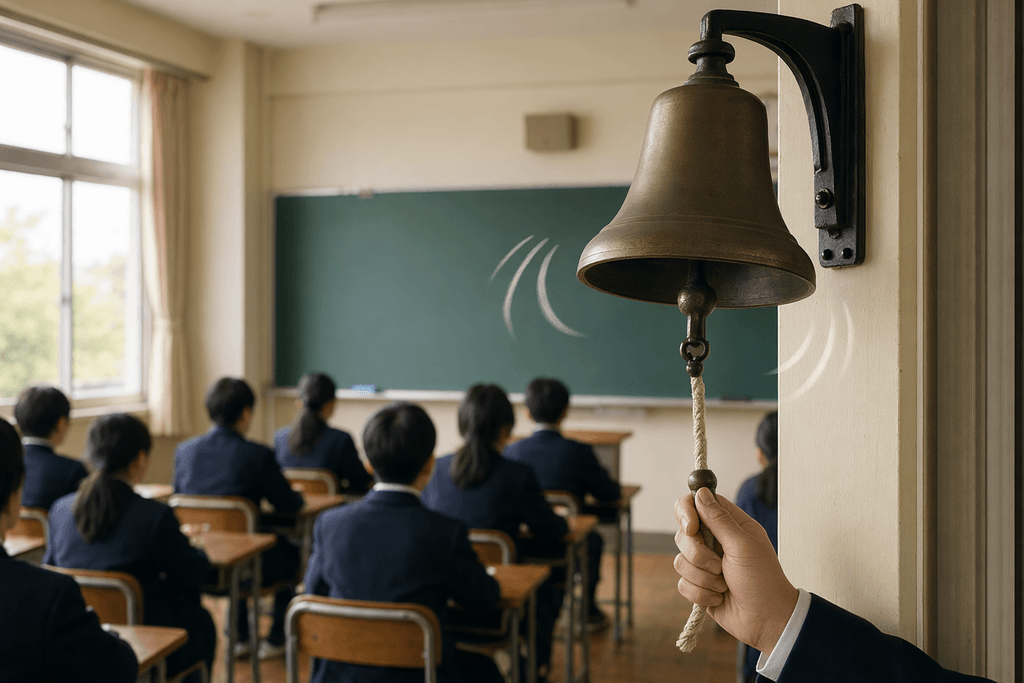
鳴る
tumunog
鳴る
tumunog
Explanation
鳴る
tumunog
鳴る
tumunog / dumagundong / bumusina
Word Forms
The basic and commonly used forms of this verb.
Basic forms
| Form | Word form | Usage |
|---|---|---|
| Imperfective form (mizenkei) |
Alternative:
鳴ろ
|
Connects to endings such as nai, reru, and seru. |
| Continuative form (renyokei) |
Alternative:
鳴っ
|
Connects to endings such as masu, tai, and ta. |
| Conclusive form (shushikei) | Ends a sentence and serves as the dictionary form. | |
| Attributive form (rentaikei) | Modifies a noun. | |
| Conditional form (kateikei) | Combines with ba to express a condition. | |
| Imperative form (meireikei) | Expresses a command or instruction. |
Common forms
承知
pagsang-ayon
承知
pagsang-ayon
Explanation
承知
pagsang-ayon
承知
pagsang-ayon/pahintulot / kapatawaran / kaalaman/pagkaunawa

( Base form )
( romanization )
( hiragana )
全然
hindi talaga
全然
hindi talaga
Explanation
全然
hindi talaga
全然
hinding-hindi; hindi man lang / lubos; ganap / todo; talagang

( romanization )
機会
pagkakataon
機会
pagkakataon
Explanation
機会
pagkakataon
機会
pagkakataon / oportunidad / tsansa

( Base form )
( romanization )
( romanization )
( kyūjitai )
( hiragana historical )
( hiragana )
のど
lalamunan
のど
lalamunan
Explanation
lalamunan
のど
lalamunan / tinig sa pag-awit / maselang bahagi ng katawan

( romanization )
電灯
ilaw na de-kuryente
電灯
ilaw na de-kuryente
Explanation
電灯
ilaw na de-kuryente
電灯
ilaw na de-kuryente / ilaw / lamparang de-kuryente

( Base form )
( romanization )
( kyūjitai )
( hiragana )
帰り
pag-uwi
帰り
pag-uwi
Explanation
帰り
pag-uwi
帰り
pag-uwi / pagbalik / biyahe pabalik

( Base form )
( romanization )
( romanization )
( hiragana historical )
意見
opinyon
意見
opinyon
Explanation
意見
opinyon
意見
opinyon / payo / mungkahi

( Base form )
( romanization )
( hiragana )
Loading...

JLPT N4 多言語単語帳・631語 / JLPT N4 Multilingual Vocabulary: 631 Words

Jonathan Waller 氏の JLPT Resources の語彙リスト・レベル分類を出典とし、CC BY の条件に従って DiQt が初級向けに意味を作り直した631語の単語帳です。JLPT公式の語彙リストではありません。
This collection of 631 words is based on the vocabulary list and level classifications in Jonathan Waller’s JLPT Resources under CC BY, with meanings rewritten by DiQt for beginners. It is not an official JLPT vocabulary list.
Key Operations
Select the first quiz:
Ctrl + Enter
View Explanation:Ctrl + G
Close a feedback:Esc
When selecting a quiz
Answer:Enter
Select a choice:↓ or ↑
Reading out the question:Ctrl + K
View Hint: Ctrl + M
I don't know: Ctrl + Y



