
JLPT N4: Kahulugan ng mga salita - Unsolved

Alamin ang kahulugan ng 631 salita sa JLPT N4 sa Filipino sa pamamagitan ng mga tanong na may apat na pagpipilian.
-
bigyan ako
-
magpakulo ng tubig
-
mang-api
-
masarap / mahusay
-
mahigpit
-
maliliit / detalyado
-
pananaliksik
-
mayamang tao
-
dahon
-
konsiyerto
-
produksiyon
-
zoo
-
ang pangalan ay / magsabi
-
magulat
-
itindig
-
asawa kong babae
-
ulat
-
ngayong gabi
-
sagabal
-
miso
-
paunang pag-aaral ng aralin
-
dumikit
-
maabala / magmalasakit
-
maghiwalay / makipaghiwalay
-
magplano
-
tumulong
-
mabasag / mabiyak
-
upang
-
salamin
-
sitwasyon
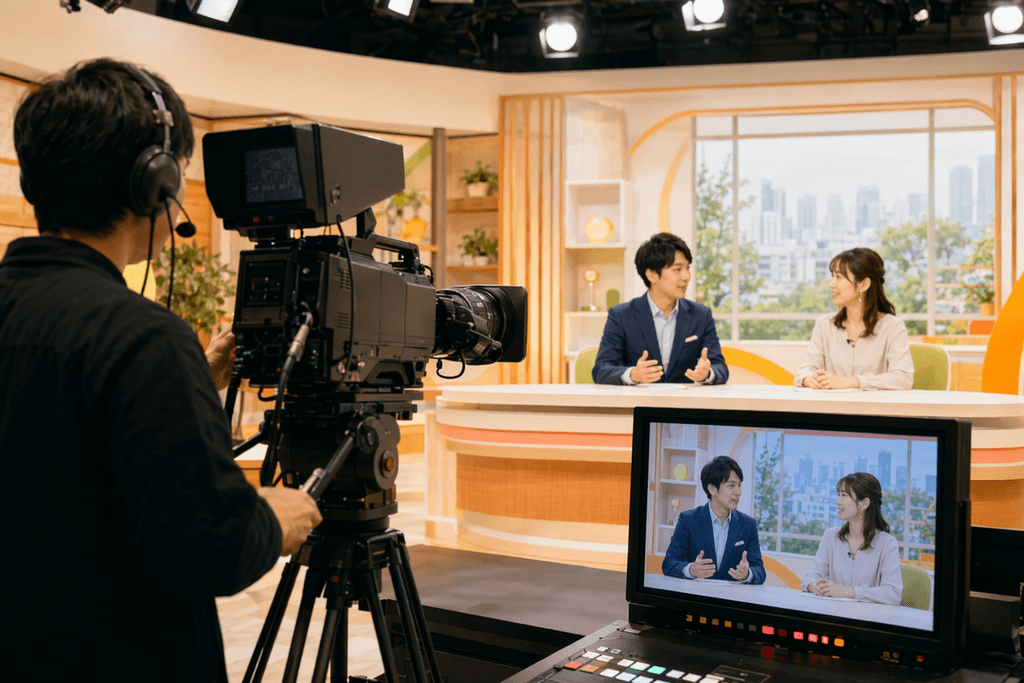
放送する
mag-brodkast
放送する
mag-brodkast
Explanation
放送する
mag-brodkast
放送する
magpalabas (sa radyo o telebisyon) / i-ere ang programa / ipahatid sa ere
Word Forms
The basic and commonly used forms of this verb.
Basic forms
| Form | Word form | Usage |
|---|---|---|
| Imperfective form (mizenkei) |
Alternative:
放送せ
放送さ
|
Connects to endings such as nai, reru, and seru. |
| Continuative form (renyokei) | Connects to endings such as masu, tai, and ta. | |
| Conclusive form (shushikei) | Ends a sentence and serves as the dictionary form. | |
| Attributive form (rentaikei) | Modifies a noun. | |
| Conditional form (kateikei) | Combines with ba to express a condition. | |
| Imperative form (meireikei) |
Alternative:
放送せよ
|
Expresses a command or instruction. |
Common forms
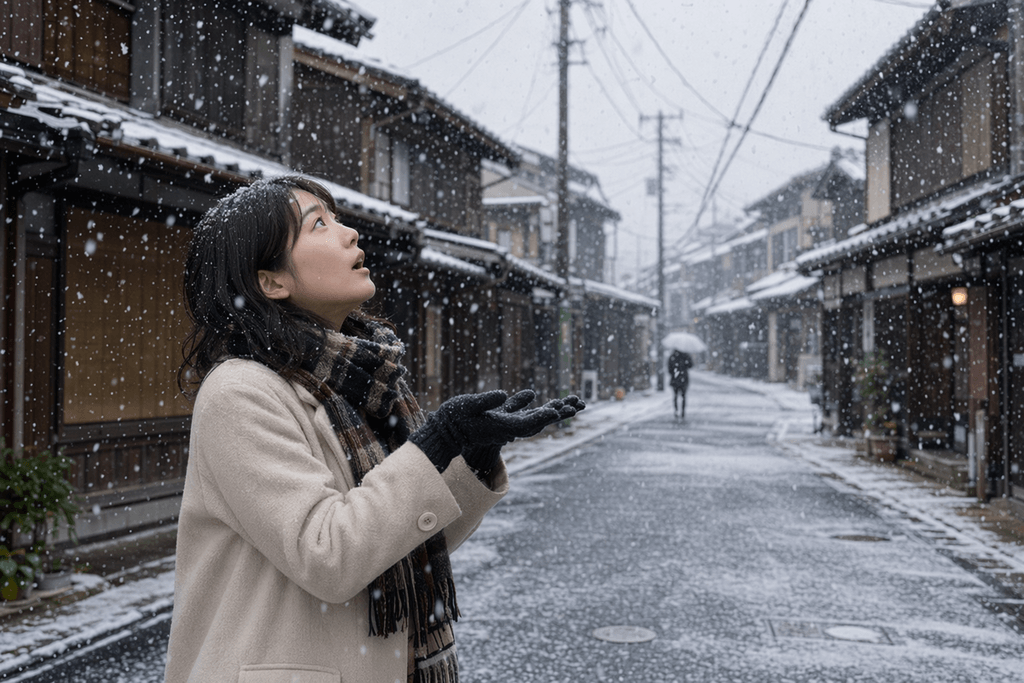
珍しい
bihira
珍しい
bihira
Explanation
珍しい
bihira
珍しい
bihira / di-karaniwan / pambihira
Word Forms
The basic and commonly used forms of this adjective.
Basic forms
| Form | Word form | Usage |
|---|---|---|
| Imperfective form (mizenkei) | Used in forms such as karou; mainly literary. | |
| Continuative form (renyokei) |
Alternative:
珍しかっ
|
Used in forms such as kute and kunai. |
| Conclusive form (shushikei) | Ends a sentence. | |
| Attributive form (rentaikei) | Modifies a noun. | |
| Conditional form (kateikei) | Expresses a condition with kereba. | |
| Imperative form (meireikei) | Rarely used in modern Japanese. |
Common forms
終わり
katapusan
終わり
katapusan
Explanation
終わり
katapusan
終わり
wakas; katapusan / kamatayan / pagbagsak

( Base form )
( romanization )
( romanization )
( hiragana historical )
国際
internasyonal
国際
internasyonal
Explanation
国際
internasyonal
国際
Pagiging internasyonal / Pagiging pandaigdigan / Katangiang internasyonal

( Base form )
( romanization )
( hiragana )
割れる
mabasag / mabiyak
割れる
mabasag / mabiyak
Explanation
割れる
mabasag / mabiyak
割れる
mabasag; mabiyak; mahati / maaaring hatiin; nahahati / mabisto; mabuking (kolokyal)

Word Forms
The basic and commonly used forms of this verb.
Basic forms
| Form | Word form | Usage |
|---|---|---|
| Imperfective form (mizenkei) | Connects to endings such as nai, reru, and seru. | |
| Continuative form (renyokei) | Connects to endings such as masu, tai, and ta. | |
| Conclusive form (shushikei) | Ends a sentence and serves as the dictionary form. | |
| Attributive form (rentaikei) | Modifies a noun. | |
| Conditional form (kateikei) | Combines with ba to express a condition. | |
| Imperative form (meireikei) |
Alternative:
割れよ
|
Expresses a command or instruction. |
Common forms
間
puwang / pagitan ng oras
間
puwang / pagitan ng oras
Explanation
間
puwang / pagitan ng oras
間
pagitan / agwat / tagal (ng oras)

( romanization )
( hiragana )
ハンドバッグ
handbag
ハンドバッグ
handbag
Explanation
handbag
ハンドバッグ
bag na pangkamay / maliit na bag na pangbabae / maliit na bag para sa personal na gamit

( romanization )
変わる
magbago
変わる
magbago
Explanation
変わる
magbago
変わる
magbago / maiba / mag-anyong iba

Word Forms
The basic and commonly used forms of this verb.
Basic forms
| Form | Word form | Usage |
|---|---|---|
| Imperfective form (mizenkei) |
Alternative:
変わろ
|
Connects to endings such as nai, reru, and seru. |
| Continuative form (renyokei) | Connects to endings such as masu, tai, and ta. | |
| Conclusive form (shushikei) | Ends a sentence and serves as the dictionary form. | |
| Attributive form (rentaikei) | Modifies a noun. | |
| Conditional form (kateikei) | Combines with ba to express a condition. | |
| Imperative form (meireikei) | Expresses a command or instruction. |
Common forms
謝る
humingi ng tawad
謝る
humingi ng tawad
Explanation
謝る
humingi ng tawad
謝る
humingi ng tawad / humingi ng paumanhin / magpaumanhin

Word Forms
The basic and commonly used forms of this verb.
Basic forms
| Form | Word form | Usage |
|---|---|---|
| Imperfective form (mizenkei) | Connects to endings such as nai, reru, and seru. | |
| Continuative form (renyokei) | Connects to endings such as masu, tai, and ta. | |
| Conclusive form (shushikei) | Ends a sentence and serves as the dictionary form. | |
| Attributive form (rentaikei) | Modifies a noun. | |
| Conditional form (kateikei) | Combines with ba to express a condition. | |
| Imperative form (meireikei) | Expresses a command or instruction. |
Common forms
小説
nobela
小説
nobela
Explanation
小説
nobela
小説
nobela / kuwento / kathang-isip

( Base form )
( romanization )
( counter )
( kyūjitai )
( hiragana )
Loading...

JLPT N4 多言語単語帳・631語 / JLPT N4 Multilingual Vocabulary: 631 Words

Jonathan Waller 氏の JLPT Resources の語彙リスト・レベル分類を出典とし、CC BY の条件に従って DiQt が初級向けに意味を作り直した631語の単語帳です。JLPT公式の語彙リストではありません。
This collection of 631 words is based on the vocabulary list and level classifications in Jonathan Waller’s JLPT Resources under CC BY, with meanings rewritten by DiQt for beginners. It is not an official JLPT vocabulary list.
Key Operations
Select the first quiz:
Ctrl + Enter
View Explanation:Ctrl + G
Close a feedback:Esc
When selecting a quiz
Answer:Enter
Select a choice:↓ or ↑
Reading out the question:Ctrl + K
View Hint: Ctrl + M
I don't know: Ctrl + Y



