
JLPT N5 词义四选一 - Unsolved

通过四选一题目,用简体中文学习JLPT N5的665个单词含义。
-
喝
-
打电话
-
练习
-
烹饪 / 菜肴
-
前天
-
今天早上
-
圆
-
热
-
小
- 見出し語は仮名表記。漢字表記では「辛い」。
-
烟草 / 香烟
-
英语
-
肚子
-
站
-
买
-
教 / 告诉
- 「練習」+「する」から成るサ変複合動詞。
-
书
-
结婚
-
外面
-
书桌
-
课
-
铅笔
-
蓝色
-
烫
-
宽敞 / 宽
- 「早う」は連用形のウ音便で、丁寧表現などで用いられることがあります。
-
弟弟
-
动物
-
每个月
-
再
-
总是
-
非常
生まれる
出生
生まれる
出生
Explanation
生まれる
出生
生まれる
出生 / 产生 / 诞生

Word Forms
The basic and commonly used forms of this verb.
Basic forms
| Form | Word form | Usage |
|---|---|---|
| Imperfective form (mizenkei) | Connects to endings such as nai, reru, and seru. | |
| Continuative form (renyokei) | Connects to endings such as masu, tai, and ta. | |
| Conclusive form (shushikei) | Ends a sentence and serves as the dictionary form. | |
| Attributive form (rentaikei) | Modifies a noun. | |
| Conditional form (kateikei) | Combines with ba to express a condition. | |
| Imperative form (meireikei) |
Alternative:
生まれよ
|
Expresses a command or instruction. |
Common forms
言葉
词语 / 语言
言葉
词语 / 语言
Explanation
言葉
词语 / 语言
言葉
词语 / 语言 / 话语

( Base form )
( romanization )
( hiragana )
からい
辣
からい
辣
Explanation
辣
からい
辣的 / 咸的 / 严苛的

Word Forms
The basic and commonly used forms of this adjective.
Basic forms
| Form | Word form | Usage |
|---|---|---|
| Imperfective form (mizenkei) | Used in forms such as karou; mainly literary. | |
| Continuative form (renyokei) |
Alternative:
からかっ
|
Used in forms such as kute and kunai. |
| Conclusive form (shushikei) | Ends a sentence. | |
| Attributive form (rentaikei) | Modifies a noun. | |
| Conditional form (kateikei) | Expresses a condition with kereba. | |
| Imperative form (meireikei) | Rarely used in modern Japanese. |
Common forms
| Form | Word form | Usage |
|---|---|---|
| Te-form | Connects clauses with kute. | |
| Ta-form | Expresses the past with katta. | |
| Nai-form | Expresses negation with kunai. | |
| Ba-form | Expresses a condition with kereba. |
Notes
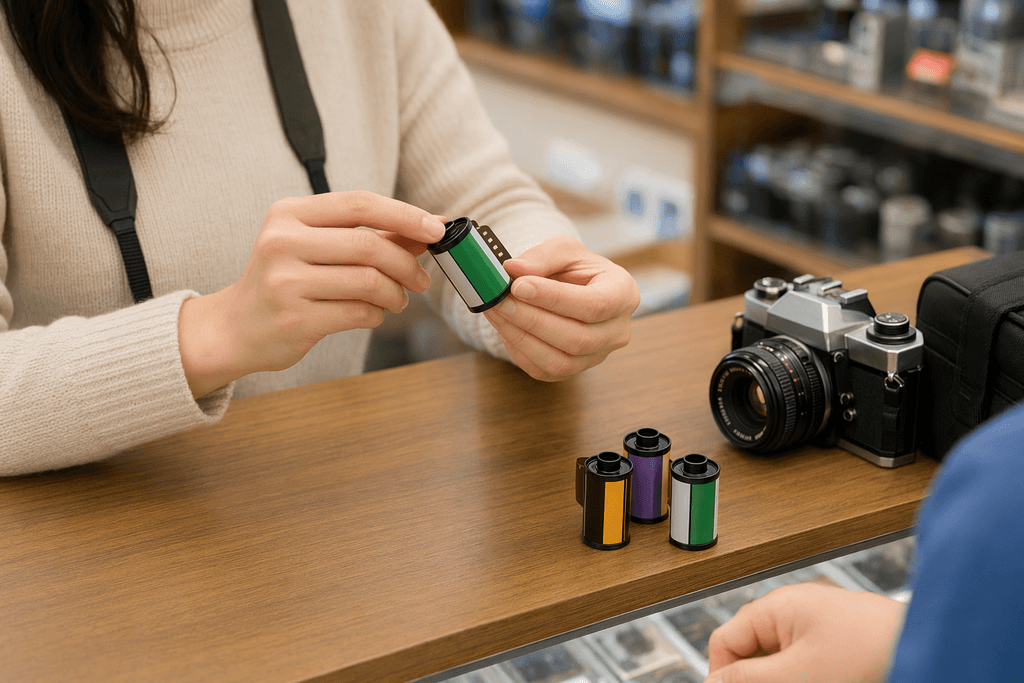
フィルム
胶卷
フィルム
胶卷
Explanation
胶卷
フィルム
电影(总称) / 薄膜 / 胶片(照相用)
( romanization )
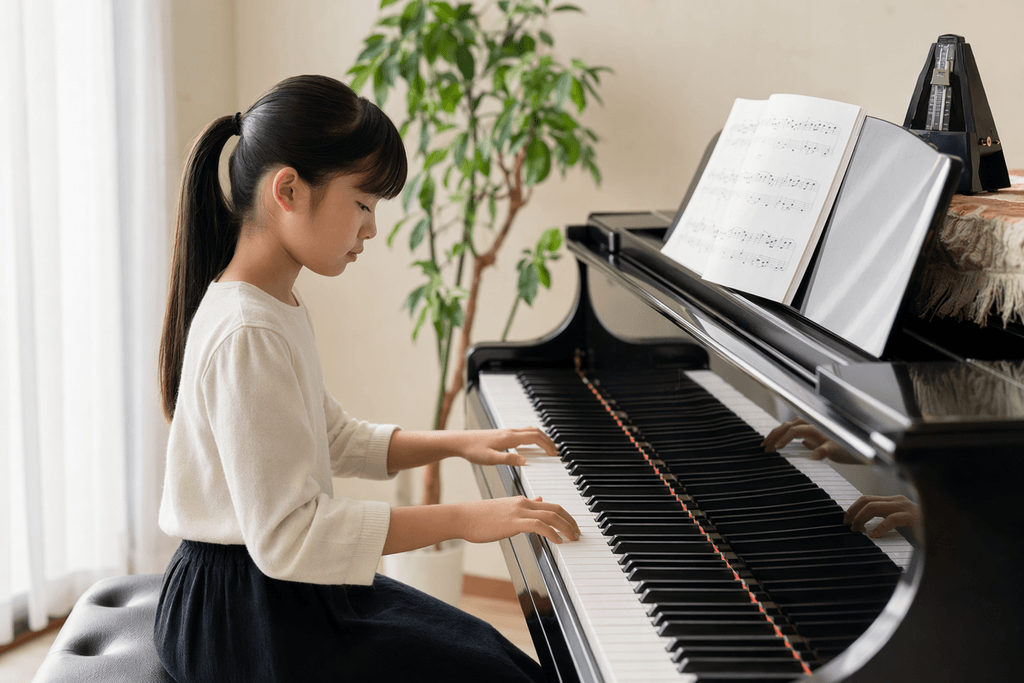
練習する
练习
練習する
练习
Explanation
練習する
练习
練習する
反复进行以提高某项技能 / 进行训练或操练 / 做题或演练以巩固所学
Word Forms
The basic and commonly used forms of this verb.
Basic forms
| Form | Word form | Usage |
|---|---|---|
| Imperfective form (mizenkei) |
Alternative:
練習せ
練習さ
|
Connects to endings such as nai, reru, and seru. |
| Continuative form (renyokei) | Connects to endings such as masu, tai, and ta. | |
| Conclusive form (shushikei) | Ends a sentence and serves as the dictionary form. | |
| Attributive form (rentaikei) | Modifies a noun. | |
| Conditional form (kateikei) | Combines with ba to express a condition. | |
| Imperative form (meireikei) |
Alternative:
練習せよ
|
Expresses a command or instruction. |
Common forms
| Form | Word form | Usage |
|---|---|---|
| Te-form | Connects clauses with te. | |
| Ta-form | Expresses the past with ta. | |
| Nai-form |
Alternative:
練習せぬ
|
Expresses negation with nai. |
| Masu-form | Used for polite speech. | |
| Ba-form | Expresses a condition with ba. | |
| Volitional form | Expresses intention or invitation. |
Notes
兄
哥哥
兄
哥哥
Explanation
兄
哥哥
兄
女子的兄弟(不分长幼,古) / 女子的情人或丈夫(古) / 熟识的男子(古)

( romanization )
( hiragana )
再来年
后年
再来年
后年
Explanation
再来年
后年
再来年
后年 / 下一年之后的一年

( romanization )
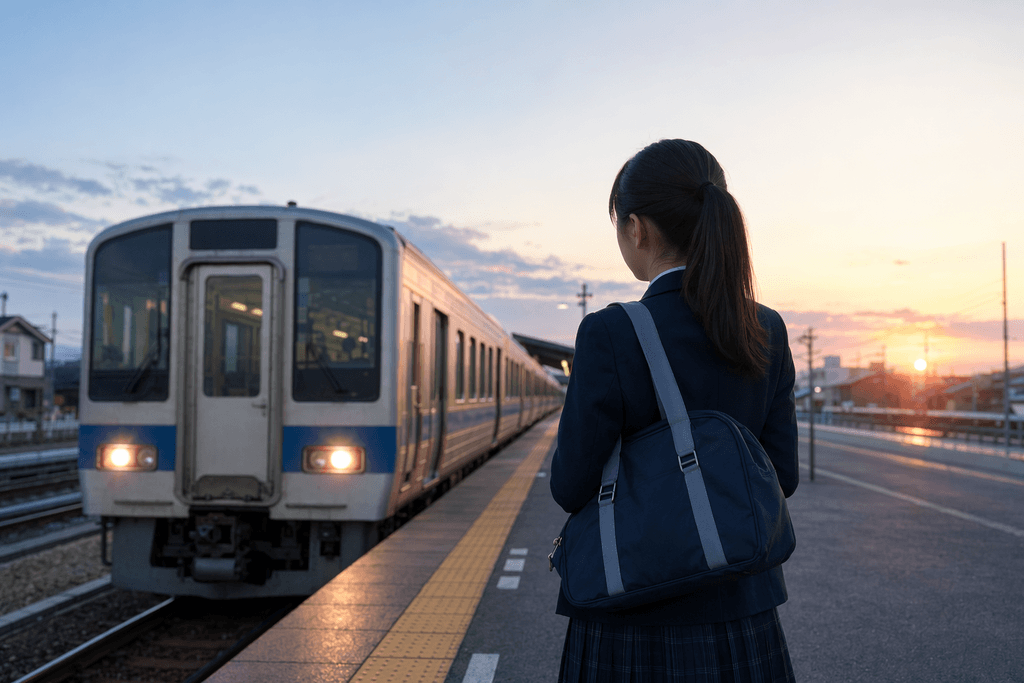
早い
早
早い
早
Explanation
早い
早
早い
早的 / 提前的
Word Forms
The basic and commonly used forms of this adjective.
Basic forms
| Form | Word form | Usage |
|---|---|---|
| Imperfective form (mizenkei) | Used in forms such as karou; mainly literary. | |
| Continuative form (renyokei) |
Alternative:
早かっ
早う
|
Used in forms such as kute and kunai. |
| Conclusive form (shushikei) | Ends a sentence. | |
| Attributive form (rentaikei) | Modifies a noun. | |
| Conditional form (kateikei) | Expresses a condition with kereba. | |
| Imperative form (meireikei) | Rarely used in modern Japanese. |
Common forms
| Form | Word form | Usage |
|---|---|---|
| Te-form | Connects clauses with kute. | |
| Ta-form | Expresses the past with katta. | |
| Nai-form | Expresses negation with kunai. | |
| Ba-form | Expresses a condition with kereba. |
Notes
テレビ
电视
テレビ
电视
Explanation
电视
テレビ
电视 / 电视机 / 电视(媒介)

( romanization )
毎晩
每晚
毎晩
每晚
Explanation
毎晩
每晚
毎晩
每晚 / 每个晚上

( Base form )
( romanization )
( hiragana )
Loading...

JLPT N5 多言語単語帳・665語 / JLPT N5 Multilingual Vocabulary: 665 Words

Jonathan Waller 氏の JLPT Resources の語彙リスト・レベル分類を出典とし、CC BY の条件に従って DiQt が初級向けに意味を作り直した665語の単語帳です。JLPT公式の語彙リストではありません。
This collection of 665 words is based on the vocabulary list and level classifications in Jonathan Waller’s JLPT Resources under CC BY, with meanings rewritten by DiQt for beginners. It is not an official JLPT vocabulary list.
Key Operations
Select the first quiz:
Ctrl + Enter
View Explanation:Ctrl + G
Close a feedback:Esc
When selecting a quiz
Answer:Enter
Select a choice:↓ or ↑
Reading out the question:Ctrl + K
View Hint: Ctrl + M
I don't know: Ctrl + Y



