
JLPT N5 词义四选一 - Unsolved

通过四选一题目,用简体中文学习JLPT N5的665个单词含义。
-
圆珠笔
-
肚子
-
池塘
-
拐角
-
九天 / 九号
-
入口
-
疼
-
晚 / 慢
-
想要
- 「大きな」は連体詞的に用いられる別形で、この活用表には含めていません。
-
旁边
-
糖
-
祖母 / 老奶奶
-
难
-
暖和
-
强
- 漢字表記は「煩い」。一般にはかな書きの「うるさい」も多い。
-
拿出
-
使用
-
不同 / 不对
-
脱衣服
-
回家
-
排列
-
外国
-
雨
-
山
-
黑暗
-
快
-
暖和
-
烟灰缸
-
今天早上
-
一个人
牛乳
牛奶
牛乳
牛奶
Explanation
牛乳
牛奶
牛乳
牛奶 / 牛的乳汁

( Base form )
( romanization )
( romanization )
( hiragana historical )
( hiragana )
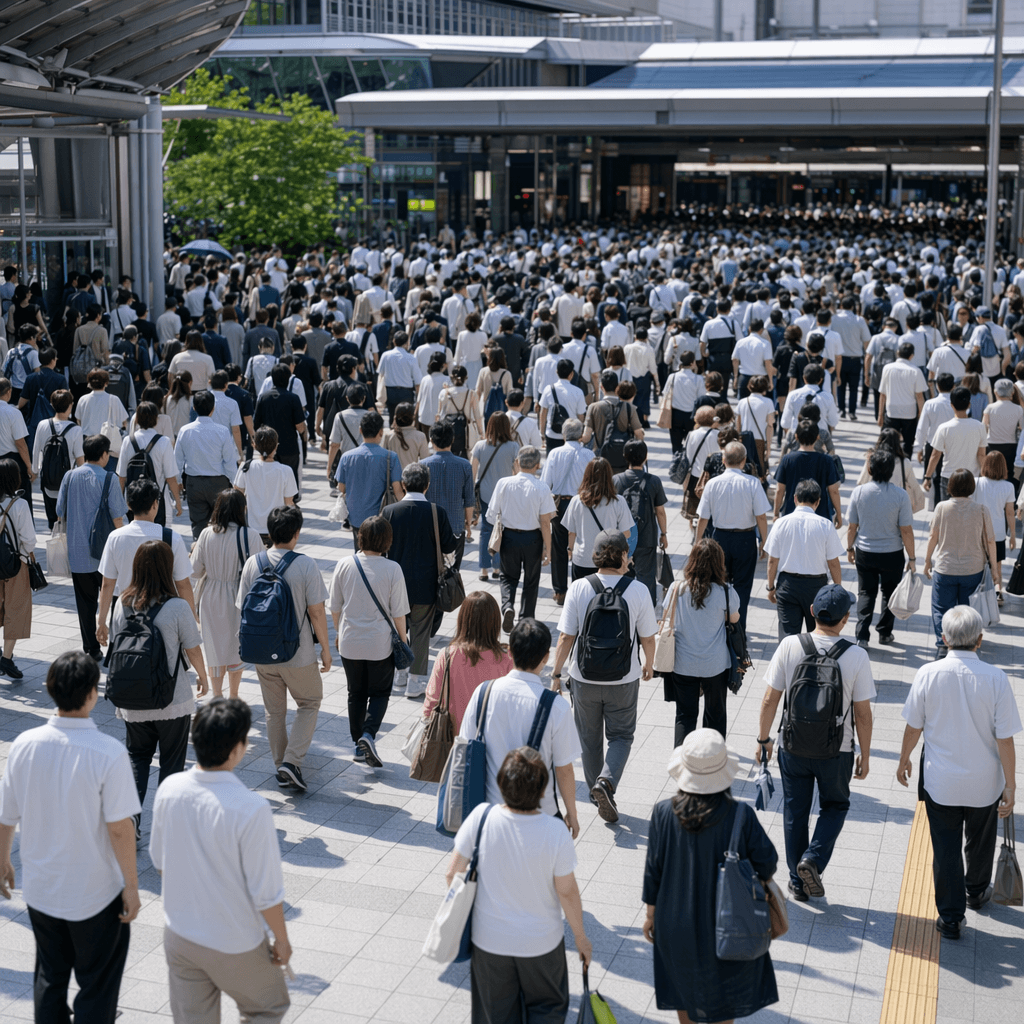
大勢
很多人
大勢
很多人
Explanation
大勢
很多人
大勢
许多人 / 众多人 / 大批人群
( Base form )
( romanization )
( hiragana )
大きい
大
大きい
大
Explanation
大きい
大
大きい
大的 / 体积或规模大的 / 重大的

Word Forms
The basic and commonly used forms of this adjective.
Basic forms
| Form | Word form | Usage |
|---|---|---|
| Imperfective form (mizenkei) | Used in forms such as karou; mainly literary. | |
| Continuative form (renyokei) |
Alternative:
大きかっ
|
Used in forms such as kute and kunai. |
| Conclusive form (shushikei) | Ends a sentence. | |
| Attributive form (rentaikei) | Modifies a noun. | |
| Conditional form (kateikei) | Expresses a condition with kereba. | |
| Imperative form (meireikei) | Rarely used in modern Japanese. |
Common forms
| Form | Word form | Usage |
|---|---|---|
| Te-form | Connects clauses with kute. | |
| Ta-form | Expresses the past with katta. | |
| Nai-form | Expresses negation with kunai. | |
| Ba-form | Expresses a condition with kereba. |
Notes
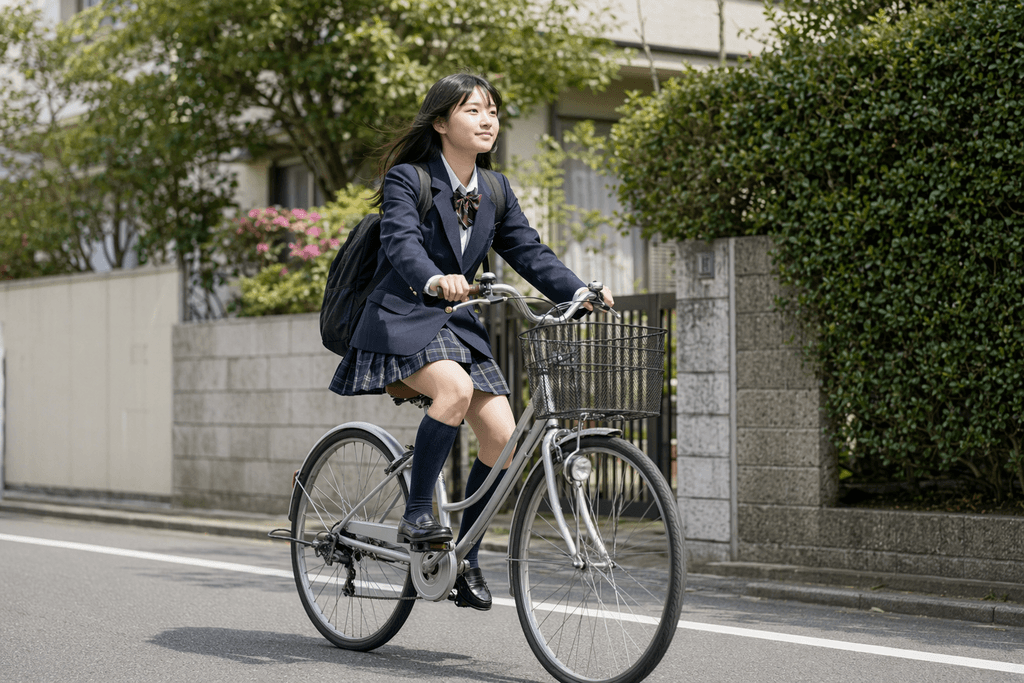
自転車
自行车
自転車
自行车
Explanation
自転車
自行车
自転車
自行车 / 脚踏驱动的两轮交通工具
( Base form )
( romanization )
( romanization )
( counter )
( kyūjitai )
( hiragana historical )
( hiragana )
うるさい
吵闹 / 烦人
うるさい
吵闹 / 烦人
Explanation
吵闹 / 烦人
うるさい
吵闹的 / 嘈杂的 / 喧闹的

Word Forms
The basic and commonly used forms of this adjective.
Basic forms
| Form | Word form | Usage |
|---|---|---|
| Imperfective form (mizenkei) | Used in forms such as karou; mainly literary. | |
| Continuative form (renyokei) |
Alternative:
うるさかっ
|
Used in forms such as kute and kunai. |
| Conclusive form (shushikei) | Ends a sentence. | |
| Attributive form (rentaikei) | Modifies a noun. | |
| Conditional form (kateikei) | Expresses a condition with kereba. | |
| Imperative form (meireikei) | Rarely used in modern Japanese. |
Common forms
| Form | Word form | Usage |
|---|---|---|
| Te-form | Connects clauses with kute. | |
| Ta-form | Expresses the past with katta. | |
| Nai-form | Expresses negation with kunai. | |
| Ba-form | Expresses a condition with kereba. |
Notes
勤める
任职
勤める
任职
Explanation
勤める
任职
勤める
就职;在(某单位)工作 / 任职;受雇于 / 担任(某职务);充当

Word Forms
The basic and commonly used forms of this verb.
Basic forms
| Form | Word form | Usage |
|---|---|---|
| Imperfective form (mizenkei) | Connects to endings such as nai, reru, and seru. | |
| Continuative form (renyokei) | Connects to endings such as masu, tai, and ta. | |
| Conclusive form (shushikei) | Ends a sentence and serves as the dictionary form. | |
| Attributive form (rentaikei) | Modifies a noun. | |
| Conditional form (kateikei) | Combines with ba to express a condition. | |
| Imperative form (meireikei) |
Alternative:
勤めよ
|
Expresses a command or instruction. |
Common forms
呼ぶ
叫 / 邀请
呼ぶ
叫 / 邀请
Explanation
呼ぶ
叫 / 邀请
呼ぶ
呼唤 / 叫来 / 邀请

Word Forms
The basic and commonly used forms of this verb.
Basic forms
| Form | Word form | Usage |
|---|---|---|
| Imperfective form (mizenkei) |
Alternative:
呼ぼ
|
Connects to endings such as nai, reru, and seru. |
| Continuative form (renyokei) | Connects to endings such as masu, tai, and ta. | |
| Conclusive form (shushikei) | Ends a sentence and serves as the dictionary form. | |
| Attributive form (rentaikei) | Modifies a noun. | |
| Conditional form (kateikei) | Combines with ba to express a condition. | |
| Imperative form (meireikei) | Expresses a command or instruction. |
Common forms
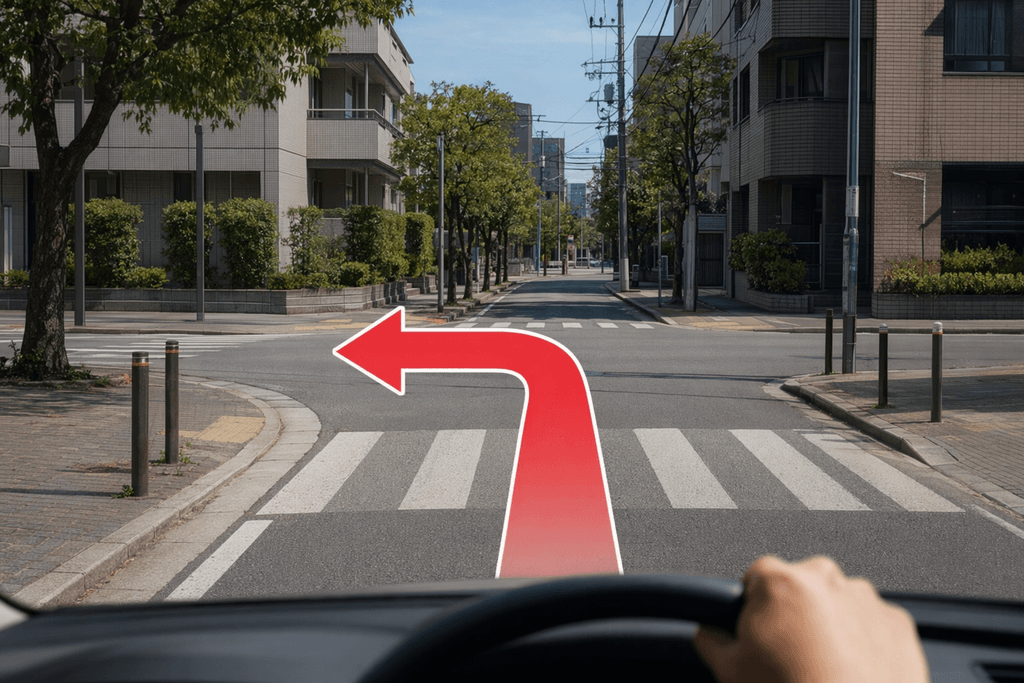
左
左边
左
左边
Explanation
左
左边
左
左边;左侧 / 政治上的左派人士
( romanization )
( hiragana )
細い
细
細い
细
Explanation
細い
细
細い
细的 / 纤细的 / 瘦的

Word Forms
The basic and commonly used forms of this adjective.
Basic forms
| Form | Word form | Usage |
|---|---|---|
| Imperfective form (mizenkei) | Used in forms such as karou; mainly literary. | |
| Continuative form (renyokei) |
Alternative:
細かっ
|
Used in forms such as kute and kunai. |
| Conclusive form (shushikei) | Ends a sentence. | |
| Attributive form (rentaikei) | Modifies a noun. | |
| Conditional form (kateikei) | Expresses a condition with kereba. | |
| Imperative form (meireikei) | Rarely used in modern Japanese. |
Common forms
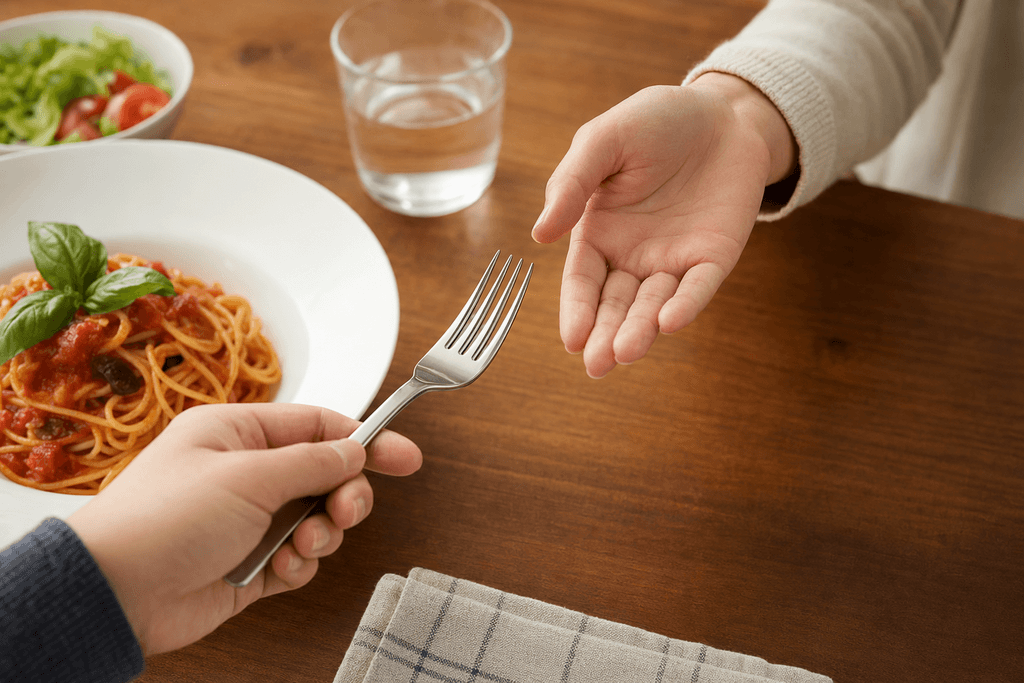
フォーク
叉子
フォーク
叉子
Explanation
叉子
フォーク
叉子(餐具) / 分叉;分支(如道路或软件项目)
( romanization )
Loading...

JLPT N5 多言語単語帳・665語 / JLPT N5 Multilingual Vocabulary: 665 Words

Jonathan Waller 氏の JLPT Resources の語彙リスト・レベル分類を出典とし、CC BY の条件に従って DiQt が初級向けに意味を作り直した665語の単語帳です。JLPT公式の語彙リストではありません。
This collection of 665 words is based on the vocabulary list and level classifications in Jonathan Waller’s JLPT Resources under CC BY, with meanings rewritten by DiQt for beginners. It is not an official JLPT vocabulary list.
Key Operations
Select the first quiz:
Ctrl + Enter
View Explanation:Ctrl + G
Close a feedback:Esc
When selecting a quiz
Answer:Enter
Select a choice:↓ or ↑
Reading out the question:Ctrl + K
View Hint: Ctrl + M
I don't know: Ctrl + Y



