
JLPT N2: Significados das palavras - Unsolved

Aprenda em português os significados de 1790 palavras do JLPT N2 com questões de quatro alternativas.
-
pedra-papel-tesoura
-
hidrogênio
-
fundamento
-
estender / ampliar
-
esfriar / desvanecer
-
dividir em seções
-
toalha de mão
-
humildade
-
automação
-
título
-
ano fiscal / ano letivo
-
trapos / defeitos ocultos
-
tigela de arroz / xícara de chá
-
aumento e diminuição
-
estatística
-
colidir
-
dissolver em líquido
-
solicitar / implorar
- 「見る」と同じ上一段活用。医療・診察の文脈で用いる。
-
número de vezes
-
primeiro / principal
-
fronteira
-
ângulo
-
veneziana contra tempestades
-
parada
-
carnê de passagens
-
lente
-
régua / critério
-
pilha seca
-
manufatura
-
equador
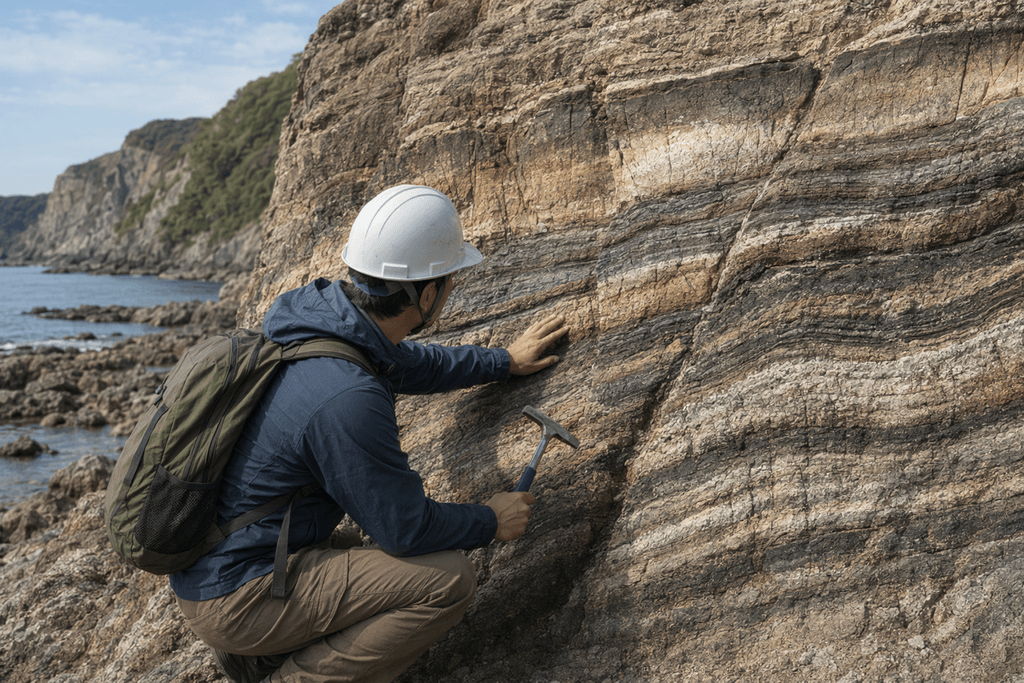
地質
características geológicas
地質
características geológicas
Explanation
地質
características geológicas
地質
características geológicas / geologia do terreno / composição do solo e do subsolo
( Base form )
( romanization )
( hiragana )
やっつける
derrotar / terminar
やっつける
derrotar / terminar
Explanation
derrotar / terminar
やっつける
espancar / derrotar / criticar duramente

Word Forms
The basic and commonly used forms of this verb.
Basic forms
| Form | Word form | Usage |
|---|---|---|
| Imperfective form (mizenkei) |
Alternative:
やっ付け
|
Connects to endings such as nai, reru, and seru. |
| Continuative form (renyokei) |
Alternative:
やっ付け
|
Connects to endings such as masu, tai, and ta. |
| Conclusive form (shushikei) |
Alternative:
やっ付ける
|
Ends a sentence and serves as the dictionary form. |
| Attributive form (rentaikei) |
Alternative:
やっ付ける
|
Modifies a noun. |
| Conditional form (kateikei) |
Alternative:
やっ付けれ
|
Combines with ba to express a condition. |
| Imperative form (meireikei) |
Alternative:
やっつけよ
やっ付けろ
やっ付けよ
|
Expresses a command or instruction. |
Common forms
| Form | Word form | Usage |
|---|---|---|
| Te-form |
Alternative:
やっ付けて
|
Connects clauses with te. |
| Ta-form |
Alternative:
やっ付けた
|
Expresses the past with ta. |
| Nai-form |
Alternative:
やっ付けない
|
Expresses negation with nai. |
| Masu-form |
Alternative:
やっ付けます
|
Used for polite speech. |
| Ba-form |
Alternative:
やっ付ければ
|
Expresses a condition with ba. |
| Volitional form |
Alternative:
やっ付けよう
|
Expresses intention or invitation. |
和服
roupa tradicional japonesa
和服
roupa tradicional japonesa
Explanation
和服
roupa tradicional japonesa
和服
roupa tradicional japonesa / quimono / vestimenta japonesa

( Base form )
( romanization )
( hiragana )
超過
excesso
超過
excesso
Explanation
超過
excesso
超過
excesso / excedente / ultrapassagem do limite

( Base form )
( romanization )
( stem )
( Past )
( table-tags )
( inflection-template )
( imperfective stem )
( imperfective stem )
( imperfective )
( continuative stem )
( continuative stem )
( continuative )
( stem terminative )
( stem terminative )
( terminative )
( attributive stem )
( attributive stem )
( attributive )
( hypothetical stem )
( hypothetical stem )
( hypothetical )
( Imperative literary stem )
( colloquial Imperative stem )
( Imperative literary stem )
( colloquial Imperative stem )
( Imperative literary )
( colloquial Imperative )
( Passive voice )
( Passive voice )
( Passive voice )
( causative )
( causative )
( causative )
( causative )
( causative )
( causative )
( potential )
( potential )
( potential )
( volitional )
( volitional )
( volitional )
( negative )
( negative )
( negative )
( continuative negative )
( continuative negative )
( continuative negative )
( formal )
( formal )
( formal )
( perfective )
( perfective )
( perfective )
( conjunctive )
( conjunctive )
( conjunctive )
( Conditional hypothetical )
( Conditional hypothetical )
( Conditional hypothetical )
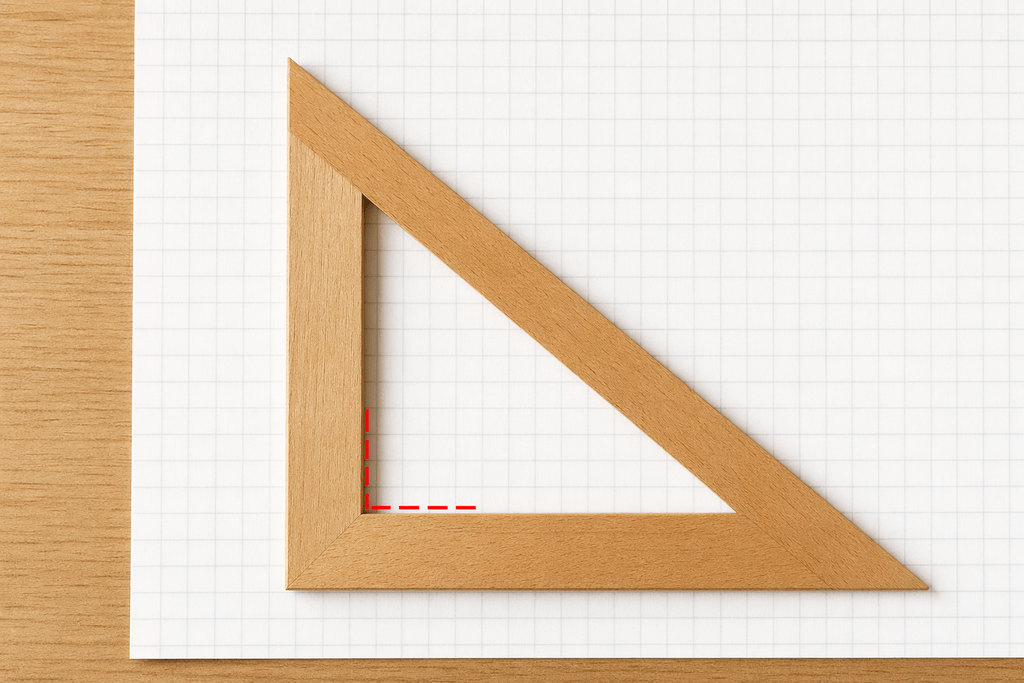
直角
ângulo reto
直角
ângulo reto
Explanation
直角
ângulo reto
直角
ângulo reto / ângulo de 90°
( Base form )
( romanization )
( hiragana )
診る
examinar clinicamente
診る
examinar clinicamente
Explanation
診る
examinar clinicamente
診る
examinar clinicamente / examinar um paciente / realizar exame médico

Word Forms
The basic and commonly used forms of this verb.
Basic forms
| Form | Word form | Usage |
|---|---|---|
| Imperfective form (mizenkei) | Connects to endings such as nai, reru, and seru. | |
| Continuative form (renyokei) | Connects to endings such as masu, tai, and ta. | |
| Conclusive form (shushikei) | Ends a sentence and serves as the dictionary form. | |
| Attributive form (rentaikei) | Modifies a noun. | |
| Conditional form (kateikei) | Combines with ba to express a condition. | |
| Imperative form (meireikei) |
Alternative:
診よ
|
Expresses a command or instruction. |
Common forms
| Form | Word form | Usage |
|---|---|---|
| Te-form | Connects clauses with te. | |
| Ta-form | Expresses the past with ta. | |
| Nai-form | Expresses negation with nai. | |
| Masu-form | Used for polite speech. | |
| Ba-form | Expresses a condition with ba. | |
| Volitional form | Expresses intention or invitation. |
Notes
皮肉
sarcasmo / ironia
皮肉
sarcasmo / ironia
Explanation
皮肉
sarcasmo / ironia
皮肉
ironia / sarcasmo / comentário mordaz

( Base form )
( romanization )
( adnominal )
( adverbial )
( hiragana )
( table-tags )
( inflection-template )
( imperfective stem )
( imperfective stem )
( imperfective )
( continuative stem )
( continuative stem )
( continuative )
( stem terminative )
( stem terminative )
( terminative )
( attributive stem )
( attributive stem )
( attributive )
( hypothetical stem )
( hypothetical stem )
( hypothetical )
( Imperative stem )
( Imperative stem )
( Imperative )
( informal negative )
( informal negative )
( informal negative )
( informal negative )
( informal negative )
( informal negative )
( informal Past )
( informal Past )
( informal Past )
( informal negative Past )
( informal negative Past )
( informal negative Past )
( informal negative Past )
( informal negative Past )
( informal negative Past )
( formal )
( formal )
( formal )
( formal negative )
( formal negative )
( formal negative )
( formal negative )
( formal negative )
( formal negative )
( formal Past )
( formal Past )
( formal Past )
( formal negative Past )
( formal negative Past )
( formal negative Past )
( formal negative Past )
( formal negative Past )
( formal negative Past )
( conjunctive )
( conjunctive )
( conjunctive )
( Conditional )
( Conditional )
( Conditional )
( Conditional Past )
( Conditional Past )
( Conditional Past )
( volitional )
( volitional )
( volitional )
( adverbial )
( adverbial )
( adverbial )
( noun-from-adj )
( noun-from-adj )
( noun-from-adj )
手頃
razoável / prático
手頃
razoável / prático
Explanation
手頃
razoável / prático
手頃
de preço acessível / conveniente / de tamanho adequado

( Base form )
( romanization )
( hiragana )
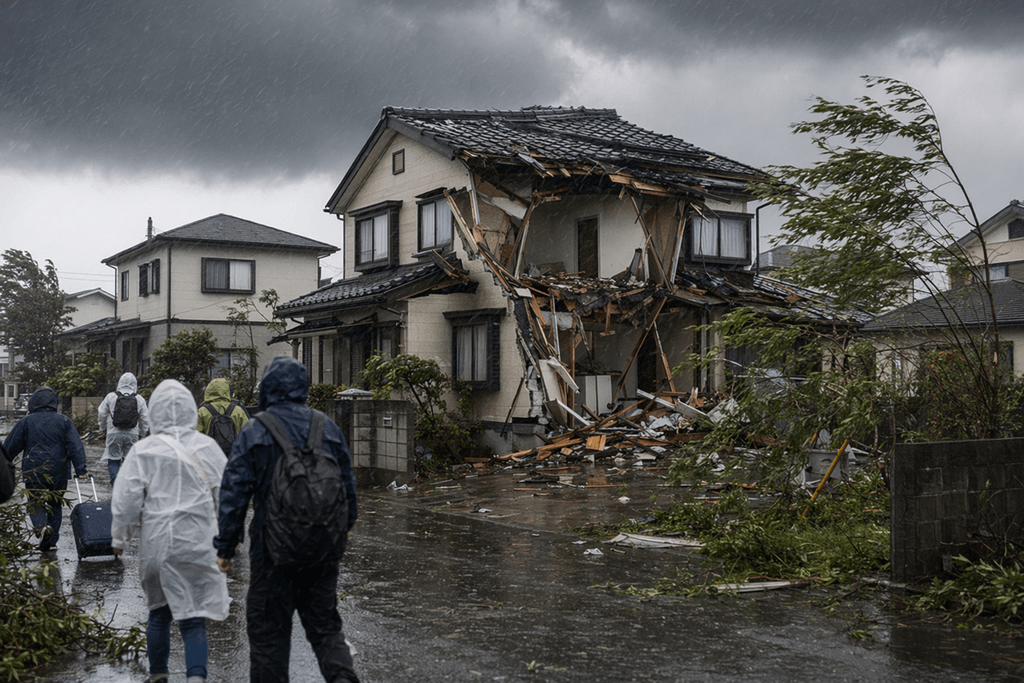
家屋
edificação residencial
家屋
edificação residencial
Explanation
家屋
edificação residencial
家屋
casa / moradia / residência
( romanization )
( hiragana )
待合室
sala de espera
待合室
sala de espera
Explanation
待合室
sala de espera
待合室
sala de espera / área de espera

( Base form )
( romanization )
( romanization )
( hiragana historical )
( hiragana )
Loading...

JLPT N2 多言語単語帳・1790語 / JLPT N2 Multilingual Vocabulary: 1790 Words

Jonathan Waller 氏の JLPT Resources の語彙リスト・レベル分類を出典とし、CC BY の条件に従って DiQt が学習者向けに意味を作り直した1790語の単語帳です。JLPT公式の語彙リストではありません。
This collection of 1790 words is based on the vocabulary list and level classifications in Jonathan Waller’s JLPT Resources under CC BY, with meanings rewritten by DiQt for learners. It is not an official JLPT vocabulary list.
Key Operations
Select the first quiz:
Ctrl + Enter
View Explanation:Ctrl + G
Close a feedback:Esc
When selecting a quiz
Answer:Enter
Select a choice:↓ or ↑
Reading out the question:Ctrl + K
View Hint: Ctrl + M
I don't know: Ctrl + Y



