
JLPT N1 词义四选一 - Unsolved

通过四选一题目,用简体中文学习JLPT N1的3032个单词含义。
-
坏人
-
香辛料
-
知识分子
-
幽灵
-
车库
-
眉毛
-
农耕
-
雨天
-
空间
-
清新的
-
有趣 / 逗乐
-
阴沉 / 烦人
-
破坏 / 洗劫
-
患病
-
发生争执
-
美
-
膨胀
-
导游
-
忍耐
-
赠送
-
抗议
-
军事
-
获奖
-
文件
-
著名的
-
不成熟的 / 不熟练的
-
娴熟的 / 巧妙的
- 「気楽」はナ形容詞(形容動詞)として用いられます。
- 連用形「気楽に」は副詞的用法です。
-
费事
-
统率
-
根本
あべこべ
颠倒
あべこべ
颠倒
Explanation
颠倒
あべこべ
相反 / 颠倒 / 倒置

( romanization )
網
网 / 网络
網
网 / 网络
Explanation
網
网 / 网络
網
用绳线编结成的捕捉、捕鱼等器具 / 网状织物或结构

( romanization )
( hiragana )
入手
取得
入手
取得
Explanation
入手
取得
入手
获得 / 取得 / 到手

( Base form )
( romanization )
( hiragana )
煩わしい
烦人的
煩わしい
烦人的
Explanation
煩わしい
烦人的
煩わしい
麻烦的 / 烦人的 / 繁琐的

Word Forms
The basic and commonly used forms of this adjective.
Basic forms
| Form | Word form | Usage |
|---|---|---|
| Imperfective form (mizenkei) | Used in forms such as karou; mainly literary. | |
| Continuative form (renyokei) |
Alternative:
煩わしかっ
|
Used in forms such as kute and kunai. |
| Conclusive form (shushikei) | Ends a sentence. | |
| Attributive form (rentaikei) | Modifies a noun. | |
| Conditional form (kateikei) | Expresses a condition with kereba. | |
| Imperative form (meireikei) | Rarely used in modern Japanese. |
Common forms
慣らす
使习惯
慣らす
使习惯
Explanation
慣らす
使习惯
慣らす
使习惯 / 使适应 / 使熟悉

Word Forms
The basic and commonly used forms of this verb.
Basic forms
| Form | Word form | Usage |
|---|---|---|
| Imperfective form (mizenkei) | Connects to endings such as nai, reru, and seru. | |
| Continuative form (renyokei) | Connects to endings such as masu, tai, and ta. | |
| Conclusive form (shushikei) | Ends a sentence and serves as the dictionary form. | |
| Attributive form (rentaikei) | Modifies a noun. | |
| Conditional form (kateikei) | Combines with ba to express a condition. | |
| Imperative form (meireikei) | Expresses a command or instruction. |
Common forms
人情
人情
人情
人情
Explanation
人情
人情
人情
人性的温情;人情味 / 同情心;怜悯 / 共情;体恤

( Base form )
( romanization )
( hiragana )
聞き取り
听力理解
聞き取り
听力理解
Explanation
聞き取り
听力理解
聞き取り
听力理解 / 听力理解能力 / 听辨能力

( Base form )
( romanization )
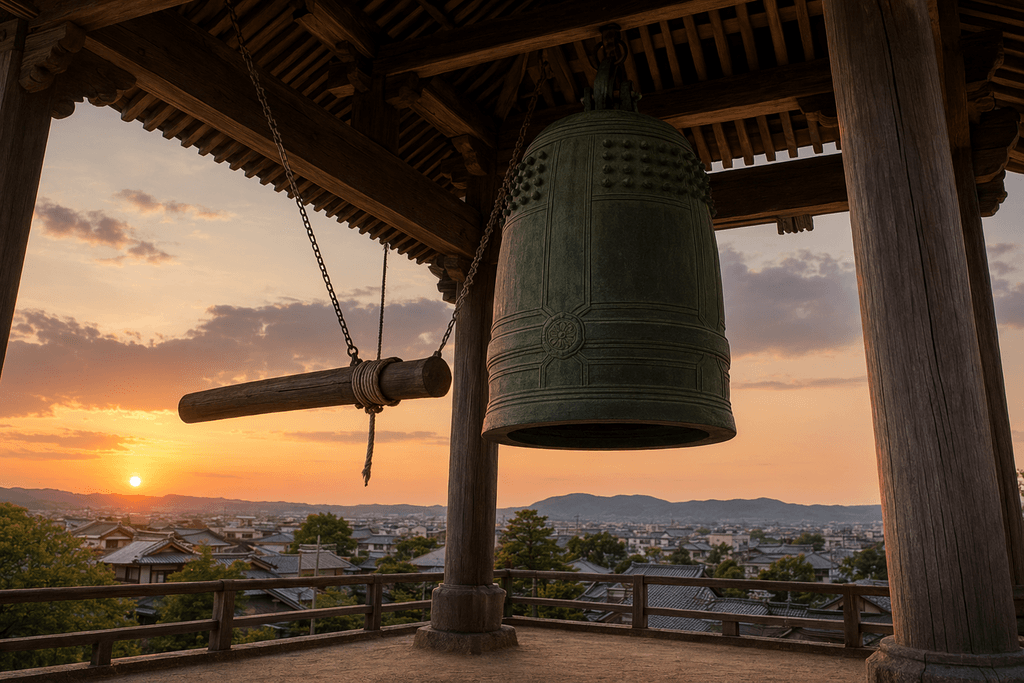
釣鐘
吊钟
釣鐘
吊钟
Explanation
釣鐘
吊钟
釣鐘
吊钟 / 悬挂的钟 / 寺院悬挂的大钟
気楽
无忧无虑
気楽
无忧无虑
Explanation
気楽
无忧无虑
気楽
轻松自在 / 悠闲随性 / 无忧无虑

Word Forms
The basic and commonly used forms of this adjectival noun.
Basic forms
| Form | Word form | Usage |
|---|---|---|
| Imperfective form (mizenkei) | Used in forms such as darou. | |
| Continuative form (renyokei) |
Alternative:
気楽に
気楽だっ
|
Used with de or ni. |
| Conclusive form (shushikei) | Ends a sentence with da. | |
| Attributive form (rentaikei) | Modifies a noun with na. | |
| Conditional form (kateikei) |
Alternative:
気楽であれば
|
Expresses a condition with nara. |
| Imperative form (meireikei) | Used in formal expressions such as de are. |
Common forms
| Form | Word form | Usage |
|---|---|---|
| Te-form equivalent | Connects clauses using de. | |
| Ta-form | Expresses the past with datta. | |
| Nai-form |
Alternative:
気楽じゃない
|
Expresses negation with dewa nai or ja nai. |
| Desu-form | Used for polite speech. |
Notes
記載
记载
記載
记载
Explanation
記載
记载
記載
文字上的记述、说明 / 文书中载明的内容或条目 / 对某事的提及、注明

( Base form )
( romanization )
( hiragana )
Loading...

JLPT N1 多言語単語帳・3032語 / JLPT N1 Multilingual Vocabulary: 3032 Words

Jonathan Waller 氏の JLPT Resources の語彙リスト・レベル分類を出典とし、CC BY の条件に従って DiQt が学習者向けに意味を作り直した3032語の単語帳です。JLPT公式の語彙リストではありません。
This collection of 3032 words is based on the vocabulary list and level classifications in Jonathan Waller’s JLPT Resources under CC BY, with meanings rewritten by DiQt for learners. It is not an official JLPT vocabulary list.
Key Operations
Select the first quiz:
Ctrl + Enter
View Explanation:Ctrl + G
Close a feedback:Esc
When selecting a quiz
Answer:Enter
Select a choice:↓ or ↑
Reading out the question:Ctrl + K
View Hint: Ctrl + M
I don't know: Ctrl + Y



