
JLPT N1 词义四选一 - Unsolved

通过四选一题目,用简体中文学习JLPT N1的3032个单词含义。
-
制约
-
瓦特
-
帷幕
-
专心致志
-
送来
-
消亡
-
扔出 / 抛弃
-
进货
-
干瘪
-
暂且
-
并不那么
-
堂皇地 / 坦然地
-
同感
-
奇数
-
剪刀
-
取名
-
涌来
-
办完 / 结清
-
世代相传 / 传入
-
畅销书
-
赔偿
-
微温的 / 不彻底的
-
迅捷的
-
困倦的
-
舆论争议
-
请求
-
定义
-
厅
-
公司
-
开本
休戦
停战
休戦
停战
Explanation
休戦
停战
休戦
停战 / 休战 / 停战协定

( Base form )
( romanization )
( kyūjitai )
( hiragana )
染まる
染上颜色
染まる
染上颜色
Explanation
染まる
染上颜色
染まる
被染色 / 被染污;被弄脏 / 受影响;沾染

Word Forms
The basic and commonly used forms of this verb.
Basic forms
| Form | Word form | Usage |
|---|---|---|
| Imperfective form (mizenkei) |
Alternative:
染まろ
|
Connects to endings such as nai, reru, and seru. |
| Continuative form (renyokei) | Connects to endings such as masu, tai, and ta. | |
| Conclusive form (shushikei) | Ends a sentence and serves as the dictionary form. | |
| Attributive form (rentaikei) | Modifies a noun. | |
| Conditional form (kateikei) | Combines with ba to express a condition. | |
| Imperative form (meireikei) | Expresses a command or instruction. |
Common forms
整える
整理
整える
整理
Explanation
整える
整理
整える
整理 / 组织 / 准备

Word Forms
The basic and commonly used forms of this verb.
Basic forms
| Form | Word form | Usage |
|---|---|---|
| Imperfective form (mizenkei) | Connects to endings such as nai, reru, and seru. | |
| Continuative form (renyokei) | Connects to endings such as masu, tai, and ta. | |
| Conclusive form (shushikei) | Ends a sentence and serves as the dictionary form. | |
| Attributive form (rentaikei) | Modifies a noun. | |
| Conditional form (kateikei) | Combines with ba to express a condition. | |
| Imperative form (meireikei) |
Alternative:
整えよ
|
Expresses a command or instruction. |
Common forms
甚だ
非常
甚だ
非常
Explanation
甚だ
非常
甚だ
非常 / 极其 / 过分地

( Base form )
( romanization )
同級
同班
同級
同班
Explanation
同級
同班
同級
同年级 / 同班 / 同一级别
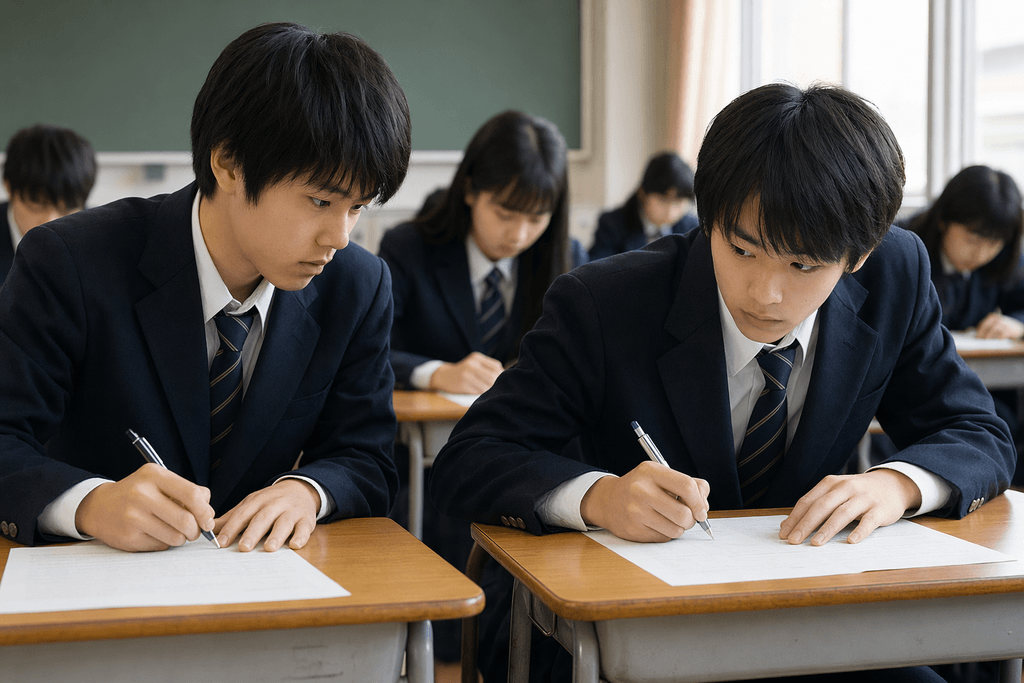
揺らぐ
摇晃 / 动摇
揺らぐ
摇晃 / 动摇
Explanation
揺らぐ
摇晃 / 动摇
揺らぐ
摇摆;摇晃 / 颤动 / 动摇(信心、立场等)

Word Forms
The basic and commonly used forms of this verb.
Basic forms
| Form | Word form | Usage |
|---|---|---|
| Imperfective form (mizenkei) |
Alternative:
揺らご
|
Connects to endings such as nai, reru, and seru. |
| Continuative form (renyokei) |
Alternative:
揺らい
|
Connects to endings such as masu, tai, and ta. |
| Conclusive form (shushikei) | Ends a sentence and serves as the dictionary form. | |
| Attributive form (rentaikei) | Modifies a noun. | |
| Conditional form (kateikei) | Combines with ba to express a condition. | |
| Imperative form (meireikei) | Expresses a command or instruction. |
Common forms
介入
介入
介入
介入
Explanation
介入
介入
介入
干预 / 干涉 / 介入行为

( Base form )
( romanization )
( romanization )
( hiragana historical )
( hiragana )
逞しい
强健的
逞しい
强健的
Explanation
逞しい
强健的
逞しい
强壮的 / 魁梧的 / 顽强的

Word Forms
The basic and commonly used forms of this adjective.
Basic forms
| Form | Word form | Usage |
|---|---|---|
| Imperfective form (mizenkei) | Used in forms such as karou; mainly literary. | |
| Continuative form (renyokei) |
Alternative:
逞しかっ
|
Used in forms such as kute and kunai. |
| Conclusive form (shushikei) | Ends a sentence. | |
| Attributive form (rentaikei) | Modifies a noun. | |
| Conditional form (kateikei) | Expresses a condition with kereba. | |
| Imperative form (meireikei) | Rarely used in modern Japanese. |
Common forms
前例
先例
前例
先例
Explanation
前例
先例
前例
先例 / 以往的例子 / 可作为依据的过往案例

( Base form )
( romanization )
( hiragana )
症
病症
症
病症
Explanation
症
病症
症
用于医学病名的后缀 / 表示某种疾病或病态

( romanization )
( hiragana )
Loading...

JLPT N1 多言語単語帳・3032語 / JLPT N1 Multilingual Vocabulary: 3032 Words

Jonathan Waller 氏の JLPT Resources の語彙リスト・レベル分類を出典とし、CC BY の条件に従って DiQt が学習者向けに意味を作り直した3032語の単語帳です。JLPT公式の語彙リストではありません。
This collection of 3032 words is based on the vocabulary list and level classifications in Jonathan Waller’s JLPT Resources under CC BY, with meanings rewritten by DiQt for learners. It is not an official JLPT vocabulary list.
Key Operations
Select the first quiz:
Ctrl + Enter
View Explanation:Ctrl + G
Close a feedback:Esc
When selecting a quiz
Answer:Enter
Select a choice:↓ or ↑
Reading out the question:Ctrl + K
View Hint: Ctrl + M
I don't know: Ctrl + Y



