
JLPT N1 词义四选一 - Unsolved

通过四选一题目,用简体中文学习JLPT N1的3032个单词含义。
-
基于 / 符合
-
设下圈套 / 发起
-
安放
- 「漏らす/洩らす」とも書く五段活用サ行動詞。
-
补给
-
最佳
-
愤怒
-
词汇
-
进军 / 进入
-
帮助
-
井然有序的
-
迟钝的
-
宽容
- 「黄色」は名詞としても用いられるが、ここでは形容動詞(ナ形容詞)的用法として扱う。
- 連体形は「黄色な」も可能だが、実用上は「黄色の」がよく使われる。
-
助词
-
寡言
-
扣除
-
稳妥 / 过得去
-
沉淀
-
睡衣
-
降低 / 撤回
-
隔开 / 主持
-
耗尽
-
化学纤维
-
控制
-
眺望 / 展望
-
询问
-
腐朽
-
编入
-
工程师
-
万能 / 全能
-
山腰
もらす
泄露 / 遗漏
もらす
泄露 / 遗漏
Explanation
泄露 / 遗漏
もらす
泄露;透露 / 漏掉;遗漏

Word Forms
The basic and commonly used forms of this verb.
Basic forms
| Form | Word form | Usage |
|---|---|---|
| Imperfective form (mizenkei) |
Alternative:
もらそ
|
Connects to endings such as nai, reru, and seru. |
| Continuative form (renyokei) | Connects to endings such as masu, tai, and ta. | |
| Conclusive form (shushikei) | Ends a sentence and serves as the dictionary form. | |
| Attributive form (rentaikei) | Modifies a noun. | |
| Conditional form (kateikei) | Combines with ba to express a condition. | |
| Imperative form (meireikei) | Expresses a command or instruction. |
Common forms
| Form | Word form | Usage |
|---|---|---|
| Te-form | Connects clauses with te. | |
| Ta-form | Expresses the past with ta. | |
| Nai-form | Expresses negation with nai. | |
| Masu-form | Used for polite speech. | |
| Ba-form | Expresses a condition with ba. | |
| Volitional form | Expresses intention or invitation. |
Notes
神殿
神殿
神殿
神殿
Explanation
神殿
神殿
神殿
供奉神祇的殿堂或建筑 / 宗教中的圣地 / 祭祀神明的庙宇

( Base form )
( romanization )
( hiragana )
ふりだし
起点 / 开立汇票
ふりだし
起点 / 开立汇票
Explanation
起点 / 开立汇票
ふりだし
(双六游戏的)起始格 / 起点 / 出发点

( romanization )
( romanization )
( hiragana historical )
黄色
黄色
黄色
黄色
Explanation
黄色
黄色
黄色
黄色的 / 呈黄色的

Word Forms
The basic and commonly used forms of this adjectival noun.
Basic forms
| Form | Word form | Usage |
|---|---|---|
| Imperfective form (mizenkei) |
Alternative:
黄色でしょ
|
Used in forms such as darou. |
| Continuative form (renyokei) |
Alternative:
黄色に
|
Used with de or ni. |
| Conclusive form (shushikei) |
Alternative:
黄色です
|
Ends a sentence with da. |
| Attributive form (rentaikei) |
Alternative:
黄色の
|
Modifies a noun with na. |
| Conditional form (kateikei) |
Alternative:
黄色であれば
|
Expresses a condition with nara. |
| Imperative form (meireikei) | Used in formal expressions such as de are. |
Common forms
| Form | Word form | Usage |
|---|---|---|
| Te-form equivalent | Connects clauses using de. | |
| Ta-form |
Alternative:
黄色でした
|
Expresses the past with datta. |
| Nai-form |
Alternative:
黄色じゃない
黄色でない
|
Expresses negation with dewa nai or ja nai. |
| Desu-form | Used for polite speech. |
Notes
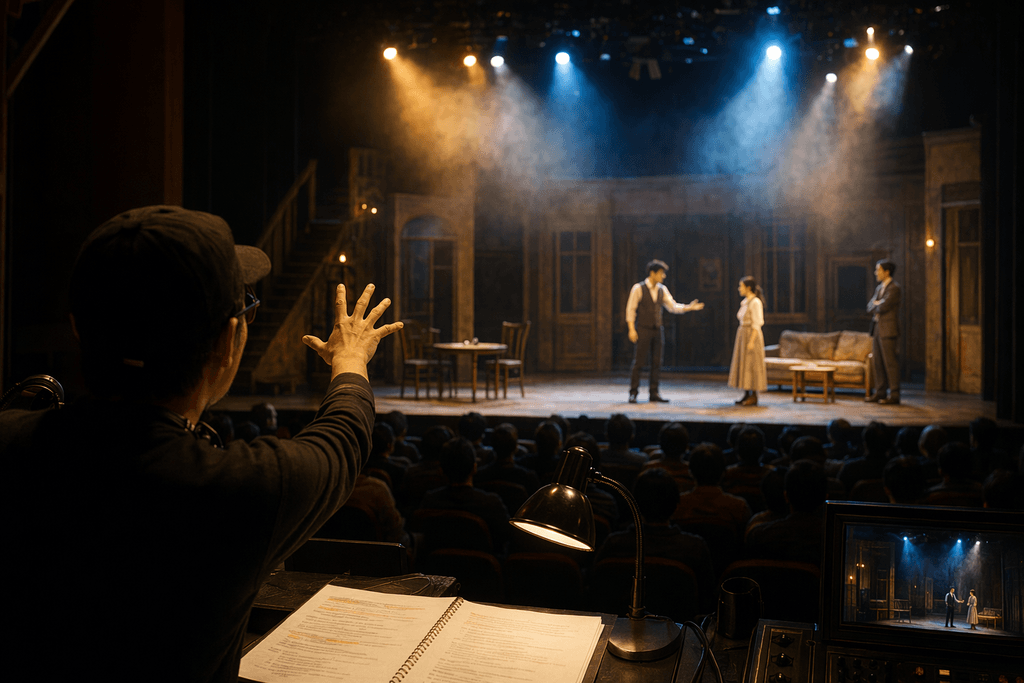
演出
导演
演出
导演
Explanation
演出
导演
演出
导演 / 编排与调度 / 舞台效果设计
( Base form )
( romanization )
( hiragana )
汽船
轮船
汽船
轮船
Explanation
汽船
轮船
汽船
以蒸汽机为动力的船只 / 用蒸汽推进的轮船

( Base form )
( romanization )
( hiragana )
成り立つ
构成 / 成立
成り立つ
构成 / 成立
Explanation
成り立つ
构成 / 成立
成り立つ
由…构成;由…组成 / 达成;成立 / 可建造;可构建

Word Forms
The basic and commonly used forms of this verb.
Basic forms
| Form | Word form | Usage |
|---|---|---|
| Imperfective form (mizenkei) |
Alternative:
成り立と
|
Connects to endings such as nai, reru, and seru. |
| Continuative form (renyokei) |
Alternative:
成り立っ
|
Connects to endings such as masu, tai, and ta. |
| Conclusive form (shushikei) | Ends a sentence and serves as the dictionary form. | |
| Attributive form (rentaikei) | Modifies a noun. | |
| Conditional form (kateikei) | Combines with ba to express a condition. | |
| Imperative form (meireikei) | Expresses a command or instruction. |
Common forms
転換
转换
転換
转换
Explanation
転換
转换
転換
转变 / 转换 / 变更

( Base form )
( romanization )
( romanization )
( kyūjitai )
( hiragana historical )
( hiragana )
押し込む
塞进
押し込む
塞进
Explanation
押し込む
塞进
押し込む
推入 / 塞进 / 硬塞入

Word Forms
The basic and commonly used forms of this verb.
Basic forms
| Form | Word form | Usage |
|---|---|---|
| Imperfective form (mizenkei) |
Alternative:
押し込も
|
Connects to endings such as nai, reru, and seru. |
| Continuative form (renyokei) | Connects to endings such as masu, tai, and ta. | |
| Conclusive form (shushikei) | Ends a sentence and serves as the dictionary form. | |
| Attributive form (rentaikei) | Modifies a noun. | |
| Conditional form (kateikei) | Combines with ba to express a condition. | |
| Imperative form (meireikei) | Expresses a command or instruction. |
Common forms
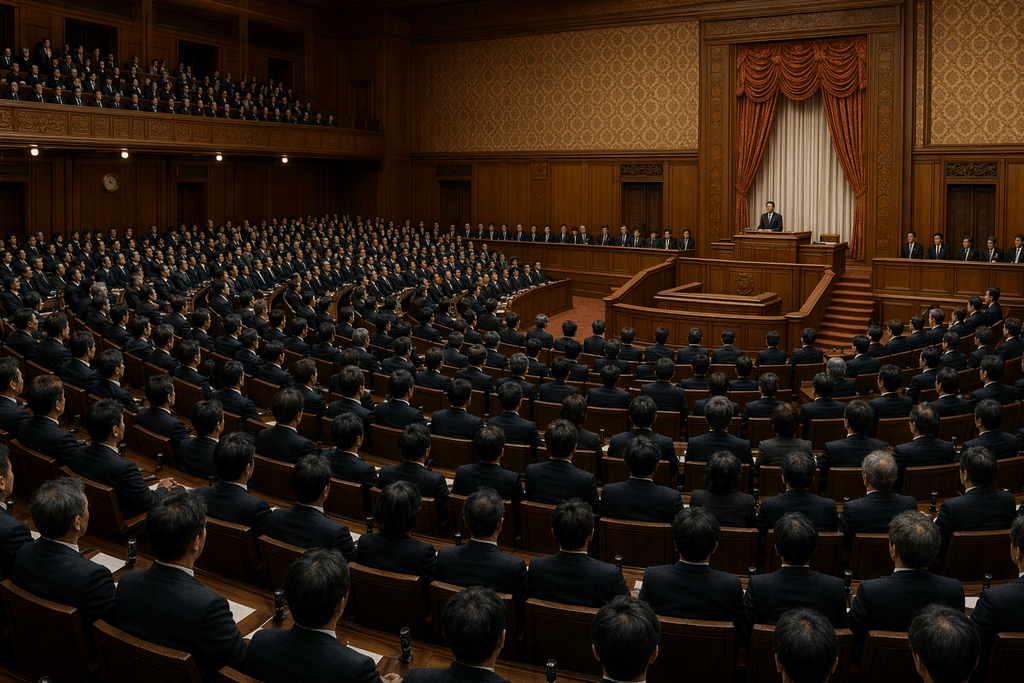
満場
全场观众
満場
全场观众
Explanation
満場
全场观众
満場
全场观众 / 全体在场者 / 全场人群
( Base form )
( romanization )
( romanization )
( kyūjitai )
( hiragana historical )
( hiragana )
Loading...

JLPT N1 多言語単語帳・3032語 / JLPT N1 Multilingual Vocabulary: 3032 Words

Jonathan Waller 氏の JLPT Resources の語彙リスト・レベル分類を出典とし、CC BY の条件に従って DiQt が学習者向けに意味を作り直した3032語の単語帳です。JLPT公式の語彙リストではありません。
This collection of 3032 words is based on the vocabulary list and level classifications in Jonathan Waller’s JLPT Resources under CC BY, with meanings rewritten by DiQt for learners. It is not an official JLPT vocabulary list.
Key Operations
Select the first quiz:
Ctrl + Enter
View Explanation:Ctrl + G
Close a feedback:Esc
When selecting a quiz
Answer:Enter
Select a choice:↓ or ↑
Reading out the question:Ctrl + K
View Hint: Ctrl + M
I don't know: Ctrl + Y



