
JLPT N1 词义四选一 - Unsolved

通过四选一题目,用简体中文学习JLPT N1的3032个单词含义。
-
对讲机
-
杀人
-
林业
-
制定
-
假装
-
首班列车
-
富于同情心的
-
强健的
-
迅捷的
- 「厭らしい」は「嫌らしい」「いやらしい」とも表記されます。
- 基本活用の命令形「厭らしかれ」は現代語ではまれです。
-
海滩
-
塔
-
上升 / 特写
-
预言
-
习俗
-
禁忌
-
简便
-
融洽的
-
迟钝的
-
呼喊 / 尖叫
-
僧人
-
记名
-
才智
-
折射 / 弯曲
-
利润
-
密切联系
-
妨碍
-
独奏
-
证明
-
统制
-
套餐
未練
留恋
未練
留恋
Explanation
未練
留恋
未練
恋恋不舍 / 留恋 / 舍不得

( Base form )
( romanization )
( hiragana )
フロント
前台 / 前面
フロント
前台 / 前面
Explanation
前台 / 前面
フロント
前台(酒店等的接待处) / 正面;前部

( romanization )
厭らしい
令人讨厌 / 猥亵
厭らしい
令人讨厌 / 猥亵
Explanation
厭らしい
令人讨厌 / 猥亵
厭らしい
令人厌恶的 / 粗俗的 / 猥亵的

Word Forms
The basic and commonly used forms of this adjective.
Basic forms
| Form | Word form | Usage |
|---|---|---|
| Imperfective form (mizenkei) |
Alternative:
厭やらしかろ
嫌らしかろ
いやらしかろ
|
Used in forms such as karou; mainly literary. |
| Continuative form (renyokei) |
Alternative:
厭らしかっ
厭やらしく
厭やらしかっ
嫌らしく
嫌らしかっ
いやらしく
いやらしかっ
|
Used in forms such as kute and kunai. |
| Conclusive form (shushikei) |
Alternative:
厭やらしい
嫌らしい
いやらしい
|
Ends a sentence. |
| Attributive form (rentaikei) |
Alternative:
厭やらしい
嫌らしい
いやらしい
|
Modifies a noun. |
| Conditional form (kateikei) |
Alternative:
厭やらしけれ
嫌らしけれ
いやらしけれ
|
Expresses a condition with kereba. |
| Imperative form (meireikei) |
Alternative:
厭やらしかれ
嫌らしかれ
いやらしかれ
|
Rarely used in modern Japanese. |
Common forms
| Form | Word form | Usage |
|---|---|---|
| Te-form |
Alternative:
厭やらしくて
嫌らしくて
いやらしくて
|
Connects clauses with kute. |
| Ta-form |
Alternative:
厭やらしかった
嫌らしかった
いやらしかった
|
Expresses the past with katta. |
| Nai-form |
Alternative:
厭やらしくない
嫌らしくない
いやらしくない
|
Expresses negation with kunai. |
| Ba-form |
Alternative:
厭やらしければ
嫌らしければ
いやらしければ
|
Expresses a condition with kereba. |
Notes
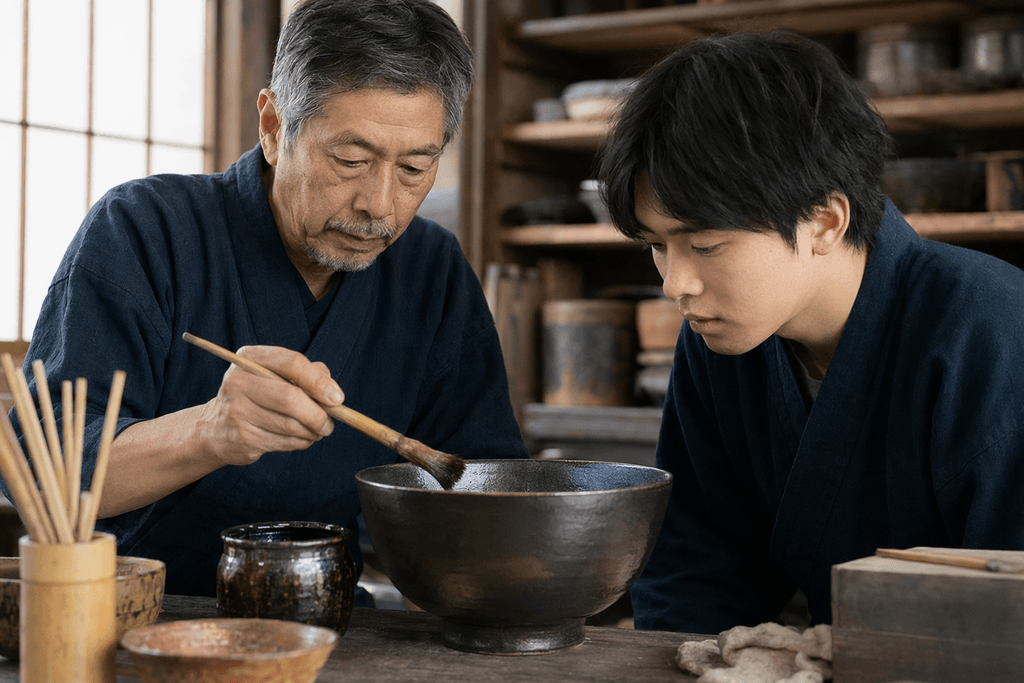
跡継ぎ
继承人 / 接班人
跡継ぎ
继承人 / 接班人
Explanation
跡継ぎ
继承人 / 接班人
跡継ぎ
继承人 / 接班人 / 家业继承者
( romanization )
必修
必修课
必修
必修课
Explanation
必修
必修课
必修
必修课 / 必须学习的课程

( Base form )
( romanization )
( hiragana )
鮮やか
鲜艳 / 出色
鮮やか
鲜艳 / 出色
Explanation
鮮やか
鲜艳 / 出色
鮮やか
色彩鲜艳的 / 生动的 / 娴熟的

Word Forms
The basic and commonly used forms of this adjectival noun.
Basic forms
| Form | Word form | Usage |
|---|---|---|
| Imperfective form (mizenkei) |
Alternative:
鮮やかでしょ
|
Used in forms such as darou. |
| Continuative form (renyokei) |
Alternative:
鮮やかに
鮮やかだっ
|
Used with de or ni. |
| Conclusive form (shushikei) | Ends a sentence with da. | |
| Attributive form (rentaikei) |
Alternative:
鮮やかである
|
Modifies a noun with na. |
| Conditional form (kateikei) |
Alternative:
鮮やかであれば
|
Expresses a condition with nara. |
| Imperative form (meireikei) | Used in formal expressions such as de are. |
Common forms
ジャンル
类型
ジャンル
类型
Explanation
类型
ジャンル
类型 / 体裁 / 类别

( romanization )
妊娠
怀孕
妊娠
怀孕
Explanation
妊娠
怀孕
妊娠
怀孕 / 受孕 / (俚语,贬,电子游戏圈)任天堂死忠粉

( Base form )
( romanization )
( hiragana )
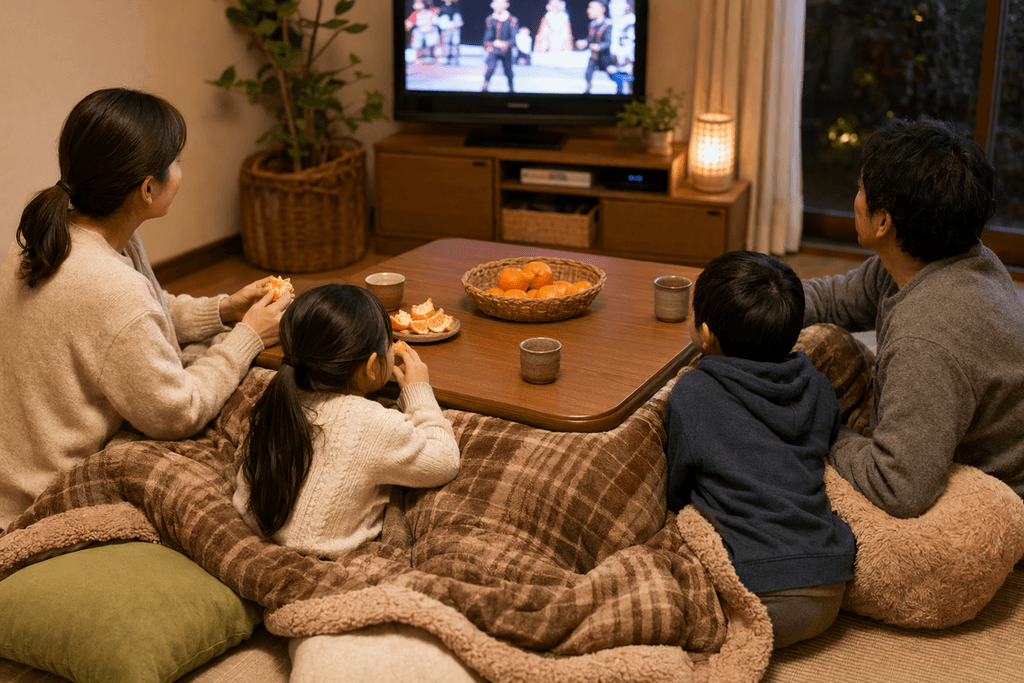
こたつ
被炉
こたつ
被炉
Explanation
被炉
こたつ
日式被炉,带加热器并覆有被褥的取暖桌 / 传统地炉中的炭火取暖装置
( Base form )
( Base form )
( romanization )
動向
动向
動向
动向
Explanation
動向
动向
動向
发展趋势 / 走向 / 动态

( Base form )
( romanization )
( hiragana )
Loading...

JLPT N1 多言語単語帳・3032語 / JLPT N1 Multilingual Vocabulary: 3032 Words

Jonathan Waller 氏の JLPT Resources の語彙リスト・レベル分類を出典とし、CC BY の条件に従って DiQt が学習者向けに意味を作り直した3032語の単語帳です。JLPT公式の語彙リストではありません。
This collection of 3032 words is based on the vocabulary list and level classifications in Jonathan Waller’s JLPT Resources under CC BY, with meanings rewritten by DiQt for learners. It is not an official JLPT vocabulary list.
Key Operations
Select the first quiz:
Ctrl + Enter
View Explanation:Ctrl + G
Close a feedback:Esc
When selecting a quiz
Answer:Enter
Select a choice:↓ or ↑
Reading out the question:Ctrl + K
View Hint: Ctrl + M
I don't know: Ctrl + Y



