
JLPT N1 词义四选一 - Unsolved

通过四选一题目,用简体中文学习JLPT N1的3032个单词含义。
-
舒畅的
-
复杂的
-
匮乏的
-
你
-
我
-
那边 / 那位
-
低位
-
尾巴
-
年长
-
尽可能
-
拖着 / 拖拖拉拉地
-
烦躁地
-
风味 / 韵味
-
青春
-
怜悯
-
旋律
-
抹布
-
学士学位
-
专利
-
片刻
-
对抗 / 竞争
-
年级学生
-
略少于
-
制 / 制造
-
宅院
-
六十大寿
-
路径
-
体恤
-
遮挡 / 打断
-
受潮
好ましい
可取的
好ましい
可取的
Explanation
好ましい
可取的
好ましい
讨人喜欢的;令人满意的 / 可取的;理想的 / (古)好色的;淫荡的

Word Forms
The basic and commonly used forms of this adjective.
Basic forms
| Form | Word form | Usage |
|---|---|---|
| Imperfective form (mizenkei) | Used in forms such as karou; mainly literary. | |
| Continuative form (renyokei) |
Alternative:
好ましかっ
|
Used in forms such as kute and kunai. |
| Conclusive form (shushikei) | Ends a sentence. | |
| Attributive form (rentaikei) | Modifies a noun. | |
| Conditional form (kateikei) | Expresses a condition with kereba. | |
| Imperative form (meireikei) | Rarely used in modern Japanese. |
Common forms
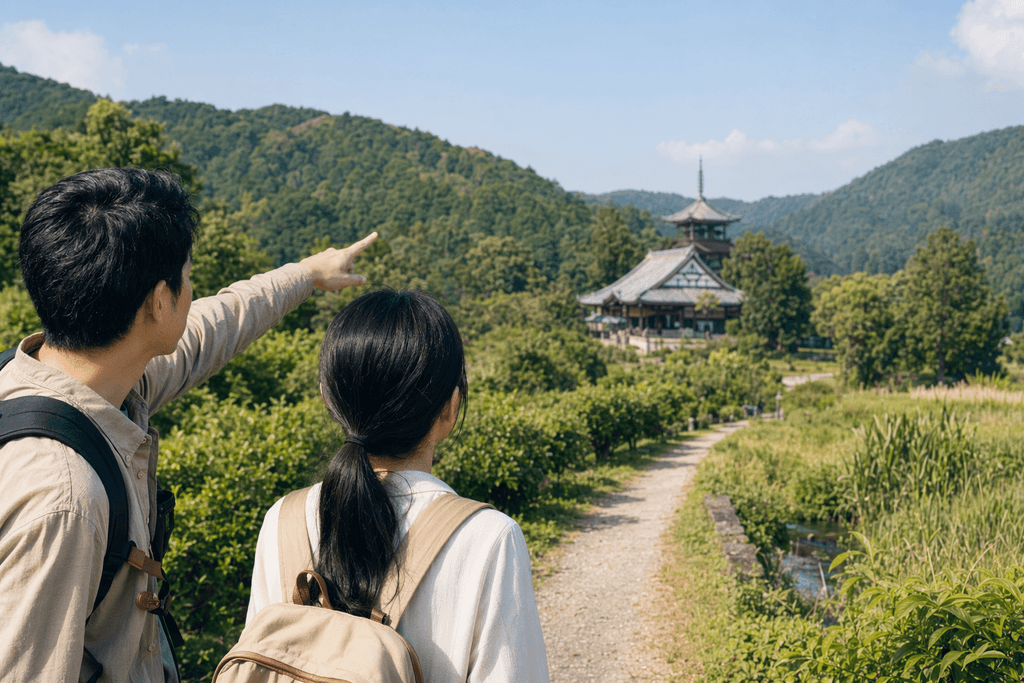
彼処
那里
彼処
那里
Explanation
彼処
那里
彼処
那边;那儿;那地方(较远处) / 那一带;那部分 / 前述的那个地方
( Base form )
( romanization )
( hiragana )
稲光
闪电
稲光
闪电
Explanation
稲光
闪电
稲光
闪电 / 电光

( Base form )
( romanization )
( hiragana )
堂々
堂皇地 / 坦然地
堂々
堂皇地 / 坦然地
Explanation
堂々
堂皇地 / 坦然地
堂々
光明正大地 / 理直气壮地 / 庄严雄伟地

( Base form )
( romanization )
( hiragana )
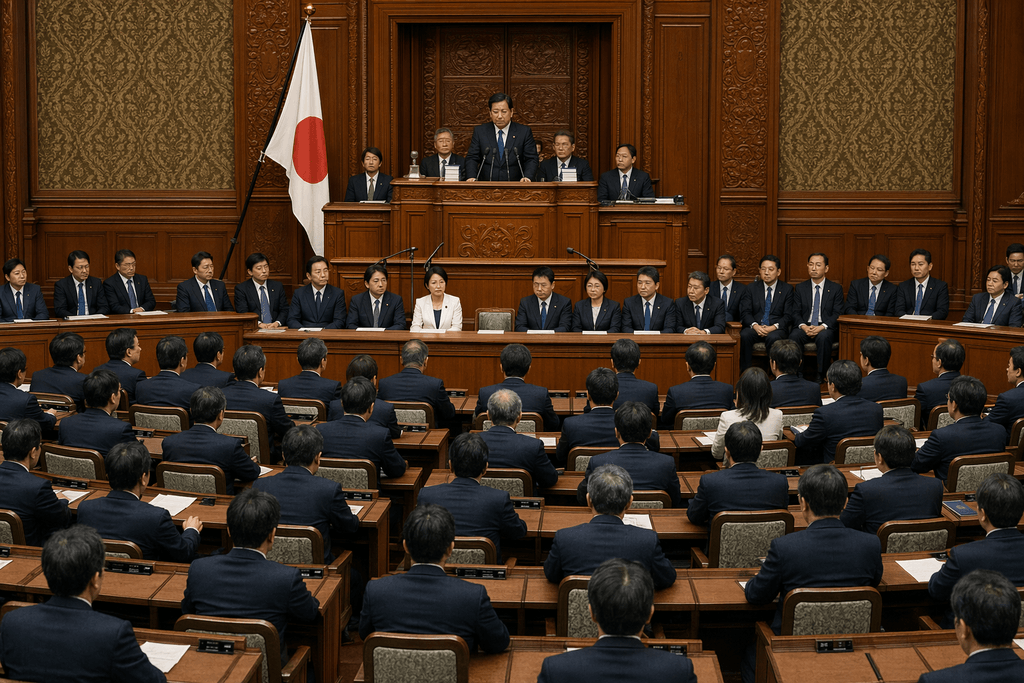
与党
执政党
与党
执政党
Explanation
与党
执政党
与党
执政党 / 掌权的政党
( Base form )
( romanization )
( romanization )
( kyūjitai )
( hiragana historical )
( hiragana )
脅迫
恐吓
脅迫
恐吓
Explanation
脅迫
恐吓
脅迫
以威胁手段强迫他人 / 恐吓或施压使人屈从 / 威胁、恐吓的行为

( Base form )
( romanization )
( hiragana )
肥料
肥料
肥料
肥料
Explanation
肥料
肥料
肥料
施于土壤以供植物养分的物质 / 粪肥

( Base form )
( romanization )
( romanization )
( hiragana historical )
( hiragana )
系
系统 / 血统
系
系统 / 血统
Explanation
系
系统 / 血统
系
表示某一系统、类别、派别 / 表示某种风格、类型 / 表示家族、血统

( romanization )
( hiragana )
麻痺
瘫痪 / 麻木
麻痺
瘫痪 / 麻木
Explanation
麻痺
瘫痪 / 麻木
麻痺
瘫痪;运动机能丧失 / 失去知觉的麻木状态 / 比喻对刺激或危险的警觉性下降

( Base form )
( romanization )
( hiragana )
馴らす
驯服
馴らす
驯服
Explanation
馴らす
驯服
馴らす
驯化 / 驯服 / 使温顺

Word Forms
The basic and commonly used forms of this verb.
Basic forms
| Form | Word form | Usage |
|---|---|---|
| Imperfective form (mizenkei) |
Alternative:
馴らそ
|
Connects to endings such as nai, reru, and seru. |
| Continuative form (renyokei) | Connects to endings such as masu, tai, and ta. | |
| Conclusive form (shushikei) | Ends a sentence and serves as the dictionary form. | |
| Attributive form (rentaikei) | Modifies a noun. | |
| Conditional form (kateikei) | Combines with ba to express a condition. | |
| Imperative form (meireikei) | Expresses a command or instruction. |
Common forms
Loading...

JLPT N1 多言語単語帳・3032語 / JLPT N1 Multilingual Vocabulary: 3032 Words

Jonathan Waller 氏の JLPT Resources の語彙リスト・レベル分類を出典とし、CC BY の条件に従って DiQt が学習者向けに意味を作り直した3032語の単語帳です。JLPT公式の語彙リストではありません。
This collection of 3032 words is based on the vocabulary list and level classifications in Jonathan Waller’s JLPT Resources under CC BY, with meanings rewritten by DiQt for learners. It is not an official JLPT vocabulary list.
Key Operations
Select the first quiz:
Ctrl + Enter
View Explanation:Ctrl + G
Close a feedback:Esc
When selecting a quiz
Answer:Enter
Select a choice:↓ or ↑
Reading out the question:Ctrl + K
View Hint: Ctrl + M
I don't know: Ctrl + Y



