
JLPT N1 词义四选一 - Unsolved

通过四选一题目,用简体中文学习JLPT N1的3032个单词含义。
-
火星
-
众议院
-
圣诞老人
-
朴实的 / 单纯的
-
陈腐的
-
光彩夺目
- 外来語「dry」に由来するナ形容詞。
-
私人物品
-
用品
-
休养
-
器官
-
日式
-
人事调动
-
卑躬屈膝地 / 饥肠辘辘
-
满以为
-
真正地
-
山脉
-
冷藏
-
安装 / 设置
-
意图
-
到公司上班
-
喷出
-
视觉
-
遗址
-
忧郁
-
留意 / 努力做到
-
责备 / 发炎
-
垂下 / 滴落
-
谦逊
-
醒来
-
混合
国連
联合国
国連
联合国
Explanation
国連
联合国
国連
联合国 / 联合国的简称

( Base form )
( romanization )
( kyūjitai )
( hiragana )
ドライ
干燥的 / 不感情用事的
ドライ
干燥的 / 不感情用事的
Explanation
干燥的 / 不感情用事的
ドライ
干燥的 / 冷淡的;不带感情的 / 辛口的;不甜的(酒等)

Word Forms
The basic and commonly used forms of this adjectival noun.
Basic forms
| Form | Word form | Usage |
|---|---|---|
| Imperfective form (mizenkei) | Used in forms such as darou. | |
| Continuative form (renyokei) |
Alternative:
ドライに
ドライだっ
|
Used with de or ni. |
| Conclusive form (shushikei) | Ends a sentence with da. | |
| Attributive form (rentaikei) | Modifies a noun with na. | |
| Conditional form (kateikei) | Expresses a condition with nara. | |
| Imperative form (meireikei) |
Alternative:
ドライなれ
|
Used in formal expressions such as de are. |
Common forms
| Form | Word form | Usage |
|---|---|---|
| Te-form equivalent | Connects clauses using de. | |
| Ta-form | Expresses the past with datta. | |
| Nai-form |
Alternative:
ドライじゃない
|
Expresses negation with dewa nai or ja nai. |
| Desu-form | Used for polite speech. |
Notes
決断
决断
決断
决断
Explanation
決断
决断
決断
决定 / 抉择 / 果断的决定

( Base form )
( romanization )
( kyūjitai )
( hiragana )
軽減
减轻
軽減
减轻
Explanation
軽減
减轻
軽減
减轻 / 缓解 / 降低

( Base form )
( romanization )
( hiragana )
がっしり
结实地
がっしり
结实地
Explanation
结实地
がっしり
结实地 / 牢固地 / 粗壮地

関与
参与
関与
参与
Explanation
関与
参与
関与
参与 / 牵涉 / 介入

( Base form )
( romanization )
( kyūjitai )
( hiragana )
溜まり
积聚 / 聚集处
溜まり
积聚 / 聚集处
Explanation
溜まり
积聚 / 聚集处
溜まり
积水处、积聚点 / 聚集地;(相扑)赛圈外的等待区 / “溜まり酱油”的简称
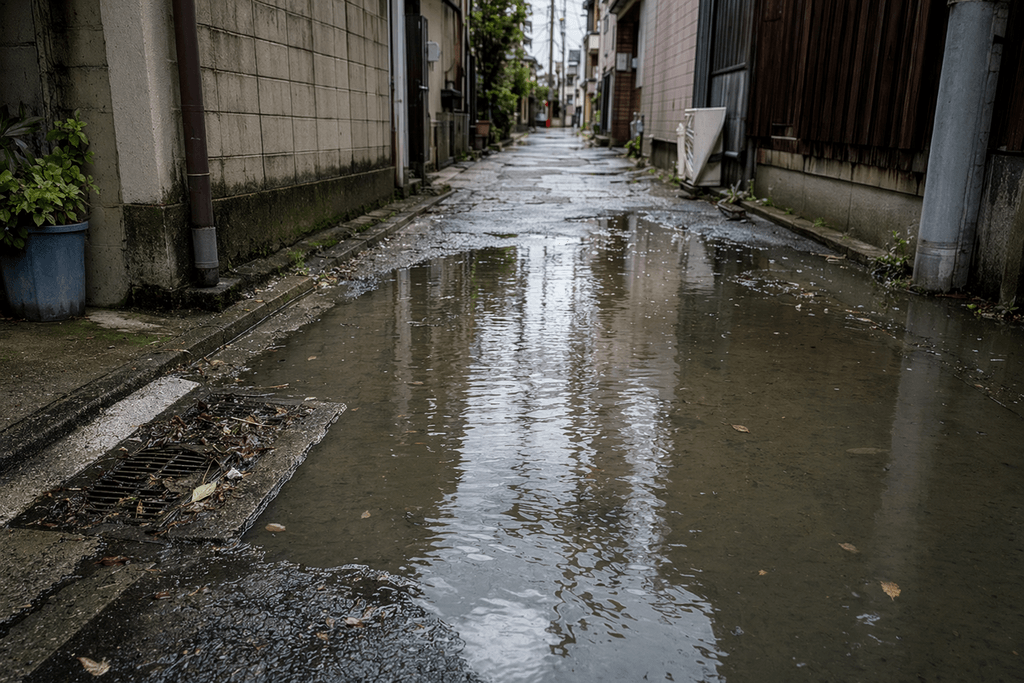
( Base form )
( romanization )
ガイド
导游
ガイド
导游
Explanation
导游
ガイド
导游 / 指南 / 导向装置

( romanization )
連なる
连成一排
連なる
连成一排
Explanation
連なる
连成一排
連なる
加入;成为成员 / 连成一线;成排延伸 / 出席;列席

Word Forms
The basic and commonly used forms of this verb.
Basic forms
| Form | Word form | Usage |
|---|---|---|
| Imperfective form (mizenkei) |
Alternative:
連なろ
|
Connects to endings such as nai, reru, and seru. |
| Continuative form (renyokei) | Connects to endings such as masu, tai, and ta. | |
| Conclusive form (shushikei) | Ends a sentence and serves as the dictionary form. | |
| Attributive form (rentaikei) | Modifies a noun. | |
| Conditional form (kateikei) | Combines with ba to express a condition. | |
| Imperative form (meireikei) | Expresses a command or instruction. |
Common forms
痛める
弄伤 / 痛心
痛める
弄伤 / 痛心
Explanation
痛める
弄伤 / 痛心
痛める
使受伤;弄疼 / 心里痛苦;苦恼

Word Forms
The basic and commonly used forms of this verb.
Basic forms
| Form | Word form | Usage |
|---|---|---|
| Imperfective form (mizenkei) | Connects to endings such as nai, reru, and seru. | |
| Continuative form (renyokei) | Connects to endings such as masu, tai, and ta. | |
| Conclusive form (shushikei) | Ends a sentence and serves as the dictionary form. | |
| Attributive form (rentaikei) | Modifies a noun. | |
| Conditional form (kateikei) | Combines with ba to express a condition. | |
| Imperative form (meireikei) |
Alternative:
痛めよ
|
Expresses a command or instruction. |
Common forms
Loading...

JLPT N1 多言語単語帳・3032語 / JLPT N1 Multilingual Vocabulary: 3032 Words

Jonathan Waller 氏の JLPT Resources の語彙リスト・レベル分類を出典とし、CC BY の条件に従って DiQt が学習者向けに意味を作り直した3032語の単語帳です。JLPT公式の語彙リストではありません。
This collection of 3032 words is based on the vocabulary list and level classifications in Jonathan Waller’s JLPT Resources under CC BY, with meanings rewritten by DiQt for learners. It is not an official JLPT vocabulary list.
Key Operations
Select the first quiz:
Ctrl + Enter
View Explanation:Ctrl + G
Close a feedback:Esc
When selecting a quiz
Answer:Enter
Select a choice:↓ or ↑
Reading out the question:Ctrl + K
View Hint: Ctrl + M
I don't know: Ctrl + Y



