
JLPT N1 词义四选一 - Unsolved

通过四选一题目,用简体中文学习JLPT N1的3032个单词含义。
-
因此
-
而且
-
接着
-
冲击 / 震惊
-
大腿
-
描绘
-
空翻
-
前提 / 先决条件
-
柱子
-
碳
-
移居
-
羞耻
-
拔掉
-
加强
-
相联系
-
草率的
-
反复无常
-
庄严
-
打扮时髦 / 开玩笑
-
访问 / 到来
-
设立 / 摆好架势
- サ変動詞。未然形には接続する助動詞により「脱し・脱せ・脱さ」が用いられる。
- 「脱す」は文語的・硬い文体で終止形として用いられることがある。
-
吹奏
-
津贴 / 治疗
-
绅士
-
形状 / 信函
-
费用 / 原料
-
店
-
迅速地 / 突然
-
拖着 / 拖拖拉拉地
-
整整
若しくは
或者
若しくは
或者
Explanation
若しくは
或者
若しくは
或者 / 或 / 抑或

( Base form )
( romanization )
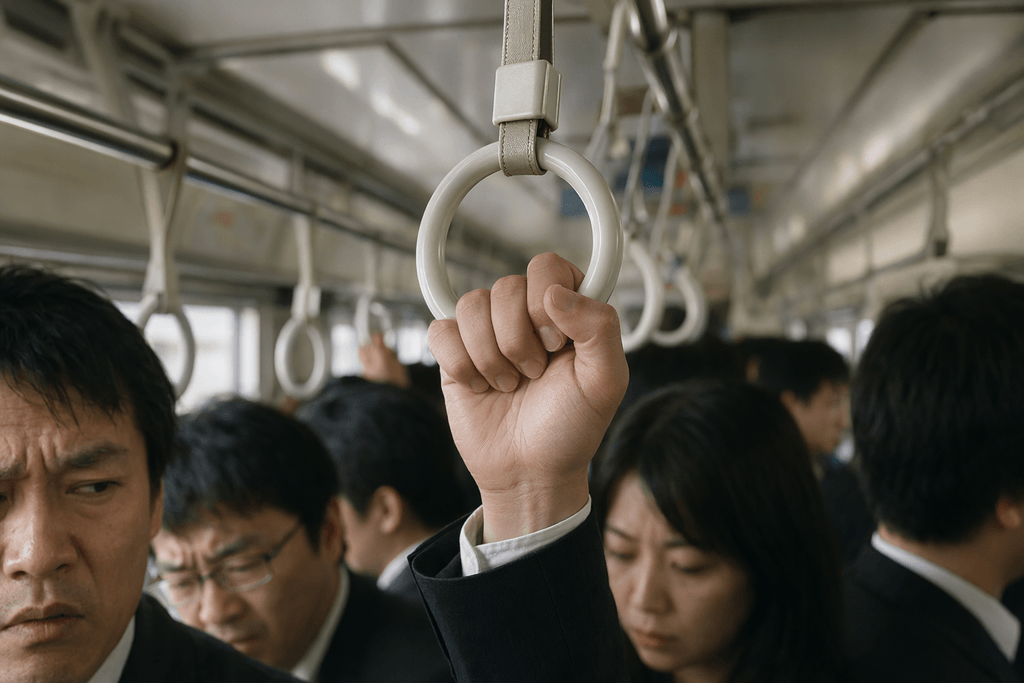
吊り革
吊环
吊り革
吊环
Explanation
吊り革
吊环
吊り革
公共交通工具上的吊环扶手 / 乘客抓握用的拉环
( Base form )
( romanization )
( romanization )
( hiragana historical )
( hiragana )
甲
第一等
甲
第一等
Explanation
甲
第一等
甲
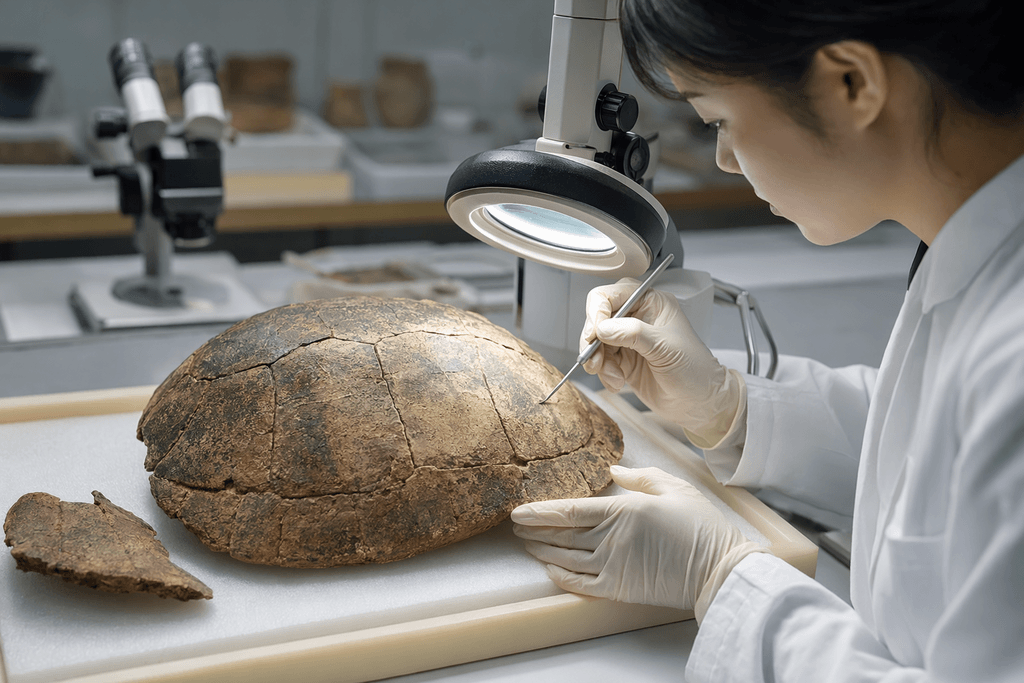
甲壳/外壳 / 第一;甲等 / 甲方
( romanization )
( romanization )
( hiragana historical )
( hiragana )
移民
移民
移民
移民
Explanation
移民
移民
移民
从一国或地区迁往另一地定居的人 / 移入某国定居的外来者 / 从本国迁往他国定居的人

( Base form )
( romanization )
( hiragana )
病む
患病
病む
患病
Explanation
病む
患病
病む
生病;患病 / 忧虑;烦恼 / 受伤

Word Forms
The basic and commonly used forms of this verb.
Basic forms
| Form | Word form | Usage |
|---|---|---|
| Imperfective form (mizenkei) |
Alternative:
病も
|
Connects to endings such as nai, reru, and seru. |
| Continuative form (renyokei) | Connects to endings such as masu, tai, and ta. | |
| Conclusive form (shushikei) | Ends a sentence and serves as the dictionary form. | |
| Attributive form (rentaikei) | Modifies a noun. | |
| Conditional form (kateikei) | Combines with ba to express a condition. | |
| Imperative form (meireikei) | Expresses a command or instruction. |
Common forms
有望
有前途的
有望
有前途的
Explanation
有望
有前途的
有望
有希望 / 前景看好 / 有前途

Word Forms
The basic and commonly used forms of this adjectival noun.
Basic forms
| Form | Word form | Usage |
|---|---|---|
| Imperfective form (mizenkei) | Used in forms such as darou. | |
| Continuative form (renyokei) |
Alternative:
有望に
|
Used with de or ni. |
| Conclusive form (shushikei) | Ends a sentence with da. | |
| Attributive form (rentaikei) | Modifies a noun with na. | |
| Conditional form (kateikei) | Expresses a condition with nara. | |
| Imperative form (meireikei) | Used in formal expressions such as de are. |
Common forms
脱する
摆脱
脱する
摆脱
Explanation
脱する
摆脱
脱する
脱离 / 摆脱 / 逃脱

Word Forms
The basic and commonly used forms of this verb.
Basic forms
| Form | Word form | Usage |
|---|---|---|
| Imperfective form (mizenkei) |
Alternative:
脱せ
脱さ
|
Connects to endings such as nai, reru, and seru. |
| Continuative form (renyokei) | Connects to endings such as masu, tai, and ta. | |
| Conclusive form (shushikei) |
Alternative:
脱す
|
Ends a sentence and serves as the dictionary form. |
| Attributive form (rentaikei) | Modifies a noun. | |
| Conditional form (kateikei) | Combines with ba to express a condition. | |
| Imperative form (meireikei) |
Alternative:
脱せよ
|
Expresses a command or instruction. |
Common forms
| Form | Word form | Usage |
|---|---|---|
| Te-form | Connects clauses with te. | |
| Ta-form | Expresses the past with ta. | |
| Nai-form |
Alternative:
脱せず
|
Expresses negation with nai. |
| Masu-form | Used for polite speech. | |
| Ba-form | Expresses a condition with ba. | |
| Volitional form | Expresses intention or invitation. |
Notes
ダース
一打
ダース
一打
Explanation
一打
ダース
一打(十二个) / 以十二个为一组的计量单位

( romanization )
版
版
版
版
Explanation
版
版
版
……版本;……版 / 表示某次发行或特定语言/地区的版本

( romanization )
( hiragana )
もろに
正面地
もろに
正面地
Explanation
正面地
もろに
直接地 / 正面地 / 露骨地

Loading...

JLPT N1 多言語単語帳・3032語 / JLPT N1 Multilingual Vocabulary: 3032 Words

Jonathan Waller 氏の JLPT Resources の語彙リスト・レベル分類を出典とし、CC BY の条件に従って DiQt が学習者向けに意味を作り直した3032語の単語帳です。JLPT公式の語彙リストではありません。
This collection of 3032 words is based on the vocabulary list and level classifications in Jonathan Waller’s JLPT Resources under CC BY, with meanings rewritten by DiQt for learners. It is not an official JLPT vocabulary list.
Key Operations
Select the first quiz:
Ctrl + Enter
View Explanation:Ctrl + G
Close a feedback:Esc
When selecting a quiz
Answer:Enter
Select a choice:↓ or ↑
Reading out the question:Ctrl + K
View Hint: Ctrl + M
I don't know: Ctrl + Y



