
JLPT N1 词义四选一 - Unsolved

通过四选一题目,用简体中文学习JLPT N1的3032个单词含义。
-
受潮
-
扭曲
-
打败
-
暗示
-
发育
-
巨款
-
夜间比赛
-
学科
-
提高
-
忍耐
-
特有性质
-
城下
-
总量
-
贵
-
诸
-
长久的
-
贪婪的
-
很大的
- 読み: ふさわしい
-
纤弱 / 苗条
-
粗心的 / 粗鲁的
-
自动的
- 「正規の」の形で名詞を修飾する用法が特に多い。
-
捕获
-
商家
-
剪切
-
强迫
-
毁灭
-
停滞 / 拖欠
-
行情价
-
政权 / 执政政府
-
憎恨
見落とす
看漏
見落とす
看漏
Explanation
見落とす
看漏
見落とす
忽略 / 漏看 / 没有注意到

Word Forms
The basic and commonly used forms of this verb.
Basic forms
| Form | Word form | Usage |
|---|---|---|
| Imperfective form (mizenkei) |
Alternative:
見落とそ
|
Connects to endings such as nai, reru, and seru. |
| Continuative form (renyokei) | Connects to endings such as masu, tai, and ta. | |
| Conclusive form (shushikei) | Ends a sentence and serves as the dictionary form. | |
| Attributive form (rentaikei) | Modifies a noun. | |
| Conditional form (kateikei) | Combines with ba to express a condition. | |
| Imperative form (meireikei) | Expresses a command or instruction. |
Common forms
用法
用法
用法
用法
Explanation
用法
用法
用法
使用的方法或方式 / 词语、语法等的使用方式 / 使用规则或说明

( Base form )
( romanization )
( hiragana )
山脈
山脉
山脈
山脉
Explanation
山脈
山脉
山脈
连绵成带的山群 / 相互连接的山峰与山岭的整体

( Base form )
( romanization )
( hiragana )
海運
海运
海運
海运
Explanation
海運
海运
海運
海上运输 / 海运业

( Base form )
( romanization )
( hiragana )
原
原 / 未加工的
原
原 / 未加工的
Explanation
原
原 / 未加工的
原
本来的 / 原始的、最初的 / 原版的或原著的
( romanization )
( hiragana )
相応しい
相称的
相応しい
相称的
Explanation
相応しい
相称的
相応しい
合适的 / 适当的 / 相称的

Word Forms
The basic and commonly used forms of this adjective.
Basic forms
| Form | Word form | Usage |
|---|---|---|
| Imperfective form (mizenkei) | Used in forms such as karou; mainly literary. | |
| Continuative form (renyokei) |
Alternative:
相応しかっ
|
Used in forms such as kute and kunai. |
| Conclusive form (shushikei) | Ends a sentence. | |
| Attributive form (rentaikei) | Modifies a noun. | |
| Conditional form (kateikei) | Expresses a condition with kereba. | |
| Imperative form (meireikei) | Rarely used in modern Japanese. |
Common forms
| Form | Word form | Usage |
|---|---|---|
| Te-form | Connects clauses with kute. | |
| Ta-form | Expresses the past with katta. | |
| Nai-form | Expresses negation with kunai. | |
| Ba-form | Expresses a condition with kereba. |
Notes
正規
正规的 / 正式的
正規
正规的 / 正式的
Explanation
正規
正规的 / 正式的
正規
正规 / 常规的 / 标准的

Word Forms
The basic and commonly used forms of this adjectival noun.
Basic forms
| Form | Word form | Usage |
|---|---|---|
| Imperfective form (mizenkei) | Used in forms such as darou. | |
| Continuative form (renyokei) |
Alternative:
正規に
|
Used with de or ni. |
| Conclusive form (shushikei) |
Alternative:
正規である
|
Ends a sentence with da. |
| Attributive form (rentaikei) |
Alternative:
正規の
正規である
|
Modifies a noun with na. |
| Conditional form (kateikei) |
Alternative:
正規であれば
|
Expresses a condition with nara. |
| Imperative form (meireikei) | Used in formal expressions such as de are. |
Common forms
| Form | Word form | Usage |
|---|---|---|
| Te-form equivalent | Connects clauses using de. | |
| Ta-form |
Alternative:
正規であった
|
Expresses the past with datta. |
| Nai-form |
Alternative:
正規じゃない
|
Expresses negation with dewa nai or ja nai. |
| Desu-form | Used for polite speech. |
Notes
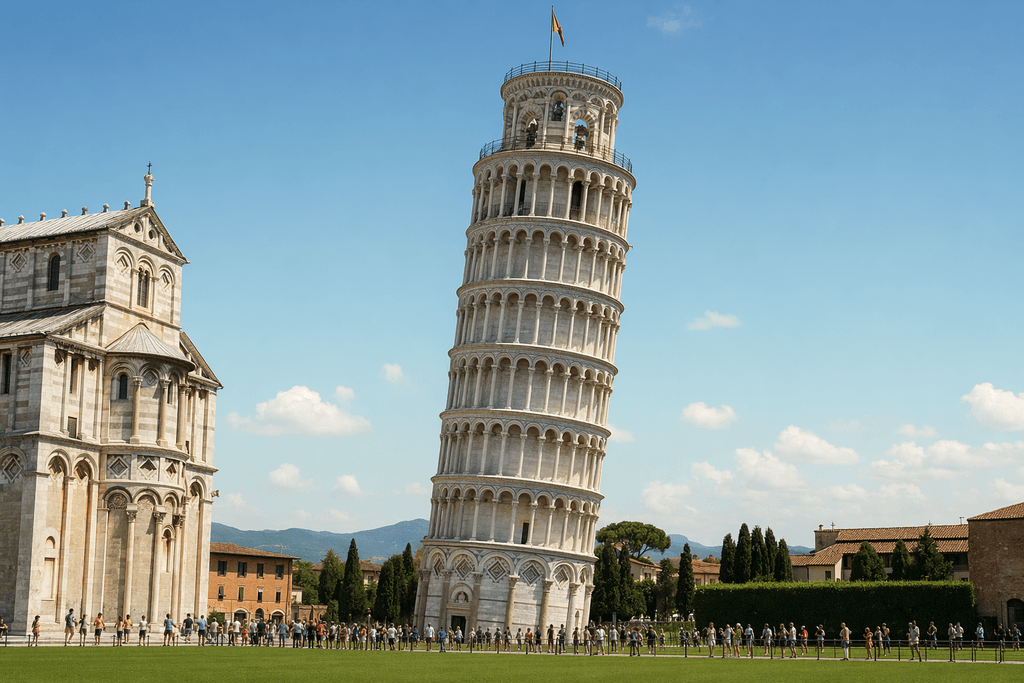
傾き
倾斜度
傾き
倾斜度
Explanation
傾き
倾斜度
傾き
倾斜;斜度 / 倾向;趋势 / 偏向;倾心
誂える
定做
誂える
定做
Explanation
誂える
定做
誂える
下订单 / 订货 / 定做

Word Forms
The basic and commonly used forms of this verb.
Basic forms
| Form | Word form | Usage |
|---|---|---|
| Imperfective form (mizenkei) | Connects to endings such as nai, reru, and seru. | |
| Continuative form (renyokei) | Connects to endings such as masu, tai, and ta. | |
| Conclusive form (shushikei) | Ends a sentence and serves as the dictionary form. | |
| Attributive form (rentaikei) | Modifies a noun. | |
| Conditional form (kateikei) | Combines with ba to express a condition. | |
| Imperative form (meireikei) |
Alternative:
誂えよ
|
Expresses a command or instruction. |
Common forms
概略
梗概
概略
梗概
Explanation
概略
梗概
概略
概要 / 大意 / 梗概

( Base form )
( romanization )
( kyūjitai )
( hiragana )
Loading...

JLPT N1 多言語単語帳・3032語 / JLPT N1 Multilingual Vocabulary: 3032 Words

Jonathan Waller 氏の JLPT Resources の語彙リスト・レベル分類を出典とし、CC BY の条件に従って DiQt が学習者向けに意味を作り直した3032語の単語帳です。JLPT公式の語彙リストではありません。
This collection of 3032 words is based on the vocabulary list and level classifications in Jonathan Waller’s JLPT Resources under CC BY, with meanings rewritten by DiQt for learners. It is not an official JLPT vocabulary list.
Key Operations
Select the first quiz:
Ctrl + Enter
View Explanation:Ctrl + G
Close a feedback:Esc
When selecting a quiz
Answer:Enter
Select a choice:↓ or ↑
Reading out the question:Ctrl + K
View Hint: Ctrl + M
I don't know: Ctrl + Y



