
JLPT N4 Vocabulary Meanings - Unsolved

Learn the English meanings of 631 JLPT N4 words through questions with four answer choices.
-
education
-
soft
-
substitute
-
concert
-
police
-
attention / caution
-
hair
-
that sort of
-
different
-
reception desk
-
school enrollment
-
tennis
-
go down
-
exceed / pass
-
be finished
- サ行変格活用の複合動詞(「出発」+「する」)。
- 未然形には接続する助動詞などにより「し」「せ」「さ」が現れる。
-
continue
-
do
-
stand something up
- 「頂く」は五段活用(カ行)。謙譲語として「もらう」「食べる・飲む」の意味で用いられるほか、「頭上に載せる」の意味でも用いられる。
- 表記の異形として「戴く」がある。
-
geography
-
grapes
-
gas station
-
be decided
-
pick up
-
visit / ask
-
help
-
break / crack
-
plan
-
substitute
-
your home
-
daughter
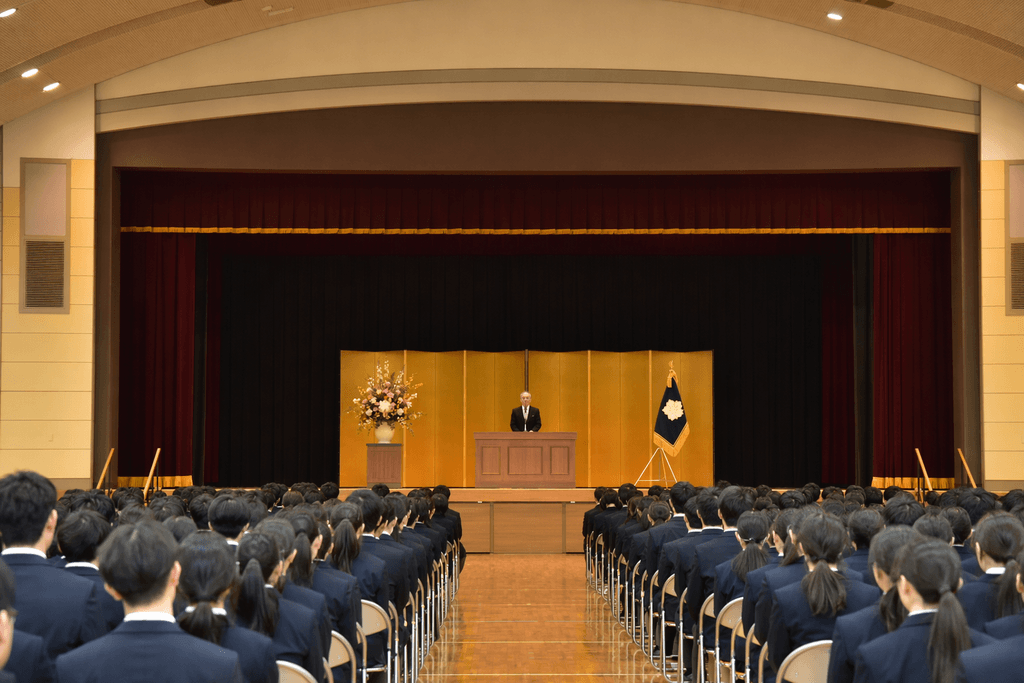
講堂
auditorium
講堂
auditorium
Explanation
講堂
auditorium
講堂
( Base form )
( romanization )
( hiragana )
席
seat
席
seat
Explanation
席
seat
席
seat; one's place / place; position (esp. seating/order; figuratively, one's place in a field) / gathering; banquet; occasion

( romanization )
( hiragana )
あんな
that kind of
あんな
that kind of
Explanation
that kind of
あんな
such; like that; that kind of

( romanization )
石
stone
石
stone
Explanation
石
stone
石

( romanization )
( hiragana )
出発する
depart
出発する
depart
Explanation
出発する
depart
出発する

Word Forms
The basic and commonly used forms of this verb.
Basic forms
| Form | Word form | Usage |
|---|---|---|
| Imperfective form (mizenkei) |
Alternative:
出発せ
出発さ
|
Connects to endings such as nai, reru, and seru. |
| Continuative form (renyokei) | Connects to endings such as masu, tai, and ta. | |
| Conclusive form (shushikei) | Ends a sentence and serves as the dictionary form. | |
| Attributive form (rentaikei) | Modifies a noun. | |
| Conditional form (kateikei) | Combines with ba to express a condition. | |
| Imperative form (meireikei) |
Alternative:
出発せよ
|
Expresses a command or instruction. |
Common forms
| Form | Word form | Usage |
|---|---|---|
| Te-form | Connects clauses with te. | |
| Ta-form | Expresses the past with ta. | |
| Nai-form |
Alternative:
出発せぬ
出発せず
|
Expresses negation with nai. |
| Masu-form | Used for polite speech. | |
| Ba-form | Expresses a condition with ba. | |
| Volitional form | Expresses intention or invitation. |
Notes
頂く
receive / eat
頂く
receive / eat
Explanation
頂く
receive / eat
頂く
to place on or above one's head / (humble) to receive; humble version of 貰う (morau, “to get, to receive”) / (humble) to take food or drink: to eat, to drink
Word Forms
The basic and commonly used forms of this verb.
Basic forms
| Form | Word form | Usage |
|---|---|---|
| Imperfective form (mizenkei) |
Alternative:
戴か
頂こ
戴こ
|
Connects to endings such as nai, reru, and seru. |
| Continuative form (renyokei) |
Alternative:
戴き
|
Connects to endings such as masu, tai, and ta. |
| Conclusive form (shushikei) |
Alternative:
戴く
|
Ends a sentence and serves as the dictionary form. |
| Attributive form (rentaikei) |
Alternative:
戴く
|
Modifies a noun. |
| Conditional form (kateikei) |
Alternative:
戴け
|
Combines with ba to express a condition. |
| Imperative form (meireikei) |
Alternative:
戴け
|
Expresses a command or instruction. |
Common forms
| Form | Word form | Usage |
|---|---|---|
| Te-form |
Alternative:
戴いて
|
Connects clauses with te. |
| Ta-form |
Alternative:
戴いた
|
Expresses the past with ta. |
| Nai-form |
Alternative:
戴かない
|
Expresses negation with nai. |
| Masu-form |
Alternative:
戴きます
|
Used for polite speech. |
| Ba-form |
Alternative:
戴けば
|
Expresses a condition with ba. |
| Volitional form |
Alternative:
戴こう
|
Expresses intention or invitation. |
Notes
生活
daily life
生活
daily life
Explanation
生活
daily life
生活
life; livelihood; daily living.

( Base form )
( romanization )
( hiragana )
調べる
look up / investigate
調べる
look up / investigate
Explanation
調べる
look up / investigate
調べる
to investigate / to examine / to check / to check up on / to look up / to look into / to search / (music) to tune (an instrument)

Word Forms
The basic and commonly used forms of this verb.
Basic forms
| Form | Word form | Usage |
|---|---|---|
| Imperfective form (mizenkei) | Connects to endings such as nai, reru, and seru. | |
| Continuative form (renyokei) | Connects to endings such as masu, tai, and ta. | |
| Conclusive form (shushikei) | Ends a sentence and serves as the dictionary form. | |
| Attributive form (rentaikei) | Modifies a noun. | |
| Conditional form (kateikei) | Combines with ba to express a condition. | |
| Imperative form (meireikei) |
Alternative:
調べよ
|
Expresses a command or instruction. |
Common forms
謝る
apologize
謝る
apologize
Explanation
謝る
apologize
謝る
to seek forgiveness for a mistake; to apologize

Word Forms
The basic and commonly used forms of this verb.
Basic forms
| Form | Word form | Usage |
|---|---|---|
| Imperfective form (mizenkei) | Connects to endings such as nai, reru, and seru. | |
| Continuative form (renyokei) | Connects to endings such as masu, tai, and ta. | |
| Conclusive form (shushikei) | Ends a sentence and serves as the dictionary form. | |
| Attributive form (rentaikei) | Modifies a noun. | |
| Conditional form (kateikei) | Combines with ba to express a condition. | |
| Imperative form (meireikei) | Expresses a command or instruction. |
Common forms
訳
meaning / reason
訳
meaning / reason
Explanation
訳
meaning / reason
訳
訳: meaning, sense / 訳, 理由: reason (for), cause / 訳: circumstances

( romanization )
( hiragana historical )
Loading...

JLPT N4 多言語単語帳・631語 / JLPT N4 Multilingual Vocabulary: 631 Words

Jonathan Waller 氏の JLPT Resources の語彙リスト・レベル分類を出典とし、CC BY の条件に従って DiQt が初級向けに意味を作り直した631語の単語帳です。JLPT公式の語彙リストではありません。
This collection of 631 words is based on the vocabulary list and level classifications in Jonathan Waller’s JLPT Resources under CC BY, with meanings rewritten by DiQt for beginners. It is not an official JLPT vocabulary list.
Key Operations
Select the first quiz:
Ctrl + Enter
View Explanation:Ctrl + G
Close a feedback:Esc
When selecting a quiz
Answer:Enter
Select a choice:↓ or ↑
Reading out the question:Ctrl + K
View Hint: Ctrl + M
I don't know: Ctrl + Y



